











A pay per free trial affiliate program offers affiliates an easy way to earn money. Instead of persuading customers to part with their hard-earned cash, you simply need to get them to sign up. Once they do, you’ll earn commissions.
This type of program is a great starting point for your affiliate journey. In this article, we’ve compiled the 10 best pay per free trial affiliate programs.
Another simple way to earn is by generating clicks or leads for brands. We’ve put together a top list of pay per click and pay per lead affiliate programs if you’re interested.
Quick Comparison
| Program Name | Commission (%) / Payout | Cookie Duration (Days) | Niche Suitable |
|---|---|---|---|
| Zendoc | $10 per trial / $400 per yearly plan (≈20% commission mentioned) | 120 | SaaS, AI tools, Contract management, B2B |
| Semrush | $10 per trial + tiered: $200–$350 per sale | 370 | SEO, Digital marketing, SaaS tools |
| FreshBooks | $10 per trial | 120 | Accounting software, SMB tools, SaaS finance |
| Amazon Associates (Prime sign-up) | $3 per free trial signup | Not mentioned | General niche, entertainment, Prime content |
| Grammarly | $0.2 per signup + $20 per upgrade | 90 | Writing, education, productivity, SaaS |
| QuickBooks | $5 per trial + $50 per subscription | 45 | Accounting, finances, SMB, SaaS |
| Audiobooks.com | $15–$25 per signup (tiered) | Not mentioned | Books, audio content, entertainment |
| Pluralsight | $5 per signup + 15–50% subscription commissions | 60 | Tech, coding, IT learning, online courses |
| Brevo (Sendinblue) | $5 per signup (must refer paid user to unlock) | 90 | Email marketing, CRM, SaaS tools |
| Buildium | $10 per signup | 60 | Real estate, property management SaaS |
Affiliate Earnings Calculator
Estimate your affiliate income based on Traffic, CTR, AOV, and Commission rate. Drag the sliders below to explore different scenarios.
Estimated Results
These figures are for illustrative purposes – feel free to adjust them to fit your specific niche.
- Conversion Rate here is defined as the percentage of traffic that buys.
- Does not account for refunds, cancellations, or varying commission rates by product.
Top 11 Best Pay Per Free Signup Affiliate Programs
1. Zendoc
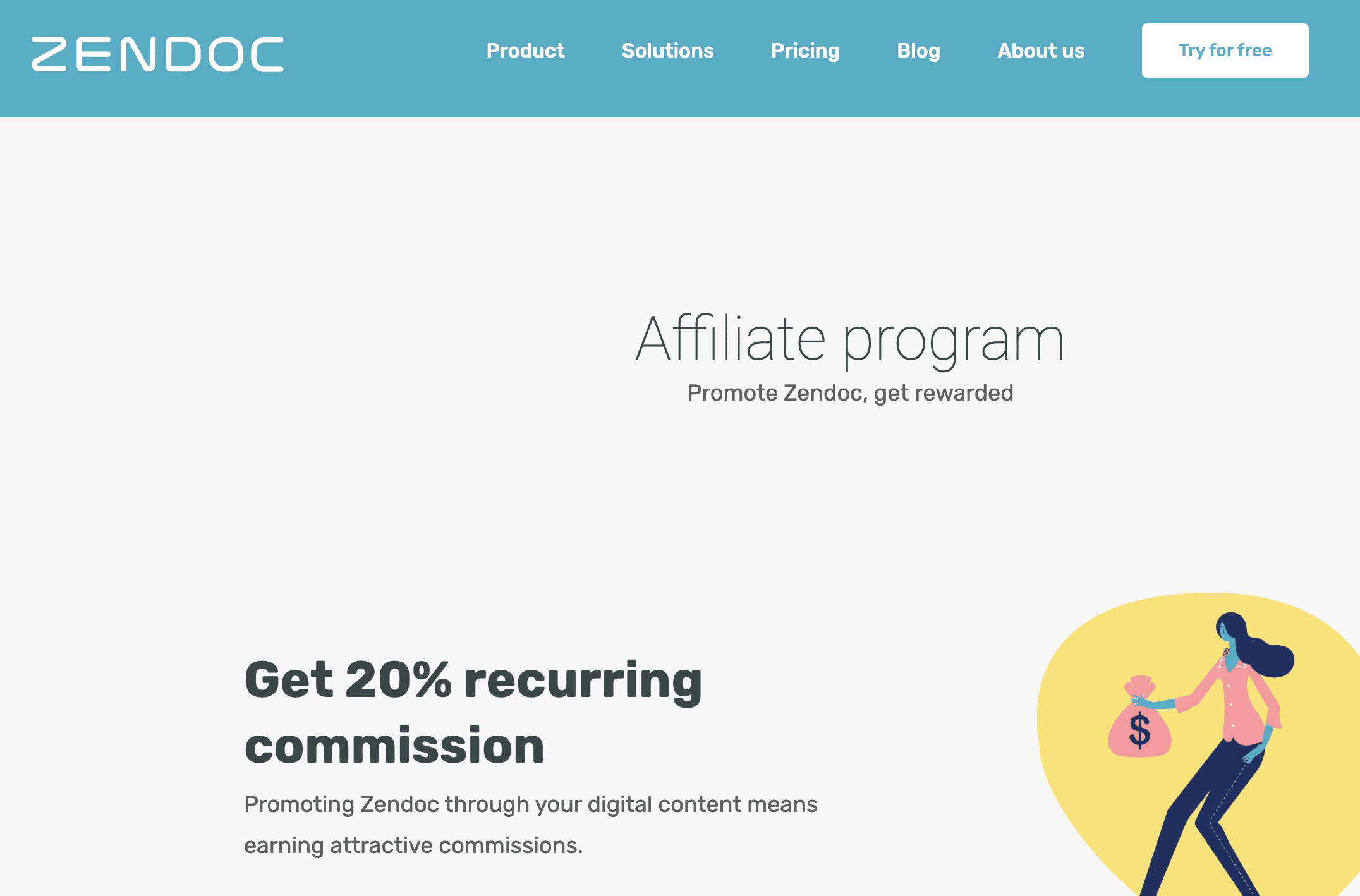
Zendoc is AI-powered management software that automates routine processes in contract management. This website turns any document into a smarter thing, enabling organization growth and success.
When joining the Zendoc affiliate program, you will get paid per free trial with up to 10$. Plus, if customers update to a yearly paid plan, you can receive $400 per paid subscription.
Zendoc pays their partners a 20% commission rate and a 120-day cookie duration. The support team can also assist with coupons and trademark biding affiliates.
|
2. Semrush
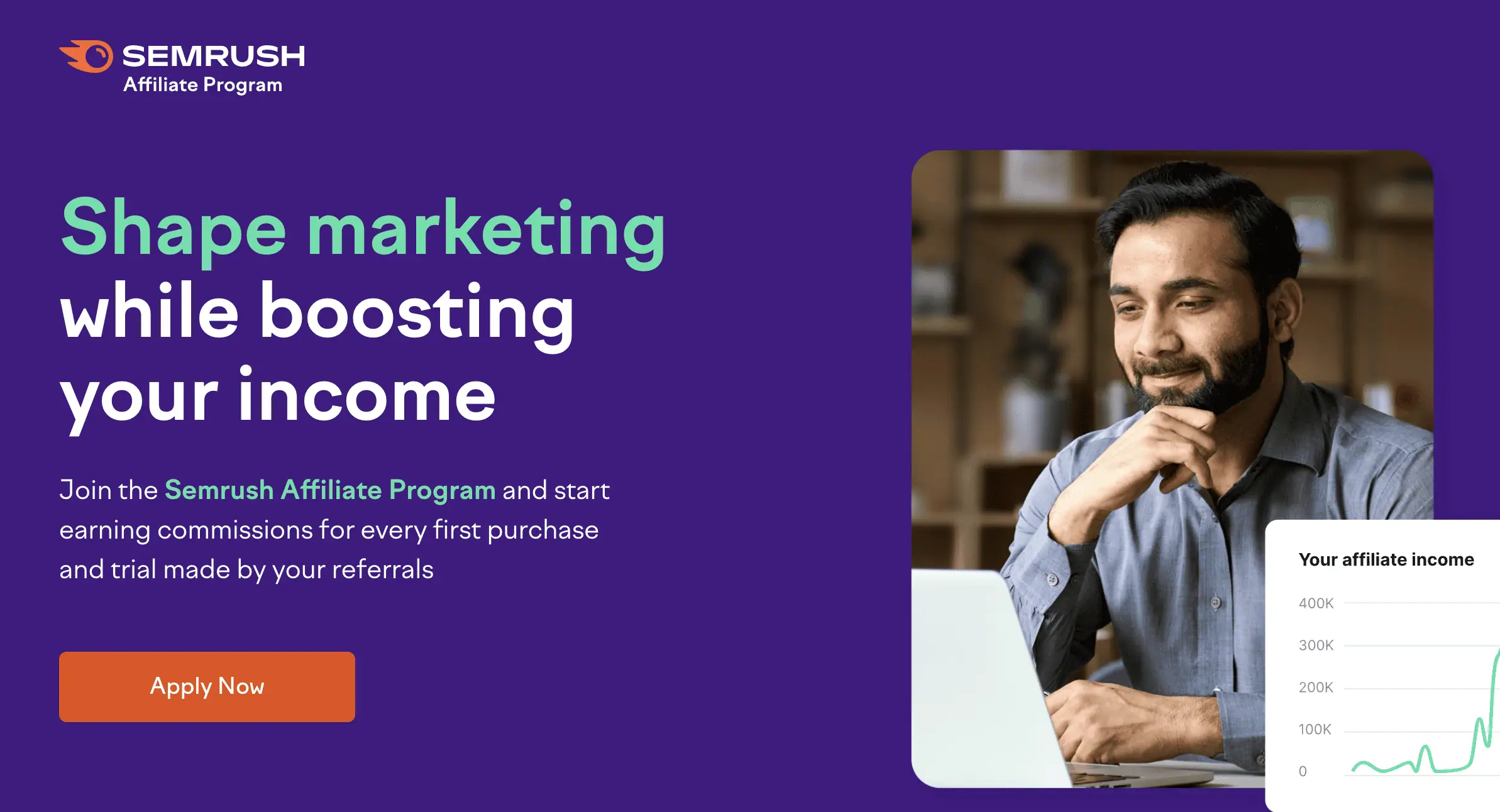
Semrush is among the top software for improving digital marketing campaigns. Users can search for keywords, competitor analysis, Google Ad campaign optimization, and more.
The Semrush affiliate program pays $10 for every free trial through your link. Plus, their super-long cookie duration allows you to earn a commission for up to 370 days.
To promote affiliates to grow more, Semrush has created multi-tier commissions:
- $200: Basic (0-4 sales)
- $250: Silver (5-19 sales)
- $300: Gold (20-49 sales)
- $350: Platinum (50+ sales)
This brand also forms many pre-designed, high-converting promotional materials for their partners to have more tools to promote.
|
3. Freshbooks
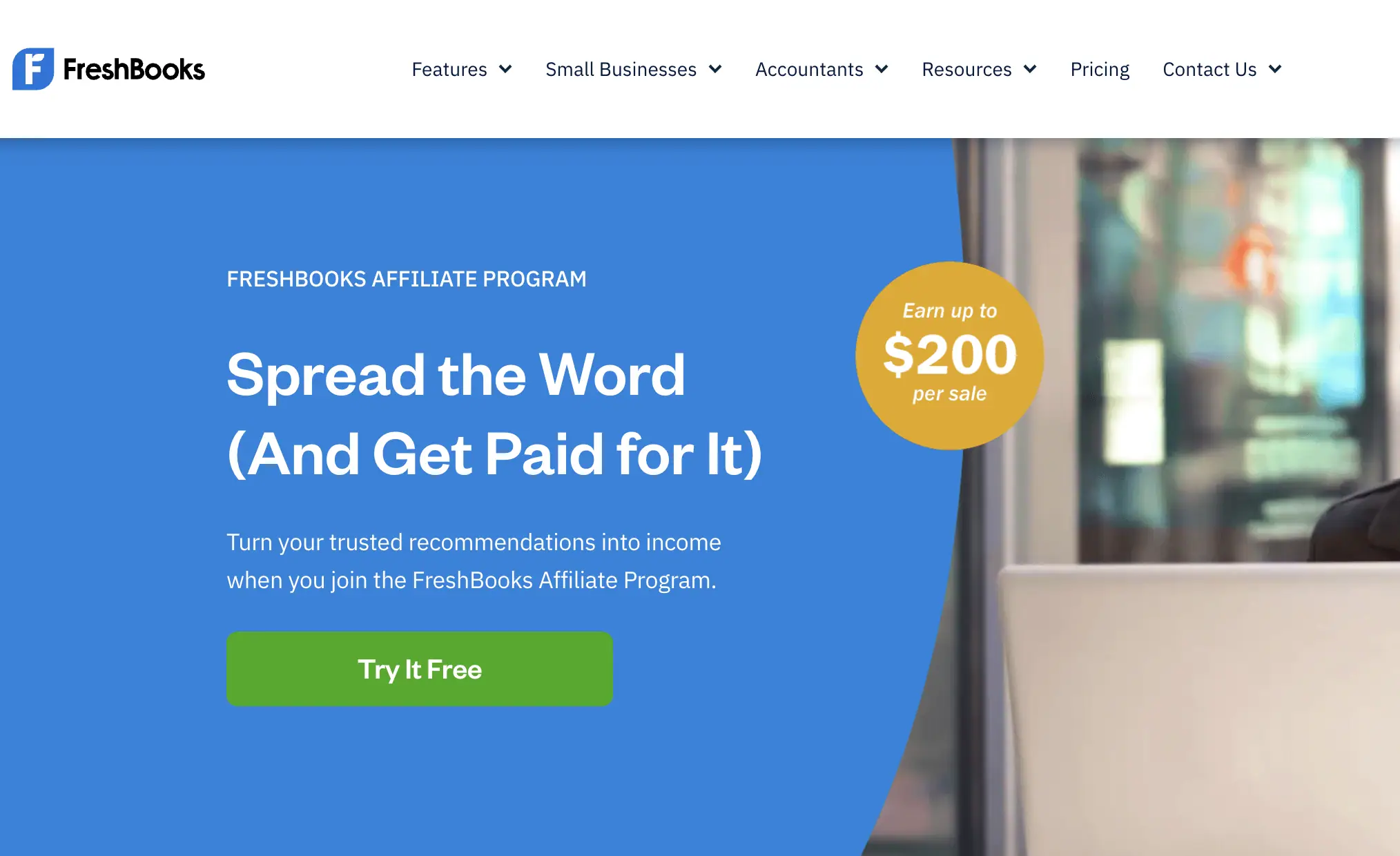
Freshbooks offers a service model accounting for over 30 million people in 160 countries. They are dedicated to supporting small and medium-sized businesses.
Freshbooks pays affiliates $10 for the cost per free trial. They provide a 120-day cookie duration for partners of their affiliate program as well. However, you must earn at least $50 across all free trials to receive a monthly payout.
Freshbooks’s in-house management team will provide you with tips, tracking tools, and monthly newsletters. This brand also gives you access to various text links, banners, infographics, and promoted videos.
|
4. Amazon Associates
Amazon Associates is one of the most extensive affiliate programs in the world. Amazon Prime is part of the program, which leads the streaming industry with thousands of products such as films, books, songs, and more.
Affiliates can earn 3$ when a visitor signs up for a 30-day free trial at Amazon Prime. After the free trial, Prime membership will be upgraded to only 99$ per year.
Amazon Associates will immediately give banners and links to their partners after they sign up for the program to promote their products.
|
5. Grammarly
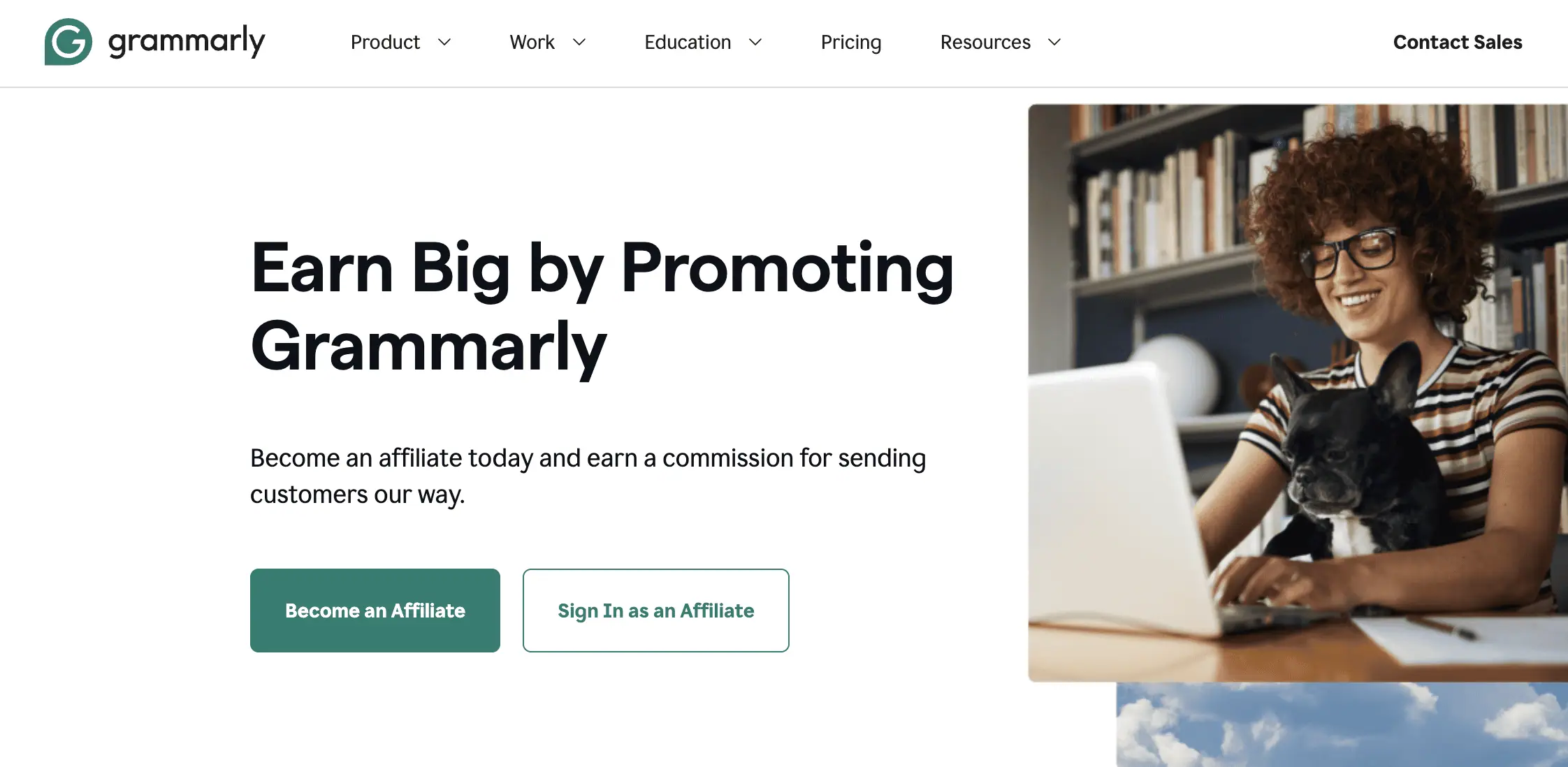
Grammarly reviews grammar and spelling and gives better wording options. Additionally, Grammarly provides real-time feedback and style suggestions to help you refine your writing skills over time.
Grammarly affiliate program offers a commission structure for sign-up accounts to earn twice:
- $0.2 per free signup account
- $20 per premium upgrade
This website offers a generous 90-day cookie duration. Moreover, when joining their affiliate program, you will receive emails, links, and newsletters to promote Grammarly. For top affiliates, Grammarly also hands out exclusive discounts and cash bonuses.
|
6. QuickBooks
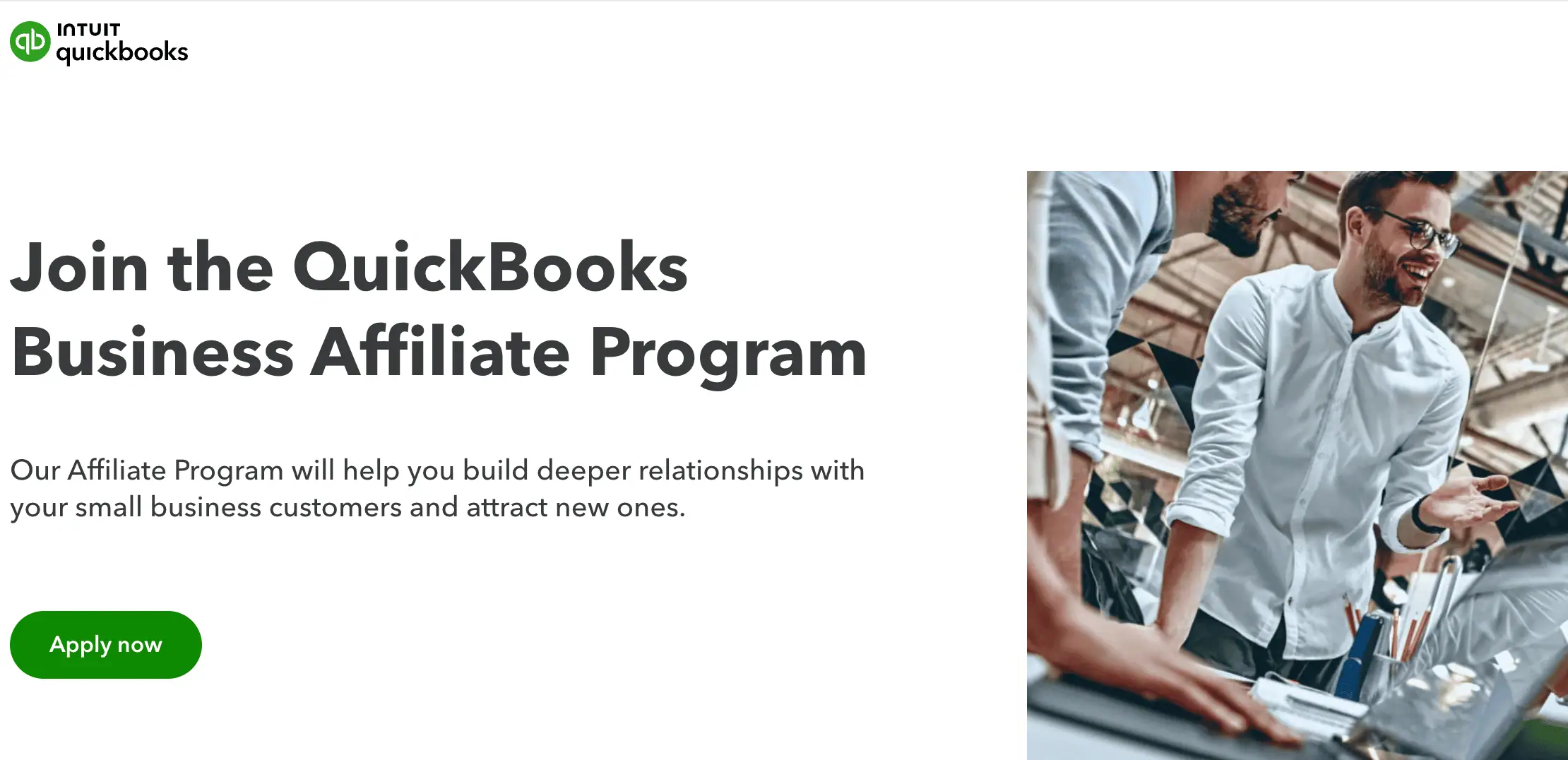
QuickBooks is more than just accounting software. They offer clients more features in finance, including tracking money and funds to build better business plans.
Managed by CJ Affiliate, QuickBooks pays their affiliates $5 per free trial account. After a free 30-day trial, affiliates will earn another $50 if customers purchase a subscription. You’ll have a 45-day cookie duration to close the deal.
This brand gives its partners access to feature sheets, key messages, and logos to promote QuickBooks. To attract more customers, special discounts will also be provided for affiliates.
|
7. Audiobooks.com
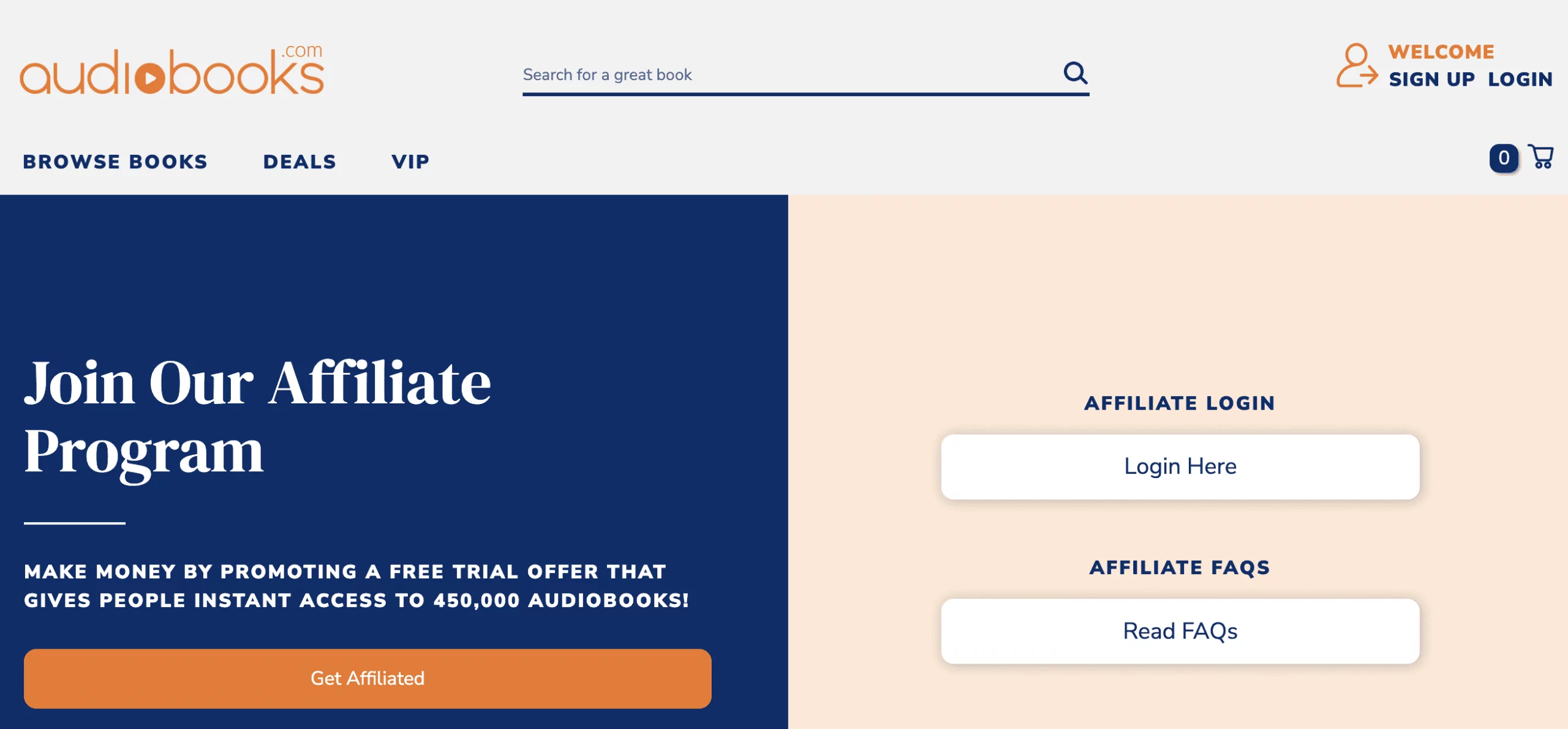
Audiobooks is among the best websites for finding audiobooks worldwide. For new customers, their 30-day free trial contains a premium book and two bonus VIP audiobooks.
Their affiliate program offers commission rates depending on the number of free trial signups:
- Basic: $15
- Silver: $18 (250+ signups per month)
- Gold: $25 (500+ signups per month)
Audiobooks pays affiliates a net of 30 days, which means they will pay payments for January at the end of February. To receive a commission, affiliates must have a minimum threshold for each payment method:
- $45 for ACH
- $100 for Paypal
- $500 for Wire transfer
Audiobooks provides various marketing tools for their partners to advertise their products. You can improve your promotion by using their links, images, banners, and special offers.
|
8. Pluralsight
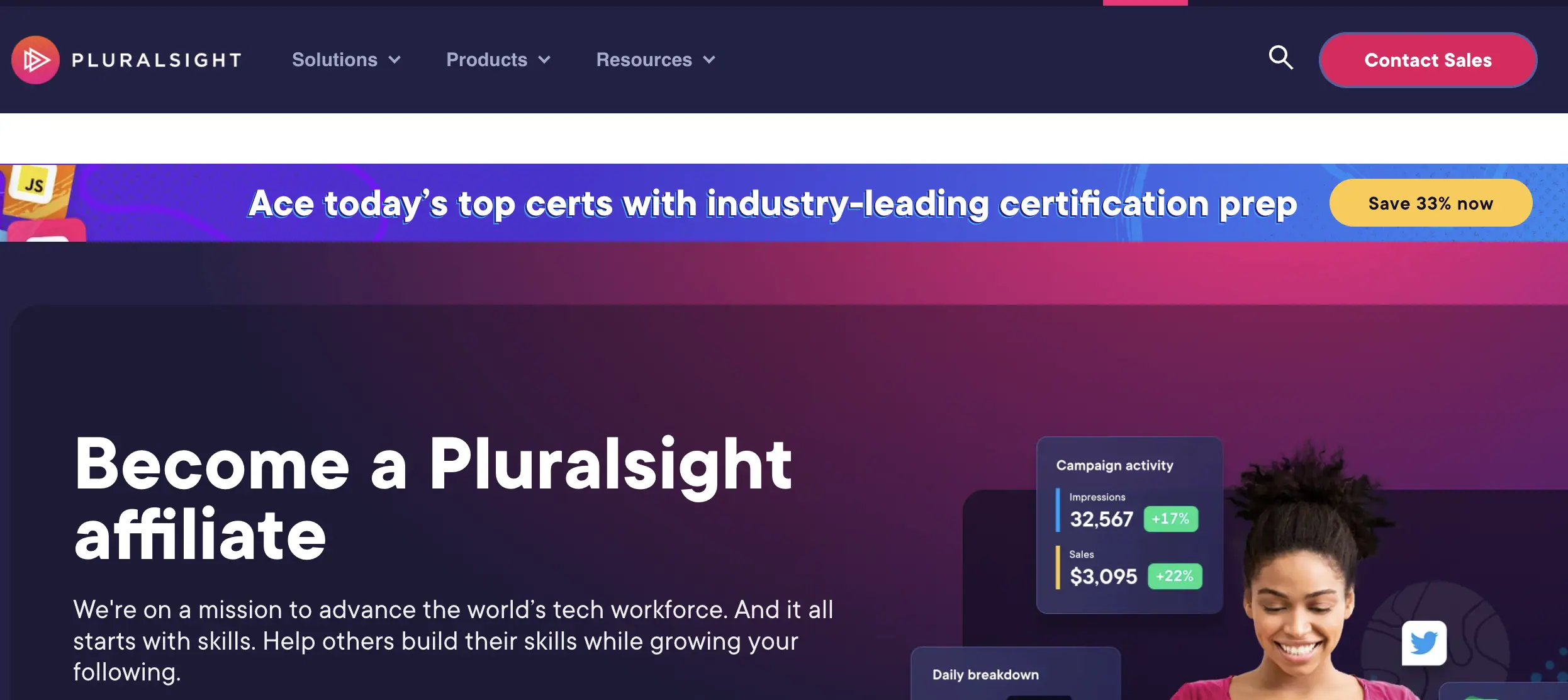
Pluralsight helps the tech workforce build their skills with video training courses for IT professionals. Their assets are available for various industries, including healthcare, finance, insurance, and so on.
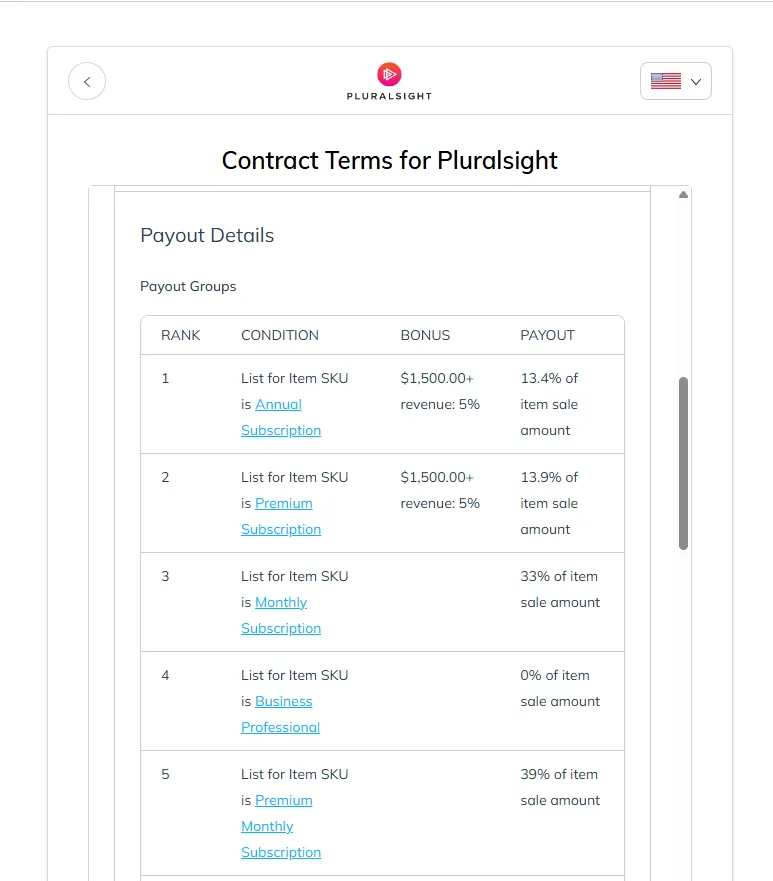
Affiliates can earn $5 per free sign-up at Pluralsight within a 60-day cookie duration. After a free trial, the commission is 15% for the annual subscription and up to 50% for monthly purchases.
Pluralsight creates trackable ads for their affiliates to monitor their traffic more efficiently. Affiliates can promote content through links on social media as well.
|
9. Brevo (Sendinblue)
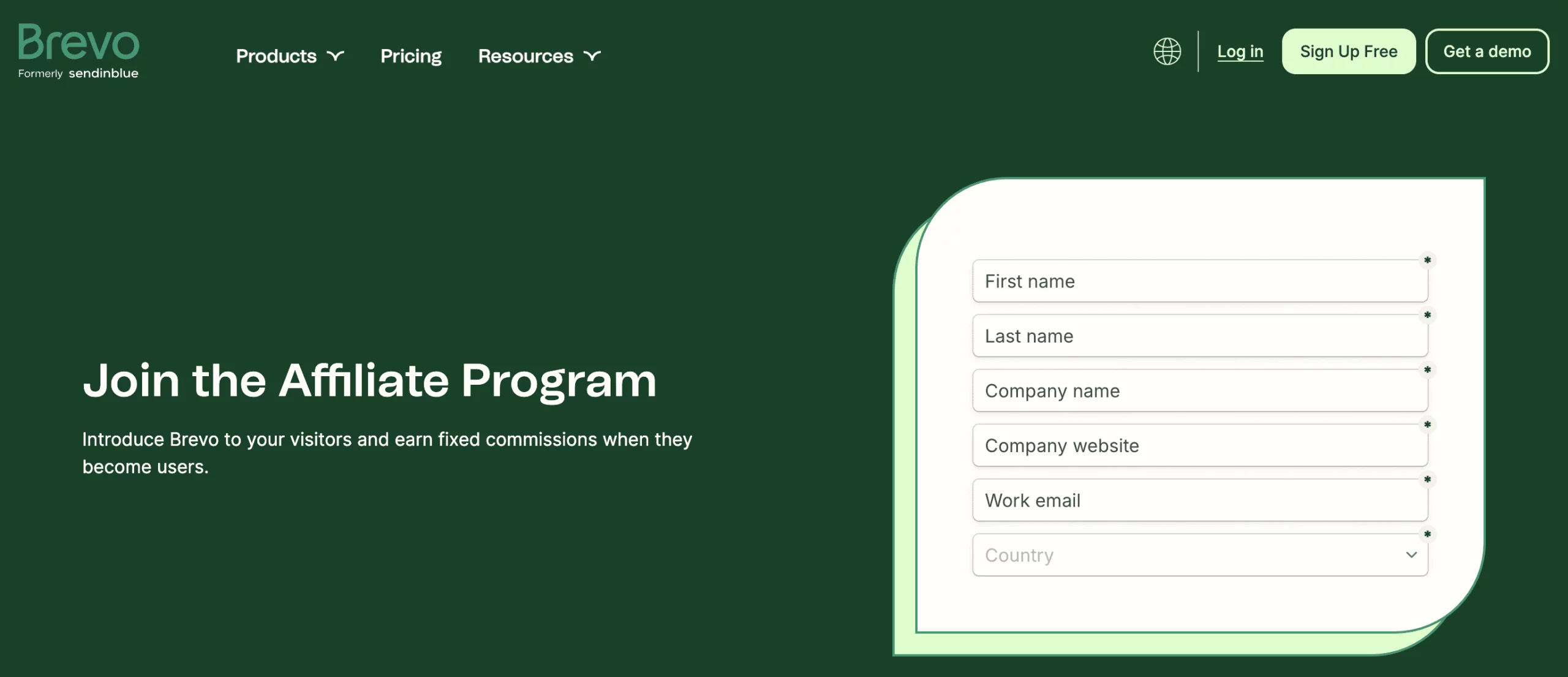
Brevo, formerly known as Sendinblue, offers a range of tools for email marketing, SMS campaigns, and customer relationship management (CRM). They enable businesses to create, manage, and optimize their marketing communications.
At Brevo, you can only get paid per sign up with 5$ after referring to at least one paying account. The cookie duration is up to 90 days to generate commission through your link.
Brevo allows their partners to promote through various marketing tools. However, you should notice that no pay-per-click campaign is permitted.
|
10. Buildium
Buildium is a property management software that helps real estate professionals manage residential and commercial properties. Their reports and analytics are designed to perfectly track your income and expenses.
Managed through Impact, Buildium rewards $10 per new registration through your affiliate link. Additionally, they have a 60-day cookie duration, which means you could earn a commission within this time.
As part of their free sign up affiliate program, you can have some promotional tools to help you increase sales. Buildium will give you their unique link, banners, and special offers to attract new free trial accounts.
|
How Do Pay Per Free Trial Programs Differ from Other Affiliate Models?
Many beginners treat all affiliate links the same. This is a mistake that leads to cash flow problems.
To succeed with Pay Per Trial (PPT), you must understand how it compares to the traditional models you know.
Standard affiliate programs pay you for a sale. Lead generation programs pay for contact info. PPT sits in the middle. It combines the high payouts of sales programs with the higher conversion rates of lead generation.
Here is the math behind the models so you can choose the right one for your traffic.
Pay Per Trial vs. Pay Per Sale (CPS): Speed vs. Lifetime Value
The biggest hurdle in affiliate marketing is the “wallet moment”—getting a user to spend money. Pay Per Sale (CPS) models force you to overcome this hurdle alone.
Pay Per Trial removes it. The merchant must close the sale after you have been paid.
In a standard CPS model (like Amazon Associates), you earn a commission—usually 5–30%—only after a sale is final. You often wait 30 to 90 days for the refund period to end before you get paid.
PPT flips this script. You earn a flat fee, often $50 to $150, the moment a user signs up for a trial. It does not matter if they ever pay later.
Comparative Breakdown:
| Metric | Pay Per Sale (CPS) | Pay Per Trial (PPT) |
| Payout Trigger | Confirmed Purchase | Credit Card Submission |
| Conversion Rate | 1% – 3% | 5% – 12% |
| Cash Flow | Slow (Net-60/90) | Fast (Often Net-15/30) |
| Risk | High (User must buy) | Low (User just tries) |
Imagine you are promoting a project management tool called “CloudCRM” that costs $99/month.
Scenario A (CPS): You earn a 20% recurring commission.
You make $19.80 per month. The user must stay subscribed for 4 months for you to earn $80.
Scenario B (PPT): You earn a $75 bounty for the free trial.
You get paid $75 immediately, even if the user cancels in two weeks.
Choose Pay Per Sale for long-term passive income from a loyal audience. Choose Pay Per Trial if you run paid ads or need immediate cash to grow your business.
Pay Per Trial vs. Cost Per Lead (CPL): Qualification vs. Quantity
PPT is the stricter, wealthier sibling of Cost Per Lead (CPL). Many marketers confuse the two because neither requires a purchase. However, the difference in user intent is massive.
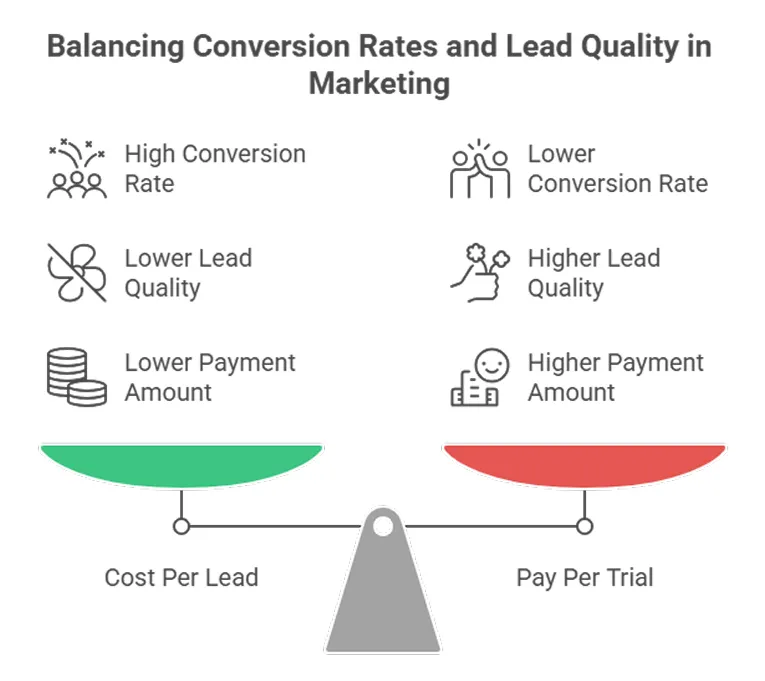
CPL programs (like insurance quotes) pay small amounts, usually $3 to $25, for an email address. Since the user does not provide payment info, conversion rates are high—often 15–25%.
PPT programs pay much more—$50 to $200—but they require a “hard conversion.” The user must enter a valid credit card to start the trial.
This step drops conversion rates to the 5–12% range, but the lead quality skyrockets.
To a merchant, a CPL lead is a gamble. Industry data shows CPL leads turn into paid customers at a rate of only 2–8%.
However, a user who enters a credit card for a trial converts to a paid subscription at a rate of 35–60%. Since the intent is higher, merchants are willing to pay you 5-10x more upfront.
My Verdict: Use CPL to build an email list or work with cold traffic. Use PPT with a “warm” audience that trusts you.
They may be ready to try a product, even if they aren’t ready to buy it today.
Pay Per Trial vs. Recurring Commission Models: Immediate Income vs. Passive Earnings
This is the biggest trade-off in affiliate marketing: do you take the cash now, or build an asset for later?
While other models change how you get paid, the choice between Pay Per Trial (PPT) and Recurring Commissions is about when you get paid.
In a recurring model, you earn less upfront but get a slice of the subscription for as long as the customer stays. In a PPT model, you get the full value of that customer immediately.
Let’s look at the math for a standard $50/month software product:
🅰️ Option A (One-Time PPT): You earn a flat $100 bounty the moment the trial starts.
🅱️ Option B (Recurring): You earn $25 upfront + $20/month for every month the user stays subscribed.
In Option A, you get $100 on Day 1. In Option B, you get only $25.
To match the $100 you would have made with the one-time bounty, that customer must stay subscribed for 4 to 5 months.
If the average user cancels after 3 months, you actually lose money by choosing the recurring model.
✅ Recurring Wins If: The user stays subscribed for longer than 6 months.
☑️ PPT Wins If: You need cash flow to cover ad costs today, or if the product has a high cancellation rate (common in competitive niches like VPNs).
Smart merchants know affiliates hate choosing. That is why “Hybrid” structures are becoming popular for top-tier programs.
In a Hybrid model, you might earn a $75 bounty for the trial lead, plus a $50 bonus if they convert to a paid user.
This lowers your risk while still rewarding you for driving high-quality customers.
My Verdict:
Choose One-Time PPT if you are targeting “deal-seekers” or running paid ads where you need to get your money back fast.
Choose Recurring if you are recommending essential business tools (like email marketing software). These users are quality-conscious and will likely stick around for years.
How Do You Select the Right Pay Per Free Trial Program?
Most beginners pick an affiliate program based on one number: the payout. If they see “$100 per trial,” they sign up fast.
But experienced marketers know a high payout is useless if the program doesn’t convert or track correctly.
Choosing a Pay Per Trial (PPT) partner involves more than just the bounty.
You need to look at the entire system. To build a steady income, evaluate the terms, the technology, and the merchant’s reputation. Here’s how I check out new programs before sending any traffic.
Evaluate Commission Structure and Payment Terms
The headline payout is just the start. To find the real profit, calculate the “Effective Commission”—a mix of the upfront bounty and backend performance.
Look for programs that offer “kickers” for quality, not just the base fee.
Base Model: Offers $75 per trial.
Performance Model: Offers $50 per trial + a $50 bonus if they become a paid customer.
The Base Model looks better at first ($75 vs $50). But if your traffic converts trial users to paid customers at a 40% rate, the math changes:
-> $50 (Base) + ($50 bonus × 0.40) = $70 Effective Commission.
If that conversion rate hits 60%, the Performance Model pays $80. Always run the numbers for your audience’s expected quality.
Before you commit, check these critical terms:
💳 Payment Schedule: Net-30 is standard (paid 30 days after the month ends). Longer terms like Net-60 can kill cash flow for paid ads.
💰 Payment Methods: Ensure they pay in a way that doesn’t cost you much. PayPal and Payoneer are common, but check for high wire transfer fees on small payouts.
⏳ Cookie Duration: A 30-day cookie is the minimum. A 60-90 day cookie is better. It gives users more time to decide before signing up.
My Verdict: The best programs offer a $75+ base payment, include performance bonuses, pay on Net-30 terms, and have a 60+ day cookie window.
Verify Tracking Accuracy and Dashboard Quality
The best offer is worthless if the tracking doesn’t work. Tracking errors can silently drain your ad budget. You might not know something is wrong until you’ve lost money.
Never send heavy traffic to a new offer without testing it yourself.
Click your own link using a different browser or device.
Complete the entire signup process.
Then, check the dashboard. Does the click show up instantly? Does the conversion appear within 24-48 hours?
If your own test signup doesn’t track, do not promote it.
A good affiliate dashboard gives you data, it doesn’t hide it. Look for these features:
Sub-ID Tracking (Crucial):
Can you tag your links (e.g., link?subid=fb-ads-campaign-1)? Without Sub-IDs, you can’t know which ad or post drove sales. This makes optimization impossible.
Granular Reporting:
You need to see clicks, trial starts, and paid conversions separately. This data also helps prove your traffic quality to the merchant.
Real-Time Updates:
Waiting 24 hours to see ad performance is too slow today. Top programs update stats almost instantly.
Avoid programs with big differences between your click tracker and their dashboard.
Also avoid those with no Sub-ID support or support that takes 5+ days to reply. A slow support team often means slow payments.
My Verdict: Work only with programs that provide real-time reporting, Sub-ID tracking, and support that responds within 48 hours.
Research Merchant Reputation and Product Quality
Once you verify the math and the tech, check the human side. You put your reputation on the line when you recommend a product. If the merchant treats customers poorly, those customers will blame you.
Run a quick background check before promoting anything.
| Evaluation Area | Key Requirement | Warning Signs | Pro Tip |
| Company Stability | Established brand with 10,000+ customers. | New startups often lack affiliate cash. | Verify founders if the brand is new. |
| Public Reviews | 4+ stars and 100+ reviews minimum. | Low review volume or poor scores. | Use G2, Capterra, or Trustpilot. |
| Ethical Standards | Clear billing and easy cancellation processes. | Charging customers after they cancel memberships. | Ignore 5-star praise; read 1-star reviews. |
Sign up for the trial yourself. Use the product like a real customer.
- Is the onboarding smooth?
- Do the core features work?
- Contact support with a basic question. If they ignore you, they will ignore the leads you send them.
- Try to cancel. If you have to call a phone number or jump through hoops to cancel, do not promote it. Your audience will hate you for it.
Email the affiliate manager and ask for their benchmarks.
Trial-to-Paid Rate: A healthy software product should convert 35–40% of trials into paid users. Anything under 25% suggests the product isn’t good.
Retention: The average customer should stay for 6+ months.
My Verdict: Avoid any program with billing disputes, high chargeback rates, or customer retention lower than 4 months.
Match Program to Your Audience and Traffic Sources
The final step is strategic alignment. A great offer promoted to the wrong audience will fail. You must match the “friction” of the trial to the “temperature” of your traffic.
❄️ Cold Traffic (SEO & Display Ads):
These people don’t know you. They have low trust. They need low-commitment trials (e.g., 7 days, no credit card required).
♨️ Warm Traffic (YouTube & Email List):
They trust you. They will tolerate standard friction (e.g., 14 days, credit card required) if you explain the value.
🔥 Hot Traffic (Product Reviews):
These users are ready to buy. They will accept high-friction trials or even paid trials (e.g., “$1 for 7 days”) because they want a solution right now.
Match the product’s cost to your audience’s budget.
For Freelancers & Students: They are price-sensitive. Stick to tools that cost under $50/month.
For Established Businesses: They care about value, not price. They convert well on premium tools costing $100–$500/month. These offers pay high commissions because the customer value is high.
My Verdict: Don’t guess—test. Pick 2-3 offers that fit your audience. Run small tests. Track the results, then cut the losers and double down on the winner.
What Are the Most Effective Ways to Promote Free Trial Offers?
Having the right offer is only half the battle. You also need to get eyeballs on it. But not all promotion channels are equal.
Some require months of patience, while others demand camera skills.
To help you choose the right path, here are the most effective ways to promote Pay Per Trial offers, ranked by potential and effort.
For Bloggers: SEO-Optimized Review and Comparison Content (8-15% Conversion)
If you are a writer with patience, SEO offers the highest return on investment over the long term.
By targeting “commercial intent” keywords, you capture users who are already looking for a solution.
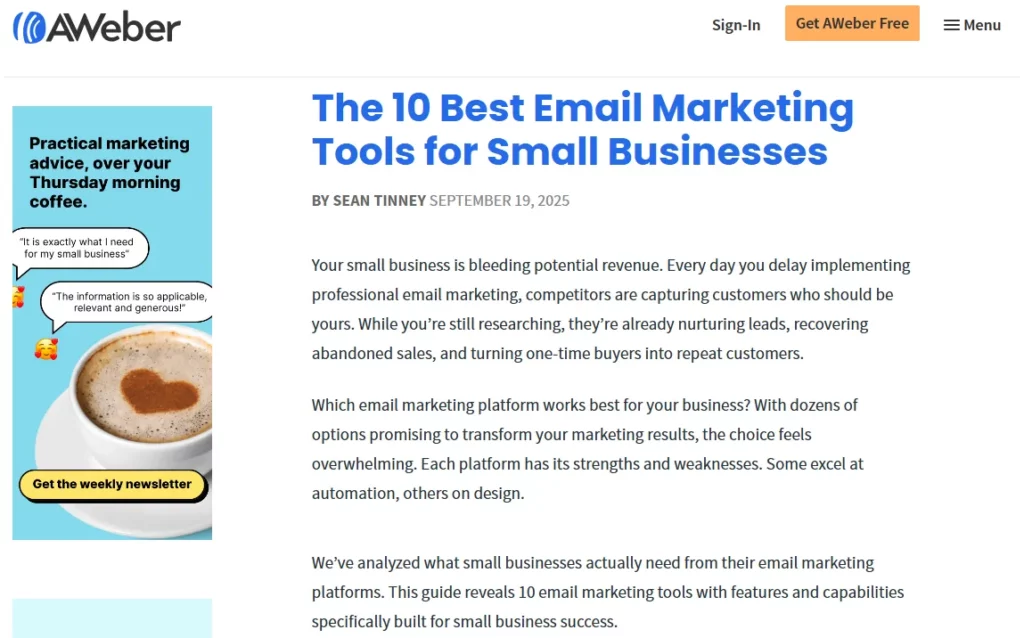
Don’t write generic articles. Focus on these three high-converting formats:
- “Best Of” Roundups: “Best Email Marketing Tools for Small Business.” (Targets users comparing options).
- Comparison Posts: “ConvertKit vs. Mailchimp: Which is Better?” (Targets users deciding between two specific tools).
- In-Depth Reviews: “My Honest Review of Semrush After 6 Months.” (Targets users looking for validation before buying).
A 500-word fluff piece won’t work. To rank and convert, aim for 1,500–2,500 words for reviews and 2,500+ words for comparisons.
Include a comparison table early in the post.
Use screenshots to prove you actually tested the product.
Add a clear “Pros & Cons” section.
Target specific keywords like “[Product Name] review.”
My Verdict: This is best for affiliates who can write well and are willing to wait 3–6 months for rankings to kick in. Once ranked, a single article can generate 50–150 trials per month on autopilot.
For YouTube Creators: Tutorial and Demo Videos (10-18% Conversion)
Video converts better than text. Seeing a tool in action builds trust faster than reading about it. That is why YouTube offers some of the highest conversion rates in the industry.
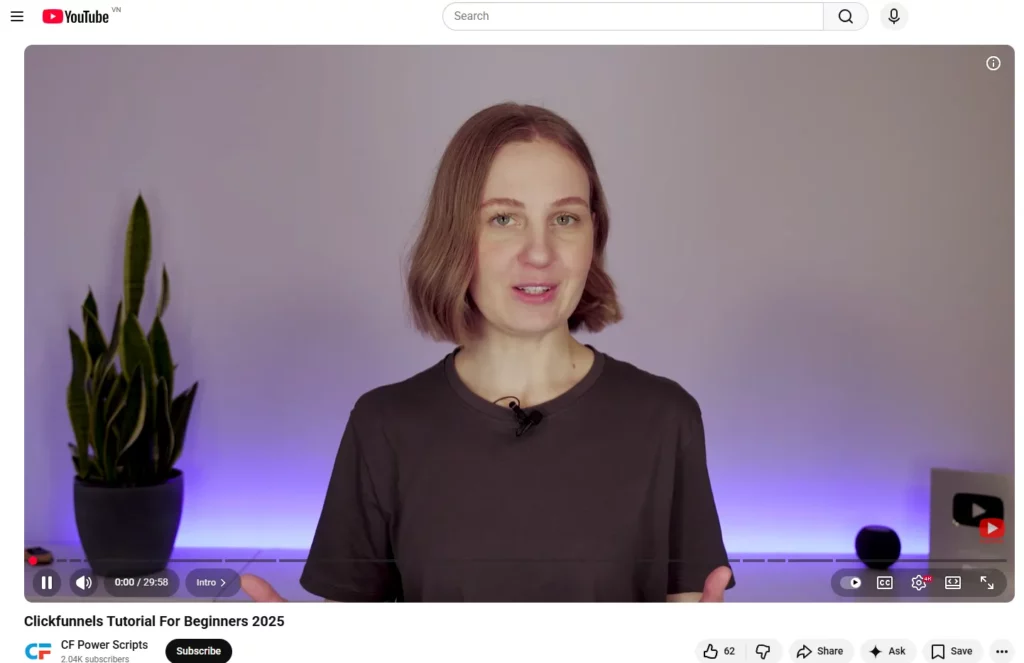
Instead of talking about features, show the user how to solve a problem using the tool.
Step-by-Step Tutorials: “How to Build a Landing Page in 10 Minutes Using ClickFunnels.”
Setup Walkthroughs: Record your screen as you sign up and set up the first campaign.
Side-by-Side Battles: Show two tools running the same task to see which is faster.
Here is the optimization checklist for your video:
- Length: Aim for 8–15 minutes for tutorials. Keep comparisons short at 3–5 minutes.
- Link Placement: Put your affiliate link in the first line of the description and in the Pinned Comment.
- Verbal CTA: Explicitly tell viewers to “check the link below for a free trial” during the video.
My Verdict: Best for creators comfortable on camera. A mid-sized channel (50k subs) can generate 200–400 trials monthly from a library of evergreen tutorials.
For Social Media Influencers: Authentic Story-Based Promotions (12-20% Conversion)
SEO answers questions, but social media sells a lifestyle.
Influencers often see the highest conversion spikes because their audience buys the person, not just the product.
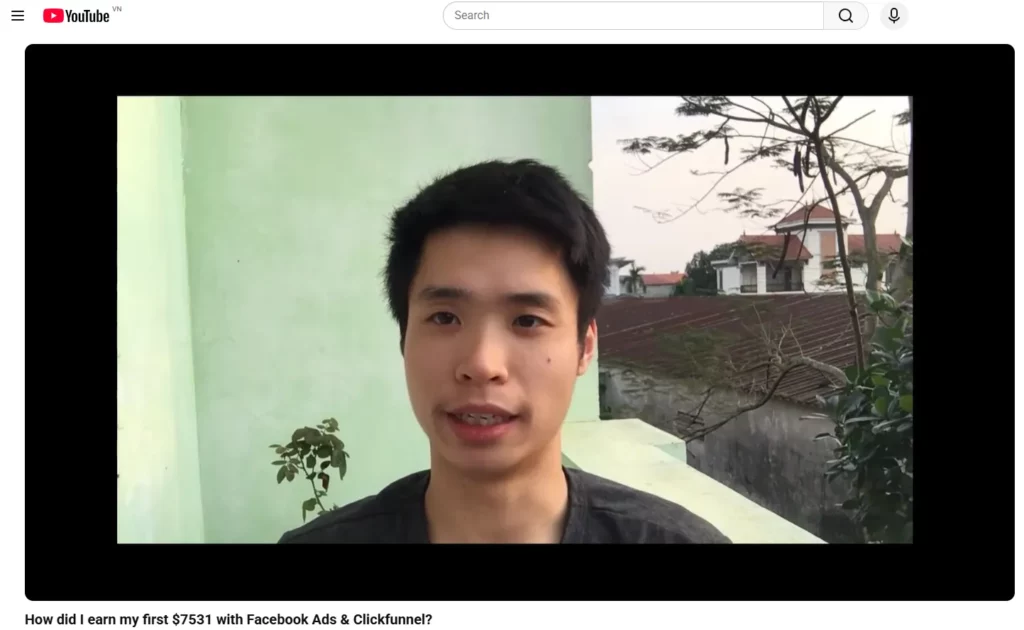
Authenticity is key—if you fake it, you lose the sale.
One-off sponsored posts rarely work. Instead, use a “Lifestyle Integration” approach:
- Instagram Stories: Document a 5-day journey using the product. Show the struggle on Day 1 and the success on Day 5.
- TikTok/Reels: Create 60-second “Quick Wins” showing a specific problem and how the tool solved it instantly.
- LinkedIn/Twitter: Write threads detailing business results. For B2B tools, numbers sell better than hype (e.g., “How this tool saved me 10 hours this week”).
Here’s how you make sure your posts have the best chance to go viral:
Link-in-Bio: Use tools like Linktree, but highlight the specific offer at the top during your campaign.
Swipe-Ups: Use sparingly. Too many links hurt your reach.
Audiences can smell a fake ad. Conversions are highest when you have clearly used the product for weeks before promoting it.
My Verdict: Best for influencers with 10,000+ engaged followers in niches like productivity or business.
A creator with 50k followers can generate 100–300 trials per campaign if the product fits their brand.
For Email Marketers: Segmented Nurture Campaigns (6-12% Conversion)
Email is the only channel you truly own. Social algorithms change, but your list stays yours. This channel offers the highest quality leads because subscribers already trust you.
Don’t just blast “Sign Up Now!” emails. Wrap the pitch inside valuable content.
- The Problem-Solution Email: Start with a personal story about a struggle. Explain how you solved it. Introduce the tool as the “secret weapon” that made the solution possible.
- The Resource Roundup: A weekly newsletter listing “3 Things I Loved This Week,” where the trial is one genuine recommendation.
- The Welcome Sequence: Automate an email in your welcome series that introduces your top 3 essential tools.
My Verdict: Best for copywriters willing to build a list slowly. A list of 20,000 subscribers typically generates 150–300 trials monthly.
More importantly, these users convert to paid customers at 45–55% (vs the 30% industry average) because of the trust you’ve built.
For Podcast Hosts: Verbal Recommendations with Promo Codes (8-14% Conversion)
Podcasting is an intimate medium. You are in the listener’s ear for 30+ minutes. This creates a deep level of trust that drives high-intent trials.
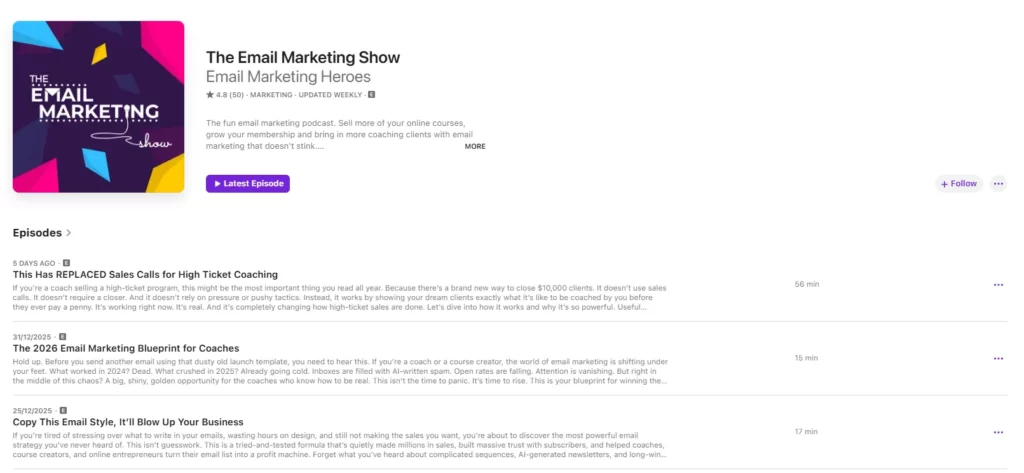
Generic ad reads get skipped. Personal endorsements don’t.
Natural Mentions: “I was struggling with this yesterday until I opened [Tool Name]…”
Mid-Roll Stories: Instead of reading a script, tell a 90-second story about how the tool solved a specific problem for you or a client.
Bonus Episodes: Interview the founder or do a “deep dive” on a strategy that relies on the tool.
Make sure your post satisfy these conditions:
- Custom Codes: Negotiate a vanity URL (e.g., tool.com/yourname) or a promo code. This is critical for tracking since listeners can’t “click” audio.
- Repetition: State the URL or code at least 3 times during the ad read.
- Show Notes: Always include the direct affiliate link in the episode description.
My Verdict: Best for hosts with 1,000+ downloads per episode in business or tech niches. A show with 10k downloads can generate 80–140 trials per mention. The conversion percentage is lower, but the user retention is exceptionally high.
FAQs
What is a pay-per-free-trial affiliate program?
An affiliate model where you earn commission when a user signs up for a free trial—no purchase required.
How much do PPFT affiliate programs pay?
Typically $1–$20 per trial, depending on niche, region, and trial quality.
Are free-trial commissions legit?
Yes, as long as the signup is real, unique, and compliant with program terms.
Do users need to enter a credit card?
Some trials require a card (higher payouts); others are no-card (lower payouts but higher conversions).
Which niches work best for PPFT offers?
Common niches include SaaS, VPNs, streaming, finance apps, and education tools.
Is pay-per-free-trial better than pay-per-sale?
PPFT converts easier but pays less per action; PPS pays more but converts slower.
How long does it take to get paid?
Usually weekly or monthly, after fraud checks and validation.
Are PPFT offers good for beginners?
Yes. Low friction makes them ideal for new affiliates testing traffic sources.
What traffic sources work best?
SEO, content marketing, social ads, email lists, and incentive-free paid traffic.
Can free-trial leads be reversed?
Yes. Invalid, duplicate, or fraudulent signups are commonly rejected or clawed back.
Conclusion
These are some of the top pay-per-free-trial affiliate programs available. They’re all free to join, eliminating any risk and increasing your chances of making successful referrals. Why not give them a try?
If any of these programs catch your interest, go ahead and sign up to start earning money today!

Ellie Tran, a seasoned SEO content writer with three years of experience in the eCommerce world. Being a part of the UpPromote team, Ellie wants to assist Shopify merchants in achieving success through useful content & actionable insights.Ellie's commitment to learning never stops; she's always eager to gain more knowledge about SEO and content marketing to create valuable content for users. When she's not working on content, Ellie enjoys baking and exploring new places.