


Chocolate is loved worldwide for its rich, indulgent flavors and is a popular choice for gifts, celebrations, and personal enjoyment. That’s why promoting chocolate can be a sweet opportunity for affiliate marketers, influencers, and bloggers.
In this article, we’ll dive into the top 11 chocolate affiliate programs, covering key details like commission structures, cookie durations, payment methods, and standout benefits. Let’s find your perfect match and start earning today!
Quick Comparison
| Program Name | Commission (%) | Cookie Duration (Days) | Niche Suitable |
|---|---|---|---|
| Chocolate.org | 12% | 270 days (9 months) | Chocolate, gifting, gourmet foods |
| Chocolate Trading Company | 7–8% | 30 days | Luxury chocolate, gifting, UK audience |
| Hotel Chocolat | 3% | 30 days | Luxury chocolate, appliances (Velvetiser), UK |
| Gourmet Chocolate of the Month Club | $12 per sale (≈10–12%) | 90 days | Subscription boxes, gifting |
| Peak Chocolate | Up to 32% | 90 days | Health, fitness, keto, wellness |
| COCO Chocolatier | 20% | 30 days | Designer chocolate, gifting, art-focused packaging |
| Venchi | 2% | 45 days | High-end luxury chocolate, Italy brand |
| Ghirardelli Chocolate | 5% | 30 days | Baking, gifting, classic US chocolate brand |
| Vosges Chocolate | 10% | 30 days | Gourmet, exotic ingredients, premium truffles |
| HuKitchen | 10% | 30 days | Healthy snacks, paleo, vegan, clean ingredients |
| Santa Barbara Chocolate | 10% | (Not specified) | Organic chocolate, gourmet, wholesale |
Affiliate Earnings Calculator
Estimate your affiliate income based on Traffic, CTR, AOV, and Commission rate. Drag the sliders below to explore different scenarios.
Estimated Results
These figures are for illustrative purposes – feel free to adjust them to fit your specific niche.
- Conversion Rate here is defined as the percentage of traffic that buys.
- Does not account for refunds, cancellations, or varying commission rates by product.
11 Must-Join Chocolate Affiliate Programs to Increase Your Earnings
1. Chocolate.org
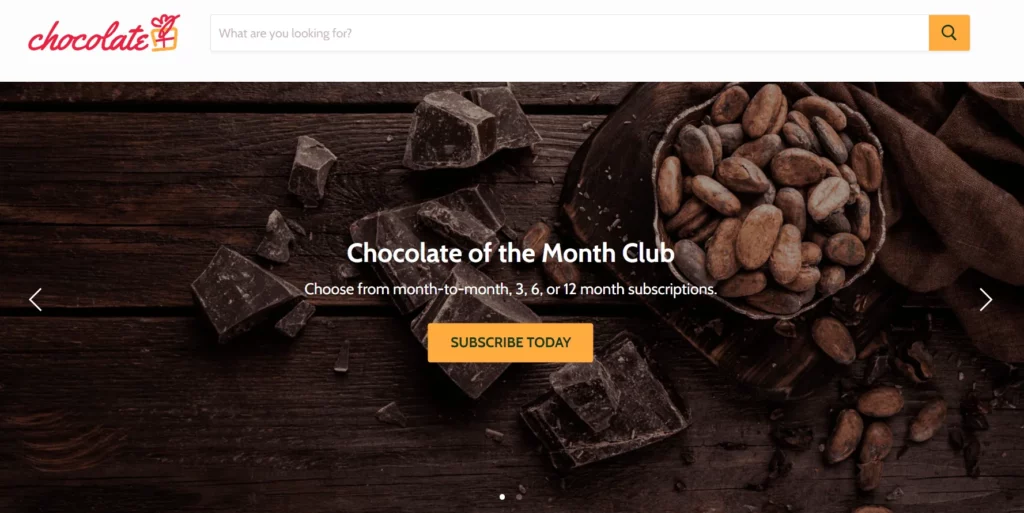
Chocolate.org sells handcrafted chocolates and gourmet gift baskets from independent chocolatiers across the USA. Their blogs also offer expert insights on different chocolate varieties, pairing suggestions, and creative ways to enjoy chocolate-based treats.
When joining their chocolate affiliate program, you will earn a 12% commission rate on every purchase you refer. The average order size of $60 will earn you around $7.2 per sale. The generous 9-month cookie period allows you ample time to earn money from referrals.
Once approved as their affiliate, you can access their well-designed creative assets and start your promotions. Their product data feeds are updated daily, ensuring you can always promote the newest and best-selling products. Moreover, you can leverage their special offers to share with your audiences and boost sales.
|
2. Chocolate Trading Company
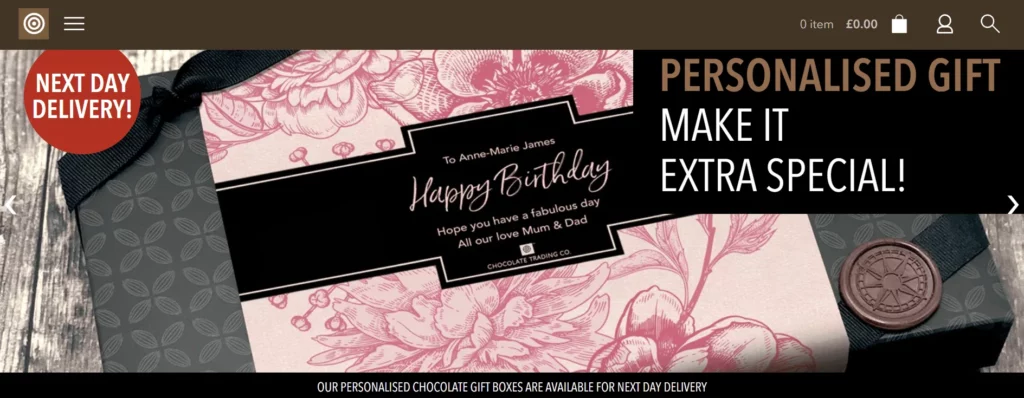
Chocolate Trading Company is a UK-based luxury chocolate retailer offering premium chocolates from around the world. They allow customers to create personalized gift boxes with custom designs and messages, making their products perfect for special occasions.
The brand pays you a 7-8% commission based on your sales volume. The higher the sales amount you refer, the greater your commission rate will be.
- £0-£100: 7%
- £100-£500: 7.5%
- £500+: 8%
You have 30 days from the customer’s initial click on your link to earn money on purchases.
You must sign in to the Awin platform to register for their chocolate affiliate program. Once you’re approved as their affiliate, the brand will give you access to your unique tracking link and special codes to share with your audiences.
|
3. Hotel Chocolat
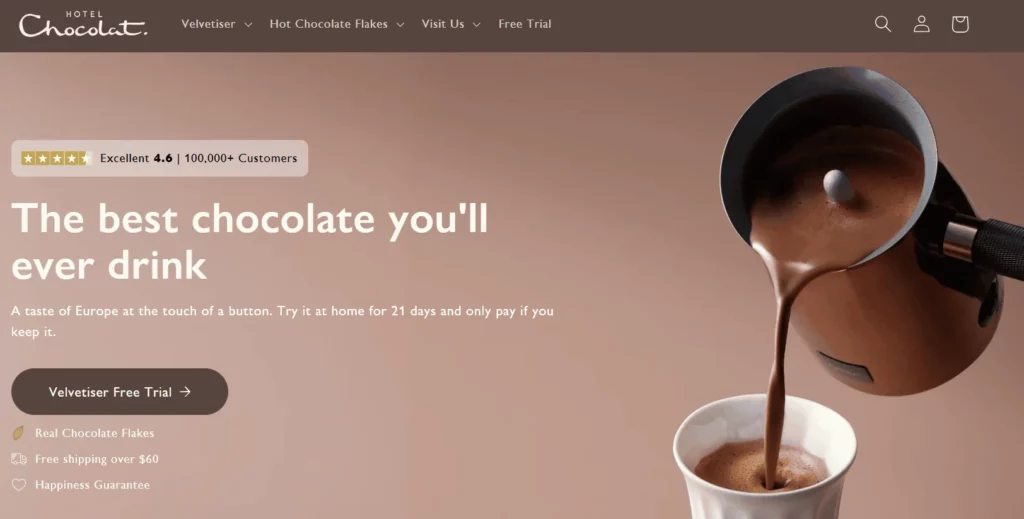
Hotel Chocolat is a British luxury chocolate brand known for growing its own cocoa and crafting premium treats. They’re best known for the Velvetiser, a sleek machine that creates smooth, barista-style hot chocolate at home.
With their chocolate affiliate program, you earn a 3% commission on every sale made through your link. The referral window is 30 days long from the visitor’s first click on your unique link.
You can add their eye-catching banners and text links to your site or blog to start promoting. They also provide an updated data feed to keep you informed about the latest products and stock availability. Plus, you can use their special promo codes during big sales to boost your results.
|
4. The Gourmet Chocolate of the Month Club
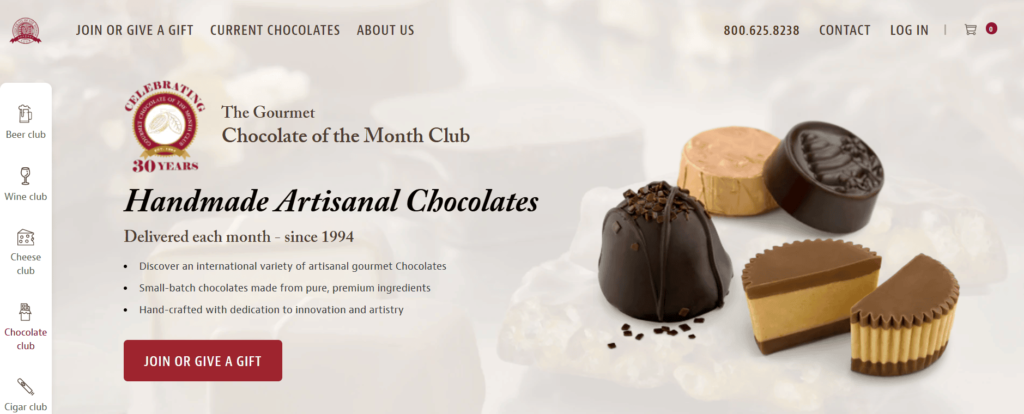
The Gourmet Chocolate of the Month Club delivers handcrafted, award-winning chocolates to members each month. Subscribers enjoy unique creations from top chocolatiers like Jean-François Bonnet, Skelligs’ Champagne Fizz Truffles, and Rabitos.
You can receive a $12 commission each time you refer a new subscriber to their club. The cookie duration lasts up to 90 days from the customer’s first click on your link.
Their chocolate affiliate program is managed through the reliable affiliate management network CJ Affiliate. You can join the program and use their ready-made banner ads and text links to start promoting their products.
|
5. Peak Chocolate
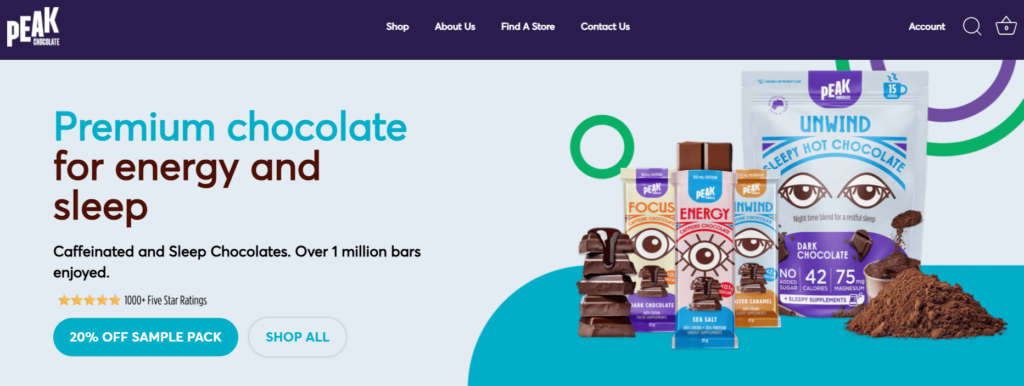
Based in Australia, Peak Chocolate offers a variety of functional chocolates designed to support specific health goals. All their products are keto-friendly, low in carbs, and made without added sugars, preservatives, or gluten.
The Peak Chocolate affiliate program offers a high commission of up to 32% on all qualified orders made through your link. The referral window is 90 days long from the customer’s initial click on your affiliate link.
You can share the brand’s 15% discount codes with your followers to encourage more purchases. Peak Chocolate also gives free chocolate samples so you can try their products and write honest, detailed reviews.
|
6. COCO

COCO Chocolatier is an Edinburgh-based chocolate company focused on the “art of chocolate.” They collaborate with artists worldwide to design unique packaging and partner with institutions such as the Tate Gallery and fashion brands like Temperley London.
Their chocolate affiliate program offers a 20% commission rate for every successful sale. They allow you to earn commissions on sales within 30 days from the visitor’s first click on your link.
There are many eye-catching creative assets for you to enhance your marketing efforts. Additionally, the brand gives you exclusive discount codes to share with your audience.
|
7. Venchi
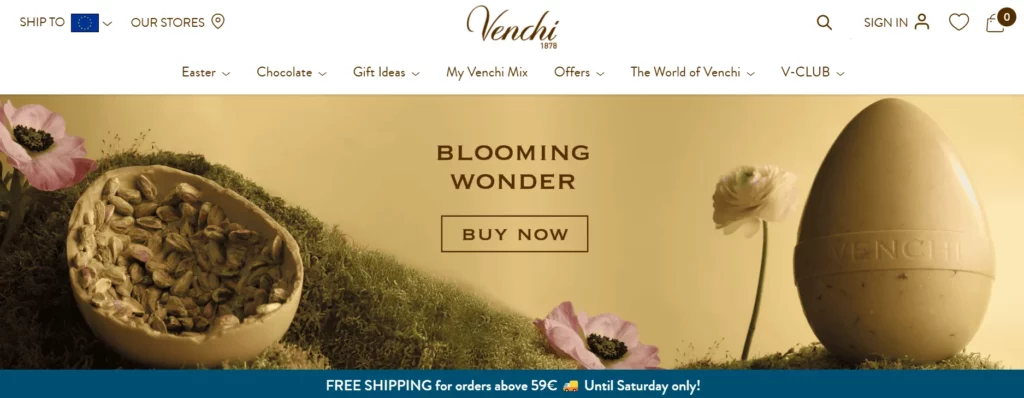
Venchi makes delicious high-end chocolates with high-quality ingredients such as Piedmont hazelnuts, pistachios, and almonds. They also offer over 90 gelato flavors and special treats, such as gourmet Easter eggs.
When you join Venchi’s chocolate affiliate program, you earn a 2% commission for every sale made through your link. The cookie lasts for 45 days after a visitor’s first click on your affiliate link.
The brand provides special promotions and flexible commission options for top-performing affiliates. It’s important to note that you can only use the coupon codes provided by the brand in your promotions.
|
8. Ghirardelli Chocolate
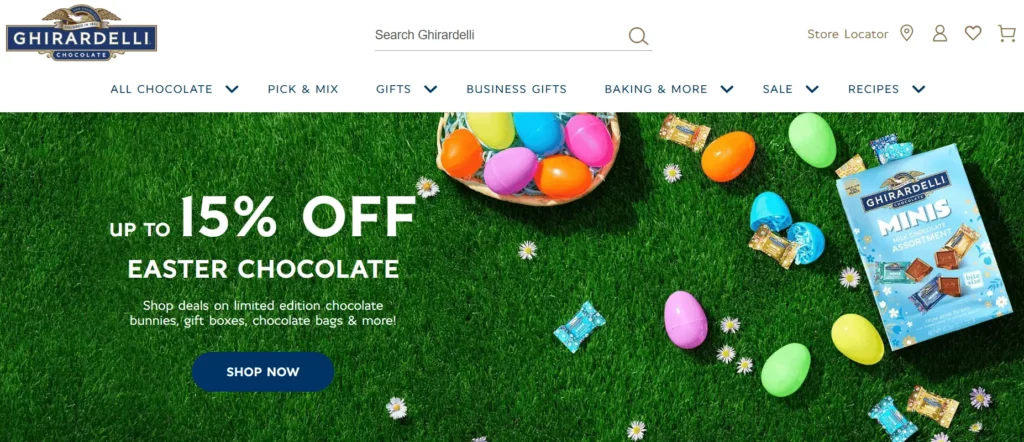
Ghirardelli Chocolate is the third-oldest chocolate company in the United States. They offer a variety of high-quality chocolate products, including bars, squares, and baking essentials, as well as ice cream sundaes and hot fudge sauces.
The Ghirardelli Chocolate affiliate program offers a commission rate of 3% for each successful order. That means you can earn $5 per sale with an average order value of $100. You’ll earn commissions on purchases within 30 days of the customer’s first click on your link.
The dedicated affiliate manager is willing to share valuable advice and expert tips to improve your performance. Moreover, you can earn attractive bonuses depending on how well your promotions perform.
|
9. Vosges Chocolate
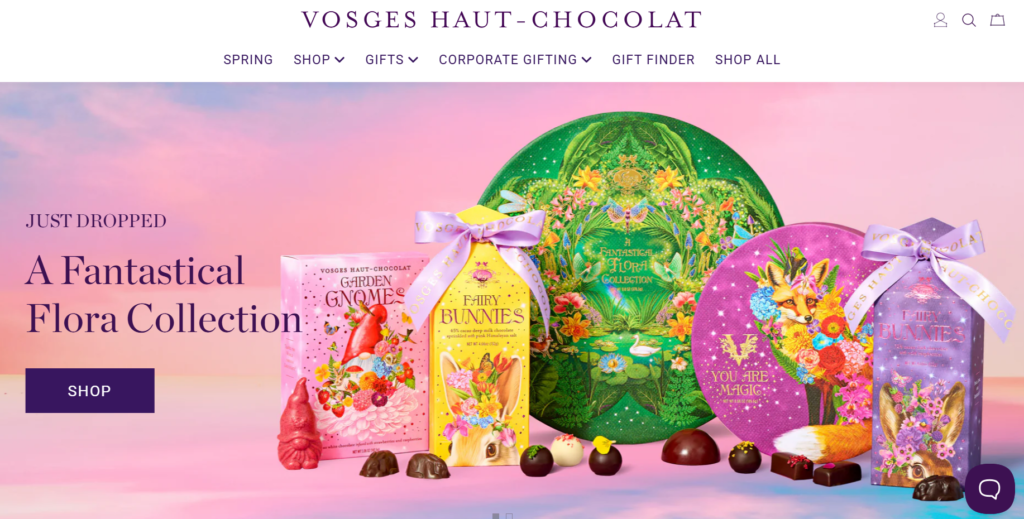
Vosges Chocolate is well-known for blending fine chocolate with exotic ingredients like herbs, spices, and flowers. Their popular Exotic Truffle and Dark Chocolate Truffle collections have unique flavors like absinthe, brown butter, and wild Tuscan fennel pollen.
When joining their chocolate affiliate program, you can get a 10% commission on sales made through your link. The 30-day referral window starts from the customer’s initial click on your affiliate link.
The brand uses the UpPromote software to run their affiliate program. You can access your affiliate dashboard to receive exclusive discounts and customized brand links.
|
10. HuKitchen
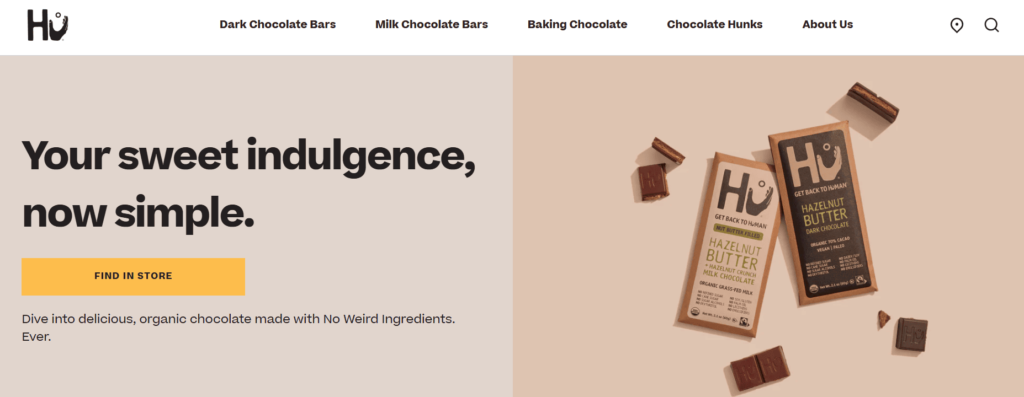
HuKitchen creates clean, simple, and healthy snacks like chocolate bars and grain-free crackers. Their products are paleo and vegan-friendly, with no refined sugar, dairy, gluten, soy, or artificial additives.
The brand pays you a 10% commission rate for successful sales you refer. The referral period will remain active for 30 days after the customer’s first click on your link.
To join their chocolate affiliate program, you need to sign up through the Rakuten Linkshare network. This platform offers a detailed dashboard where you can track your clicks, sales, and commissions at any time.
|
11. Santa Barbara Chocolate
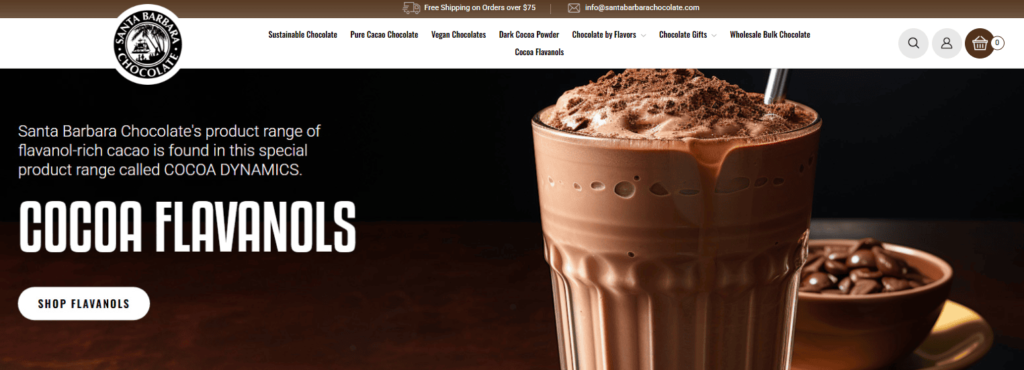
Santa Barbara Chocolate offers organic Belgian chocolates, single-origin cacao, and gourmet dark chocolates. Businesses can purchase the brand’s premium chocolates in large quantities through their convenient and cost-effective wholesale service.
The brand manages their chocolate affiliate program through the GoaffPro affiliate marketing platform. They pay you a 10% commission on every successful order you drive.
You can use the brand’s downloadable marketing creatives on your website, blog, or social media to promote their products. Besides, their automated product feeds ensure you’re always updated with the latest product information.
|
Should You Focus on Luxury, Artisan, or Mass-Market Chocolate Programs?
The decision to promote luxury, artisan, or mass-market chocolate depends entirely on your audience’s income level and buying intent.
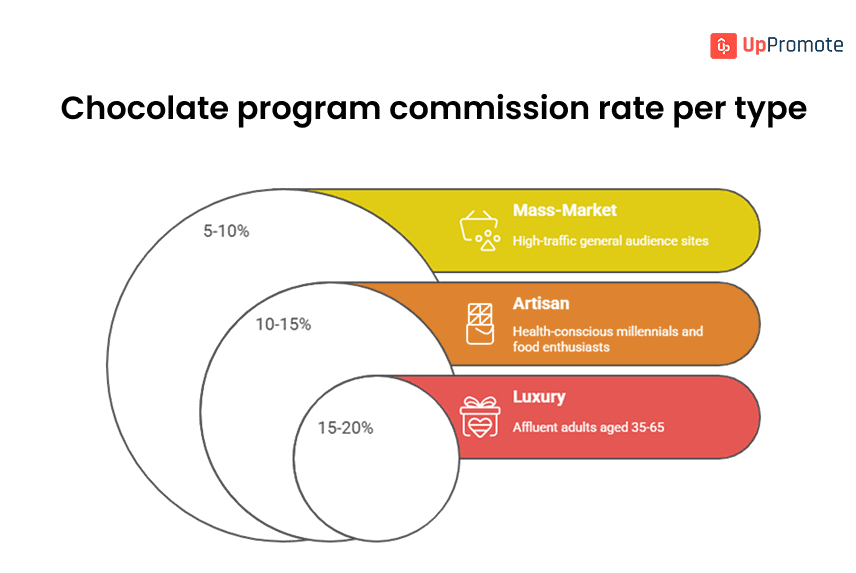
You should select luxury chocolate programs (15-20% commission, $50-$80 average order value) if your content targets affluent adults aged 35-65 with significant disposable income.
Artisan chocolate programs (10-15% commission, $35-$50 AOV) work best for health-conscious millennials and food enthusiasts.
Mass-market programs (5-10% commission, $25-$35 AOV) fit high-traffic general audience sites where sales volume makes up for lower commission rates.
Which one sounds like your audience?
The Case for Luxury Programs: High Commission, Smaller Audience
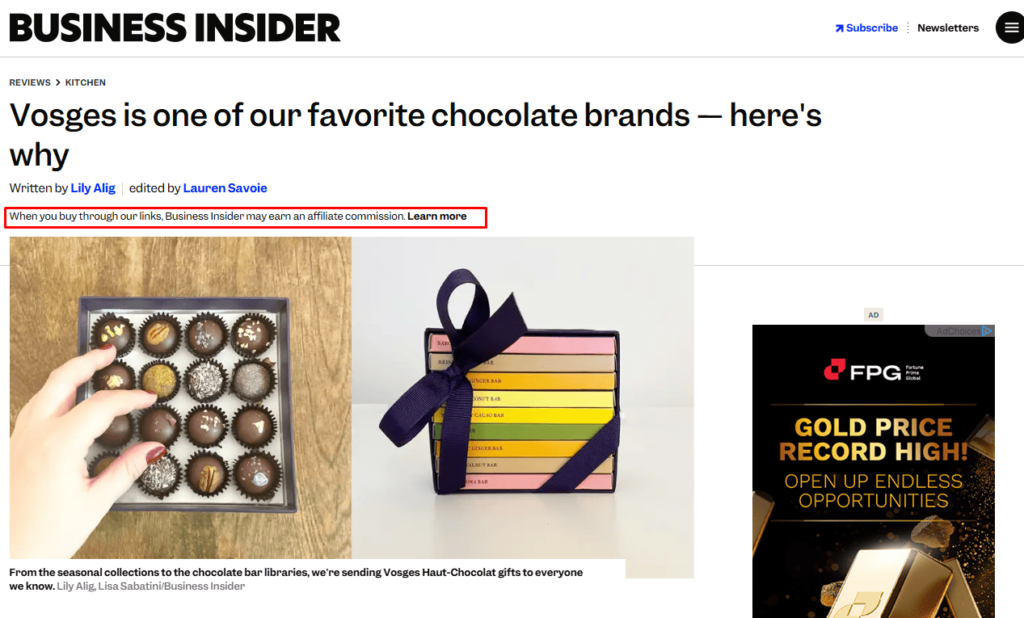
Luxury chocolate programs—Vosges (20%), La Maison du Chocolat (15%), Hotel Chocolat (10%)—work best for established blogs with affluent readers earning over $100,000 annually.
These programs thrive on luxury lifestyle platforms, gourmet food sites, wedding blogs, and high-end gift guides.
The advantage is simple: big earnings per transaction. You can make $13 to $16 per sale. Premium products also help you stand out from competitors pushing the same mass-market brands.
But here’s the catch: the market is smaller.
Far fewer people search for “$80 chocolate box” compared to “$25 chocolate gift.” Brand awareness for niche luxury houses is often lower than household names, so you’ll need to educate readers.
Success depends on traffic quality, not quantity—1,000 targeted visitors beat 10,000 random ones.
To win here, focus on detailed product photography, chocolate pairing guides, and corporate gifting content.
Artisan Programs: Balancing Commission and Conversion
Artisan chocolate programs—Cacao & Cardamom (10% commission), Chococo (6% commission), and Thor’s Chocolate (10-15% commission) —occupy the middle ground.
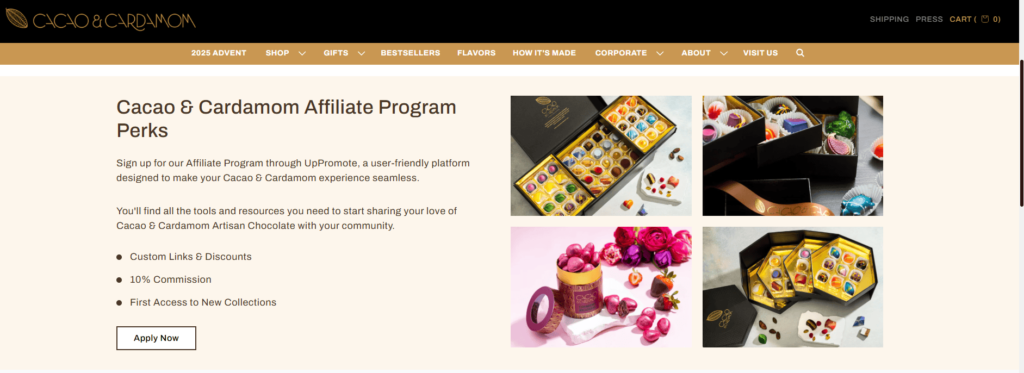
These work best on food blogs targeting millennials aged 25-45, health and wellness sites, and platforms focused on sustainable living or specialty diets.
The strength? Niche passion.
Artisan chocolate fans care deeply about product origins.
This lets you create compelling content around brand stories like bean-to-bar processes and ethical sourcing.
With prices between $35 and $50, you get healthy commissions with reasonable conversion rates.
The trade-off is lower search volume than mainstream brands.
The content space is also competitive—many food bloggers cover the same artisan makers. Authenticity matters here. This audience spots fake promotions instantly.
Your best content: brand story features, sourcing deep-dives, flavor comparisons, and pairing guides that emphasize origin and terroir.
Mass-Market Programs: A Volume-Based Strategy
Mass-market programs—Godiva (8-12%), Amazon (3%), subscription boxes—drive high-traffic blogs with over 20,000 monthly visitors.
These fit general interest sites, mainstream gift guides, and recipe blogs.
The big advantage? Conversion efficiency. A recognizable brand like Godiva converts two to three times better than an unknown luxury brand. Search volume is massive—”Godiva chocolate” gets roughly 50 times more searches than niche competitors. Familiar checkout processes also reduce cart abandonment.
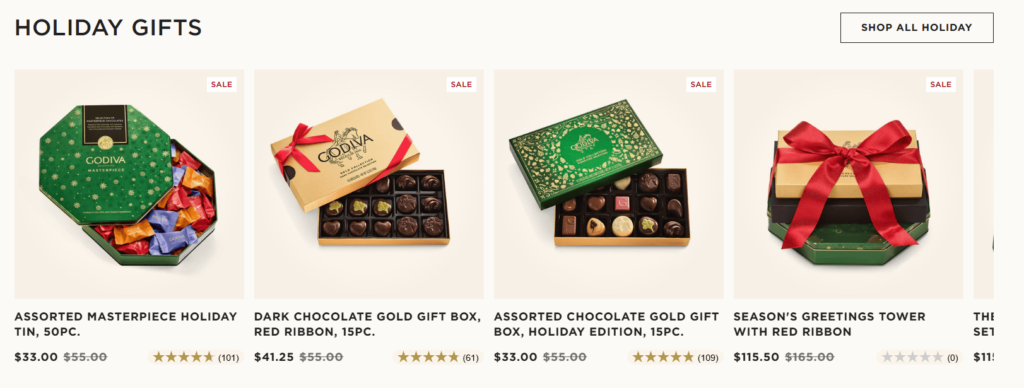
However, earnings per sale are the lowest: $2.40 to $4.00. Competition is fierce. Hundreds of blogs promote these same programs.
Amazon’s short 24-hour cookie severely limits earnings from delayed purchases.
To make real money here, you need high traffic volume.
Focus your content on broad gift guides, large comparison posts featuring 10-15 brands, and seasonal roundups.
The Hybrid Approach (Recommended)
We’ve worked with 160.000+ Shopify merchants running affiliate programs.
Here’s the pattern we see in their affiliate selection repeatedly: the most profitable blog-based affiliates use a tiered hybrid approach.
A successful “Valentine’s Chocolate Guide” should include:
-
two to three luxury brands in a “Premium Picks” section for affluent buyers (15-20% commission),
-
four to five artisan brandsf as “Our Favorites” for food enthusiasts (10-15% commission),
-
and three to four mass-market options for “Budget-Friendly” shoppers (8-12% commission).
This captures every wallet size. One reader buys a $75 Vosges box. Another chooses a $42 Hu set. A third grabs a $22 mixed box. You earn from all three instead of just one.
Our data shows a well-structured hybrid guide averages $20.66 in total commissions across different buyer types, compared to just $2.80 if you only promote a single mass-market brand.
Why leave money on the table?
Bottom line: Don’t choose just one tier—stack them.
A single gift guide featuring luxury, artisan, and mass-market options captures every buyer’s wallet size and maximizes revenue per article.
Using Audience Signals to Choose Your Focus
To determine which tier should be your primary focus, analyze your existing audience signals.
Demographics matter. Readers aged 45-65 tend to lean toward luxury. Those aged 30-45 favor artisan. The 18-30 demographic prefers affordable mass-market options.
Income indicators in comments or questions are telling. Readers asking for “$100 gift ideas” signal luxury intent. Those seeking “best value” want mass-market solutions.
Geographic data guides strategy too. Urban coastal readers in cities like NYC or San Francisco often convert better for luxury and artisan offers. Suburban and rural readers prefer accessible mass-market brands.
Traffic sources reveal preferences. Pinterest traffic often skews toward the aesthetic appeal of artisan brands. Email subscribers are generally more engaged and willing to purchase luxury items.
A Strategy for Testing
Not sure which tier fits your audience? Here’s how to find out.
Start with a comprehensive gift guide in Month 1 that features all three tiers equally.
Over Months 2 and 3, use UTM parameters or program analytics to track exactly which sections get the most clicks and conversions.
In Month 4, use this data to refine your next seasonal piece.
Here’s a real example: One of our affiliates found that their luxury section received only 20% of clicks but generated 45% of total revenue.
The mass-market section got 50% of clicks but only 25% of revenue. They shifted focus toward luxury content.
The metric that matters most is revenue per click, not total clicks.
What Are Realistic Earnings from Chocolate Affiliate Programs?
Realistic monthly earnings for chocolate affiliates range from
-
$150 to $400 for beginner bloggers (1,000–3,000 monthly visitors),
-
rising to $600–$2,000 for intermediate publishers (10,000–25,000 visitors),
-
and reaching $3,000 to over $8,000 for established sites (50,000+ visitors).
Here’s the reality: 60% to 75% of annual income happens during the fourth quarter (October through December) due to holiday gifting.
Beginner Earnings (1,000–3,000 Monthly Visitors)
For a new food blog, earnings are modest but can spike during key holidays.
A site with 2,000 monthly visitors might generate around 100 clicks to affiliate links.
At a standard 5% conversion rate and a $45 average order value with 12% commission, baseline income is roughly $27 per month.
But this ignores seasonality.
A targeted “Valentine’s Day Chocolate Guide” that ranks on the second page of Google might attract 500 specific visitors in February, creating a quick sales spike.
We’ve worked with dozens of beginner affiliates through UpPromote Marketplace.
Here’s the pattern: beginners quit in months 2-4 when they’re earning $20-$50, not realizing they’re 8 weeks away from Valentine’s Day when that same blog could spike to $400.
Patience through the off-season separates winners from quitters.
Expect $20 to $50 during off-peak months. By building six to eight seasonal posts, you can realistically target $150 to $400 during peak gifting periods.
Intermediate Earnings (10,000–25,000 Visitors)
As a blog establishes authority, traffic and trust compound to drive higher revenue.
An intermediate site with 15,000 monthly visitors and a dozen chocolate posts can expect roughly 500 targeted affiliate clicks a month.
With a 4% conversion rate and a $50 AOV, this yields baseline income of about $120 per month ($1,440 annually).
December changes everything.
During the holiday season, traffic often doubles. Conversion rates frequently jump to 6% as purchase intent rises. That same blog might earn $432 in December alone.
Annual earnings for this tier land between $2,000 and $2,500, with the majority realized between October and December.
Advanced Earnings (50,000+ Visitors)
For mature publications, traffic volume allows significant revenue generation.
A site with 75,000 monthly visitors and extensive chocolate content can generate 2,500 clicks monthly.
At a 5% conversion rate and a $55 AOV across mixed programs, baseline monthly earnings sit around $756.
This is where 40% of your annual income happens.
Q4 provides a massive multiplier effect. As traffic scales to 120,000 visitors and conversion rates hit 7%, December earnings alone can exceed $2,100.
This places annual revenue in the $12,000 to $15,000 range.
At the very top tier, publishers with over 200,000 visitors and strong email lists (20,000+ subscribers) can generate between $25,000 and $40,000 annually from chocolate partnerships alone.
Revenue Variables That Impact Earnings
Actual income varies significantly based on strategy, not just traffic volume.
Traffic quality is a major factor. A visitor arriving via a specific Pinterest pin about “gourmet gifts” converts two to three times better than a random Google searcher.
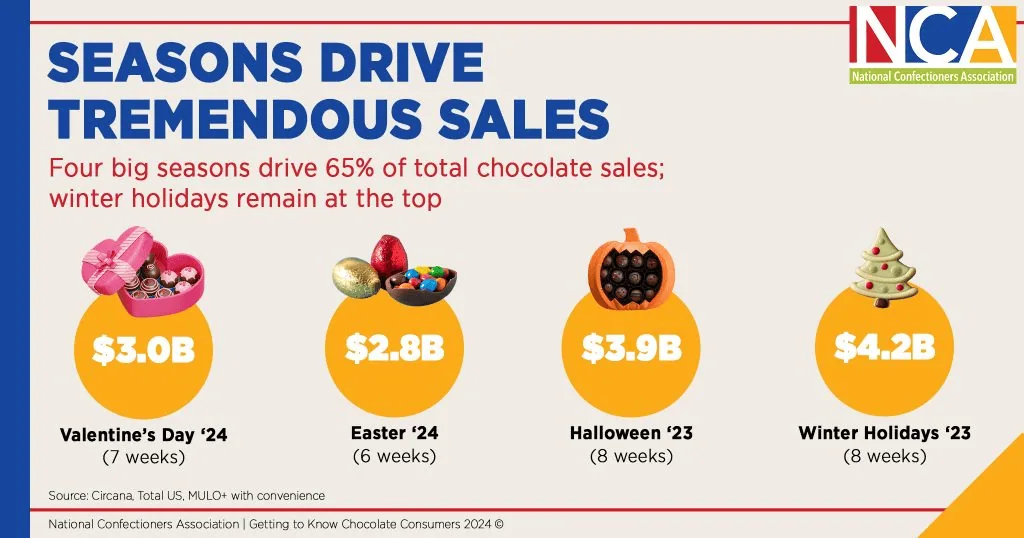
Seasonality is unavoidable—64% of sales occur between October and March, or in other words, throughout the 4 big seasons: Valentine’s Day, Easter, Halloween, and the winter holidays
Program mix dictates profitability. Promoting luxury brands at 15% commission is far more lucrative than relying on Amazon’s 3% rates.
Content type matters equally. Dedicated gift guides convert at double the rate of recipe posts containing incidental product links.
A blog with 15,000 visitors focusing on luxury gift guides could earn $600 monthly. A peer with identical traffic focusing on recipes and Amazon links might only earn $200.
Calculating Your Potential
To estimate your specific potential, use this formula: multiply your Monthly Visitors by a 3% Click-Through Rate, a 4% Conversion Rate, a $50 Average Order Value, and a 12% Commission.
Finally, multiply that total by 1.5 to account for the Q4 seasonal spike.
For example, a site with 10,000 visitors would generate roughly 300 clicks and 12 sales, resulting in $72 in base commission.
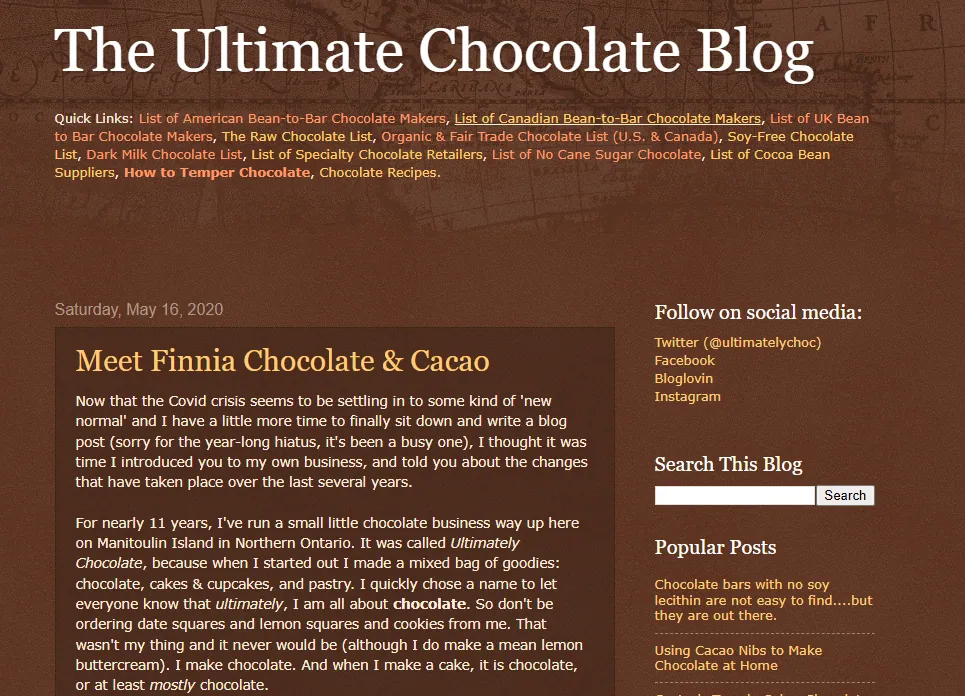
After applying the seasonal factor, the average smooths out to roughly $108 per month ($1,296 annually).
Adjust these variables based on your niche. A luxury focus might raise your AOV to $70 and commission to 15%. A recipe focus might lower your conversion rate to 2.5%.
My take: If you have under 10,000 visitors, focus on building traffic first.
Once you hit that threshold, shift energy to program mix optimization—that’s where earnings jump 2-3x without adding traffic.
What Types of Content Work Best for Chocolate Affiliate Marketing?
The seven highest-converting content types for chocolate affiliate marketing are seasonal gift guides (8-12% conversion rates), product comparison posts (6-8%), “best chocolate” roundups (6-9%), chocolate pairing guides (5-7%), subscription box reviews (5-7%), recipe content (4-6%), and educational posts (3-5%).
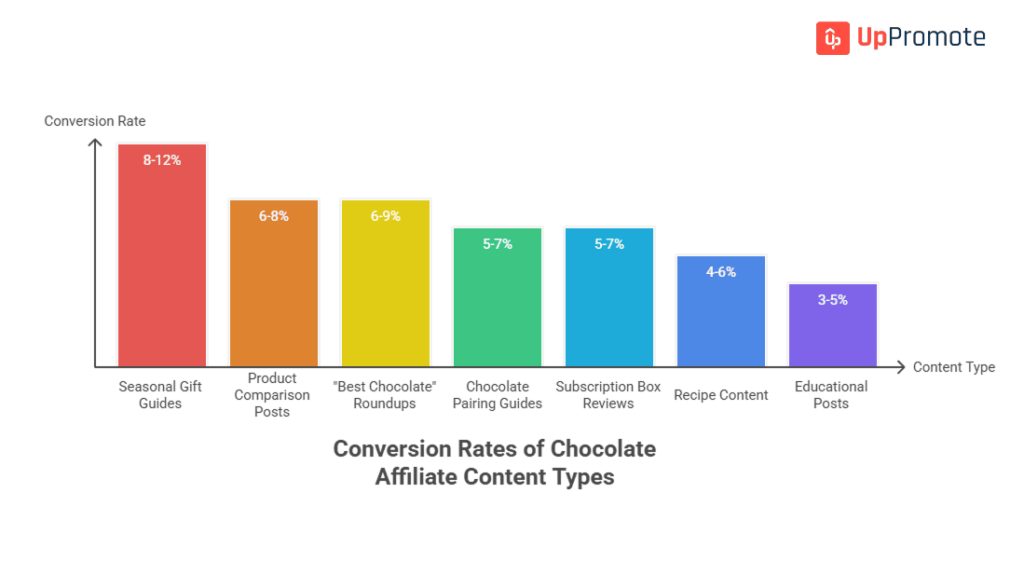
Notice a pattern? The content closest to a buying decision converts hardest.
A balanced strategy uses all seven formats to capture readers at different stages of the buying journey.
Seasonal Gift Guides: The Highest Converters
Seasonal gift guides are the most profitable assets in a chocolate affiliate’s portfolio. They consistently convert at 8-12% during peak months because reader intent is explicitly transactional.
Articles like “Valentine’s Day Chocolate Gifts for Her,” “Mother’s Day Chocolate Gift Boxes,” or “Christmas Chocolate Gifts Under $50” capture readers actively looking to spend money.
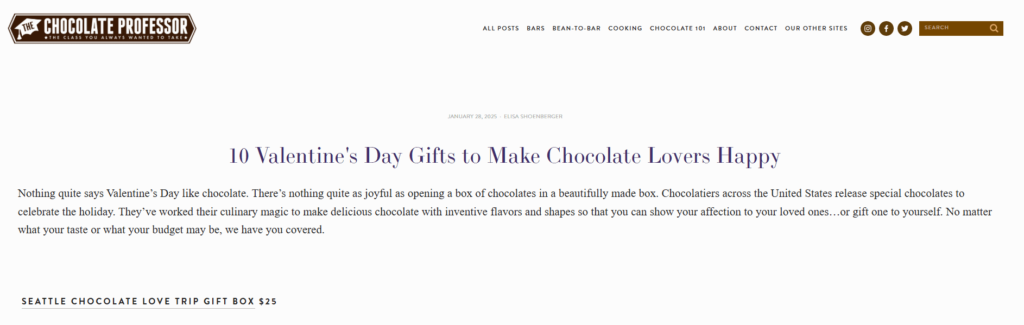
Timing is everything.
Content must be published six to eight weeks before the occasion—October for Christmas, December for Valentine’s, March for Mother’s Day—to capture early planners and establish search rankings.
An effective guide should feature 15 to 20 options across distinct price points.
Start with a “Luxury Options ($75+)” section featuring 4-5 high-end brands to establish credibility.
Follow with “Mid-Range Favorites ($30-$75)” for the core audience. Include “Budget-Friendly ($15-$30)” choices to ensure accessibility.
Each entry needs a concise 50-100-word description highlighting who the gift is for, what makes it special, and the price point.
Product Comparison Posts
Comparison posts—”Godiva vs. Lindt: Which Luxury Chocolate Is Worth the Price?” or “5 Artisan Chocolate Brands Ranked”—convert at 6-8% by directly addressing a purchasing decision.
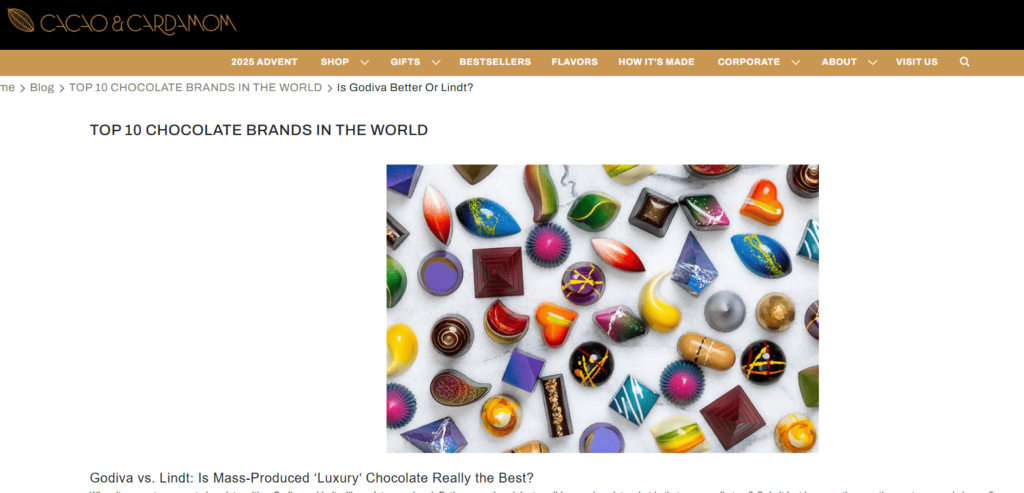
Unlike seasonal content, these posts drive steady year-round traffic by targeting high-intent keywords like “vs,” “review,” and “which is better.”
To maximize conversions, use structured comparison tables that evaluate price, flavor variety, shipping costs, and uniqueness. Following the table, provide a detailed 200-300 word analysis per brand.
Including personal experience—”I taste-tested 12 dark chocolate bars from these 6 brands”—adds authenticity that pushes hesitant buyers toward purchase.
“Best Chocolate” Roundups
Articles like “15 Best Dark Chocolate Bars You Can Buy Online” or “Best Vegan Chocolate Options” convert between 6-9% while capturing bottom-of-funnel traffic.
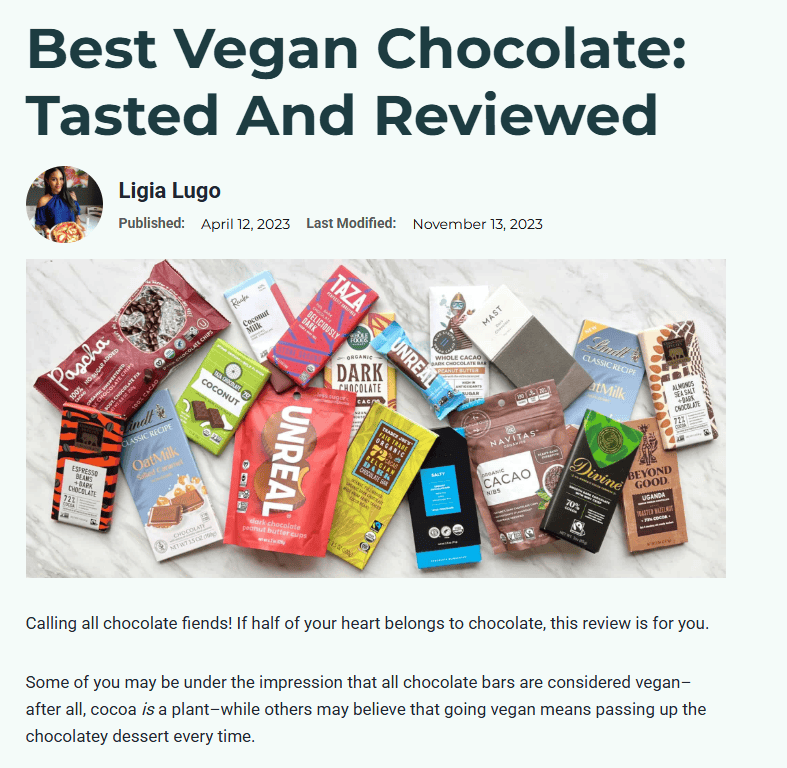
These posts are SEO powerhouses. They rank for high-volume keywords (10,000–50,000 monthly searches) and maintain positions for years with occasional updates.
One of our UpPromote affiliates published a “Best Dark Chocolate Bars” roundup in 2022.
Three years later, with zero updates, it still drives 800 monthly visitors and generates $120-$180 per month in commissions.
That’s the power of evergreen ranking—one article, permanent revenue.
The most effective structure: a detailed introduction on testing criteria, followed by 10-15 product reviews of 150-200 words each.
These reviews should clearly outline tasting notes, pros and cons, and the ideal consumer profile.
Update these lists every 6 to 12 months with new product releases to maintain “freshness” signals for search engines.
Chocolate Pairing Guides
Pairing guides convert at 5-7% by targeting a sophisticated, affluent demographic willing to spend more on an experience.
Articles like “What Wine Pairs Best with Dark Chocolate” or “The Ultimate Coffee and Chocolate Pairing Guide” position chocolate as entertainment rather than a simple snack.
This content is powerful for cross-promotion. Link to a chocolate partner and a wine or coffee program in the same paragraph. You can potentially double commission per reader.
The ideal structure: an introduction to flavor science, followed by 10-15 specific combinations with purchase links for both items. This effectively targets food enthusiasts and hosts aged 35-55.
Subscription Box Reviews
Subscription box reviews convert at 5-7% by solving “decision paralysis” for readers overwhelmed by options.
Content like “I Tried 5 Chocolate Subscription Boxes: Here’s My Honest Review” works best when documenting a genuine multi-month testing process.

Unboxing videos embedded within the blog post perform exceptionally well. They provide visual proof of value.
A comprehensive review should cover price, unboxing experience, taste quality, and a final verdict categorizing boxes by “Best for Luxury,” “Best Value,” or “Best for Gifting.”
Recipe Content Strategy
Recipe content converts at a lower rate (4-6%) compared to gift guides, but it generates significantly higher traffic volume—often 5 to 10 times more.
A post like “Best Chocolate for Baking: 7 Options for Brownies” drives massive awareness.
The strategy: advocate for ingredient quality. Explain that “Ghirardelli’s higher cocoa butter content creates a silkier texture than generic chips.” This encourages readers to upgrade their purchase.
While Amazon links provide convenience, direct links to artisan chocolate makers appeal to serious bakers.
Recipes are excellent for building email lists. Offer a “10 Chocolate Desserts PDF” download. Market higher-converting offers to those subscribers later.
Chocolate Education Content
Educational posts like “How Chocolate Is Made: Bean-to-Bar Process” or “Single-Origin vs. Blend Explained” convert at 3-5%.
Simple, right?
These rates are lower, but this content attracts top-of-funnel traffic that builds authority and warms readers up for future purchases. These articles rank well for informational queries with high search volume.
They serve as the entry point to your site. Funnel readers toward commercial content: “Now that you understand cacao percentages, shop my top-rated dark chocolates here.”
This approach is particularly effective for artisan brands. Readers interested in food origins are naturally more inclined to buy premium craft chocolate.
Bottom line: Seasonal gift guides and comparison posts are your revenue drivers (60-70% of income). Everything else builds authority and feeds your email list for future promotions.
When Are the Best Times to Promote Chocolate Affiliate Programs?
The five highest-earning periods for chocolate affiliate marketing are the Q4 holidays in November and December (35-40% of annual income), Valentine’s Day in January and February (25-30%), Mother’s Day in April and May (10-15%), Easter in March and April (8-12%), and the Halloween season in October (5-8%).
Together, these five windows generate nearly all annual chocolate affiliate revenue.
The summer months of June through August often produce near-zero earnings due to melting concerns and lack of gifting occasions.
Q4 Holiday Season (Peak Earning Period)
The fourth quarter generates 35-40% of total annual income. December alone often accounts for nearly a third.
The massive volume of holiday gifting—from stocking stuffers to corporate client packages—drives traffic increases of 300-400% compared to baseline months.
Conversion rates jump from a standard 4% to an impressive 8-10% as buyer intent solidifies.
Average order values surge by 40-50%, rising from $45 to $65-$70, because buyers frequently purchase multi-item gift boxes.
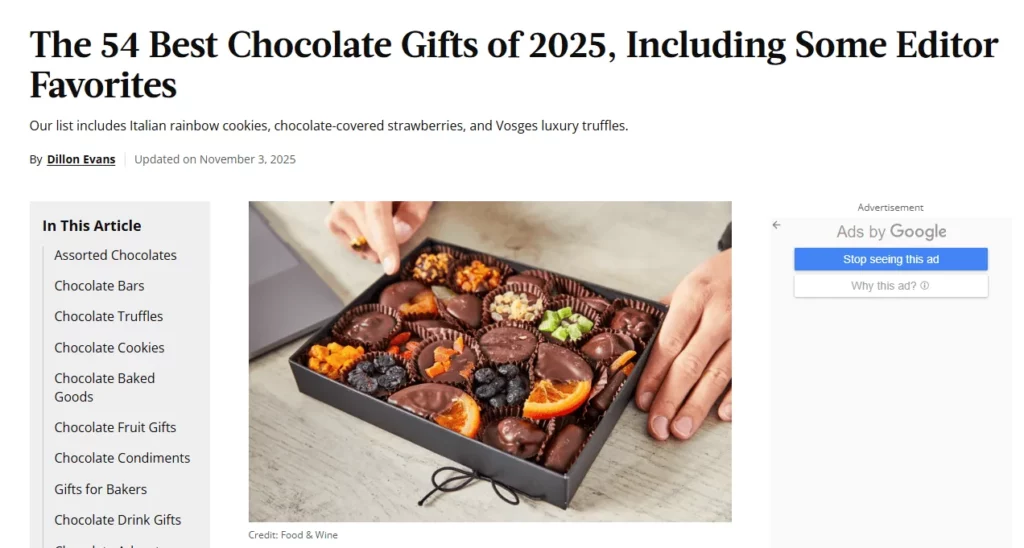
For three years, our team ignored Q4 content planning, thinking evergreen posts would carry us through. That was a costly mistake.
We missed three holiday seasons—each one a 40% revenue opportunity—before we realized the calendar matters more than traffic volume. Now we plan our entire content year around five key dates.
To capitalize on Q4, focus on comprehensive gift guides, corporate gifting lists, and luxury roundups.
Content should be published between September 15 and October 15 to secure rankings before competition floods Google.
Once the season hits, email subscribers weekly with “last-minute shipping” deadlines to capture procrastinators.
Valentine’s Day (Second Highest Revenue)
The January-February window produces 25-30% of annual income, heavily concentrated between January 20 and February 14.
Valentine’s Day is the most reliable chocolate holiday. Nearly 70% of consumers purchase chocolate for this occasion compared to just 20-30% for others.
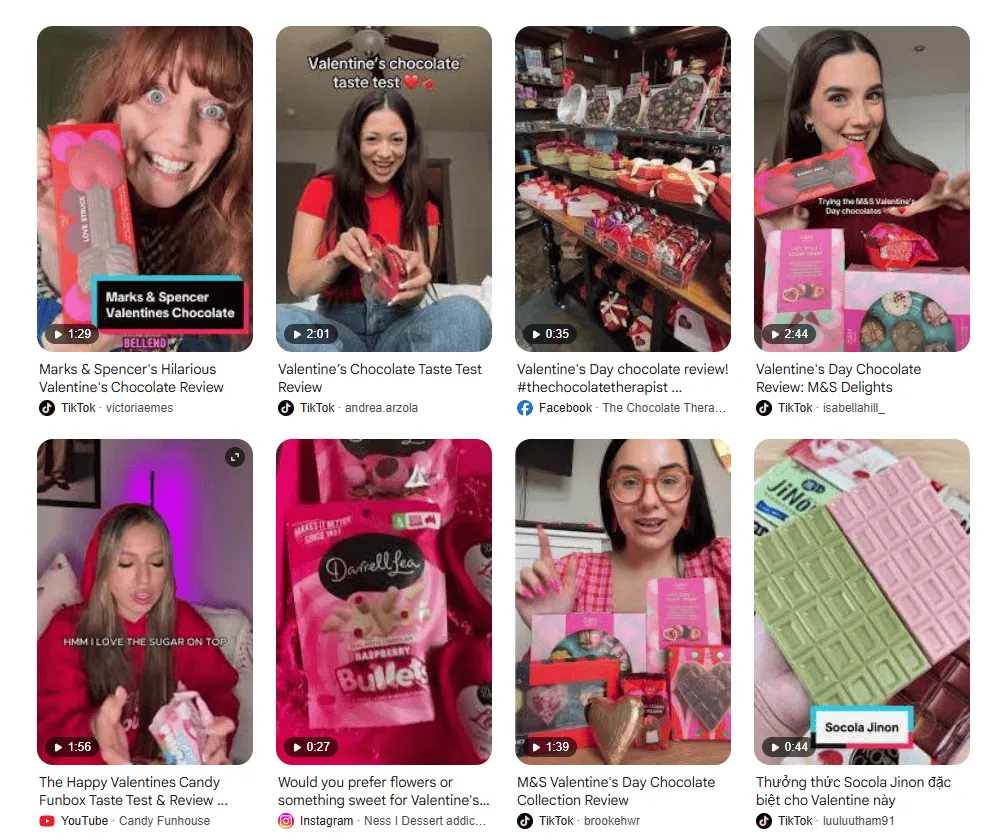
Because this holiday lacks the procrastination typical of Christmas shopping, conversion rates often peak at 9-12%. Average order value is also high ($55-$75), driven by premium boxes and luxury brands.
Successful affiliates focus on gender-specific guides, romantic pairing content (wine and chocolate), and luxury spotlights.
Publish content by mid-December to catch early searchers. Update it during the main traffic wave from January 5-10.
Mother’s Day (Third Revenue Period)
The third major revenue period occurs in April and May, generating 10-15% of annual income largely within the two weeks preceding Mother’s Day.
Average order value ($40-$55) is more moderate than Valentine’s Day, but conversion rates remain strong at 6-8%.
The challenge? Competition from alternative gifts like flowers, jewelry, and spa treatments.
Best-performing content includes “Chocolate Gifts for Mom,” pairing sets with coffee, and prepaid subscription boxes.
Aim to have content live by early March. Organic search volume is roughly half that of Valentine’s Day, but email marketing performs exceptionally well. Subscribers actively seek specific gift ideas for loved ones.
Easter (Fourth Revenue Period)
Easter generates 8-12% of annual income. The date shifts between March and April every year, creating a unique scheduling challenge.
Purchases center on filled eggs, bunny-shaped chocolates, and basket stuffers. Because these items are often add-ons rather than standalone gifts, average order value is the lowest of major holidays: $25 to $35.
To compete with grocery stores, focus on “Gourmet Easter Chocolate” or “Adult Easter Baskets” that offer artisan quality unavailable in local aisles.
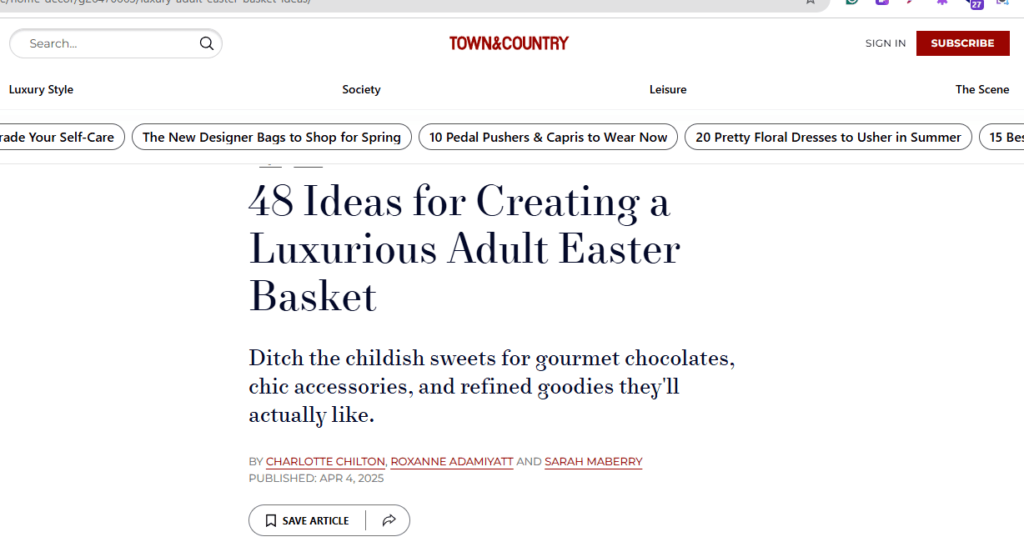
Content should be published six weeks before the specific Easter date. Check the calendar annually and start production in early February.
October/Halloween (Fifth Revenue Period)
October provides a smaller revenue bump, contributing 5-8% of annual income, primarily in the first three weeks.
While 80% of Halloween chocolate spending goes toward mass-market candy for trick-or-treaters, successful affiliates target the 20% premium segment used for adult parties and hostess gifts.
Commissions generally don’t exist for grocery store candy, so content must focus on artisan brands with Halloween themes or dark chocolate.
With an AOV of $30-$40 and conversion rates of 4-6%, this is a volume play for party planners.
Content like “Gourmet Halloween Chocolate” or cocktail pairings should be published by mid-September to capture early planners.
The Summer Slump (June-August)
Have realistic expectations for summer months. They produce only 3-5% of annual income combined.
This “summer slump” occurs due to lack of gifting holidays, budget recovery after Mother’s Day, and the fear of chocolate melting during shipping.
Traffic to chocolate content often drops by 60-70% compared to Q4. Conversion rates fall to 2-3% as only the most passionate buyers remain.
Smart publishers use this quiet period differently.
During summer, pivot to heat-resistant products like baking chocolate or experiential content like “Summer Tasting Party Ideas.” Alternatively, use these months to write and optimize Q4 gift guides, ensuring they rank by November.
Content Calendar Strategy
To maximize efficiency, distribute promotional efforts according to revenue potential. 40% of your energy should focus on Q4, 30% on Valentine’s Day, and the remainder split among smaller holidays.
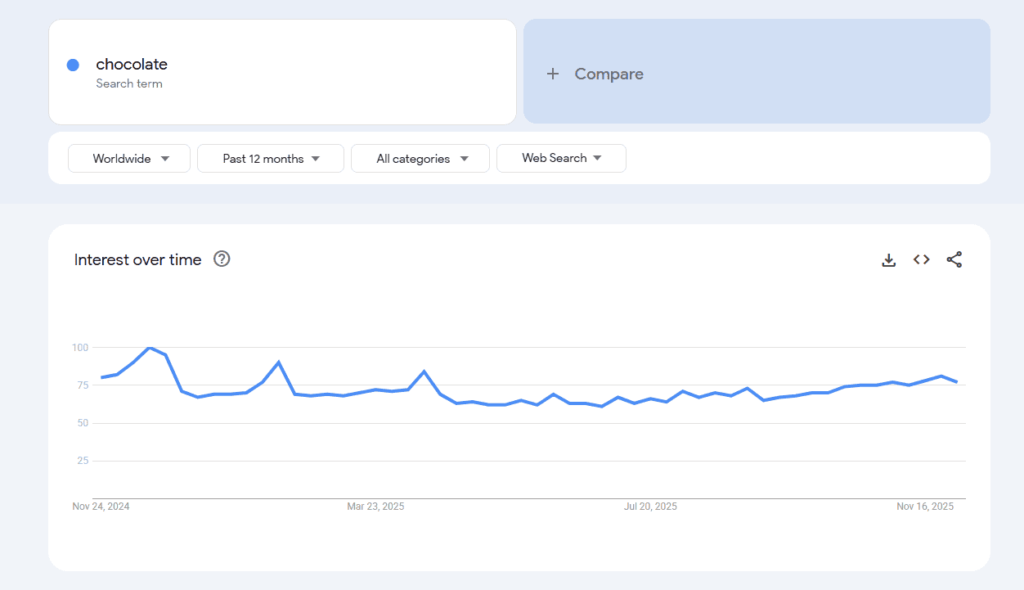
Create content 6 to 10 weeks before each peak period. This allows Google sufficient time to index and rank your posts.
A strategic annual schedule: publish Valentine’s content in January, Easter and Mother’s Day guides in March, and use the quiet summer months to write Q4 content. This maintains year-round productivity while ensuring your biggest promotional pushes align perfectly with high-conversion windows.
Key insight: The chocolate affiliate game is won or lost in Q4 and February. Miss those windows, and you’ve missed 70% of the year’s revenue opportunity.
FAQs
1. What is a chocolate affiliate program?
A chocolate affiliate program allows affiliates to earn commissions by promoting chocolate brands, gourmet sweets, and confectionery products through tracked referral links.
2. How much commission do chocolate affiliate programs pay?
Most chocolate affiliate programs pay between 5% and 20% per sale, depending on brand pricing, order value, and affiliate platform.
3. Are chocolate affiliate programs profitable?
Yes. Chocolate is a high-demand, gift-oriented product with strong seasonal spikes (Valentine’s Day, Christmas, Easter), making it ideal for affiliate monetization.
4. Which platforms offer chocolate affiliate programs?
Popular platforms include Amazon Associates, ShareASale, CJ Affiliate, Rakuten, Impact, and brand-direct chocolate affiliate programs.
5. Can affiliates promote chocolate on social media?
Yes. Chocolate performs very well on TikTok, Instagram Reels, YouTube Shorts, and Pinterest due to its strong visual appeal.
6. Is chocolate a good niche for beginner affiliates?
Yes. Chocolate is easy to promote, has wide audience appeal, and requires minimal technical explanation, making it beginner-friendly.
7. Do chocolate affiliate programs allow international traffic?
Many programs accept global traffic, but commission eligibility may depend on regional shipping availability.
8. Can chocolate affiliate links be used in email marketing?
Most programs allow email promotion, but affiliates must follow brand guidelines and anti-spam regulations.
9. Are vegan or organic chocolate affiliate programs available?
Yes. Many brands specialize in vegan, sugar-free, organic, and fair-trade chocolate products with dedicated affiliate programs.
Conclusion
Creating a successful chocolate affiliate program isn’t just about finding people to post links. It’s about building a community of passionate brand ambassadors who genuinely love what you do.
By following the above steps, you can boost your Shopify-based chocolate store’s sales to higher numbers with affiliate marketing.
It can be a challenge, but with UpPromote, everything feels simple and effective. Let’s find out our pricing plans to start your affiliate marketing.

Ellie Tran, a seasoned SEO content writer with three years of experience in the eCommerce world. Being a part of the UpPromote team, Ellie wants to assist Shopify merchants in achieving success through useful content & actionable insights. Ellie's commitment to learning never stops; she's always eager to gain more knowledge about SEO and content marketing to create valuable content for users. When she's not working on content, Ellie enjoys baking and exploring new places.