

According to HolonIQ, the global education market is set to exceed $10 trillion by 2030. This creates a wealth of opportunities for affiliates to earn by promoting educational products, professional development resources, and online learning platforms.
In this article, we’ve selected the 23 best educational affiliate programs with details on commissions, cookie duration, and additional benefits. Let’s dive in and find your best match to start your promotions.
Quick Comparison
| Program Name | Commission (%) / Amount | Cookie Duration (Days) | Niche Suitable |
|---|---|---|---|
| eTeacher | Up to $300 per sale | 365 days | Online education, language learning, biblical studies |
| McGraw Hill | 8% | 30 days | Textbooks, academic content, higher education |
| Rocket Languages | 20% (~$29 avg.) | 120 days | Language learning courses |
| Udemy | 10% | 7 days | Online courses (all topics) |
| Coursera | 45% | 30 days | Online degrees, certificates, university courses |
| Thinkific | 30% | 90 days | Course creators, educators, online teaching tools |
| 24/7 Education | 20% | Not mentioned | Internships, youth education, global learning |
| edX | 10% | 60 days | University-level online courses & certificates |
| Outschool | 20% | 30 days | Children’s live online classes (ages 3–18) |
| Hooked on Phonics | $13 (CA), $20 (US) | Not mentioned | Early childhood reading & phonics |
su_box title=”Disclaimer” box_color=”#096d9b” radius=”5″]Affiliate program terms can change frequently. The figures below are based on general information and may vary based on specific campaigns or affiliate tiers.[/su_box]
Affiliate Earnings Calculator
Estimate your affiliate income based on Traffic, CTR, AOV, and Commission rate. Drag the sliders below to explore different scenarios.
Estimated Results
These figures are for illustrative purposes – feel free to adjust them to fit your specific niche.
- Conversion Rate here is defined as the percentage of traffic that buys.
- Does not account for refunds, cancellations, or varying commission rates by product.
23 Best Education Affiliate Programs Every Marketer Should Know
1. eTeacher
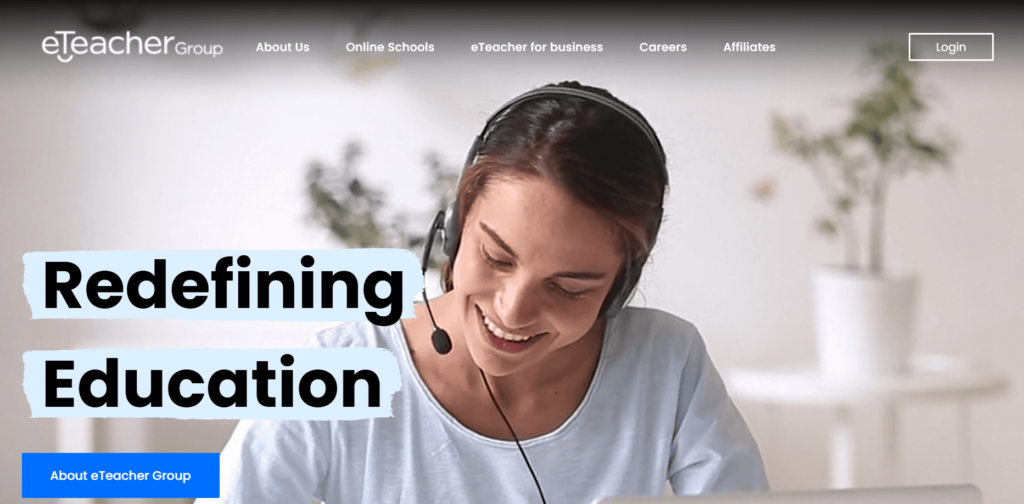
eTeacher is a global pioneer in online education, offering real-time, teacher-led lessons through virtual schools. Their courses cover various subjects, including coding, digital art, English, modern and biblical Hebrew, and biblical languages like Greek and Aramaic.
You can earn up to $300 for each sale when joining their education affiliate program. You have 365 days from the customer’s first click on your unique link to earn money on purchases.
The brand pays your commission through PayPal and bank transfer to ensure quick and convenient transactions. They also provide you with a collection of beautiful banners, compelling content, and text links to support your promotions.
|
2. McGraw Hill
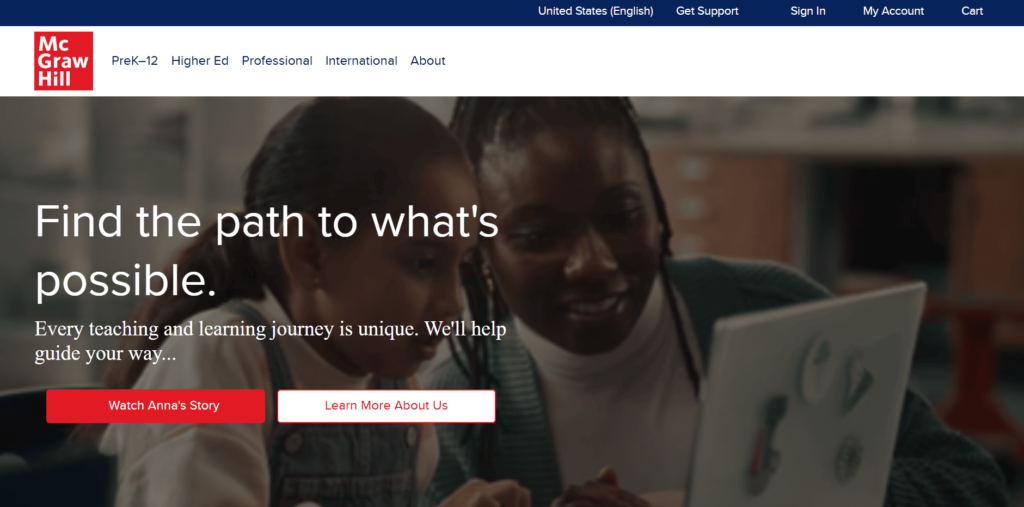
McGraw Hill is a leading American learning science and educational content company. They publish a range of textbooks, digital tools, and supplementary materials in math, science, language arts, social studies, and business.
The brand allows you to earn an 8% commission on every purchase you refer. The cookie period will remain valid for 30 days from the customer’s first click on your link.
You can check your promotional results in real time through a personalized tracking dashboard. Additionally, you can leverage their pre-created banners, graphics, and links to make your promotion more attractive and encourage more sales.
|
3. Rocket Languages
Rocket Languages is a leading platform in the global online language learning space. They offer courses in 13 languages, including Spanish, French, German, Japanese, Chinese, Korean, Arabic, American Sign Language, and others.
The Rocket Languages pays you a competitive commission of 20%. You may enjoy about $29 with an average order value of $145. The generous cookie window will remain valid for up to 120 days from the customer’s initial click on your unique link.
The brand supports your promotion with a wide selection of creative banners and links. You can also access their regularly updated data feed to choose the most suitable service for your promotions.
|
4. FindTutors
FindTutors connects students with qualified tutors across a wide range of subjects, including languages, academic support, and professional skills. It’s popular among learners looking for personalized help, including those searching for an EFL tutor to improve their English proficiency.
As an affiliate, you can promote a platform that promotes one-on-one learning and flexible teaching options, making it appealing to both students and tutors. FindTutors offers competitive commission opportunities for successful referrals, though exact rates may vary depending on the partner network or agreement.
The platform also provides useful promotional materials such as banners and tracking links, helping you integrate it into your content and maximize conversions.
5. Udemy
Udemy supports millions of learners worldwide in professional development to reach their goals faster. They provide over 210,000 courses covering various topics, such as business, technology, personal growth, marketing, and more.
You can enjoy a 10% commission on every successful sale through your referral. You have only 7 days from the customer’s first click to get earnings on successful orders.
The brand is managed through Rakuten Linkshare. You can access a wide selection of banners, text links, and logos from the network to enhance your promotional content.
|
6. Coursera
Coursera teams up with over 300 universities and companies like Stanford, Yale, Google, and IBM to create online courses. Their learners can choose from free courses or paid certificates, job-ready credentials, and online degrees.
As a Coursera affiliate, you can earn a high commission of 45% for every sale you make. The cookie duration lasts 30 days from the customer’s initial click on your link.
You can put their colorful pre-made banners and text links on your site to attract the audience’s attention and encourage more sales. Besides, their weekly newsletters update you with the latest product launches and exclusive offers.
|
7. Thinkific
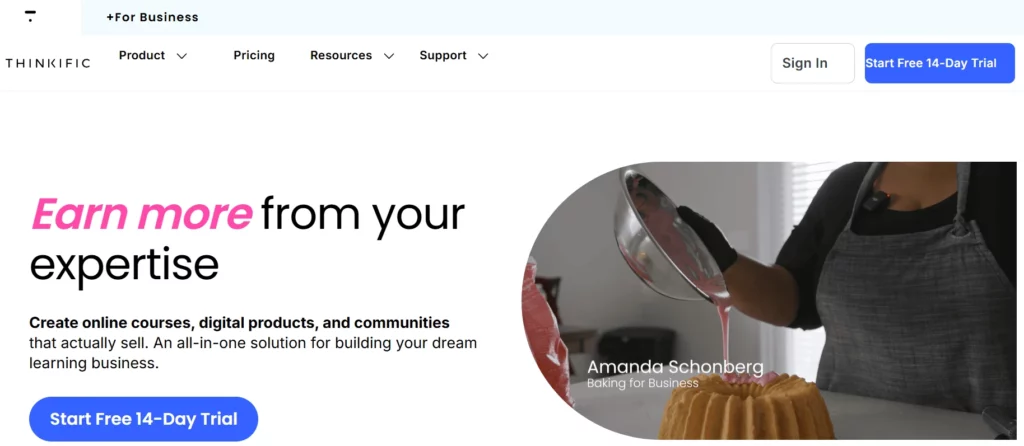
Thinkific allows individuals and businesses to develop, market, and monetize online courses. They offer tools to create courses, oversee students, and monitor progress, along with options to personalize branding, set pricing, and enhance the entire learning experience.
When joining the Thinkific affiliate program, you’ll receive a generous 30% commission for each sale you generate. The referral period remains valid for 90 days from the visitor’s first click on your affiliate link.
The brand pays your commissions via PayPal and Stripe with a minimum balance of $25. You can take advantage of their creative banners and links to enhance your promotional efforts.
|
8. edX
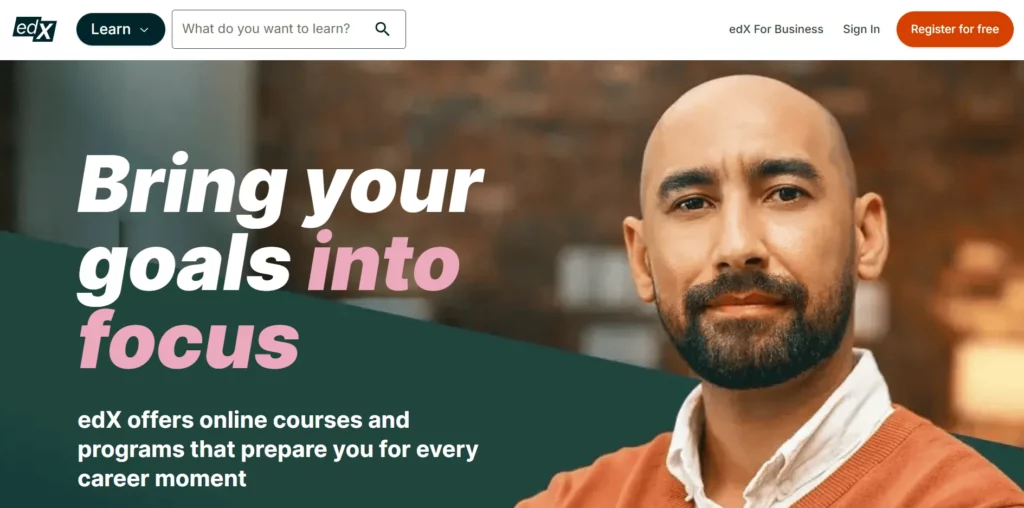
edX partners with top universities and organizations globally to provide various online courses, professional certificates, and degree programs. They host over 3,500 courses covering various subjects from artificial intelligence and robotics to public health and sustainability.
When joining the edX affiliate program, you may earn a 10% commission on each successful sale. The referral window is 60 days long from the visitor’s first click on your link.
You can use their wide range of pre-made banners and text links on your website to create engaging promotions. Moreover, the brand’s monthly newsletters update new products and exclusive deals to help you optimize your promotion.
|
9. Outschool
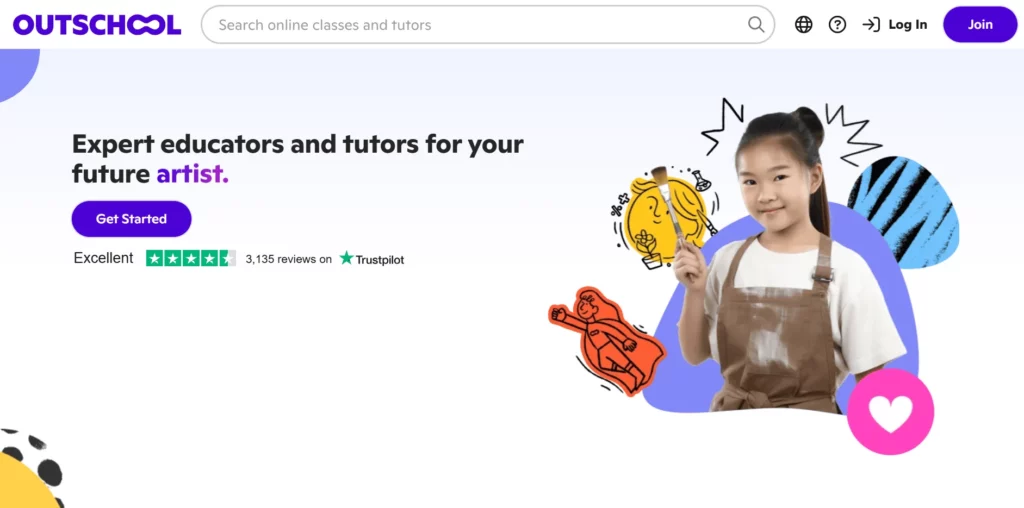
Outschool allows students aged 3 to 18 to explore their interests in depth through interactive, live video online classes. They offer hundreds of courses across diverse subjects, including math, science, coding, arts, languages, and social-emotional learning.
The brand offers a 20% commission rate for every order you refer. The brand lets you earn commissions on purchases within 30 days from the visitor’s first click on your link.
There’s a wide variety of graphic banners and videos for you to use in your promotion. You can even ask the brand to customize these creatives to fit your campaign perfectly.
|
10. Hooked on Phonics
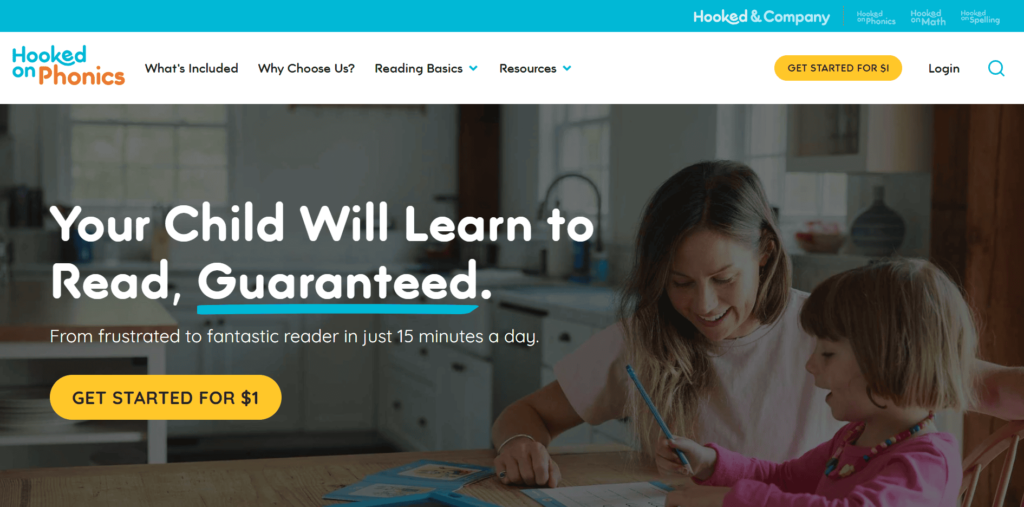
Hooked on Phonics teaches children how to read using a systematic approach to phonics instruction. They develop video lessons, workbooks, an interactive app, and games with rewards to motivate young learners.
The brand partners with Shareasale to manage their program. You will receive a commission of $13 for each subscriber from Canada and $20 for each U.S. subscriber.
Their newsletters keep you updated with the latest program information and exclusive promotions. Moreover, you can use Shareasale’s analytics dashboard to track your clicks, sales, and commission whenever you want.
|
11. 24/7 Education
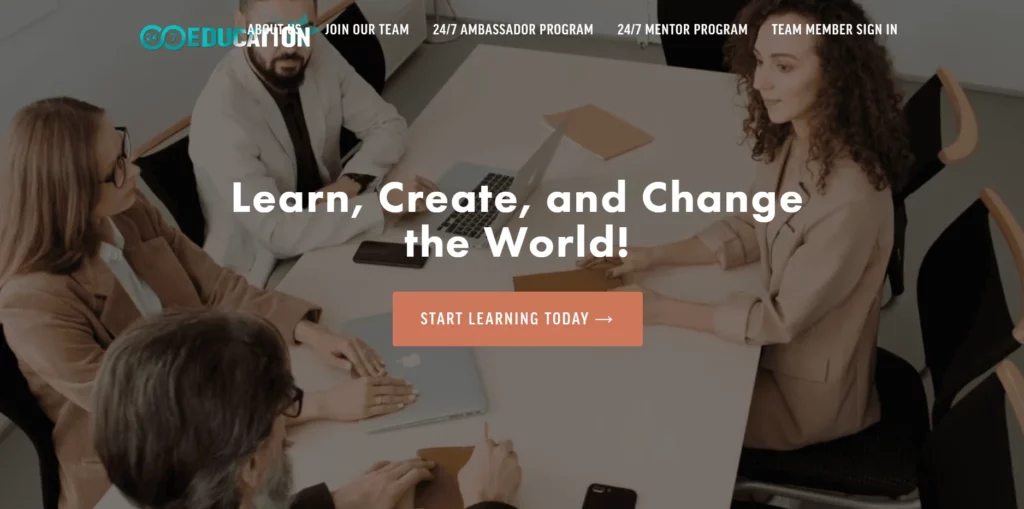
24/7 Education offers personalized education and training programs for learners of all ages and organizations globally. Their internship programs help teens and college students gain practical experience in education development, digital marketing, and instructional design.
You can earn up to 20% commission on approved purchases you generate as a 24/7 Education affiliate. Affiliate payments are processed on the 15th of each month, and you’ll need a PayPal or Zelle account to receive them.
They provide a range of customizable banners and text links to support your promotional efforts. By adding them to your website, you can attract your audience’s attention and encourage more sales.
|
12. MasterClass
- Commission rate: 25%
- Cookie duration: 30 days
MasterClass is a subscription-based platform offering video lessons in various fields, such as cooking, writing, business, and sports. Their courses are taught by renowned experts, including Gordon Ramsay, Margaret Atwood, and Howard Schultz.
13. Udacity
- Commission rate: 8%
- Cookie duration: 30 days
Udacity partners with leading companies to provide industry-relevant content in programming, data science, artificial intelligence, cloud computing, and business. Their project-driven programs are tailored to teach essential skills and prepare learners for career advancement.
14. Preply
- Commission rate: 70%
- Cookie duration: 30 days
Preply is a leading online education provider that connects students with over 32,000 tutors worldwide. They provide flexible scheduling and personalized lessons for language learning, test prep, and professional development.
15. 360training
- Commission rate: 10%
- Cookie duration: 15 days
360training provides workforce compliance, continuing education, professional development, and career certification. They offer over 6,000 courses across various industries, including healthcare, real estate, food and beverage, environmental health and safety, and more.
16. Rosetta Stone
- Commission rate: 7%
- Cookie duration: 30 days
Rosetta Stone produces interactive courses to help users learn new languages through immersive techniques. They offer a broad selection of languages, from commonly spoken ones like Spanish, French, and Chinese, to more specialized languages.
17. Skillshare
- Commission rate: 20%
- Cookie duration: 30 days
Skillshare hosts thousands of classes on various subjects, including illustration, design, photography, video, and more. Additionally, learners are encouraged to join Skillshare’s supportive community to share their projects, receive feedback, and discuss learning experiences.
18. Pluralsight
- Commission rate: $5 (Free trial), 50% (Monthly subscription), 15% (Annual subscription)
- Cookie duration: 60 days
Pluralsight offers a variety of professional development courses online, with a focus on technology and creative industries. They sell tech-focused learning courses in software development, IT, data science, cybersecurity, and cloud computing.
19. Carson Dellosa Education
- Commission rate: 10%
- Cookie duration: Not mentioned
Carson Dellosa Education publishes various educational resources for teachers, parents, and students. The company produces multiple products to meet diverse learning needs, including workbooks, activity books, classroom decorations, and digital learning tools, to support K-12 education.
20. Booksamillion.com
- Commission rate: 5%
- Cookie duration: 30 days
Booksamillion.com has become one of the largest book retailers in the United States. Along with their retail stores, the company operates an e-commerce site with a large collection of books, eBooks, audiobooks, toys, games, collectibles, and gifts.
21. Grammarly
- Commission rate: $20
- Cookie duration: 90 days
Grammarly is an AI-powered English writing assistant that helps users improve their writing clarity, correctness, and tone. They offer suggestions for correcting grammar, refining sentence structure, and improving overall readability.
22. The TELF Academy
- Commission rate: $20
- Cookie duration: 90 days
The TEFL Academy trains individuals to teach English abroad through TEFL courses. Their series of accredited programs prepares learners with the skills and knowledge required to teach English to non-native speakers.
23. The Shaw Academy
- Commission rate: $7
- Cookie duration: 30 days
Shaw Academy offers interactive courses to help individuals enhance their skills in photography, marketing, design, finance, health, and more. These courses are accredited by Austin Peay State University and the International Accreditation Organisation.
24. Teachable
- Commission rate: 30%
- Cookie duration: 30 days
Teachable provides an intuitive course builder for educators, entrepreneurs, and businesses to develop, market, and sell their engaging online courses. Users can utilize different content formats to craft their courses, such as videos, quizzes, and downloadable materials.
Why Should You Promote Education Affiliate Products Over Other Niches?
Many affiliates focus on hobbies like gardening or gaming. However, they often ignore the most important metric: Return on Effort.
The education sector is far more profitable than physical products. Digital courses and certifications offer high margins that physical goods simply cannot match.
Here is why selling knowledge is a smarter financial choice.
Higher Earnings Per Sale: Why One Education Sale Equals 10-50 Traditional Affiliate Sales
Promoting cheap books or gadgets requires you to play a volume game. You have to sell thousands of items to make a decent income. The education model offers a better approach by prioritizing value over quantity.
Let’s look at the numbers for a $5,000 monthly goal. With a traditional product paying a $5 commission, you need 1,000 sales.
To achieve this, you must drive roughly 50,000 visitors to your site every single month. That is a massive amount of traffic to manage.
Now, consider the Education Niche. Suppose you promote a Python Coding Bootcamp priced at $1,497.
With a standard 30% commission, you earn $449.10 per sale. To reach that same $5,000 goal, you do not need 1,000 sales. You only need 11 sales.
The table below illustrates the massive difference in the effort required to earn the same income.
| Affiliate Category | Average Order Value | Commission Rate | Payout Per Sale | Sales Needed for $5k/Mo |
| Amazon Associates (Books) | $25.00 | 4.0% | $1.00 | 5,000 |
| Traditional Retail (Fashion) | $80.00 | 10.0% | $8.00 | 625 |
| Udacity Nanodegree | $1,200.00 | ~25% | $300.00 | 17 |
| Project Management Cert | $2,000.00 | 20% | $400.00 | 12.5 |
By promoting premium education, you drastically lower your workload. You do not need viral traffic. You just need a small, focused audience looking to upgrade their careers.
Recurring Commission Opportunity: How 313 Referrals Generate $1,000 Monthly Passive Income
High-ticket sales provide big cash spikes, but subscription platforms offer stability. Unlike a one-time purchase, platforms like Coursera Plus, Skillshare, or LinkedIn Learning pay you every month the user stays subscribed.
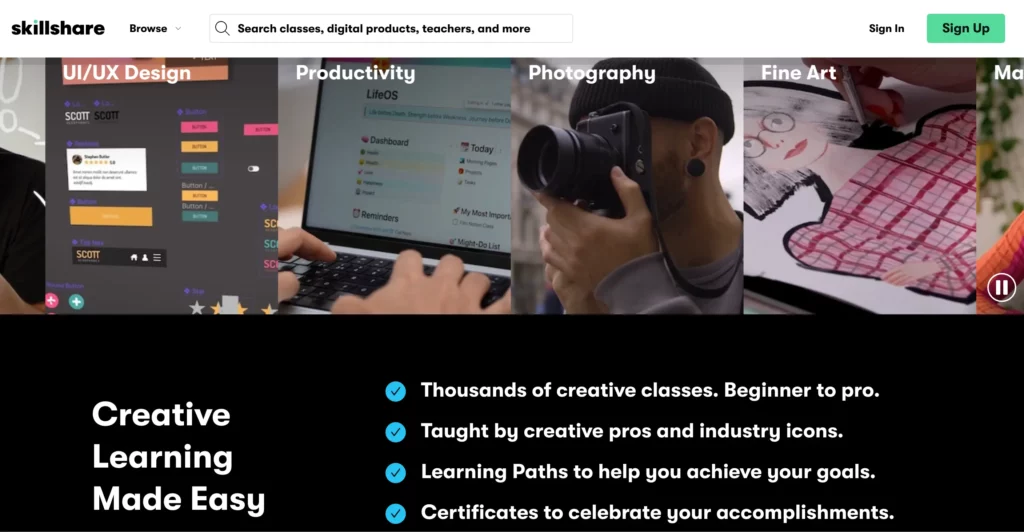
Let’s look at the math using Skillshare (~$32/mo) with a 10% commission model. Although $3.20 per user seems small, the volume adds up quickly to a solid baseline:
💰 Commission Per User: $3.20 / month
🎯 Monthly Income Goal: $1,000 (Passive)
👥 Referrals Needed: ~313 active users
Because users often stay for months to complete certifications, your income grows significantly over time. The table below shows how your earnings increase, even if you lose some users along the way.
| Timeline | User Growth Logic | Total Users | Monthly Income |
| Year 1 | Gain 300 subscribers. | 300 | $960 |
| Year 2 | Add 300 new + Keep 240 old users (20% cancel). | 540 | $1,728 |
This model works because students are committed. A user taking a 6-month Coursera certificate ($59/mo) will not cancel quickly because they need to finish their credential.
💡Pro Tip:
Look for programs with “Sticky Utility.” Users keep Scribd to build a personal library and stay with MasterClass for new monthly content.
By mixing High-Ticket Bootcamps (for cash injections) with Subscription Platforms (for seline security), you build an affiliate portfolio that is both explosive and stable.
Evergreen Demand: Why Education Maintains 80-100% Search Consistency Year-Round
We just discussed how subscription models stabilize your monthly income. However, there is another critical factor often overlooked: Seasonality.
In many niches, revenue is unpredictable. If you promote fitness gear, you sell well in January but struggle in December. If you sell outdoor grills, you earn money in July but nothing in November.
Education is different. It is an “Evergreen” niche that stays in demand for all 12 months of the year.
Google Trends data confirms this stability. Search terms like “coding bootcamp” or “learn python” do not experience sharp drops. Instead, traffic stays at 80-100% consistency year-round.
This happens because the demand for learning never stops. Different drivers keep the market active every single quarter:
- Q1 (Jan-Mar): The “New Year, New Career” crowd spikes demand.
- Q2 (Apr-Jun): College graduations drive interest in professional upskilling.
- Q3 (Jul-Sep): The “Back to School” mindset triggers parents and adult learners.
- Q4 (Oct-Dec): Corporate training budgets must be spent before year-end.
This consistency allows you to run your business differently. In seasonal niches, you must sprint to create content before holidays. In education, you can focus on year-round SEO building.
A course review written in April is just as valuable in November. This allows you to build a content library that stacks traffic predictably instead of chasing trends.
Massive Market Growth: How to Capitalize on the $325B Industry Expanding to $840B by 2030
The global e-learning market is exploding, growing from $325 billion to $840 billion by 2030. This 17% annual growth is nearly double that of online retail.
Three major shifts are currently driving this surge:
🏢 Employer Acceptance: Fortune 500 companies have increased their acceptance of online credentials by 240%. They now respect certificates as much as traditional degrees.
💰 Corporate Spending: It is cheaper to retrain than to hire. Consequently, corporate training budgets have grown by 34% annually since 2022.
💻 Remote Normalization: Learning from home is now standard. Enrollment in virtual bootcamps has jumped 180% in just five years.
This growth fuels a war between platforms like Coursera and Udemy. As they fight for market share, you win through higher commissions and better affiliate terms.
What Education Products or Services Should Affiliates Promote for Maximum Profitability?
Not all education products are equal. Promoting a $15 Udemy course is very different from selling a $2,000 Data Science bootcamp.
To succeed, you should not pick just one product type. Instead, successful affiliates mix them strategically.
They use low-cost courses to build trust with their audience. They also promote software tools to create steady monthly income. Finally, they add high-ticket programs to drive big profit spikes.
The following section breaks down the major categories you can promote.
Online Courses and Video Training Programs: Self-Paced Learning with 15-50% Commissions
Self-paced video courses are the foundation of this industry. They are the easiest starting point because the price is low (usually $20 – $200) and the value is clear.
You typically choose between two different market models:
🌐 The Marketplace Model (Volume): Platforms like Udemy or Skillshare.
Pros: Massive brand recognition; easier to convert cold traffic.
Cons: Low order value ($15-$20) and lower commissions (15-20%). You need high traffic volume to make real money.
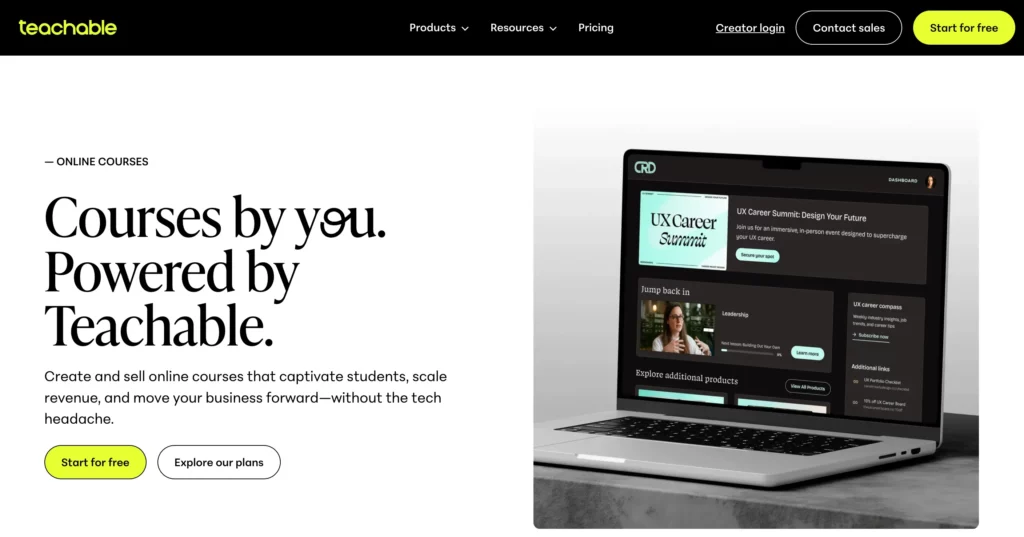
🧑🏫 The Creator Model (e.g., Teachable): Individual experts hosting courses on Teachable, Kajabi, or Thinkific.
Pros: High order value ($200-$997) and high commissions (30-50%).
Cons: Requires you to “sell” the expert’s authority; lower conversion rates on cold traffic.
 The table below details the earning potential for each type:
| Platform Type | Typical Price | Commission Rate | Earnings Per Sale |
| Udemy | $15 – $200 | 15% – 20% | $2.25 – $40 |
| Coursera | $39 – $79/mo | 20% – 45% | $8 – $35 |
| MasterClass | $180/year | 25% | $45 |
| Private Creator | $497 | 40% | $198.80 |
💡Pro Tip:
To maximize profit, avoid broad topics like “Learn Programming.” These are too common.
Instead, promote specific outcomes like “React Native for iOS Development.” You sell more when you offer specific solutions rather than generic education.
Educational Software and SaaS Tools: 20-30% Recurring Commissions Creating Passive Income Streams
While courses teach people how to do something, software helps them actually do it. This category includes writing assistants and productivity apps.
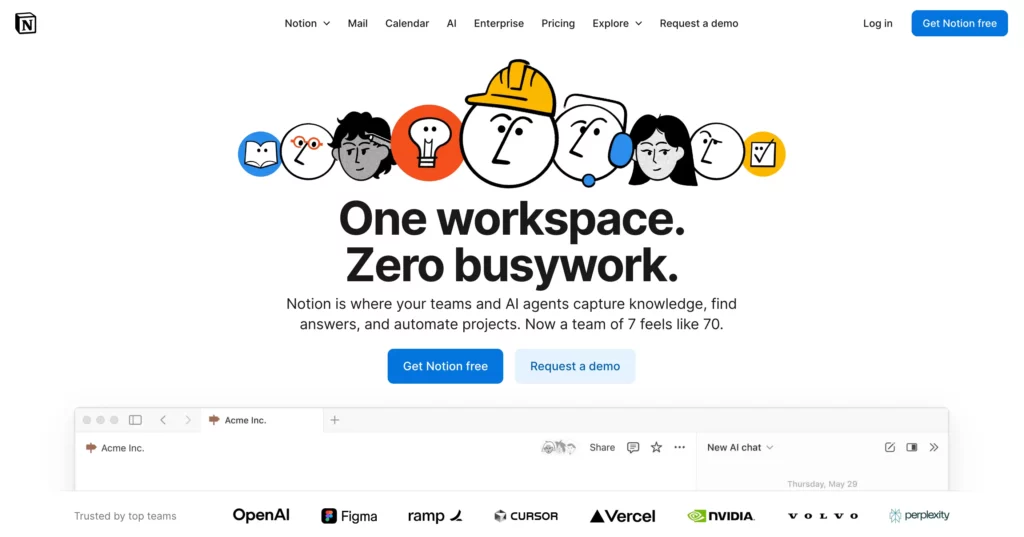
These products are excellent because they offer recurring commissions. Unlike a course that ends, tools like Notion or Grammarly become part of a user’s daily routine.
Commissions may look small individually ($2-$10/month), but they add up quickly.
For example, Grammarly pays ~20% on monthly plans. If you refer 500 users through a blog post and they stay subscribed, you could earn roughly $960/month in passive income.
Here are the top examples in this sector:
✍️ Writing: Grammarly or ProWritingAid. These are essential for students and professionals.
🗂️ Organization: Notion or Evernote. These have high viral potential on social media like TikTok.
🗣️ Language: Babbel or Duolingo. These have massive global appeal.
This model converts well because of the “Free-to-Paid” pipeline. Most tools offer a free version.
Your job is simply to get the user to sign up for the free account. Once they rely on the tool, the software sells the upgrade itself, and you get the credit.
Ebooks and Digital Guides: 30-70% Commissions on Low-Barrier Knowledge Products
Software tools build habits, but sometimes your audience just wants a quick answer. Ebooks and templates (usually $19 – $99) provide immediate solutions.
They sit perfectly between a free blog post and a full video course. Since distribution costs are near zero, creators often offer the highest commissions in the industry, sometimes up to 75%.
Here are the best places to find these products:
🎨 Gumroad: Independent experts sell niche guides here, such as “Notion Templates.” They typically pay 30-50%.
🏦 ClickBank: You can find guides on almost any topic here. Commissions can hit 75%, though you must verify quality to avoid refunds.
You should use these low-cost products strategically to build trust. Do not just focus on the small commission.
If a user gets value from a $29 checklist, they are far more likely to buy a $500 course you recommend later. Ebooks effectively turn casual readers into proven buyers with almost no friction.
Coaching and Mentorship Programs: 10-30% Commissions on High-Touch Learning
Moving up the value ladder, we have “Done-With-You” education. Courses teach information, but coaching offers transformation.
Because real experts are involved, prices often soar to $2,000 – $10,000. While commission percentages are lower (typically 10-20%), the cash payout is massive.
Here is the economics of a single high-ticket sale:
- Program Cost: $5,000
- Commission: 15%
- Your Payout: $750 per sale
With this model, you only need two sales a month to earn $1,500.
However, this is not for cold traffic. It converts best for “warm” audiences who have hit a plateau and need personal guidance.
💡 Pro Tip:
Authenticity is critical. You cannot fake a recommendation for a $5,000 program. If you have not vetted the coach personally, do not promote them. One bad recommendation can destroy your reputation.
Coding Bootcamps and Professional Certificate Programs: The “Career-Changing” Payday
Bootcamps and University Certificates sit at the top of the industry. These are serious career investments, not just information products.
Intensive programs like Springboard or General Assembly typically cost $7,000 to $20,000. Because the value is so high, companies pay massive commissions for qualified leads.
Here are the two common payout models:
💵 Flat Fee: Many bootcamps pay $500 – $1,500 for every enrolled student.
📈 Percentage: Some offer 10-15%. On a $15,000 bootcamp, you can earn $1,500 – $2,250 from a single sale.
Surprisingly, selling a $15,000 product is often easier than selling a cheap ebook.
This is because the buyer is desperate for a career change. They are researching a life decision, so they accept the high cost in exchange for a high-paying job.
To maximize conversions, you should focus on Financing Options. Explain Income Share Agreements (ISAs) or deferred tuition. When users realize they can start for $0 upfront, your conversion rates will skyrocket.
Which Platform Should Affiliates Choose to Promote Education Products?
Choosing the right product is only half the battle. You must also select the right platform to promote it.
For instance, trying to sell a complex coding bootcamp with a 15-second TikTok dance usually fails. Education products require trust and detailed explanation to convert.
The following analysis ranks the best platforms based on their ability to generate passive income.
SEO-Focused Blogs and Websites: Long-Term Passive Income Through Organic Search Traffic
For true passive income, a self-hosted WordPress blog is the best choice. You do the work once and get paid for years.
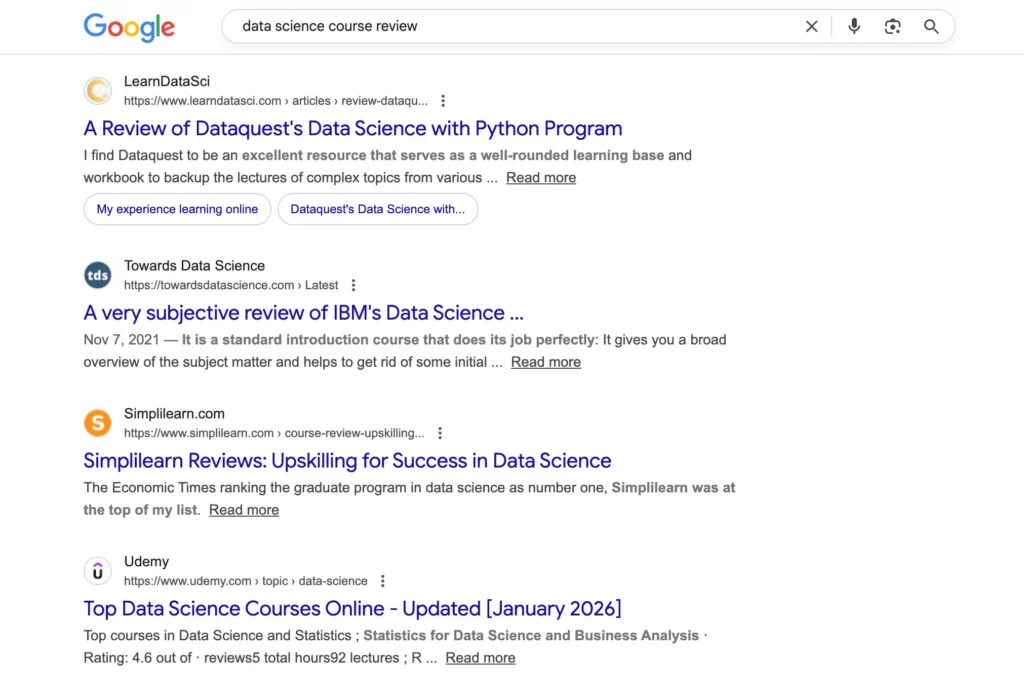
Blogs work because they capture users actively searching for answers. When someone types “DataCamp vs Codecademy review” into Google, they are usually ready to buy.
 This channel is perfect for three specific types of people:
✍️ The Researcher: You are comfortable writing detailed, long-form content.
⏳ The Patient Investor: You are willing to wait 6-12 months for Google to rank your site.
🙈 The Introvert: You want to build a business without showing your face or voice.
Education products are complex, so buyers need details. A blog post gives them space to read curriculum breakdowns and pricing tables before spending $2,000.
However, remember that this is a “front-loaded” effort. You might write 50 articles in Month 1 and see zero traffic. But by Month 12, those same articles could generate steady income while you sleep.
YouTube Channels: Visual Demonstrations and Course Previews Building Subscriber Engagement
If blogging is about reading the menu, YouTube is about tasting the food. This platform is powerful because it lets you demonstrate value before asking for a sale.
Instead of just writing about a course, you can record a “Look Inside” video. By logging in and scrolling through the lessons, you eliminate buyer skepticism instantly.
This channel is perfect for three specific types of people:
🎥 The Presenter: You are comfortable recording your screen or speaking on camera.
🚀 The Speed Seeker: You want faster results. A new video can get views immediately, unlike a blog which takes months to rank.
🎨 The Visual Teacher: You promote visual topics like design or coding where text is not enough.
YouTube also gives you a unique “Double-Dip” advantage. Your videos rank on both YouTube and Google Search, giving you twice the exposure for a single piece of content.
However, unlike a blog, YouTube requires momentum. The algorithm rewards consistency, so you typically need to post weekly to keep growing.

Email Newsletters: Maximum Conversion Rates Through Owned Audience Relationships
Blogs and YouTube channels have a major flaw: you are only renting your audience. A single algorithm change can wipe out your traffic overnight.
The only asset you truly own is your Email List.
Think of your content as a net that catches traffic. Your email list is the bucket where you keep them.
This dramatically increases your results. While a blog post might convert 2-4% of readers, a nurtured email list often converts at 8-15%.
Here is why email works so well:
- Trust: You appear in a personal inbox, not a public feed.
- Attention: You do not compete with sidebar ads or “Up Next” videos.
- Repeated Exposure: A blog visitor might leave forever. An email subscriber can see your offer multiple times over several weeks.
Because of this power, every single affiliate should use email. This is not a choice; it is mandatory. If you do not capture emails from Day 1, you are leaving 50% of your revenue on the table.
Social Media Platforms: Fast Audience Growth with Lower Conversion Trade-offs
If blogs are slow and steady, Social Media (TikTok, Instagram) is fast and volatile. You can grow from zero to 10,000 followers in just a few months.
However, there is a catch: Traffic Quality. Users are usually scrolling for entertainment, not searching for solutions.
Because of this, it is hard to sell a $1,000 bootcamp directly. Conversion rates are typically much lower (0.5% – 2%) compared to search traffic.
This channel works best for three specific types of people:
🚀 The Speed Marketer: You want to grow an audience quickly to validate your niche.
🎨 The Visual Storyteller: You are good at creating snappy, 60-second video tips.
🌉 The Bridge Builder: You understand that you do not sell directly here. Instead, you use social media to drive traffic to your email list.
LinkedIn is an important exception. Unlike TikTok, users on LinkedIn are focused on career growth. This makes it much more effective for selling high-ticket education products.
Podcasts: Authority Building and Trust Development Through Audio Intimacy
Podcasting is unique because it builds deep relationships. While it is hard to go viral here, the connection you create is much stronger than on other platforms.
When someone listens to you for 45 minutes during their commute, they start to trust you. You become a mentor rather than just a content creator.
This channel suits three specific types of marketers:
🎤 The Interviewer: You prefer asking questions. Interviewing course creators allows you to create content without being the expert yourself.
🏆 The Authority Builder: You want to be seen as a thought leader in your industry.
🤝 The Deep Seller: You promote expensive products, like $5,000 coaching programs, that require significant trust.
This format works perfectly for education because you can share transformation stories. Hearing a student explain how they switched careers is much more convincing than reading a simple feature list.
FAQs
❓ What is an education affiliate program?
An education affiliate program allows you to earn commissions by promoting online courses, universities, certification platforms, tutoring services, or learning tools.
❓ Are education affiliate programs profitable?
Yes. Many programs pay 20%–50% commissions, and high-ticket courses or certifications can generate strong earnings per referral.
❓ Do education affiliate programs offer recurring commissions?
Some do — especially platforms with monthly subscriptions like learning apps, course memberships, or SaaS learning tools.
❓ Are education affiliate programs beginner-friendly?
Yes. Education is an evergreen niche with high trust and emotional buying intent, making it ideal for beginners.
❓ How long does it take to earn with education affiliate marketing?
With SEO or content marketing, most affiliates see results within 2–4 months. Paid traffic can generate faster returns.
❓ Do online course platforms approve affiliates easily?
Most platforms like Coursera, Udemy, Skillshare, and Teachable approve affiliates instantly or within 24 hours.
❓ Is education affiliate marketing sustainable long-term?
Yes. Education demand grows continuously due to career changes, AI disruption, and lifelong learning trends.
Conclusion
In conclusion, these 23 education affiliate programs offer great opportunities for anyone looking to tap into the booming online education market. With a mix of trusted platforms and diverse educational niches, these programs cater to a wide range of learners and educators.
By selecting the right programs that align with your audience’s preferences, you can easily turn your passion for education into a lucrative affiliate venture.

Ellie Tran, a seasoned SEO content writer with three years of experience in the eCommerce world. Being a part of the UpPromote team, Ellie wants to assist Shopify merchants in achieving success through useful content & actionable insights. Ellie's commitment to learning never stops; she's always eager to gain more knowledge about SEO and content marketing to create valuable content for users. When she's not working on content, Ellie enjoys baking and exploring new places.