

According to Civic Science, 52% of US adults wear makeup occasionally, and 29% use it daily or weekly. Affiliate marketers can tap into this trend to earn extra income.
Here’s a list of the top 15 makeup affiliate programs featuring high-quality, trendy products. We’ve researched commissions, cookie durations, payments, and more, so you don’t have to.
Let’s dive right in to find the best makeup items to refer to your audience.
Besides makeup, we have collected the best beauty affiliate programs for each niche like skincare, perfume, nail, and hair products. See which program brings you the most benefits.
Quick Comparison
| Program Name | Commission (%) | Cookie Duration (Days) | Niche Suitable |
|---|---|---|---|
| Mommy Makeup | 10% | 60 days | Clean beauty, multitasking makeup products |
| MAC Cosmetics | 10% | 7 days | Professional makeup artists, premium cosmetics |
| Ulta Beauty | 2% | 30 days | All beauty niches – cosmetics, skincare, haircare |
| Benefit Cosmetics | 4% | 10 days | Brow products, mascara, youthful audiences |
| Elizabeth Arden | 8% | 45 days | Anti-aging skincare, luxury makeup, fragrances |
| Yves Rocher | 6% | 30 days | Plant-based, botanical skincare & makeup |
| ILIA Beauty | 10% | 30 days | Clean beauty, organic makeup lovers |
| Fresh Beauty Co. | 8.5% | 30 days | Premium beauty marketplace (900+ brands) |
| Avon Cosmetics | 8–10% | 30 days | Affordable beauty, MLM-style personal selling |
| Estée Lauder | 4% | 30 days | Luxury makeup & skincare |
Affiliate Earnings Calculator
Estimate your affiliate income based on Traffic, CTR, AOV, and Commission rate. Drag the sliders below to explore different scenarios.
Estimated Results
These figures are for illustrative purposes – feel free to adjust them to fit your specific niche.
- Conversion Rate here is defined as the percentage of traffic that buys.
- Does not account for refunds, cancellations, or varying commission rates by product.
15 Best Makeup Affiliate Programs for Beginners
1. Mommy Makeup
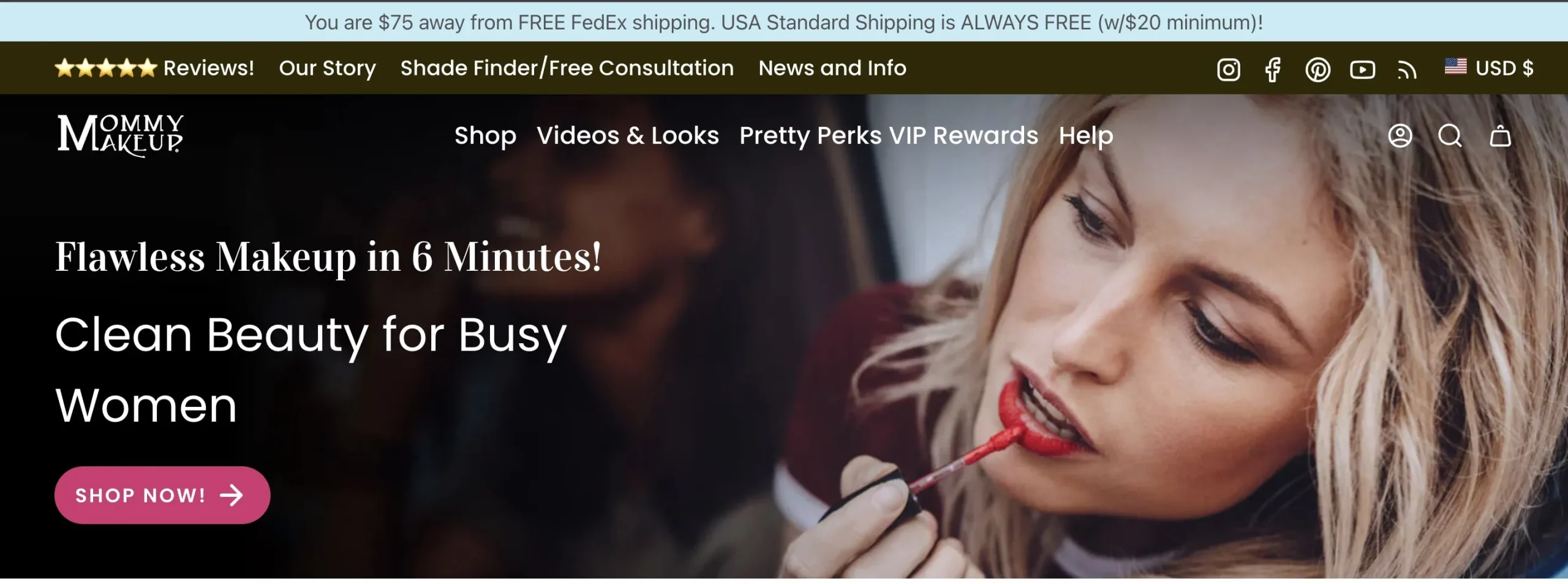
Mommy Makeup is for busy women’s daily beauty routines. The brand offers clean beauty with talc-free, PFAS-free, paraben-free, and cruelty-free multitasking products.
The Mommy Makeup affiliate program is managed through ShareASale. This program lets you earn a 10% commission on each sale with a 60-day cookie period.
Mommy Makeup provides additional benefits to their partners upon joining their programs. Partners can access exclusive newsletters, promotions, and receive assistance from their dedicated affiliate team.
|
2. Mac cosmetics
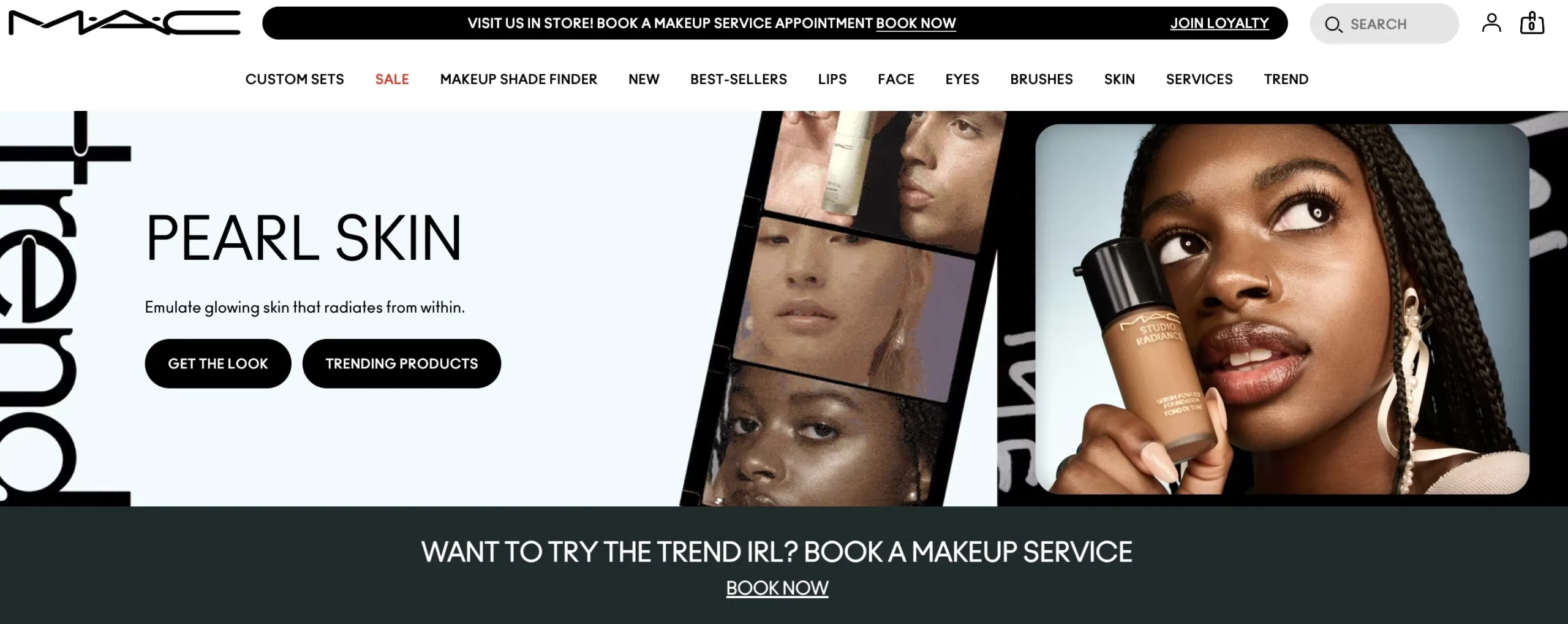
MAC Cosmetics (Makeup Art Cosmetics) was established in 1984 in Toronto, Canada, by Frank Toskan and Frank Angelo. They are rapidly famous within the professional makeup artist community for their wide range of colors and high-quality formulation products.
You can sign up for the Mac Cosmetic affiliate program through the FlexOffers affiliate platform. Mac offers affiliates a 10% commission rate per sale with a 7-day cookie duration.
FlexOffers pays affiliates monthly commissions on NET 60 terms. This means if you earn commissions in March, you’ll be paid on May 31st. Payments are issued between June 1-7 during the NET 60 grace period.
You’ll get paid once your account reaches the minimum threshold of $25 to $1,000, depending on the payment method. The minimum is $25 for checks, local bank transfers, and international ACH, while it’s $1,000 for wire transfers. Processing fees range from $1 to $26 per payment.
|
3. Ulta Beauty
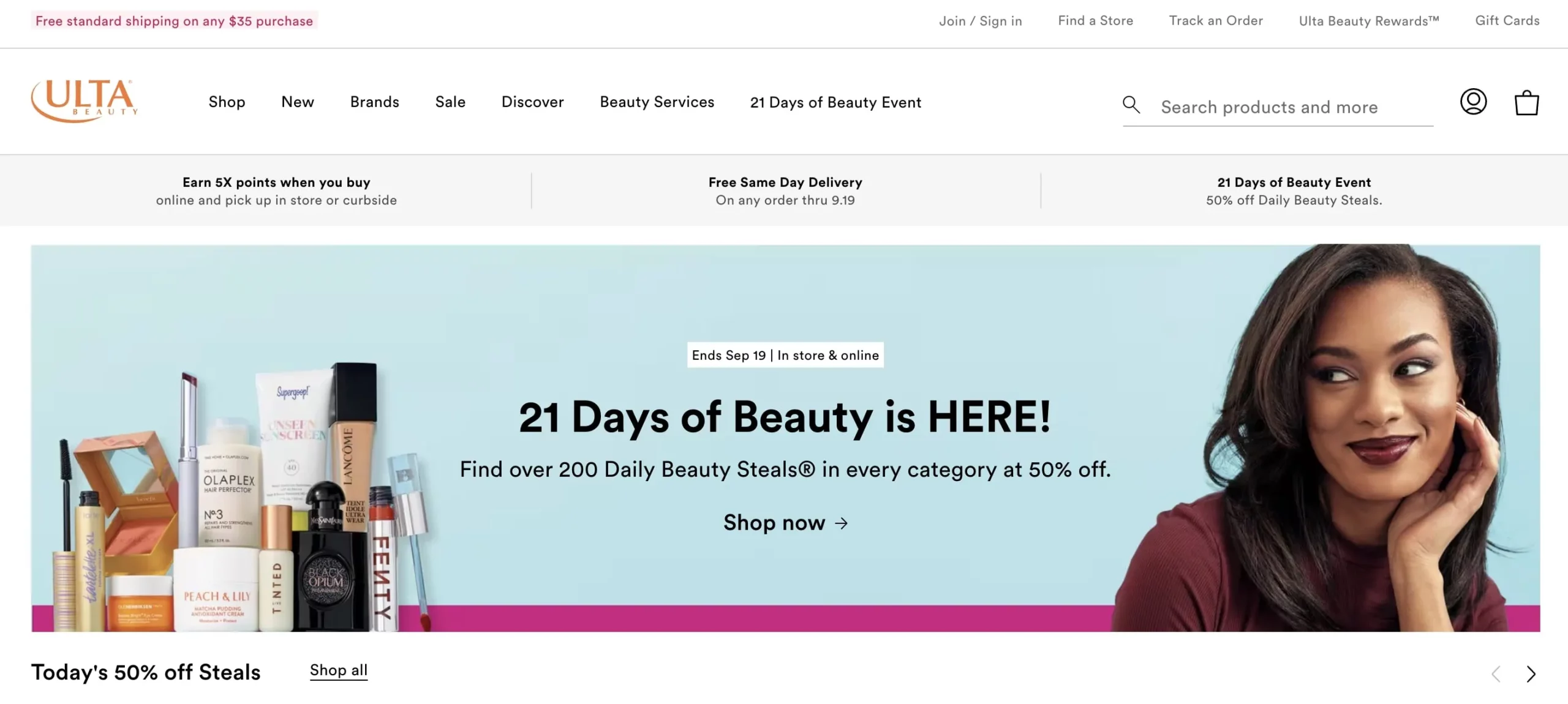
Ulta Beauty stands as a premier destination for beauty enthusiasts across the United States. Founded in 1990, this retail giant has offered a unique, all-encompassing approach to cosmetics, skincare, haircare, and fragrance.
Ulta Beauty affiliate program on Impact offers a 2% commission on each sale you generate. The program features a 30-day cookie duration, giving you a month-long window to earn from your affiliate link.
|
4. Benefit Cosmetics
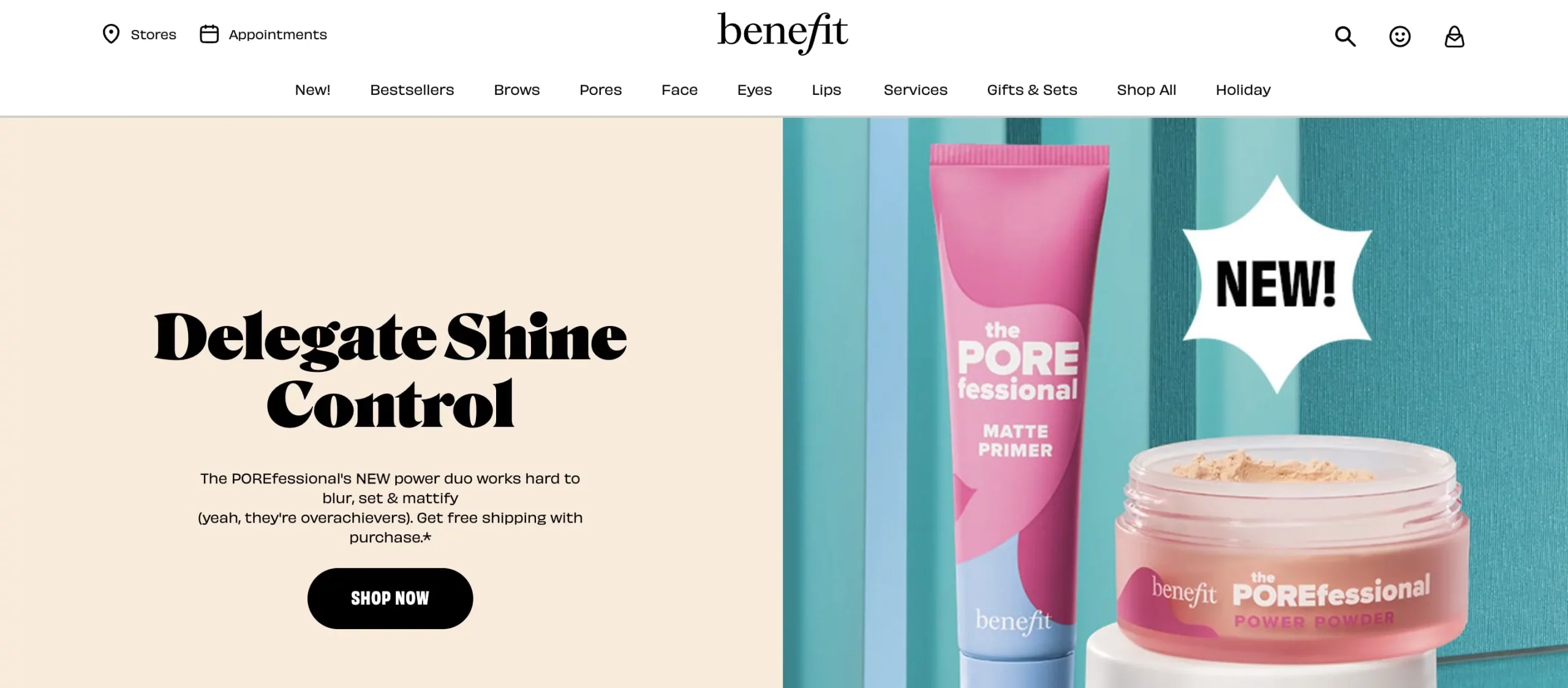
Benefit is well-known for its brow products, mascaras, and cheek tints. The brand offers innovative products with retro packaging, targeting a playful and youthful audience.
The Benefit affiliate program is managed via Awin, offering a 4% commission on each sale. However, you will not earn any commissions on sales made via coupon codes from the “Benefit Promo Code Exclusion” list.
The Benefits affiliate program offers a 10-day cookie duration for affiliates. This means you’ll earn a commission on any sale made within 10 days after a visitor clicks your affiliate link.
|
5. Elizabeth Arden Makeup
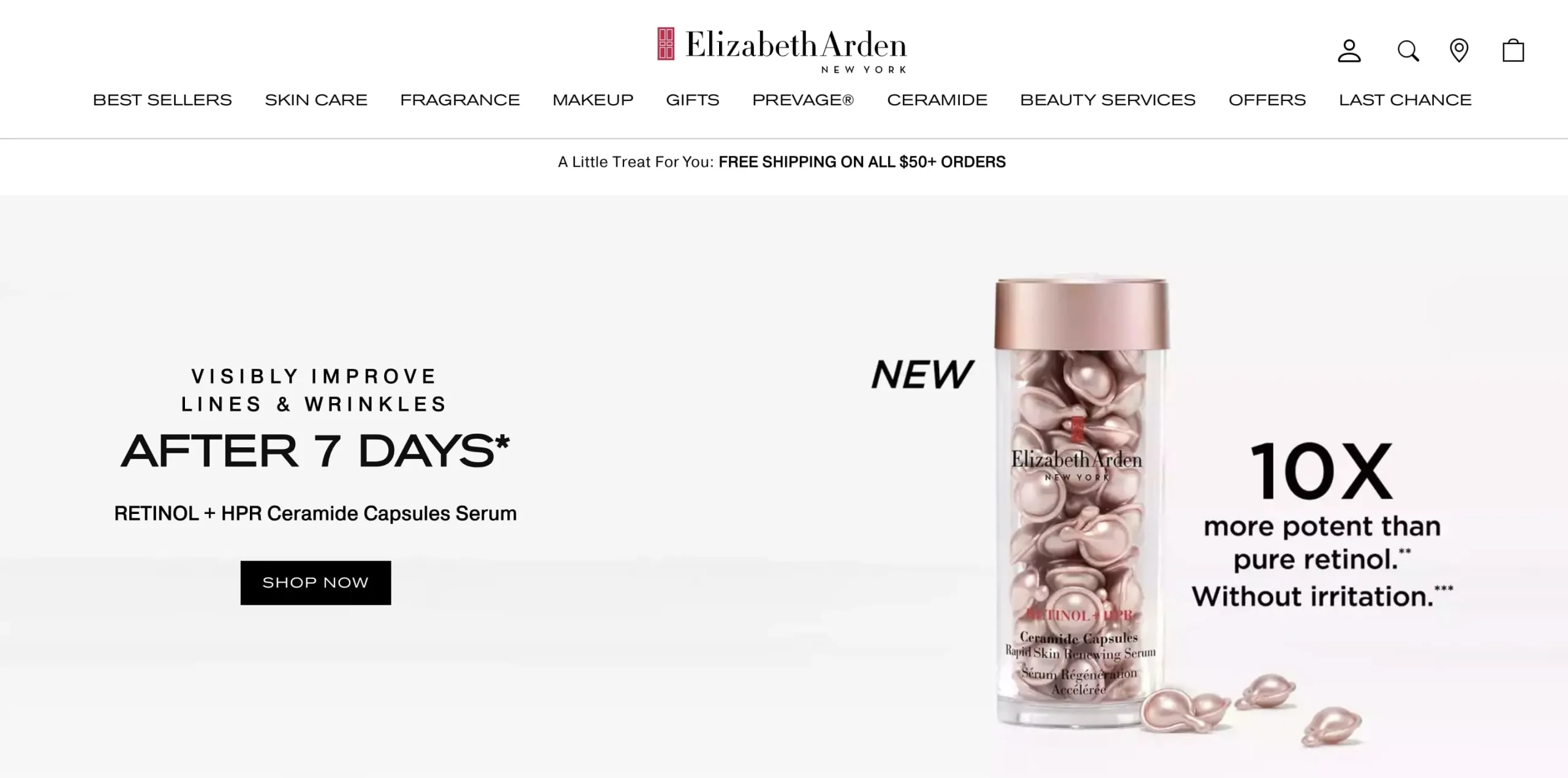
Elizabeth Arden is a global beauty leader. Founded in 1910, Elizabeth Arden is a well-known beauty brand. They offer a mix of high-end anti-aging skincare, trendy makeup, and iconic fragrances.
You can sign up for the Elizabeth Arden Makeup affiliate program on the CJ platform. The brand offers you an 8% commission on each sale with a 45-day cookie life. Successful affiliates have the opportunity to earn higher commissions and bonuses based on their sales performance.
However, this program isn’t listed on the website. So you have to reach out to their customer support for more information.
|
6. Yves Rocher Cosmetics
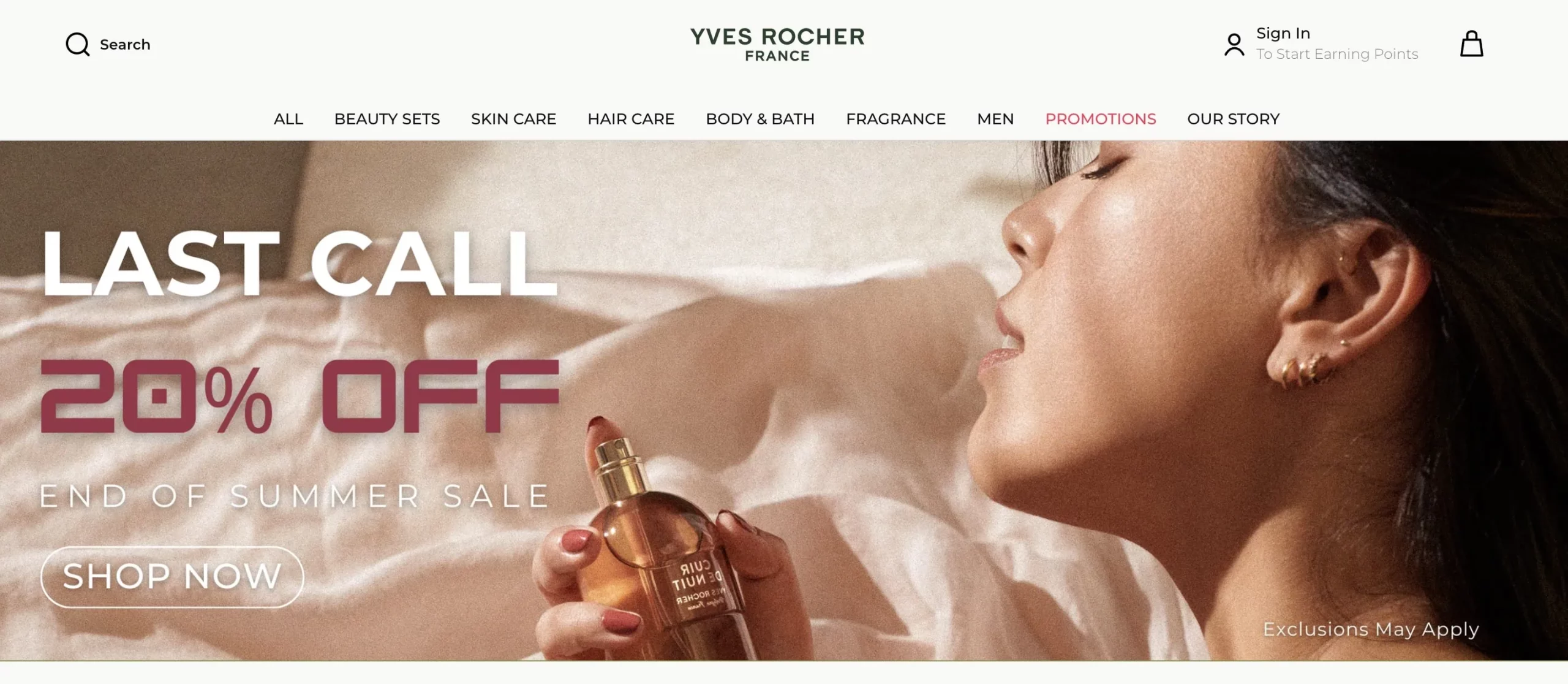
Yves Rocher started creating plant-based beauty products in 1959. Over 65 years, they are now France’s leading beauty brand and a trailblazer in plant-based cosmetics.
You can sign up to be a Yves Rocher affiliate on the CJ network Publisher. You will earn a 6% commission on every generated sale within a 30-day cookie.
Additionally, Yves Rocher affiliates can receive exclusive management and support from their Gen3 Marketing agency. Plus, you can access their product catalog to find out the most suitable products to promote.
|
7. ILIA Beauty
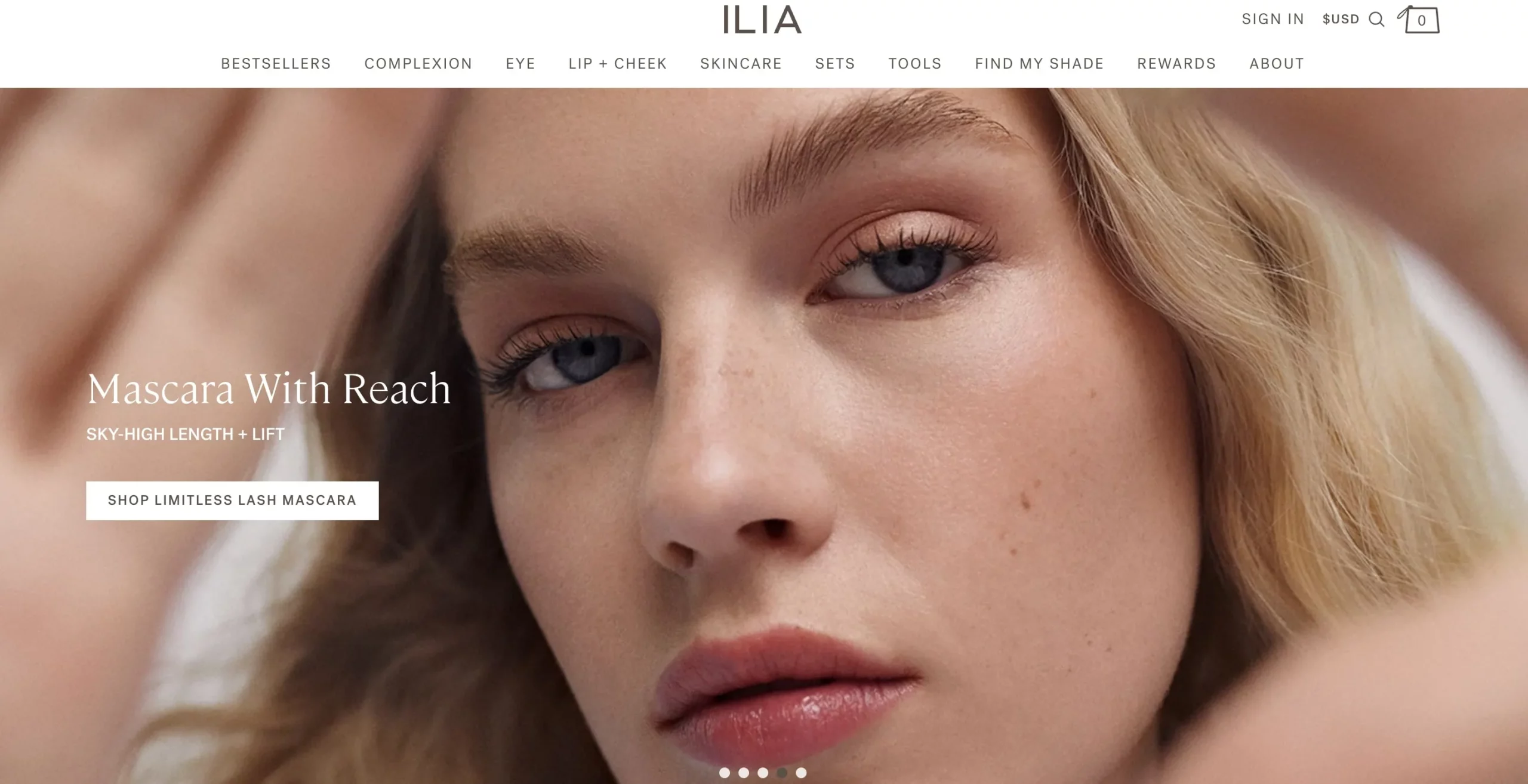
ILIA Beauty is a clean beauty brand offering a range of natural and organic makeup products, from foundation to mascara. Their products are formulated with nourishing ingredients and provide superior color.
You can earn a 10% commission on each sale you generate, excluding gift cards. Their 30-day cookie duration gives you a generous window to earn from your affiliate link. This affiliate program is managed by Impact, so you can apply through this platform.
ILIA Beauty offers exclusive deals for your followers. Select partners can also receive free samples and products, enabling them to experience and showcase ILIA Beauty items firsthand.
|
8. Fresh Beauty Co.
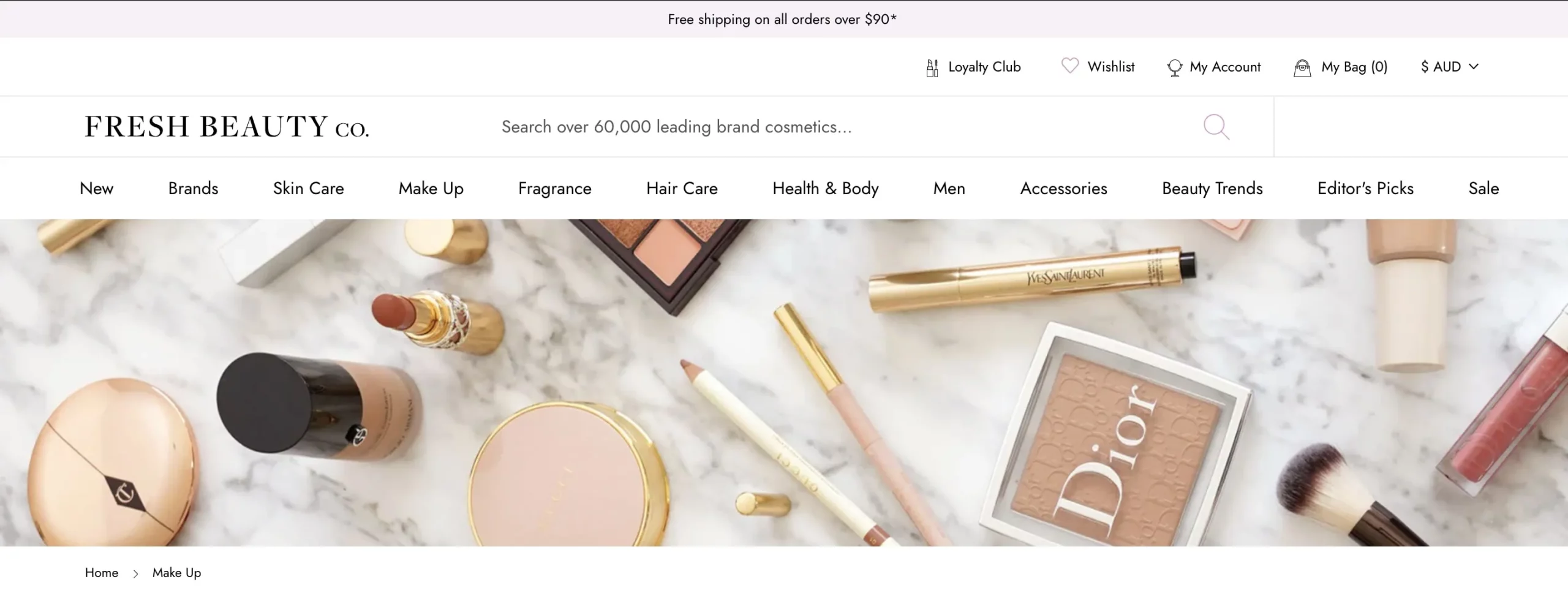
Founded in 2004 in Australia, Fresh Beauty Co. has since become a renowned curator of over 900 highly sought-after beauty brands. They are the go-to destination for high-performance makeup and beauty products.
The Fresh Beauty affiliate program offers an 8.5% commission per sale. However, your commission rates may be lower if your referrers use a coupon code. So, you have to check the “view merchant” page for further commission rules.
Fresh Beauty affiliate has a 30-day cookie duration for your customers to buy products from their first click.
|
9. Avon Cosmetics
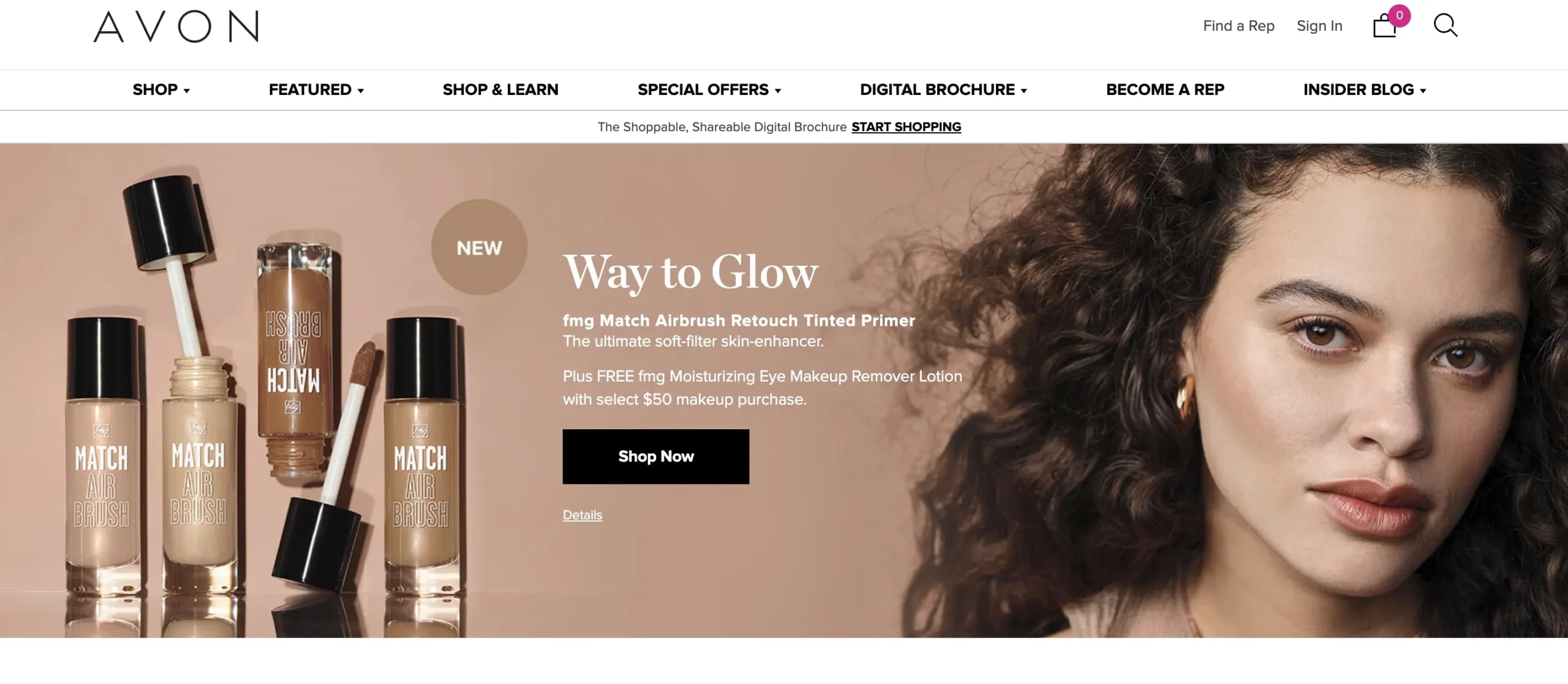
Avon has been around since 1886, and it is a name recognized for selling directly to customers. They’re famous for their beauty, skincare, makeup, and personal care products.
Avon Cosmetics affiliates can earn an 8% commission on purchases from existing customers and 10% on new customer sales. This makeup brand offers a 30-day cookie window.
Avon offers affiliates numerous perks, including free beauty products and dedicated support. Plus, you’ll receive early access to upcoming product launches, giving you an advantage in promoting Avon’s newest innovations.
|
10. Estée Lauder
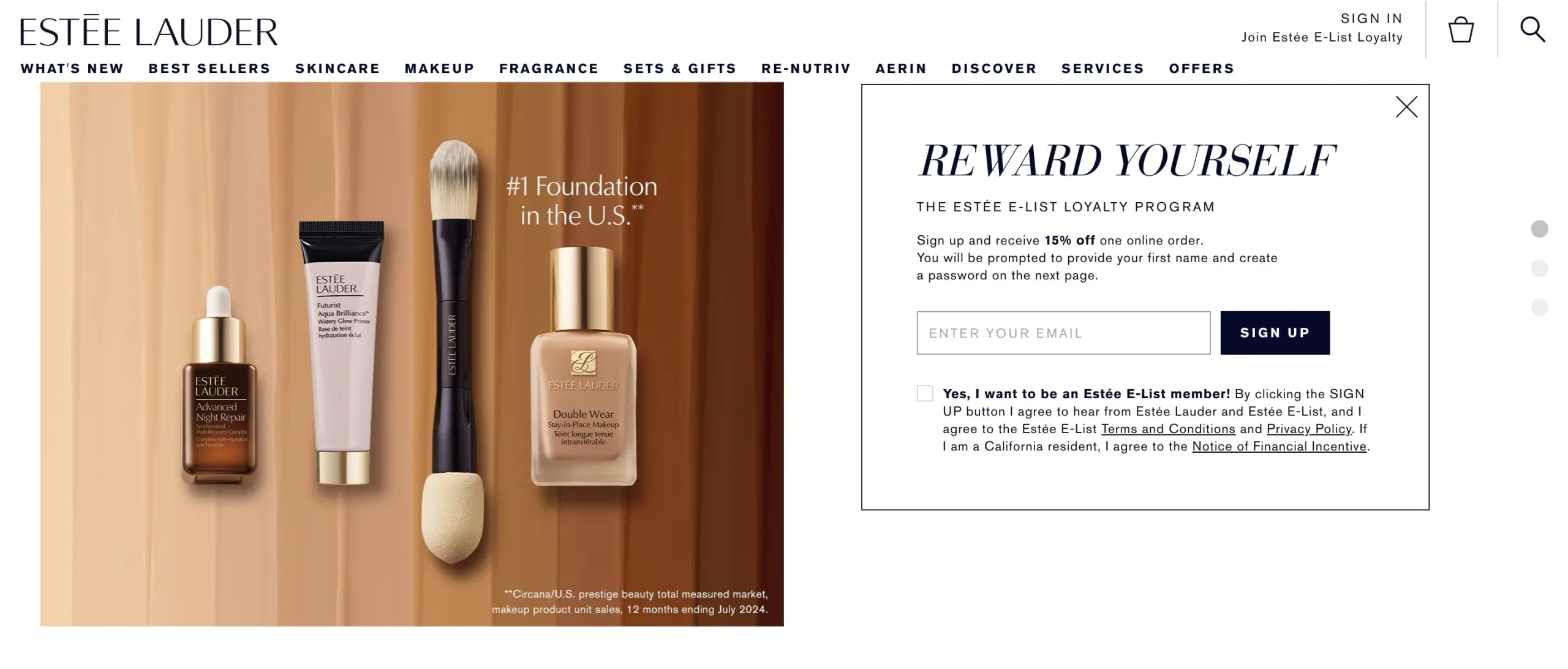
Estée Lauder has been crafting makeup products since 1946, founded by the visionary Estée Lauder herself. Today, Estee Lauder continues to inspire women with their commitment to innovation, quality, and timeless elegance productions.
The Estée Lauder affiliate program allows you to earn a 4% commission on each sale you generate. The cookie duration is 30 days from buyers’ first click. Estée Lauder affiliate program is powered by Rakuten Affiliate, so you can apply through this platform.
This program offers you even more benefits to engage your audience. You’ll gain access to exclusive product launches and special offers each month. Also, people will get free delivery and two free samples with every order (four on orders over £60) when buying through your affiliate link.
|
11. Olive Young
- Commission rate: 13%
- Cookie duration: 30 days
Olive Young started in 1999 with the opening of their first store in Seoul, South Korea. Founded by CJ Group, they offer a wide range of high-quality cosmetics, skincare, and beauty tools.
12. Bobbi Brown
- Commission rate: 6%
- Cookie duration: 7 days
Bobbi Brown is known for their philosophy of enhancing natural beauty with simple, effective makeup and skincare. The brand offers high-quality, accessible products designed to suit a variety of skin types and tones.
13. Clinique
- Commission rate: 7.2%
- Cookie duration: 7 days
Clinique is a pioneering brand in the field of makeup. This brand is well known for their dermatologically tested products.
14. Stila Cosmetics
- Commission rate: 6 %
- Cookie duration: Not Mentioned
Stila Cosmetics, founded in 1994, is an American company created by makeup artist Jeanine Lobell. They are famous for their Stay All Day liquid lipstick and trendy color palette products.
15. Charlotte Tilbury
- Commission rate: 10 %
- Cookie duration: Not mentioned
Charlotte Tilbury launched her eponymous brand in 2013 in London. The brand is famous for their innovative formula, stunning colors, and bold lipsticks.
How Do You Choose the Right Makeup Affiliate Program?
Choosing an affiliate program isn’t just about who pays the highest percentage.
It is about finding the sweet spot between what you want to sell and what your audience actually buys.
We recommend applying four fundamental criteria to filter the vast pool of makeup affiliate programs available to you.
Audience Price Range Analysis
Before you join a luxury beauty program, you need to know if your audience will actually open their wallets.
Misalignment here is the number one reason new affiliates fail.
You might love Charlotte Tilbury. But if your audience is made up of budget-conscious students, promoting a $45 lipstick will result in lots of clicks but zero sales.
On the flip side, if your audience is professional women in their 40s, promoting $8 ColourPop eyeshadows might get sales, but the total commission checks will be tiny.
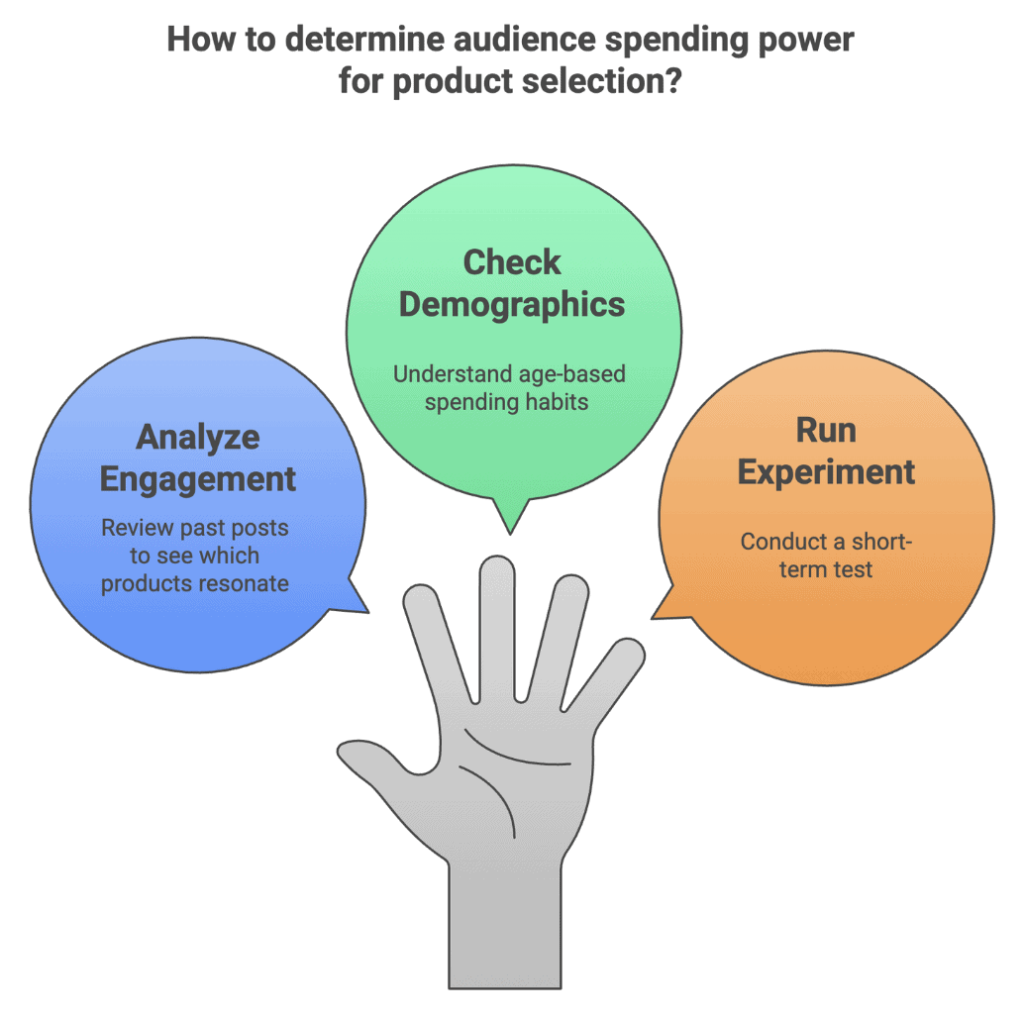
To help you figure out your audience’s spending power, you’d better look at the data before choosing products.
Check Engagement: Look at your last 10 posts. Did the “drugstore dupe” video get 50 comments while the “luxury haul” got cricket sounds? That is your answer.
Check Demographics: Age usually dictates spending habits.
- 18 to 24-year-olds average about $30/month on beauty. They buy cheaper items, but more often.
- 30 to 45-year-olds average closer to $85/month. They buy less often, but invest in expensive skincare and foundations.
Or you can run a two-week experiment. Dedicate one week to a high-end product and the next to a budget-friendly alternative, then track your earnings per click.
You will often find that a lower commission rate on a cheaper product earns you more money simply because more people buy it.
Genuine Product Enthusiasm Test
Once you check the math (prices and cookies), you need to check your own feelings.
The most common mistake new affiliates make is promoting a product they tolerate just because the program pays well.
In the beauty niche, trust is your only currency. Audiences can smell a fake instantly.
If you suddenly post a glowing review for a brand you’ve never mentioned before, your comments section will light up with suspicion: “You’ve never used this before, why is it suddenly your favorite?”
One comment like that can kill your trust in an instant.
Therefore, before joining a program, you put yourself through this test: Could you create 10 unique pieces of content about this brand without forcing it?
✅ Yes: If you can easily brainstorm a tutorial, a “Get Ready With Me,” a wear-test, and a comparison video, you’re ready.
❌ No: If you struggle to think of even three post ideas, do not join.
If you aren’t already using the product daily, buy it yourself first. Invest $50–100 to actually test the formulas.
If the foundation turns orange or the mascara flakes, you need to know before you put your reputation on the line.
Application Requirements Reality Check
Next, you need to look for program requirements. Affiliate programs are not one-size-fits-all.
Many premium programs (like Sephora Squad or direct luxury brand partnerships) have strict rules. They often require 10,000+ followers or specific monthly traffic numbers.
Be realistic about where you are right now:
If you have 3,000 followers and they require 10,000, do the math. Growing by 7,000 followers might take 6–12 months. Is it worth waiting that long to make money?
If you apply with 500 followers when they ask for 10,000, you will be automatically rejected. It doesn’t matter how good your content is; a bot will likely filter you out before a human ever sees it.
Instead, you can start with programs that accept micro-influencers, like ColourPop, e.l.f., or NYX.
These accessible programs will help you build a track record.
When you finally apply to the exclusive, high-tier programs, you won’t just have followers – you’ll have data proving you can actually sell products. That is how you get approved.
Content Style Flexibility
Even if you meet the follower count and love the product, you must check the rules on how you can sell. Not every program fits your creative style.
This is critical for beauty creators. Many high-end brands strictly ban “comparative advertising.”
If your content strategy relies on “High-End vs. Drugstore” comparisons or finding “dupes,” be careful.
You might violate a luxury brand’s terms simply by comparing their $50 foundation to a $10 alternative. You may be banned from the program.
It’s crucial to double-check what the brand actually requires.
Some programs still require you to have a dedicated blog. If you only post on TikTok or Instagram, you might get rejected.
Meanwhile, luxury programs often expect studio-quality visuals. If your profile is built on “messy, relatable” tutorials filmed in your bedroom, the brand might feel like a mismatch.
What Content Types Generate the Most Makeup Affiliate Sales?
If you look at the top-earning beauty affiliates, you’ll notice they aren’t just posting random selfies.
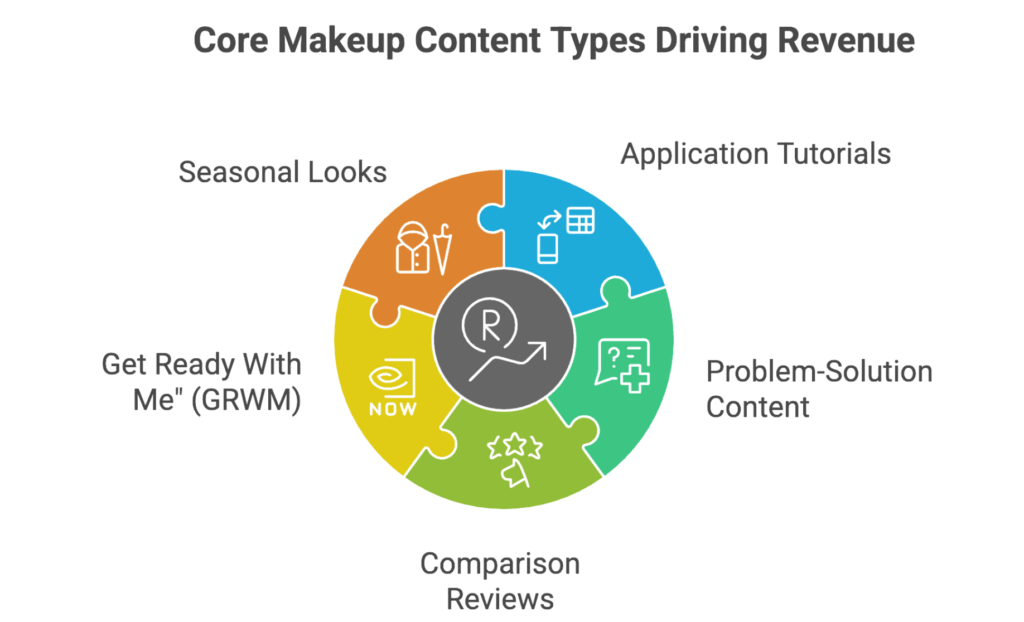
They rely on five core content types that consistently drive revenue:
- Application Tutorials
- Problem-Solution Content
- Comparison Reviews
- “Get Ready With Me” (GRWM)
- Seasonal Looks
Tutorial Content Dominance
The psychology behind a tutorial is different from a review.
In a standard review, the viewer is judging the product (“Is this lipstick good?“).
In a tutorial, the viewer is learning a skill. The product becomes the essential tool they need to get the result.
Think of it like a cooking show. If you watch a chef make a soufflé, you suddenly feel like you need that specific whisk to get the same fluffiness.
In makeup, this effect is even stronger.
For example, a viewer watching a 12-minute video on “How to Master a Cut Crease” is highly engaged.
They quickly realize that to copy that exact look, they can’t just buy a single item. They need the full toolkit:
- The specific primer to prep the lid.
- The exact transition shade for the crease.
- The concealer to “cut” the shape.
- The flat brush to pack on the color.
This format also allows for “product stacking.” A review sells one item.
A full-face tutorial lets you naturally link to 6–10 different products without feeling “salesy.” You can link the eyes, face, lips, and tools all in one post.
Problem-Solution Content Value
If tutorials are the steady marathon runners of sales, problem-solution content is the sprinter.
You can target users who are frustrated and actively searching for a fix.
The intent here is incredibly high.
A person searching for “pretty eyeshadow looks” is browsing.
A person searching for “best full coverage foundation for cystic acne” is hunting for a solution.
They have a problem, it bothers them, and they are ready to pay to fix it.
This is the difference between a vitamin and a painkiller. Vitamins are nice to have; painkillers are a necessity.
Let’s look at a real-world example of how profitable this angle can be. Recently, addressing deep skin tones has been a major win for affiliates.
For a long time, this market was overlooked. Creators who focused on “Foundation swatches for deep skin with cool undertones” built massive, loyal audiences simply by answering the burning question: “Will this actually match me?”
Comparison Content Strategy
While problem-solution content catches people searching for a fix, comparison content catches them right before they buy.
The most effective format here is the split-face test: applying Foundation A to the left side of your face and Foundation B to the right.
When a viewer searches “Fenty vs. MAC foundation,” they don’t want to read a spec sheet.
They want to see how the formulas settle into lines or control oil in real time. By testing them side-by-side, you prove you’ve done the homework so they don’t have to.
In a standard review, if you say a product is bad, you likely lose the sale.
In a comparison, you are simply guiding the choice:
- “If you have dry skin, Product A is your winner.”
- “If you prefer a matte finish, Product B is the one for you.”
Because you link to both products, you earn the commission no matter which one the viewer chooses. You aren’t selling a specific brand; you are selling the confidence to choose.
GRWM Format Authenticity
After the intensity of tutorials and comparisons, the “Get Ready With Me” (GRWM) format offers a refreshing shift in pace.
The approach masters the art of the “soft sell,” relying on personality and connection rather than cold, technical analysis.
At its core, the GRWM format works because it strips away the “salesperson” vibe entirely.
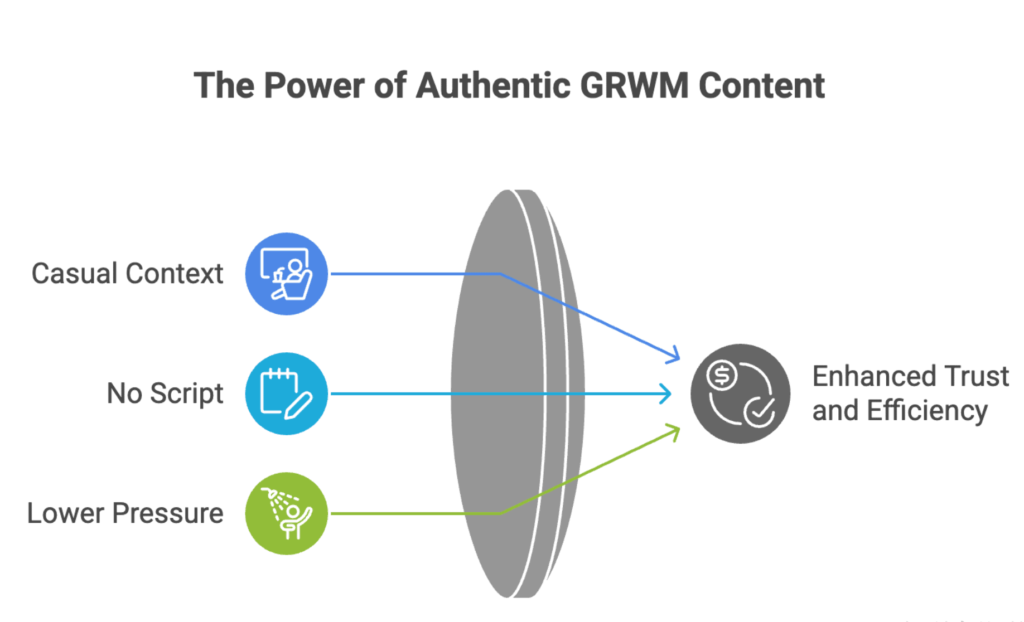
Instead of holding a product up to the camera like a prop and reciting a script, you are simply chatting about your day while using the items naturally.
When you casually mention, “I’m just grabbing my Rare Beauty blush because it blends so easily,” it feels like a genuine recommendation from a close friend.
This casual context builds a deep level of trust, which often converts better than a highly polished promotion.
But the benefits aren’t just for the audience; this format is also a huge win for your production schedule.
No Script: You talk about your plans, a story, or a recent event.
Lower Pressure: Viewers actually prefer these videos to look “lived-in.” Filming on a phone in natural bathroom lighting often performs better than a studio setup because it feels real.
Seasonal/Event Content Timing
Seasonal and event-based content will help you capture the moments when people need to buy now. Viewers aren’t just browsing; they have an event this weekend and need a look that works.
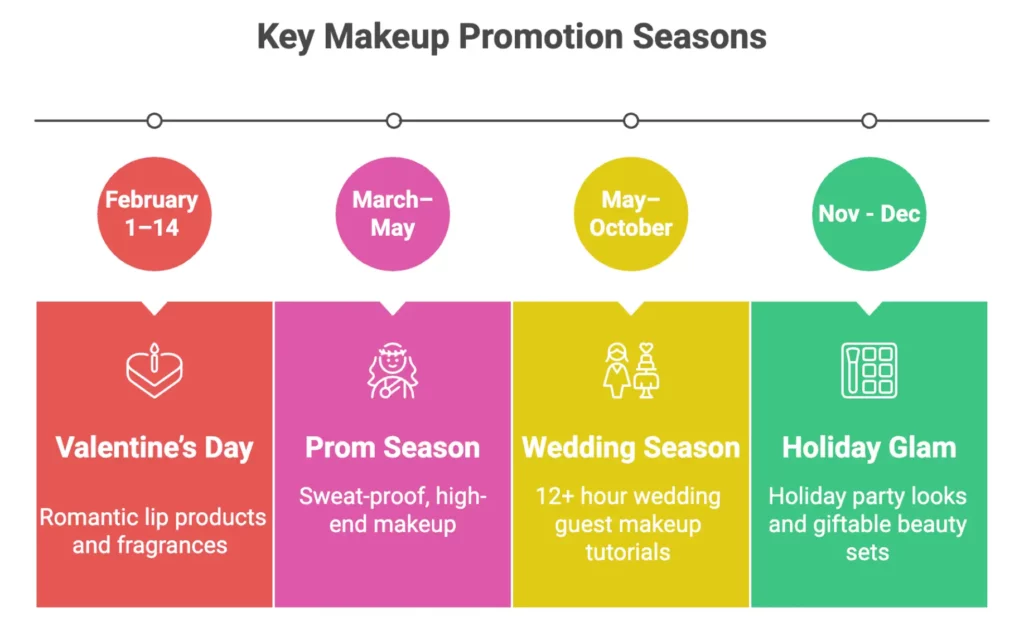
Smart affiliates use the calendar to predict sales. By matching your content to life events, you catch waves of high-intent traffic:
Prom Season (March–May)💃
This is often the first time younger viewers invest in high-end makeup. Tutorials like “Sweat-proof Prom Makeup” convert exceptionally well because the emotional stakes are high—they want to look perfect all night.
Wedding Season (May–October) 💍
During these months, “Wedding Guest Makeup” becomes a massive search term. Since most guests do their own makeup, they are actively hunting for products that can survive 12+ hours of celebration. The need here is immediate and practical.
Holiday Glam (November–December) 🎁
Consider it the “Super Bowl” of beauty retail. Content focused on “Holiday Party Looks” hits two lucrative markets simultaneously: people prepping for parties and people shopping for gifts like palettes and gift sets.
Valentine’s Day (February) 💋
The first two weeks of February see a significant spike in “Date Night” looks. This is the prime window to promote romantic lip products and fragrances.
The trigger here is simple: scarcity of time.
A viewer watching a GRWM video might buy the blush next month.
A viewer watching a “New Year’s Eve Glitter Eye Tutorial” on December 28th buys immediately. They need the product to arrive before the ball drops.
Transformation Content Power
Regardless of the season, one visual format dominates the algorithm: Transformation.
In a crowded feed, the “Before and After” hooks people instantly. Showing the full journey from a bare face (redness and all) to a polished result is satisfying to watch.
This format works because it is undeniable product proof. You are showing how it erases dark circles in real time.
Here’s what you should do:
- The Overhead Angle: Filming with lighting that shows real texture – pores, scars, and peach fuzz.
- No Filters: Showing how a foundation sits on real skin tells the viewer, “This will work for me, too.”
Do You Need a Large Following to Earn from Makeup Affiliate Programs?
The short answer is: no.
There is a common myth that you need 100,000 followers and a “verified” checkmark before you can make money.
The reality is that follower count is often just a vanity number. What pays the bills is trust, not just eyeballs.
In fact, “micro-influencers” (creators with 1,000–5,000 followers) often earn $100–$500 per month. While that won’t buy a mansion, it is significantly more per follower than many massive accounts earn.
Micro-Influencer Advantage
If you have 2,000 followers, you don’t have an audience; you have a community. That means you have a distinct advantage over the giants of the industry.
Think of a celebrity influencer like a speaker in a stadium.
People are listening, but they know the speaker doesn’t see them.
A micro-influencer is like a host at a dinner party. When you recommend a lipstick at a dinner party, your friends trust you because the connection is personal.
Because of this trust, a micro-influencer’s recommendation triggers action. A 6% engagement rate on a focused audience converts more sales than a 1% engagement rate on a broad, disinterested one.
Large accounts have to appeal to everyone. Small accounts can afford to be specific.
You can build a profitable business by dominating a tiny corner of the market, such as:
- “Cruelty-free makeup under $20.”
- “Foundation tips for mature skin over 50.”
- “Drugstore dupes for luxury products.”
Earnings Without Followers
But what if you have zero followers? Surprisingly, you can still make money. This strategy relies on Search Intent rather than Social Influence.
You don’t need a following if you can answer a question people are typing into Google or YouTube.
For instance, if you write a review of “The Best Clean Mascaras” and it ranks on Google, you get traffic from people looking to buy.
They don’t know who you are or follow you; they just want the answer. This takes time (6–12 months) to build, but it is passive.
Or, a video titled “How to cover acne scars” can get thousands of views from search alone.
These viewers are looking for a solution, not a personality. If your tutorial helps them, they will use your links.
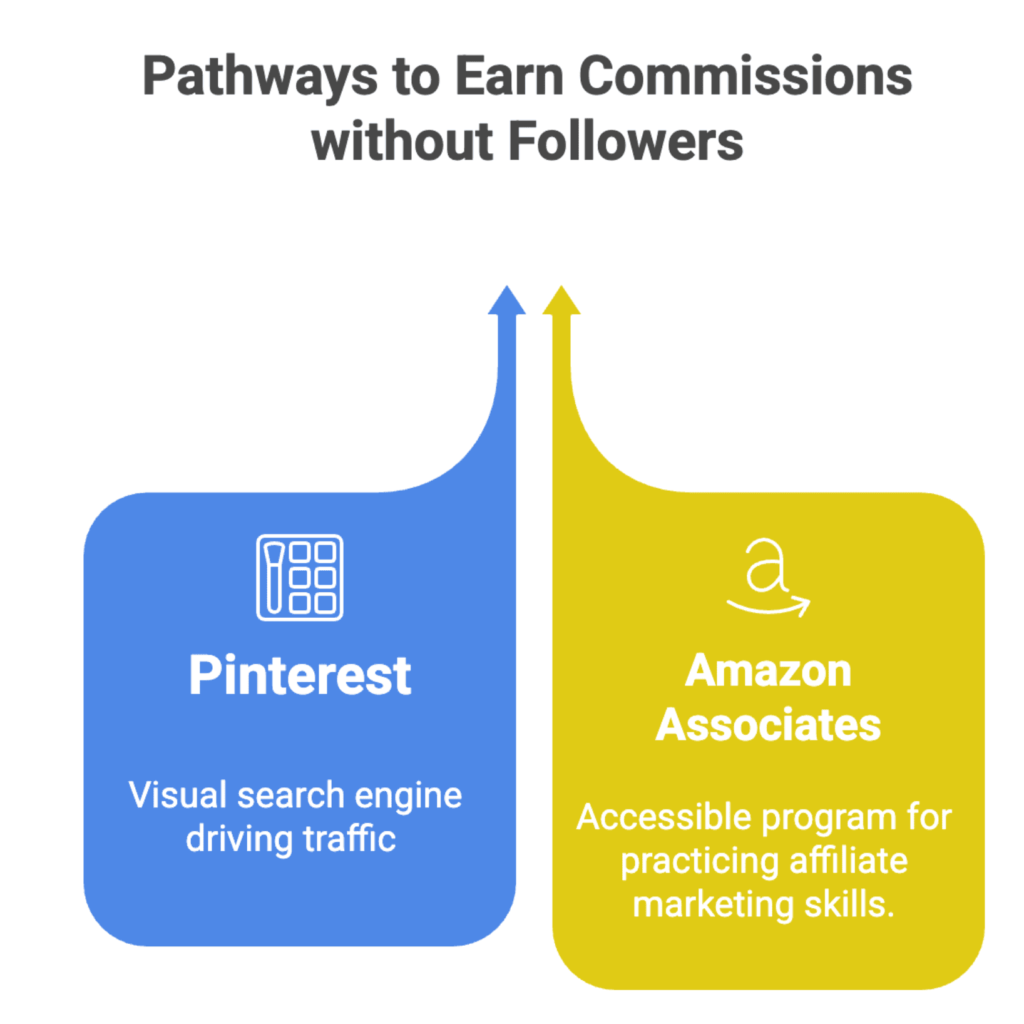
Beyond traditional search engines, specific platforms cater perfectly to the “no-followers” approach.
Pinterest 📌
This is a visual search engine, not a social network.
A well-designed pin can drive traffic to your affiliate links even if you have zero followers, simply because people are searching for “prom makeup ideas.”
Amazon Associates 📦
This program is open to almost everyone. You can sign up instantly and start learning.
While you eventually need to make 3 sales to stay in the program, it allows you to start practicing before you ever build a “fanbase.”
Quality Over Quantity Proof
It is easy to say “followers don’t matter,” but let’s look at the actual numbers. In the affiliate world, a small, focused audience often out-earns a large, distracted one.
Consider this realistic comparison between two beauty creators:
| Creator A: The “Generalist” | Creator B: The “Specialist” | |
| Followers | 50,000 | 8,000 |
| Content | Generic selfies, viral trends, random lifestyle clips. | Specific makeup tips for mature skin (40+). |
| Engagement Rate | 2% | 7% |
| Approx. Engagement | ~$1,000 likes/comments per post | ~$560 likes/comments per post |
| Trust Level | Low | High |
| Follower Motivation | Entertainment, not advice. | View her as an expert on their specific problem. |
| Monthly Affiliate Income | $300 | $450 |
Why Creator B Wins 🏆
The results might seem counterintuitive. Even though Creator A has six times the audience size, Creator B makes significantly more profit. Why? The answer lies entirely in Purchase Intent.
The difference comes down to viewer behavior.
Creator A’s followers simply double-tap the screen and keep scrolling.
Creator B’s followers, however, are actively hunting for solutions to specific pain points, such as fine lines or age spots.
When Creator B recommends a hydrating concealer, her audience doesn’t just “like” the post, they trust her expertise, click the link, and buy the product. ✅
Small Following Success Factors
If follower count isn’t the main metric for financial success, what is?
To replicate the profitable results of “Creator B,” you need to shift your focus away from vanity metrics.
Here are the five specific factors that matter far more than your total subscriber count.
Consistency Beats Virality 🗓️
First, forget about going viral overnight. Posting 3–4 times a week reliably beats posting one “viral” video once a month.
Both algorithms and human beings reward creators who simply show up. Ultimately, you build trust through steady repetition, not through random explosions of views.
Genuine Enthusiasm 🤩
Once you are showing up consistently, you need to ensure your delivery is authentic. A
udiences today have a highly sensitive “fake radar.” Authentic excitement will always convert better than a forced, robotic sales pitch.
If you genuinely love a budget drugstore mascara, your face will show it. And that infectious energy is exactly what makes people click.
Specific Problem Solving 🧩
Enthusiasm attracts attention, but utility closes the sale.
As we saw earlier, generic content attracts casual scrollers, while specific content attracts active buyers.
A video titled “How to stop under-eye creasing” offers tangible value and solves a pain point. In contrast, a video simply titled “My Makeup Look” is often just noise in a crowded feed.
Community Engagement 💬
While you are growing, use your size to your advantage.
When you have a small following, you possess a superpower: the ability to reply to everyone.
Answering specific questions in the comments, like “Does this work for dry skin?”, builds a depth of loyalty.
Quality of Information 📝
Finally, do not confuse production value with information value.
Quality doesn’t mean you need an expensive 4K camera; it means your content must be helpful.
Clear lighting and thorough details matter far more to a potential buyer than fancy editing transitions.
FAQs
What is a makeup affiliate program?
A program that pays commission when you refer customers to makeup or beauty brands through tracked links.
How much commission do makeup affiliates earn?
Typically 5%–30%, depending on the brand, product type, and affiliate tier.
Which makeup affiliate programs are best for beginners?
Sephora, Ulta Beauty, Lookfantastic, and Amazon Beauty are beginner-friendly.
Do makeup affiliate programs offer recurring commissions?
Most are one-time commissions, but some indie or subscription brands offer recurring payouts.
What platforms work best for makeup affiliates?
Instagram, TikTok, YouTube, blogs, and email newsletters perform best.
Is approval required to join makeup affiliate programs?
Some approve instantly; premium brands may review your content or audience first.
Can I promote makeup affiliates without being an influencer?
Yes. SEO blogs, deal sites, and review pages work well without a large following.
How do makeup affiliate links track sales?
Through cookies, usually lasting 7–30 days, depending on the program.
Are makeup affiliate programs profitable?
Yes, especially with tutorials, reviews, before-after content, and trending products.
Do makeup brands allow paid ads for affiliates?
Some do, but many restrict Google Ads or brand-name bidding—always check terms.
Conclusion
After reading this guide, we hope you’re ready to start your affiliate marketing journey for your Shopify makeup brand.
It’s not just about increasing sales, it’s about building a loyal makeup community of passionate people to promote your products over time.
You can build your own affiliate program without any burden with UpPromote. We simplify and automate all the complex tasks for you.
Let’s get in and find out about our pricing plans to know the best option for your brands.

Ellie Tran, a seasoned SEO content writer with three years of experience in the eCommerce world. Being a part of the UpPromote team, Ellie wants to assist Shopify merchants in achieving success through useful content & actionable insights. Ellie's commitment to learning never stops; she's always eager to gain more knowledge about SEO and content marketing to create valuable content for users. When she's not working on content, Ellie enjoys baking and exploring new places.