

As mental health challenges become more widespread, the demand for related products and services has skyrocketed. The mental health market is expected to reach nearly $40 billion by 2029 (Statista).
That also explains why mental health affiliate programs are so enticing to marketers. With such high demand, there’s a great chance to promote products and earn commissions.
If you’re interested in helping others manage depression, overcome panic attacks, and reduce anxiety, check out our top mental health affiliate programs.
Be sure to read through the article to learn how to start with affiliate marketing for mental health brands.
Quick Comparison
| Program Name | Commission (%) / Amount | Cookie Duration (Days) | Niche Suitable |
|---|---|---|---|
| Online Therapy | $150 per sale | 90 days | Mental health, online therapy, meditation |
| Greater Minds | 50% | Not mentioned | Personal development, mindset training |
| Panic Away | $43–48 per sale | 60 days | Anxiety relief, mental health |
| Mindvalley | 30% | 30 days | Self-help, meditation, healing, personal growth |
| Simple Truths | 10% | 45 days | Motivational books, personal development |
| Mosaic Weighted Blankets | 8% | 30 days | Stress relief, sleep products |
| Coursera | 15–45% | 30 days | Online courses, mental health courses |
| PositivePsychology.com | 20% | 365 days | Psychology resources, professional tools |
| Bright Brain | 25% | Not mentioned | Nootropics, brain supplements |
| Lumultra | 50% | 30 days | Nootropics, mental performance |
Affiliate Earnings Calculator
Estimate your affiliate income based on Traffic, CTR, AOV, and Commission rate. Drag the sliders below to explore different scenarios.
Estimated Results
These figures are for illustrative purposes – feel free to adjust them to fit your specific niche.
- Conversion Rate here is defined as the percentage of traffic that buys.
- Does not account for refunds, cancellations, or varying commission rates by product.
Top 18 High-ticket Mental Health Affiliate Programs
1. Online Therapy
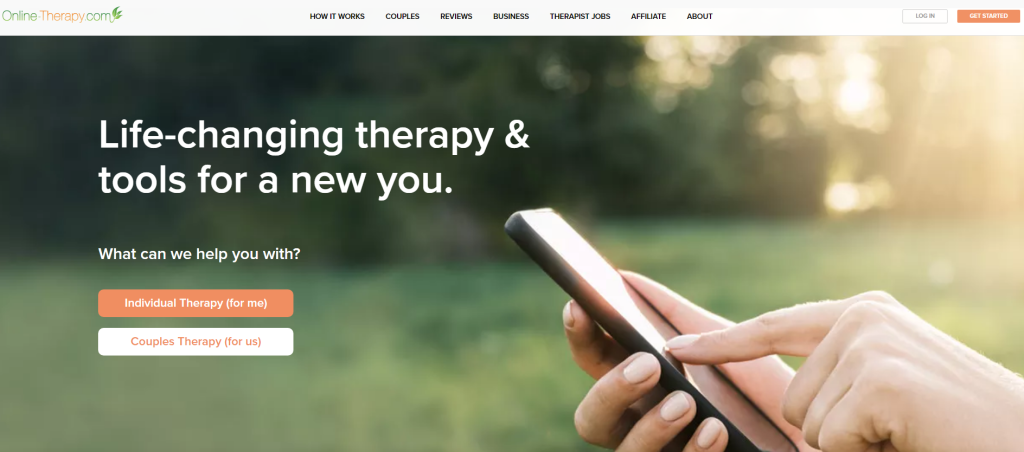
Online Therapy offers one of the best online therapy toolboxes for their customers. They produce videos, journals, activity plans, and tests for people seeking therapy and meditation.
Their mental health affiliate program pays affiliates $150 per conversion. Especially, customers who join Online Therapy through your link will receive a 20% discount.
You can get credited up to 90 days after the cookie expires. Online Therapy will wire payments to their partners monthly. Moreover, you can keep track of your progress via a personal affiliate dashboard.
|
2. Greater Minds
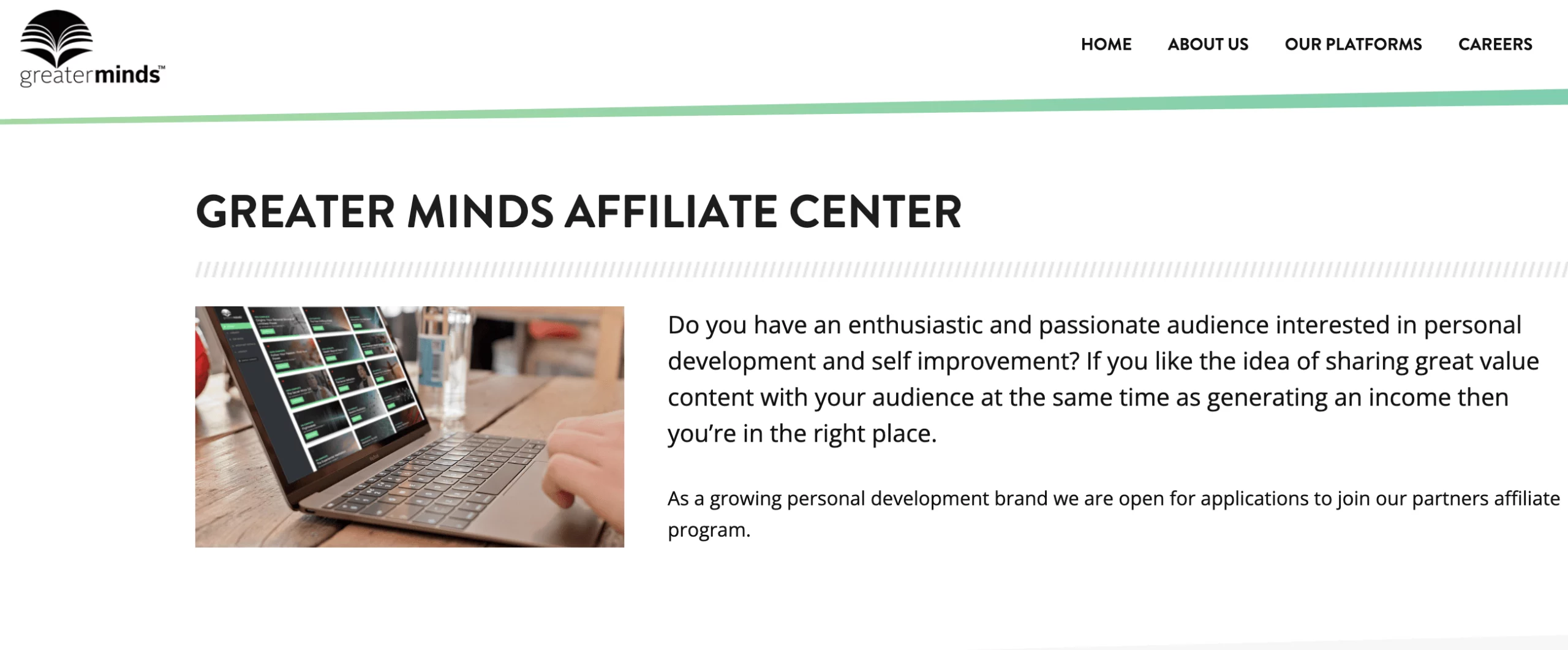
Great Minds creates earning experiences that motivate people to live happier lives. They also provide access to personal development tools, resources and training from experts.
Affiliates can earn a 50% commission rate for each sale they generate through their link. However, you must earn at least $100 in commissions to receive your monthly payout. For commission and prizes, Great Minds will send your payment on the 15th of the month.
Great Minds affiliate program has a customer support team to solve problems. Plus, they have reliable tracking tools and give out prizes for high-performing affiliates. Their brand contains programs that fit personal development and could reach more customers.
|
3. Panic Away
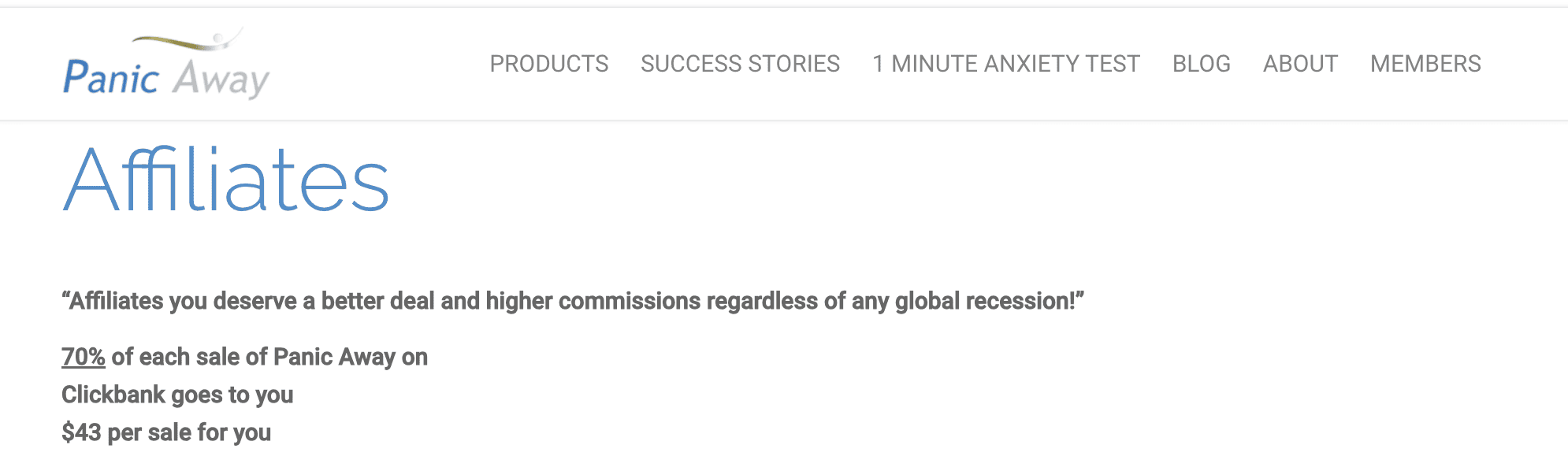
Panic Away is among the top affiliate programs for mental health. They provide products and training programs to reduce anxiety.
The commission rates of the Panic Away affiliate program are:
- $43 for the sale of digital product
- $48 for the sale of physical back
Their cookie duration is based on ClickBanks’s term, up to 90 days. Panic Away provides promotion options, including banners, email marketing, and coupon promotions.
|
4. Mindvalley
Mindvalley is an education company with 24 premium courses for personal growth. Their diverse courses range from meditation and healing to manifesting.
Their therapy affiliate program has a 30% commission rate and a 30-day cookie duration. Mindvalley’s average order value is $300, which means you could earn up to $90 for each sale.
Mindvalley creates a campaign for their partners to attract more traffic. They also have a dedicated marketing manager to improve your conversions. Affiliates could choose suitable tools, including emails, banner ads, and links.
|
5. Simple Truths
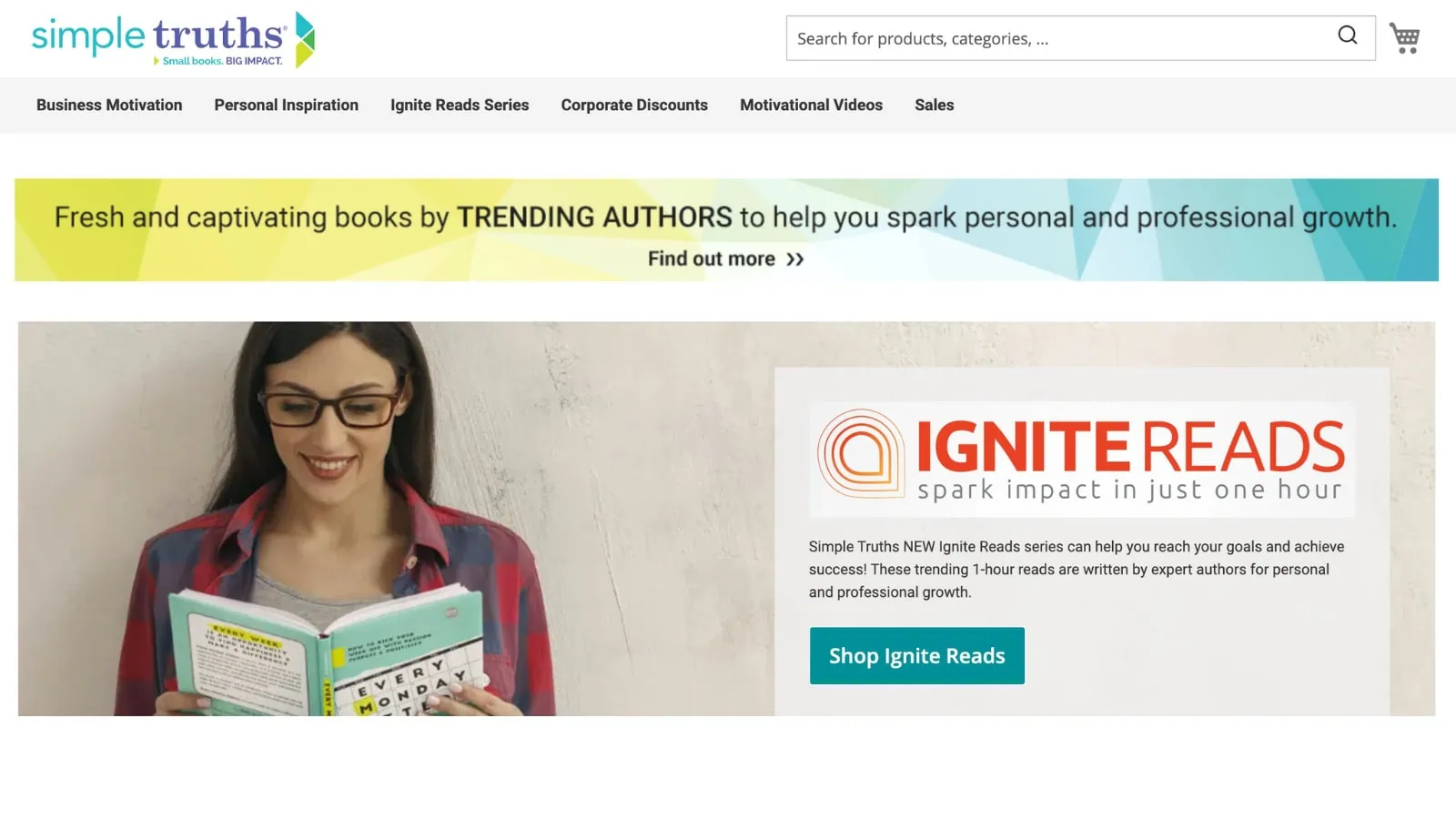
Simple Truths has a wide range of motivational books and videos. They have published 150 designed gift books on themes such as attitude, teamwork, and more.
As their mental health affiliates, you will receive a 10% commission rate on each net sale. The cookie duration is 45 days for all links available.
They have a dedicated marketing manager to improve your conversions. You can request custom links as well and receive monthly newsletters.
If you become a VIP partner, you may qualify for exclusive commissions based on monthly sales. They will provide you with various exclusive offers and promotions.
|
6. Mosaic Weighted Blankets
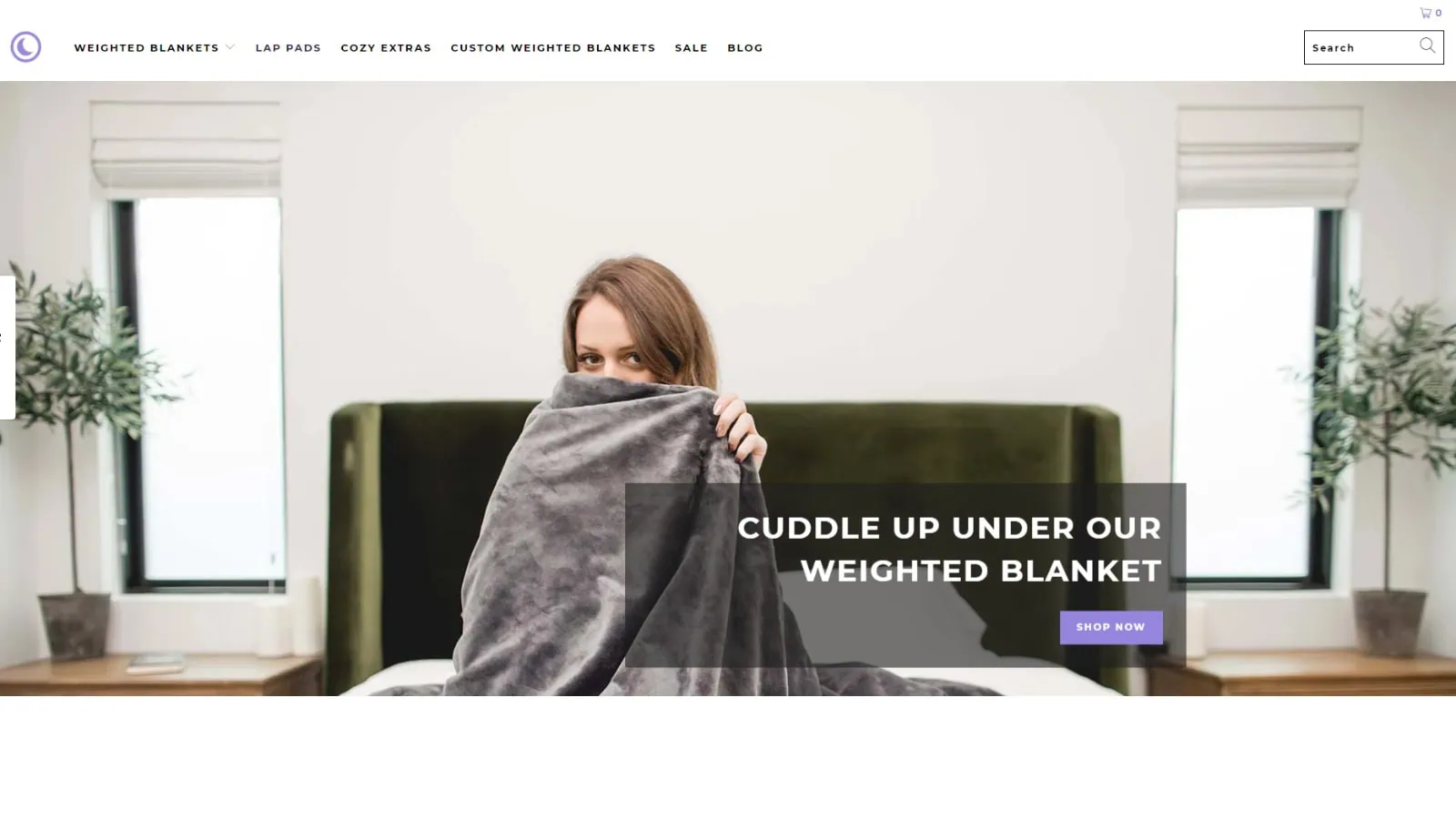
Weighted blankets are renowned for helping you relax, reduce stress, and improve sleep quality. These blankets are crafted with commercial-grade, BPA-free plastic pellets and high-quality fabrics.
The Mosaic Weighted Blankets affiliate program offers an 8% commission rate on orders over $100. With an average order value of $150, so you could earn $12 per successful order. The cookie duration lasts 30 days from the first click.
With access to all on-site products, you can choose the most suitable ones to promote. Once you become their partner, you will have access to all the links, logos, and banners. They also send monthly newsletters with promotions, incentives, and the latest offers.
|
7. Coursera
Coursera provides more than 7,000 courses and specializations, including mental health courses. Users can easily find any therapy or meditation courses here and earn certificates.
Managed through Impact, the Coursera affiliate program offers various commissions for affiliates:
- 15% for Coursera Plus Annual Subscription
- 45% for Coursera Plus Monthly Subscription
- 45% for ProfessionalCertificate and SpecializationSubscription
The cookie duration is 30 days, and you will have a tracking tool to track your traffic. As a partner, you can access their updated products. Moreover, you will get banners, text links, and monthly newsletters for promotion.
|
8. PositivePsychology.com
PositivePsychology supports practitioners in creating better plans for their clients. In their science-based environment, professionals will be equipped with more principles in psychology.
Their affiliate program offers a commission rate of up to 20% per sale. Your affiliate links have a generous 365-day cookie duration. About payment, PositivePsychology.com pays partners commissions monthly via bank transfer.
PositivePsychology.com designs banner ads and text links for affiliates to promote their products. However, they are strict on their intellectual property and license, so you must avoid unauthorized purposes.
|
9. Bright Brain
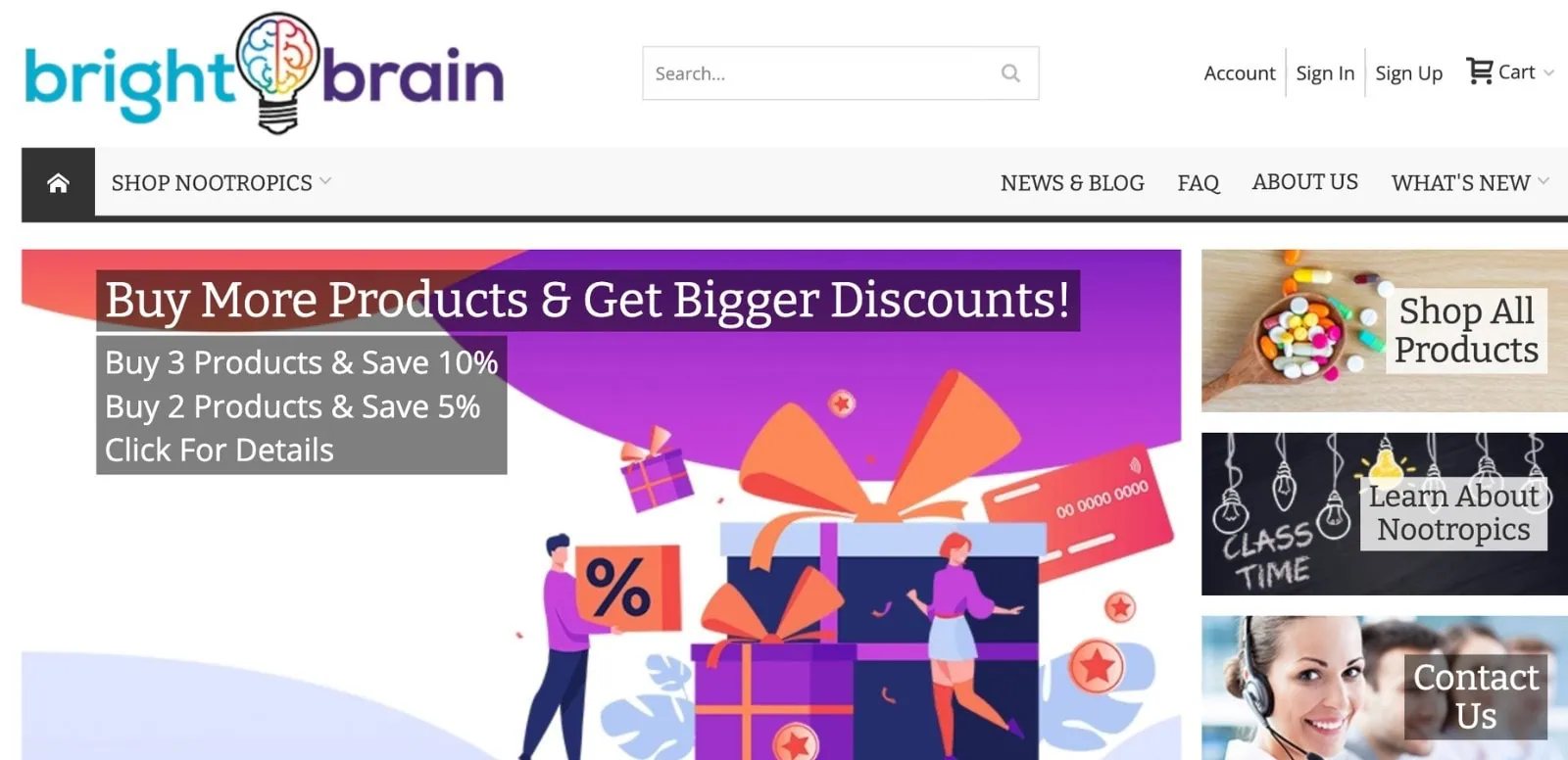
Bright Brain has been a leading brand in providing nootropics (cognitive enhancers) since 2005. Their goal is to improve customer’s minds and bodies on a chemical level with excellent results.
Bright Brain offers a high-ticket mental health affiliate program with a 25% commission rate. However, to receive a monthly payout, you must have a minimum threshold of $100.
Notably, affiliates who sign up for their affiliate program can immediately receive $25. As their partners, you will receive coupon codes and giveaways to increase sales.
|
10. Lumultra (Avanse Nutraceuticals)
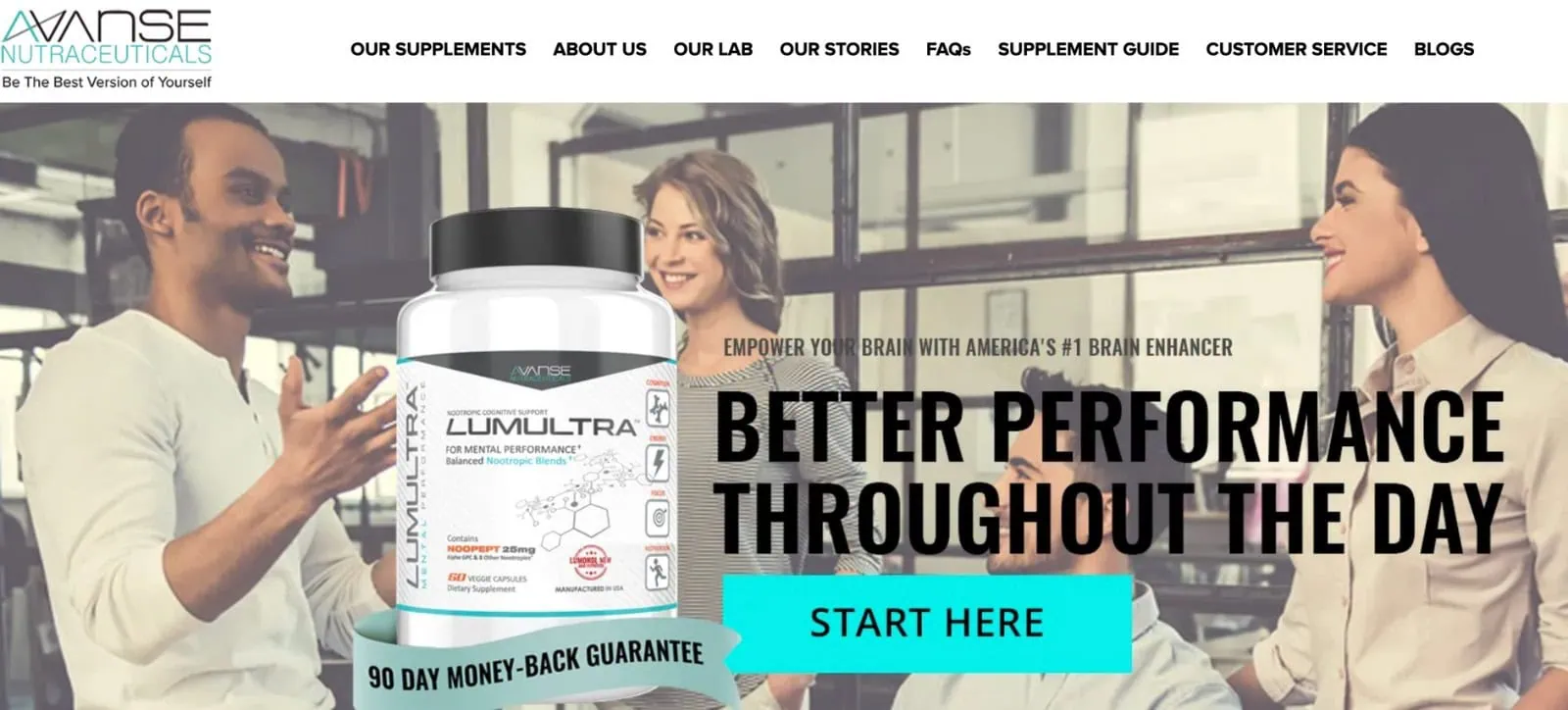
Lumultra is one of the best pill suppliers in the US. They are famous for supporting people with trouble focusing, uneasiness, fear, nervousness, poor memory, or easily distracted.
Lumultra affiliate program has a high commission rate of up to 50% per sale. Their average order value is 100$, which means you can earn $50 for each sale. This brand’s cookie tracking lasts for 30 days from the first click of the customer.
Being part of their affiliate program gives you access to Lumultra product data feeds and widgets. They also give exclusive banners, text links, and monthly newsletters so that you can promote their product better.
|
11. Block Therapy
- Commission rate: 15%
- Cookie duration: Not mentioned
Block Therapy uses special techniques to improve pain, posture, and overall health. This brand provides Fascia Decompression techniques in meditation, therapy, and other activities.
12. CogniFit
- Commission rate: 15%
- Cookie duration: 30 days
CogniFit provides effective brain programs for memory, focus, math, and more. Their program includes more than 60 brain games and various tools for training your brain.
13. BestSelf
- Commission rate: 30%
- Cookie duration: Not mentioned
BestSelf develops well-designed tools to transform lives. Their products, from personal growth to romantic collections, are suitable for everyone’s use.
14. Self love rainbow
- Commission rate: 30%
- Cookie duration: Not mentioned
Self-love Rainbow is a place where you can talk and chat about your mental health. They offer peer-to-peer mental health support & encouragement to deal with your problems.
15. Limitless Nootropics
- Commission rate: 20%
- Cookie duration: Not mentioned
Limitless Nootropics is a top provider of nootropics drugs. Their products are smart drugs or cognitive enhancers, which can boost our brain power.
16. Talkspace
- Commission rate: $40
- Cookie duration: 7 days
Talkspace connects you with licensed therapists in your state. At Talkspace, clients can message their therapist via text, voice, video, and more.
17. Destroy Depression
- Commission rate: 75%
- Cookie duration: Not mentioned
Destroy Depression is one of the most comprehensive natural depression treatments online. They offer various products and programs to cure your depression symptoms.
18. MindPanda
- Commission rate: 10-20%
- Cookie duration: Not mentioned
MindPanda delivers simple solutions for a healthier mind. You can try their activity packs, games, and gadgets to reduce stress and anxiety daily.
Why Should You Promote Mental Health Affiliate Programs? (4 Data-Backed Reasons)
Many affiliates hesitate to enter the mental health niche. They assume it’s too sensitive or too small to be profitable. But the data tells a very different story.
We are seeing a powerful mix of two forces—rapid technology growth and a massive cultural shift—that makes this one of the best sectors for affiliate growth right now.
Before you choose your offers, you need to understand the size of this opportunity. Here is the financial and cultural reality of the mental health market today.
Explosive Market Growth: A $537.97 Billion Industry Expanding Rapidly
If you think mental health is a “soft” niche, look at the hard numbers. The global mental health market has grown from $383.31 billion in 2020 to a massive $537.97 billion in 2024.
But for affiliates, the real gold mine isn’t the traditional sector. It’s the digital explosion happening inside it.
💆🏻♀️ Online Therapy: This segment has grown 156% since 2020, reaching a value of $6.95 billion.
📲 App Use: Downloads for mental wellness apps have jumped by 200%.
📊 Search Volume: Organic searches for “online therapy” and related terms are up 175%.
Think of this like the e-commerce boom of the early 2000s. Growing markets create a “rising tide” effect.
In a stagnant market, you have to fight competitors to steal a slice of the pie. In a growing market like this—predicted to top $700+ billion by 2030—the pie itself gets bigger every day.
By entering now, you aren’t fighting for scraps. You are building authority in a sector where demand is growing faster than supply.
Cultural Shift: Reduced Stigma Increases Buyer Willingness
Ten years ago, selling therapy online was an uphill battle. Admitting you needed help was often seen as a weakness. Today, the conversation has completely flipped.
We are seeing a massive generational divide in how mental health is viewed—and purchased.
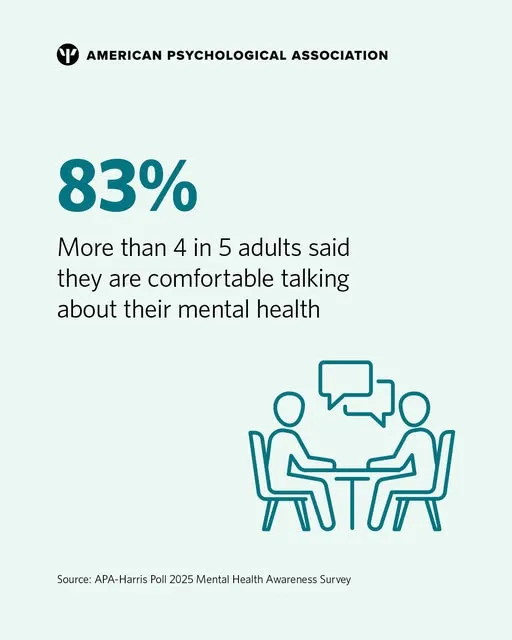
Recent data shows that 83% of adults aged 18-34 are comfortable discussing their mental health, compared to just 42% of those over 55.
I remember trying to run a meditation offer back in 2015. The conversion rates were terrible because the audience felt “weird” about it.
Fast forward to today, and you have major celebrities and influencers openly sharing their therapy journeys on Instagram and TikTok.
This openness has normalized seeking help.
- Engagement: Mental health content now gets 3.2x higher engagement than general lifestyle content.
- Retention: 68% of users who started therapy during the pandemic plan to continue.
This cultural shift solves the hardest part of marketing: Problem Awareness.
In many niches, you have to convince the reader they have a problem before you can sell the solution.
In the mental health niche today, the stigma is gone. Audiences are already looking for solutions. You aren’t creating demand; you are simply meeting it.
This means less hesitation at checkout, higher immediate conversion rates, and an audience that is more likely to share your content.
High Lifetime Value: One Customer = $2,000-$4,800 in Revenue
In most niches, the transaction ends the moment the credit card is swiped. If you sell a pair of headphones on Amazon, you might earn a commission on a single $50 purchase.
To make real money, you need a constant stream of new traffic.
Mental health is different. It is rarely a one-time purchase. It is a journey.
Let’s look at the numbers.
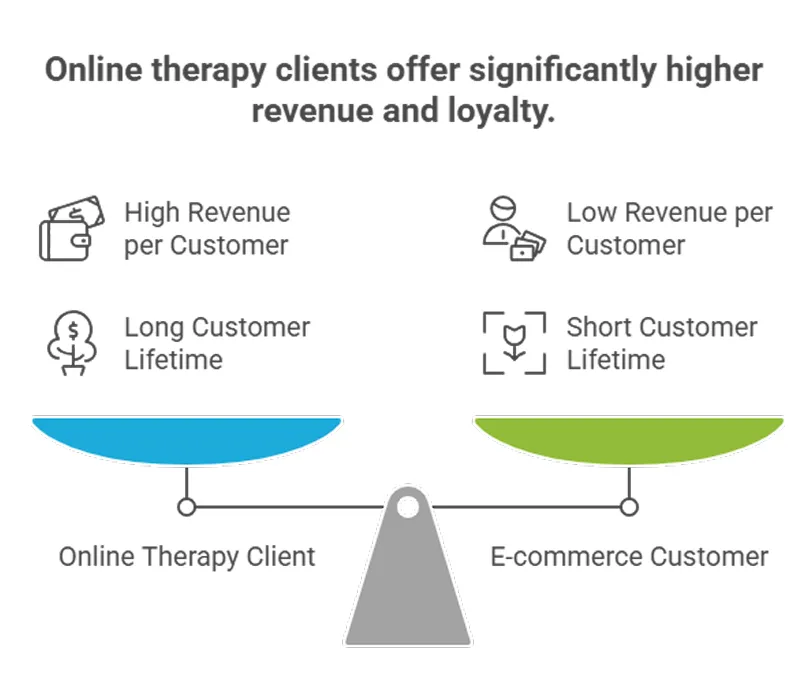
A typical online therapy client pays between $200 and $400 per month. Data shows that the average client stays in therapy for 6 to 12 months.
- Total Customer Value: $2,000 to $4,800+.
- The Comparison: That single client is worth the same revenue as 40 to 90 typical e-commerce customers spending $50 each.
It’s not just therapy. Users of mental wellness apps tend to stick around.
🕒 Subscription Length: App subscribers often keep their memberships for 8+ months.
🎓 Course Completion: Mental health courses see completion rates of 40-60%, compared to the industry average of just 15%.
🛒 Cross-Selling: Once a user trusts a platform, 85% are willing to try related products (like journaling tools or supplements).
Because the Lifetime Value (LTV) is so high, you can afford to spend more time winning a single customer.
You aren’t just earning a one-off commission. You are starting a relationship that generates revenue for the brand—and potentially for you—for nearly a year.
Recurring Commission Models: Build True Passive Income Streams
The “Holy Grail” of affiliate marketing is doing the work once and getting paid repeatedly.
While most e-commerce programs pay you a one-time fee, many mental health programs operate on a Recurring Commission model.
Let’s break down the potential of three common structures:
| Platform Type | Initial Payout | Recurring Income | Key Benefit |
| Therapy Platforms | Large
$100 – $200 upfront bonus. |
$10-$30 monthly per active client. | High initial reward plus monthly stability. |
| Wellness Apps | No significant upfront payment offered. | 20%–30% of monthly subscription fees. | Reliable passive income from app users. |
| Course Platforms | Varies based on initial course price. | Commission on all future user purchases. | Lifetime earnings from repeat student buying. |
Small numbers add up fast when they stack.
If you refer just 100 active users to a therapy app paying $20/month in recurring commissions, you have built a $2,000/month baseline income.
This money comes in whether you write new content that month or not. In a one-time commission model, you would start every month at $0, scrambling to find new buyers.
Not all “recurring” offers are created equal. I have seen programs that advertise “lifetime commissions” but hide a rule in the fine print that caps payments at 3 or 6 months.
Always check the “Cookie Duration.” Verify the “Life of the Customer” terms.
Don’t build a strategy around passive income until you have confirmed the program actually pays it.
How Do You Choose the Right Mental Health Affiliate Programs? (5 Essential Criteria)
You now understand the massive potential of the mental health market. But here is where most affiliates fail: they jump straight into the highest-paying offer without vetting it first.
Selecting the wrong program isn’t just a financial mistake. In this niche, it can damage your reputation and hurt vulnerable people.
Promoting a shady supplement or a glitchy app to someone in crisis is a surefire way to destroy the trust you’ve built.
To succeed, you need a system to evaluate offers. I use a specific 5-point framework to check every partner before I ever generate an affiliate link. Here is how to apply it.
Step 1: Evaluate Audience Fit (Most Critical Factor)
The most common reason for low sales isn’t “bad traffic”—it’s a mismatch between the offer and the audience’s reality.
A program that converts at 10% for one group might convert at less than 1% for another.
You must check your audience’s financial capacity and specific needs before choosing a partner.
Imagine you run a blog for stressed college students.
The Mismatch: Promoting BetterHelp (which costs $240-$360/month) to this group will likely fail. They need help, but they cannot afford that price.
The Fix: Instead, promote Headspace or Calm ($12.99/month). The commission is lower per sale, but your sales volume will be much higher because the price matches their wallet.
General platforms often miss the mark for specific communities.
If your audience is primarily LGBTQ+, a general therapy link might feel impersonal.
Promoting Pride Counseling (a niche-specific brand) will almost always convert better because the landing page speaks directly to their life experience.
Never promote online courses to an audience in immediate crisis. If your content targets “severe depression symptoms,” promoting a $49 video course is unethical. They need immediate access to therapy.
Ask these 3 questions first:
- Can my average reader actually afford this service?
- Are they looking for education (Courses), maintenance (Apps), or treatment (Therapy)?
- Does the landing page reflect who they are?
Once you’ve found a program that fits your audience, you need to ensure it fits your business goals. A high conversion rate is useless if the payout is too low.
Step 2: Analyze Commission Structures for True Earning Potential
New affiliates often get blinded by high percentages. They see “50% Commission!” and sign up immediately. But you need to look at the actual dollar amount and the terms of the deal.
Always calculate the “Earnings Per Sale” (EPS).
Scenario A: A generic Udemy course pays 20%. On a $50 sale, you earn $10.
Scenario B: A therapy platform pays a flat $150 for a qualified signup.
The Reality: You would need to sell 15 courses to equal the revenue of one therapy referral. Unless the course sells 15x better, the therapy offer is the better use of your traffic.
Don’t dismiss small numbers if they repeat.
A meditation app might only pay $4/month per user. It takes 3 months to match that single $12 Udemy sale.
But if that user stays for 9 months, that single referral becomes worth $36—and you didn’t have to do any extra work.
| Feature | Category | Scale or Window | Marketing Strategy |
| Volume Tiers | Low Traffic | $70 per lead (1–5 sales). | Standard pay for small audiences. |
| High Traffic | $150 per lead (50+ sales). | Negotiate higher rates for volume. | |
| Cookie Life | Short Term | 7-day tracking window. | Requires immediate, urgent sales tactics. |
| Cookie Life | Long Term | 90-day tracking window. | Best for educational guides and nurturing. |
Calculate your “Break-Even Point.” How many sales do you need to make to justify the time you’ll spend writing the review? If the number is too high, walk away.
Step 3: Verify Product Quality Through Personal Testing
In affiliate marketing, your reputation is your only true asset.
If you recommend a mental health app that glitches, charges hidden fees, or gives bad advice, you don’t just lose a commission. You lose your audience’s trust forever.
Never promote a tool you haven’t used. I treat this as a mandatory business cost. Spend the $10-$60 to buy the cheapest monthly plan and use the product for a week.
📋 The “Friend Test”: After using it, ask yourself: “Would I honestly recommend this to a friend who was struggling?” If the answer is no, do not promote it.
🪪 The Credential Check: On therapy platforms, verify that the therapists are actually licensed.
🤝 The Support Test: Send a customer service email. If they take 5 days to reply to you, they will do the same to the people you refer.
Your experience is just one data point. You need to see the bigger picture.
Look for specific red flags like “impossible to cancel” or “billing errors.” Ignore generic complaints like “didn’t work for me”—therapy is personal. Focus on business failures.
Search for the brand name on Reddit. This is where you will find the unfiltered truth about user experiences that never make it to the testimonials page.
Think of that $50 testing cost as insurance. It is a tax-deductible expense that protects the thousands of dollars you’ll make from a trustworthy partner.
Step 4: Assess Affiliate Support and Resources
A partnership is a two-way street. The best affiliate programs don’t just give you a link; they give you a toolkit for success. The worst ones leave you to figure everything out on your own.
Before joining, look for these green flags:
- Do they clearly state what you can and cannot say? In the mental health niche, vague rules can lead to legal trouble.
- Is there a dedicated manager you can email? A good program has a contact who replies within 24-48 hours.
- Do they provide banners, email templates, and landing pages?
- Look for monthly payouts with a reasonable minimum threshold (e.g., $50 or $100).
Run away if you see these signs:
👻 The “Ghost” Manager: You email support and don’t hear back for weeks. If they ignore you before you start selling, they will ignore you when you have a payment issue.
❌ Bad Tracking: The dashboard is confusing, or you can’t see where your sales are coming from.
😞 Unfair Payment Terms: Programs that only pay quarterly or require you to earn $500+ before paying you create cash flow problems.
Programs that force you to build everything from scratch usually have high turnover. You want a partner, not a puzzle.
What Content Types Work Best for Mental Health Affiliate Marketing?
You’ve chosen a solid program and vetted it personally. Now comes the execution phase: How do you actually promote it?
Not all content is created equal. A generic banner ad might convert at 0.5%, while a well-structured comparison guide can convert at over 20%.
The “secret” isn’t luck. It’s matching the right content format to your audience’s intent.
Below, I’ve broken down the three highest-converting content assets in this niche. I’ve included expected conversion rates, difficulty levels, and platform-specific guides so you can choose the format that fits your skills.
Content Type #1: Comparison & Review Content (15-25% Conversion Rate)
Difficulty: High (8-15 hours)
Best For: Capturing high-intent buyers ready to purchase
When someone searches comparison queries like “BetterHelp vs Talkspace,” they’re decision-ready.
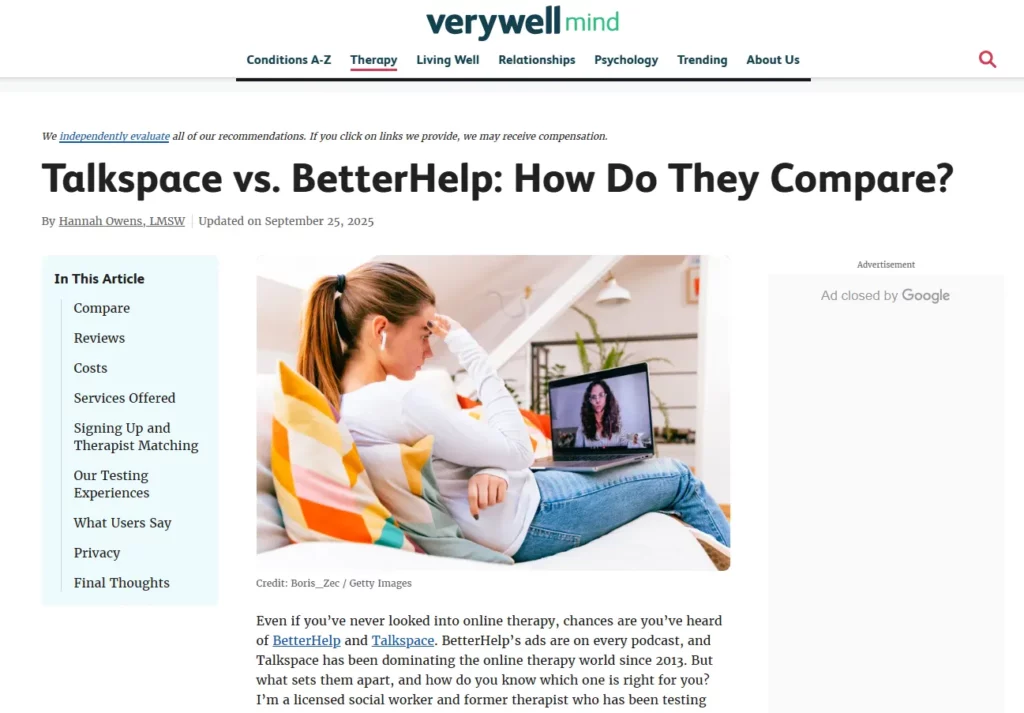
Your role is helping them choose, not convincing them to buy.
The reason why this approach has such high conversion rates:
- High purchase intent
- Saves research time
- You earn commissions from multiple options
Here’s how you strategize your content per platform:
| Platform | Primary Format | Key Visual/Structure | Top Strategy |
| Blog | Detailed comparison articles with tables. | Deep-dives followed by specific recommendations. | Show costs and features upfront. |
| YouTube | 10-15 minute interface walkthroughs. | Split-screen visuals and timestamps. | Pinned comments with affiliate links. |
| Multi-slide educational carousels. | Hook slide followed by charts. | Use scannable charts on slides. | |
| TikTok | Fast-paced multi-part video series. | Single feature focus per video. | Compare specific features in segments. |
Comparison content captures bottom-of-funnel traffic effectively. To scale your audience, pair this with educational content that attracts people earlier in their research journey.
Content Type #2: Educational & Problem-Solution Content (10-18% Conversion Rate)
Difficulty: Medium (4-8 hours)
Best For: SEO growth, building trust, and warming cold audiences
Solve problems first, sell second. Position your affiliate offer as the natural tool to implement your solution.
Here’s why this content performs:
- Builds trust through free value
- Captures high-volume search traffic (“how to manage anxiety” vs. brand names)
- Product becomes the logical next step
📝 Blog:
Write guides like “7 Science-Backed Anxiety Strategies.” Offer 6 free, actionable tips (breathing exercises, journaling, sleep hygiene).
▶️ YouTube:
Demonstrate specific techniques (like CBT journaling). Close with: “Want professional guidance to go deeper? I recommend [Platform Name].”
📧 Email Sequence:
Run a 5-Day “Mental Wellness Challenge.” Days 1-4 deliver pure value. Day 5 recommends therapy for sustaining long-term progress.
🌐 Social Media:
Reels/TikTok: 90-second tips using trending audio, CTA directing to “link in bio for full toolkit” (includes affiliate offer)
Educational content engages the mind effectively. But the next format—though often intimidating to create—targets the heart and typically converts highest.
Content Type #3: Personal Story & Experience Content (18-30% Conversion Rate)
Difficulty: Low-Medium (requires honesty, not technical skills)
Best For: Overcoming skepticism and building deep connection.

Share your authentic mental health journey. This isn’t a review—it’s testimony that transforms you from salesperson to trusted human.
Why It Converts:
- Vulnerability stands out in polished social feeds
- Shows real proof, not just claims
- Your unique story can’t be replicated
Platform Strategies:
Blog: Write timeline-based pieces like “My 6-Month BetterHelp Experience.” Detail specific symptoms, the decision to start therapy, awkward moments, and genuine improvements. Include honest cons (cost, therapist mismatches) to make pros credible.
YouTube: Create intimate vlog-style content. Film casually from your couch. Show the actual app, discuss initial fears, highlight milestones with on-screen text.
Social Media:
- Instagram Stories: “Day in the Life” series showing therapy sessions in your routine. Use polls (“Have you felt this too?”) for engagement.
- Twitter/X: Journey threads often go viral by inviting others to share their experiences.
⚠️ Critical Warning: Only share what you’re comfortable making permanent. Protect your peace first—sales are secondary.
Personal stories are powerful monologues. The next format transforms that into dialogue for maximum conversions.
Content Type #4: Community & Interactive Content (20-35% Conversion Rate)
Difficulty: Medium-High (requires consistent management)
Best For: Building loyal communities and sustainable businesses
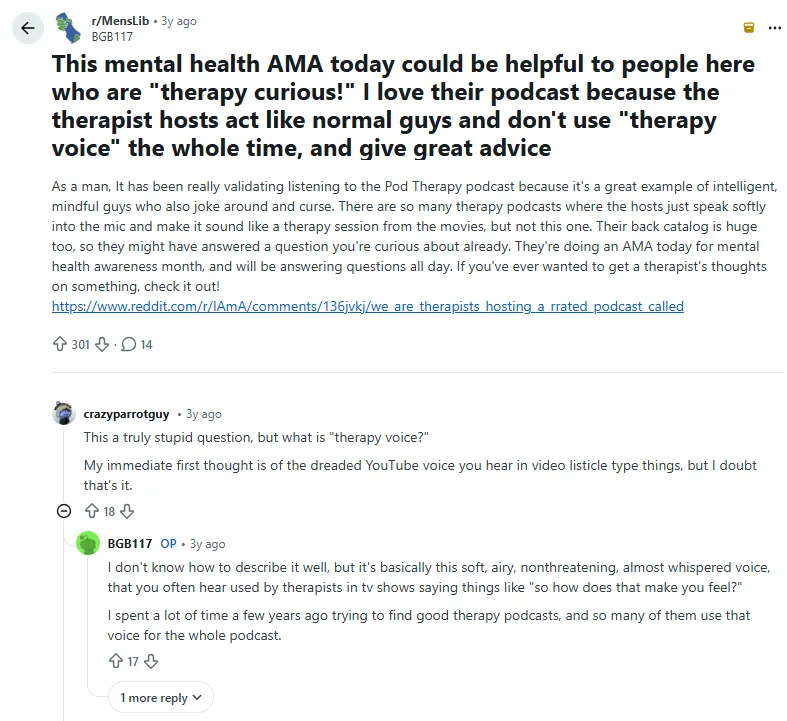
Transform passive audiences into active participants. When people engage in conversations, trust builds naturally—they’ll ask you for recommendations.
This content type is the best because:
- Address doubts instantly during live interactions
- Social proof motivates action when others participate
- Multiple touchpoints create ongoing engagement
🔴 Live Video (YouTube/Instagram/TikTok):
Host “Mental Health AMA” sessions. Answer questions about coping strategies and naturally mention your tools.
Soft sell example: “Great question about sleep. I use Headspace’s Sleepcasts for that—total game changer.”
🚩 Challenges:
Run “30-Day Mindfulness Challenges” with daily prompts via email/social.
Integrate affiliate tools as optional resources: “Day 1: Meditate 5 minutes. I use [App Name], but timers work too.”
📧Email Newsletter:
Send weekly check-ins asking “How was your mental health this week?”
Share anonymized replies and weave in recommended resources naturally.
What Legal and Compliance Requirements Apply to Mental Health Affiliate Marketing?
In the mental health niche, marketing errors can lead to $50,000+ fines and permanent platform bans. To protect your business, follow these five compliance essentials:
📢 FTC-Compliant Disclosures
Transparency is mandatory. Disclosures must be “clear and conspicuous,” appearing before the first affiliate link.
Use plain language (e.g., “I may earn a commission”) rather than legal jargon. For video, you must state the disclosure verbally and include it in the description.
🚨 Avoid Prohibited Claims
You are a marketer, not a doctor. Never claim a product can treat, cure, prevent, or diagnose any condition.
Use “soft” language like “supports” or “designed to assist with.” Always include a disclaimer stating your content is for educational purposes and is not medical advice.
🛡️ Respect Privacy and HIPAA
Never collect sensitive health data (like diagnoses) via DMs or unsecured forms; let the affiliate platform handle the intake.
Highlighting that a partner platform is HIPAA-compliant is an excellent way to build trust safely.
⚠️ Navigate Ad Restrictions
Major platforms like Google and Meta strictly limit health-based targeting.
Because paid ads often require specific certifications and carry a high risk of rejection, focus on Organic Search (SEO) and organic social content to build a safer, long-term asset.
💼 State Telehealth Laws
Therapists are generally licensed by state. Ensure your affiliate partners cover the geographic areas of your audience.
Be transparent about location limitations to prevent misleading users and damaging your reputation.
Treating compliance as a priority—rather than an afterthought—is the only way to build a sustainable mental health affiliate business.
FAQs
What are mental health affiliate programs?
Mental health affiliate programs allow publishers to earn commissions by referring users to services such as online therapy, counseling platforms, mental wellness apps, addiction recovery programs, or mental health courses. Commissions are typically paid per lead, per signup, per call, or per completed treatment enrollment.
Are mental health affiliate programs legit?
Yes, most mental health affiliate programs are legitimate when run by licensed providers, HIPAA-compliant platforms, or established healthcare networks. Affiliates should always verify compliance, transparency, and ethical marketing standards before promoting any mental health service.
Is SEO effective for mental health affiliate marketing?
Yes, SEO is one of the most effective and compliant channels. Users searching for mental health help often have strong intent. Ranking for informational, solution-based, and comparison keywords can produce consistent conversions over time.
Do mental health affiliate programs offer recurring commissions?
Some do. Subscription-based therapy platforms and wellness apps often pay monthly recurring commissions, which can create predictable passive income for affiliates with long-term content strategies.
Conclusion
Let’s take a breath and look back at what we’ve covered.
Ultimately, you’re not just creating another sales channel. You are building a community of passionate advocates who believe in your work.
You are expanding your mission, reaching more people, and creating a network of voices that genuinely care about mental well-being. And that is a beautiful way to grow.

Ellie Tran, a seasoned SEO content writer with three years of experience in the eCommerce world. Being a part of the UpPromote team, Ellie wants to assist Shopify merchants in achieving success through useful content & actionable insights. Ellie's commitment to learning never stops; she's always eager to gain more knowledge about SEO and content marketing to create valuable content for users. When she's not working on content, Ellie enjoys baking and exploring new places.