

The US real estate market sees a steady growth rate of 3.34% in the next 5 years. Therefore, you have vast opportunities to earn some profits from real estate affiliate programs. You can choose to advertise rentals, listings, home loans, or website builders in this niche.
We’ve collected the top choices for you to consider in this article. Read through highlighted benefits and choose the right real estate affiliate program.
For more program options, explore our curated list of top programs in related niches like mortgage and personal loan affiliate programs.
Quick Comparison
| Program Name | Commission (%) | Cookie Duration (Days) | Niche Suitable |
|---|---|---|---|
| Architectural Designs | 5% | 120 days | House plans, home design |
| Buildium | 25% | 60 days | Rental property management, real estate software |
| Corporate Housing by Owner | 3–15% | 30 days | Corporate rentals, furnished rentals |
| Lex Levinrad Real Estate Training | 50% | 180 days | Real estate training, education, investing |
| LeadsBridge | 30% | 90 days | Real estate CRM & marketing integration |
| Nolo | 25–35% | 120 days | Legal services, real estate legal help |
| DealCheck | 30% + $100 bonus/10 users | 90 days | Real estate analysis, investment tools |
| Carrot | 20–50% | Lifetime | Real estate websites, SEO tools |
| Web4Realty | 10% | 120 days | Real estate websites, CRM |
| RentRedi | 40% | 30 days | Landlord/property management apps |
| Foreclosure.com | 25% | 180 days (6 months) | Foreclosure listings, distressed homes |
| Property MOB | 20% | 30 days | Wholesaling training, real estate education |
| Leadflow | 40% | 90 days | Real estate lead generation, AI listings |
| REIPro | 20–30% | 60 days | Real estate investing tools & CRM |
| Showcase IDX | 10% | (Not provided – usually 60–90 days) | IDX solutions for real estate agents |
Affiliate Earnings Calculator
Estimate your affiliate income based on Traffic, CTR, AOV, and Commission rate. Drag the sliders below to explore different scenarios.
Estimated Results
These figures are for illustrative purposes – feel free to adjust them to fit your specific niche.
- Conversion Rate here is defined as the percentage of traffic that buys.
- Does not account for refunds, cancellations, or varying commission rates by product.
22 Best Real Estate Affiliate Marketing Programs
1. Architectural Designs
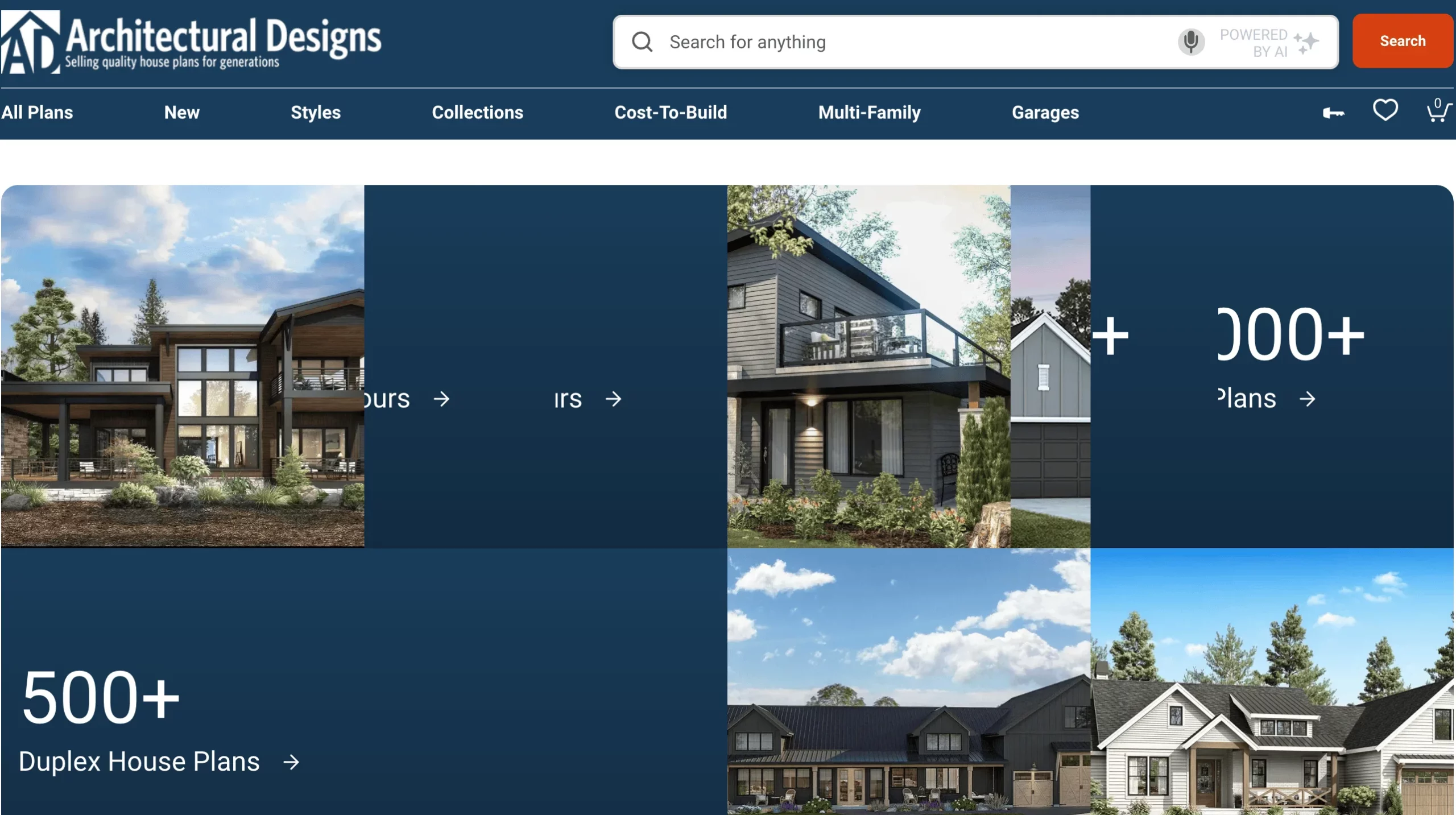
Architectural Designs is a private-owned company supplying house plans from over 200 architects and designers. They have 30,000 creative plans for clients to find their dream homes, from affordable houses to luxury properties.
You can find the Architectural Designs affiliate program on CJ Affiliate to apply. Architectural Designs offers a 5% commission rate for each successful order. With an average order value of up to $1,000, you can earn a $50 commission on a sale.
The cookie duration is so long that you can earn a commission if customers purchase within 120 days of clicking
|
2. Buildium
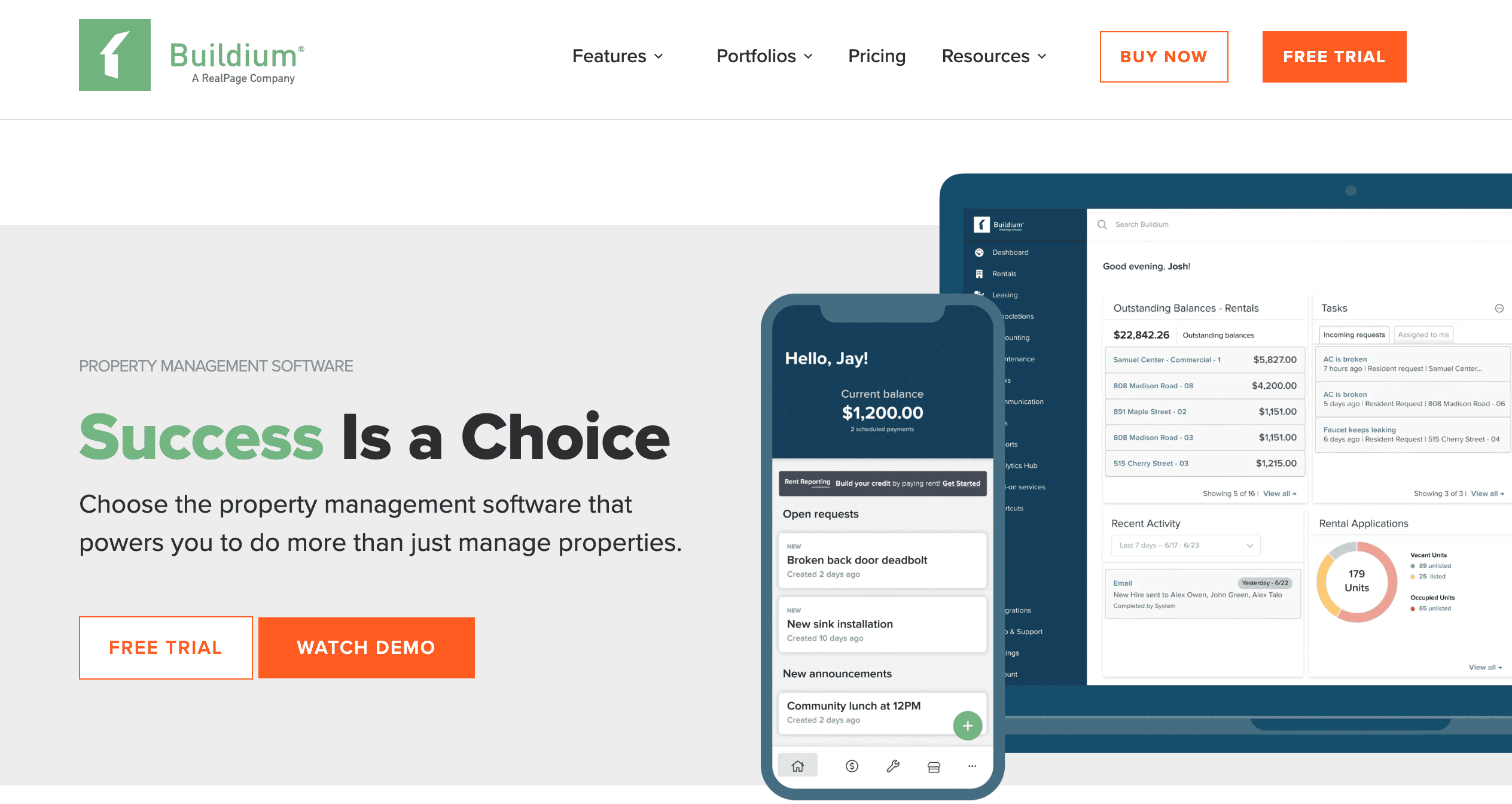
Buildium helps customers better manage their rental real estate with rental listings, rent collection, and property accounting. Users can track their rental income, expenses, and other key metrics through Buildium report analytics.
Managed by Impact, the Buildium real estate affiliate program offers a 25% commission rate for each customer purchase. With a 60-day cookie duration, you can earn an approved commission if customers purchase via your affiliate link.
Buildium provides affiliates with creative texts to create content for their campaigns. Moreover, you can also put graphic images on your site to attract more audiences.
|
3. Corporate Housing by Owner
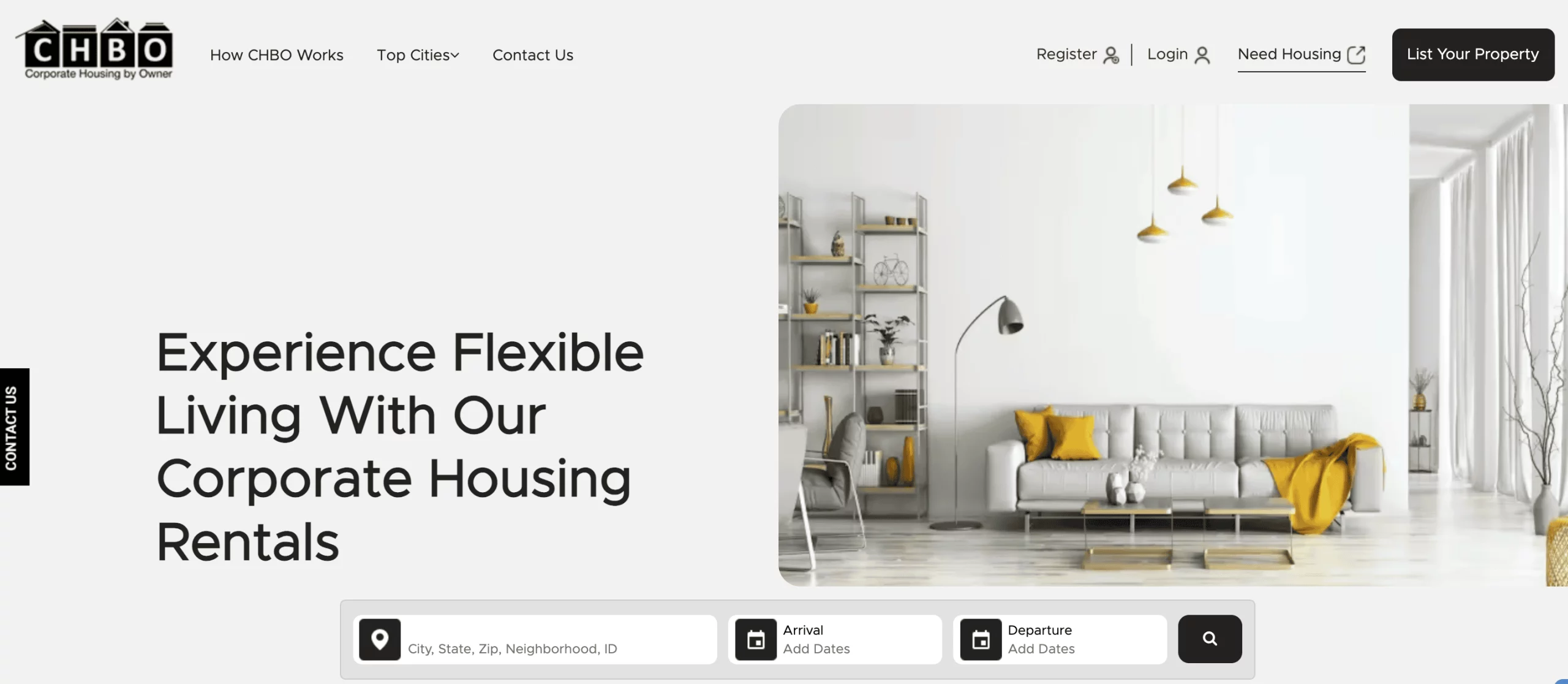
Corporate Housing by Owner creates a place for rental owners to advertise their full finished products. Customers find suitable rentals based on specific locations and rental dates.
You can join their affiliate program via ShareASale and enjoy a commission plan for both renting and listing:
- 15% for property listings (from $339)
- 3% for rentals (up to 6 months)
The cookie duration lasts for 30 days, allowing affiliates to earn a commission within a month of the customer’s first click.
You can ask the affiliate manager for advice and tips after joining the program. The brand also creates additional artwork to suit your promoting site upon your request.
|
4. Lex Levinrad Real Estate Training

Lex Levinrad created a training platform to help starters join the real estate industry with his own experience. Their programs and boot camps educate users about wholesaling, foreclosure, rentals, real estate, and more.
The brand only accepts real estate bloggers or blogs with substantial traffic of 1,000 visitors as their publishers. After approved the Lex Levinrad affiliate program, you can earn up to 50% commission on any boot camp or program subscription. The cookie lasts for 180 days from the first click of customers on the affiliate link.
Lex Levinrad processes all affiliate payments 30 days after a sale. Affiliates can opt to receive their payment by check, through PayPal, or via an ACH transfer directly to their bank account.
You’ll find numerous beautiful banners for each program to put on your channels in the marketing dashboard. You can also earn money from visitors via banners if they subscribe to any program.
|
5. LeadsBridge
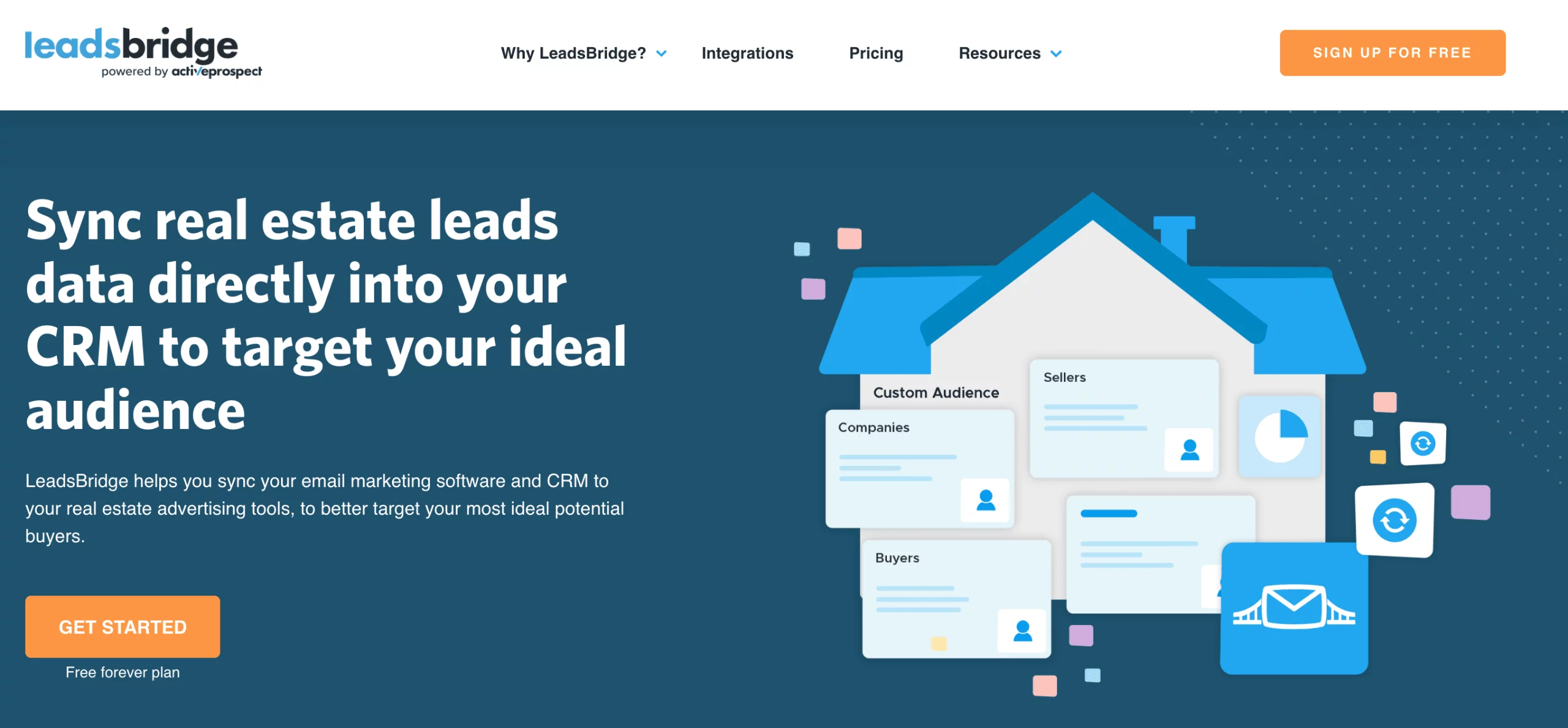
LeadsBridge integrates popular real estate CRMs, advertising platforms, and marketing tools into one CRM. Thereby, real estate professionals can build a seamless marketing ecosystem and get an overview of their sales funnel.
The LeadsBridge affiliate program offers a 30% commission rate on every new paid subscription with a 90-day cookie duration. They will process payouts to your bank account on the 15th of each month, provided you reach a minimum payout threshold of $100.
LeadsBridge provides all the assets you need to use in your campaigns. You can find creative banners, images, and social media designs to put on your affiliate site.
|
6. Nolo
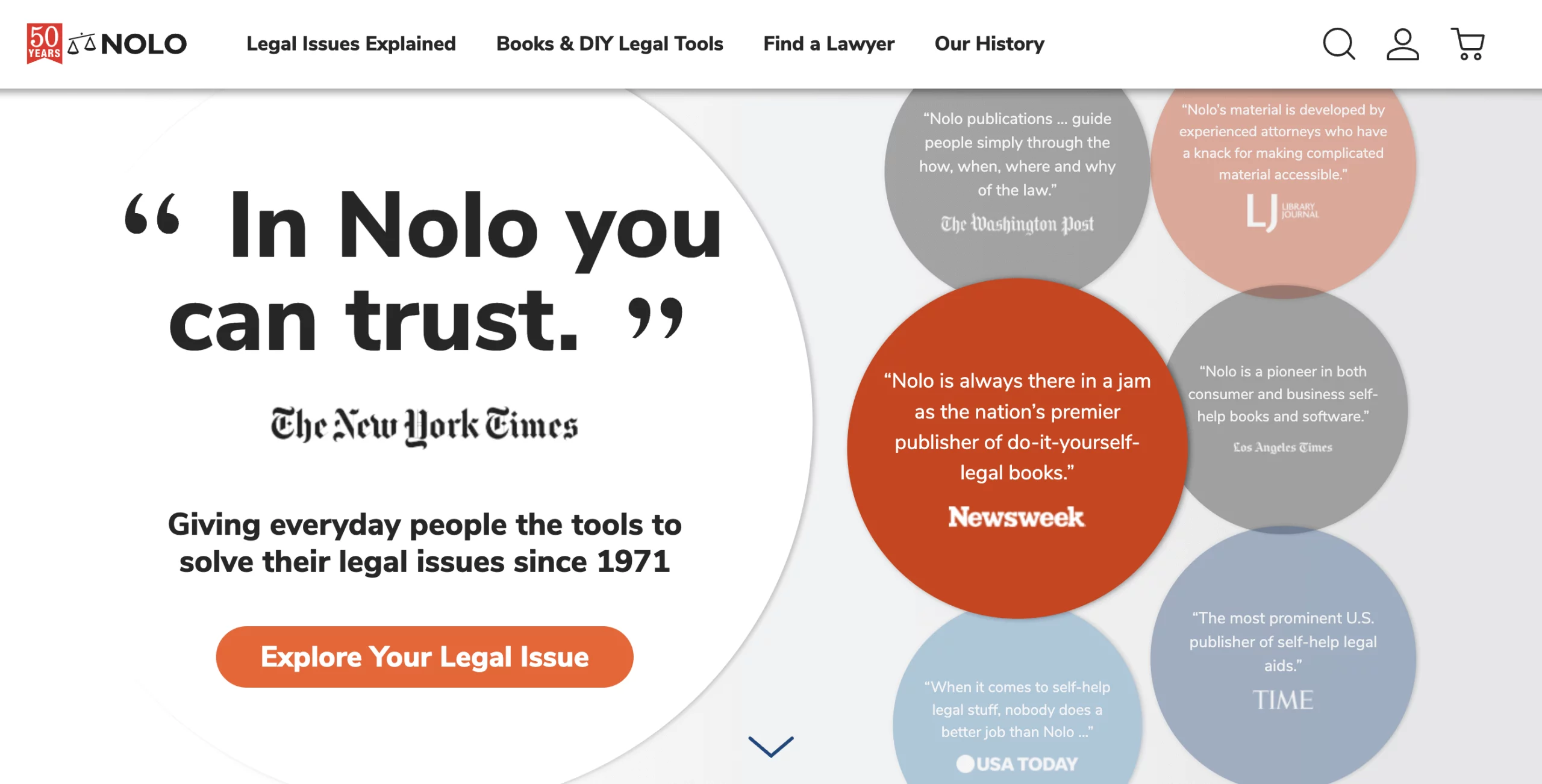
Nolo is among the biggest resources for small real estate agents and businesses to find answers to legal issues. Nolo also has a big lawyer network for users to find their qualified attorney in 60 seconds.
Nolo runs their affiliate program via Awin, offering commission tiers based on affiliate performance:
- Base commission: 25%
- For sales more than $500: 30%
- For sales ≥ $1,000: 32.5%
- For sales ≥ $2,000: 35%
The cookie duration remains active for 120 days from the first click of the customers. If they make a purchase within that 4-month period, you’ll earn your commission.
You can use Nolo promotional codes to encourage audiences to use Nolo’s service. You shouldn’t use any unauthorized codes, or you might be banned from the Nolo affiliate program.
|
7. DealCheck
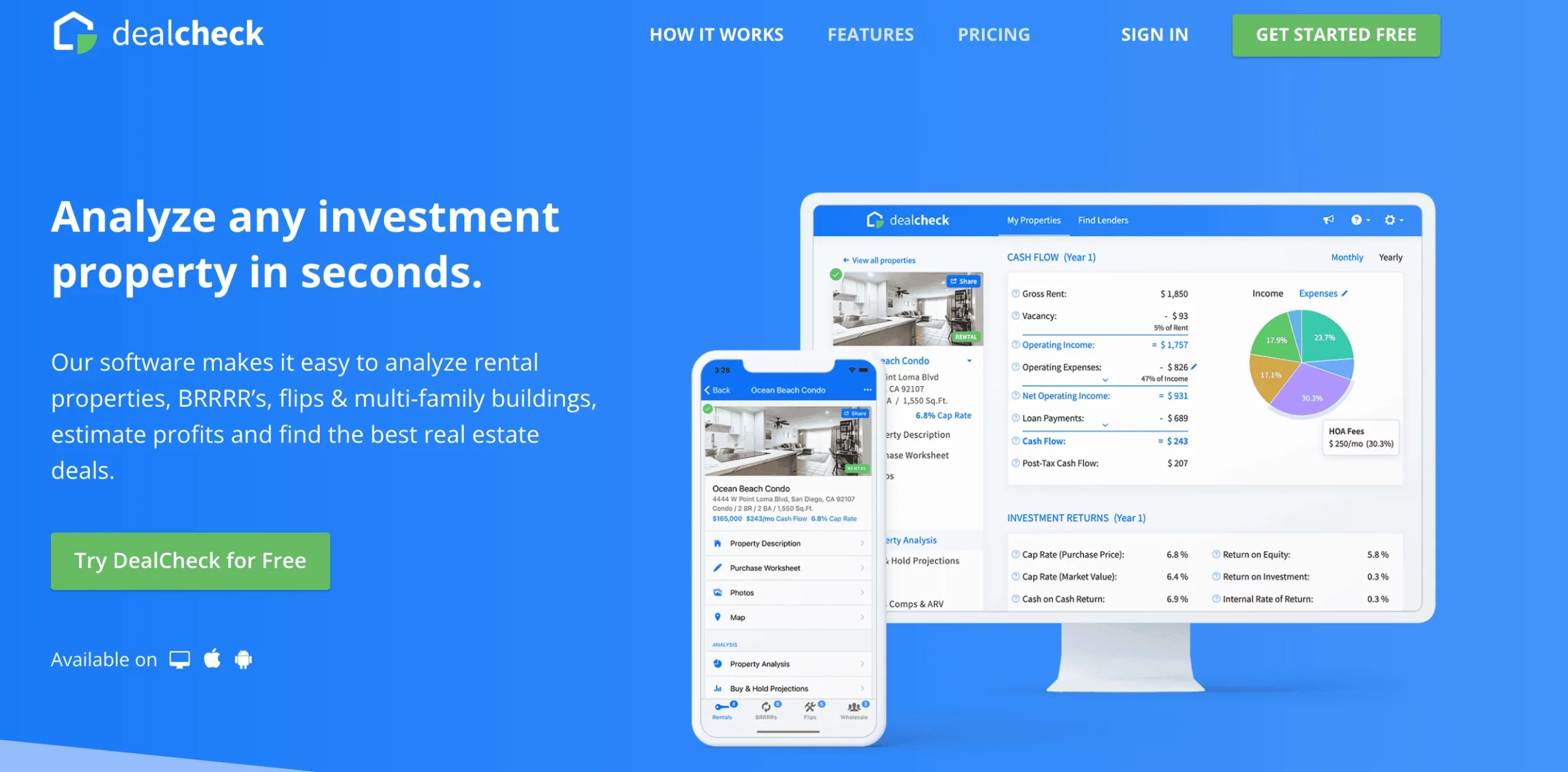
DealCheck analyzes the potential of the real estate for their customers before any investment. They will estimate the profits of each deal depending on the cash flow, cap rate, and ROI.
You can find the application for the DealCheck affiliate program on their website. They pay affiliates a commission rate of 30% on a successful subscription payment. Especially, for every 10 new paying users, you’ll get a $100 bonus from DealCheck.
The cookie length is 90 days, so you can earn commissions on customer purchases starting from their first click.
DealCheck issues affiliate payments at the beginning of each month. However, if you don’t have a PayPal account, you need to create one and connect with your bank account to receive payouts.
You can promote the DealCheck service using images and banners from the marketing dashboard. The dashboard also has screenshots, which you can use to gain more trust from your audience. Plus, DealCheck allows you to use paid ads to target the right audience and boost sales.
|
8. Carrot
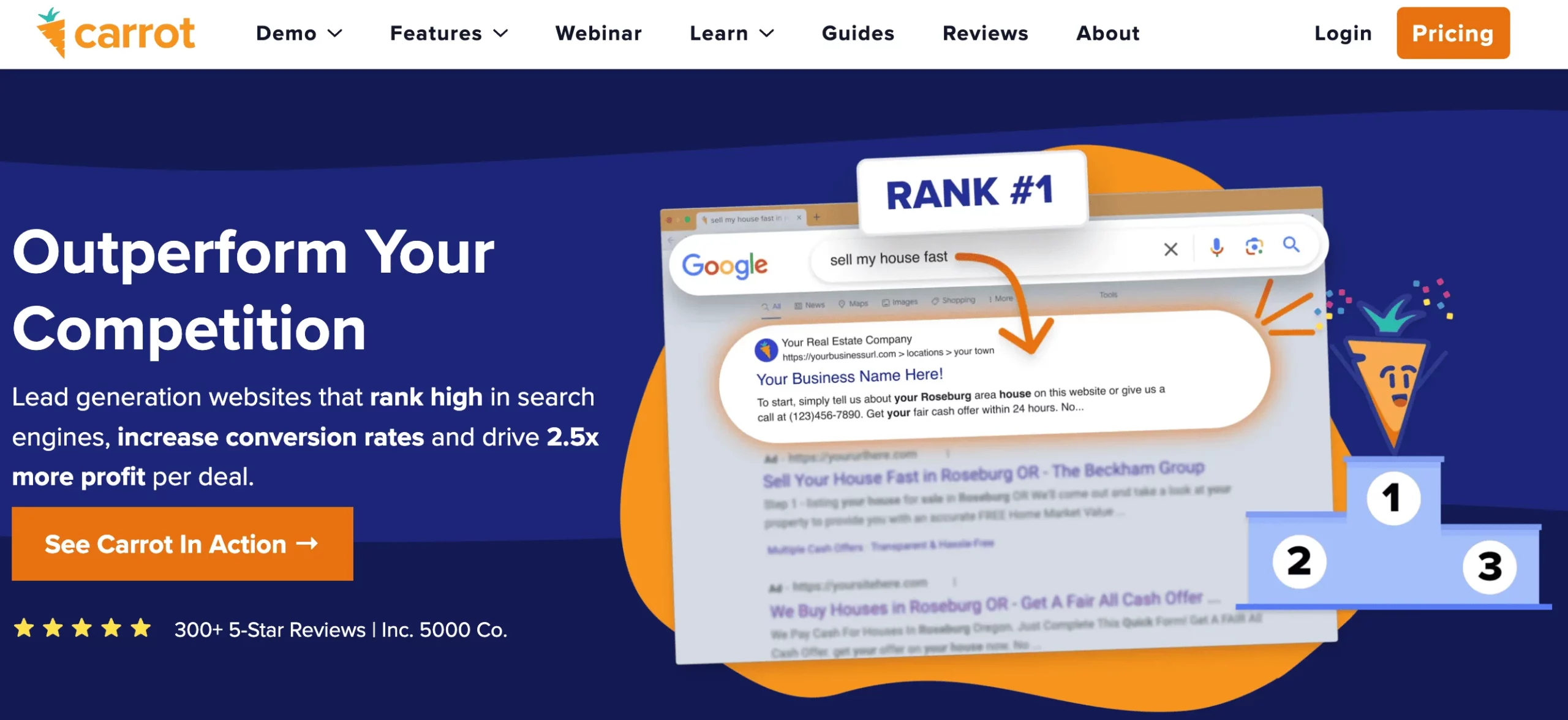
Carrot creates a suitable website system for real estate investors to start their businesses. They also provide various SEO and content tools, helping investors boost their search engine ranking and potential real estate leads.
The Carrot affiliate program offers 20-50% commissions based on tiers:
- Referral program (Tier 1): 20% in the first year
- Partner program (Tier 2): 30% (36+ new members)
- Partner program (Tier 2): 50% (100+ new members)
You can also receive cash bonuses for every 10 new users when reaching tiers 2 and 3 of their program. The cookie duration lasts forever, so you can earn your commission anytime a customer clicks your link and subscribes.
Carrot pays affiliates every 2 months on the 5th via only PayPal. But you must reach a payment threshold of $50 to receive your payouts.
Carrot provides full marketing tools for affiliates in any tier, including premium designs, content tools, and additional sites. You can also ask for SEO tools to manage and track your promotion process more efficiently.
|
9. Web4Realty
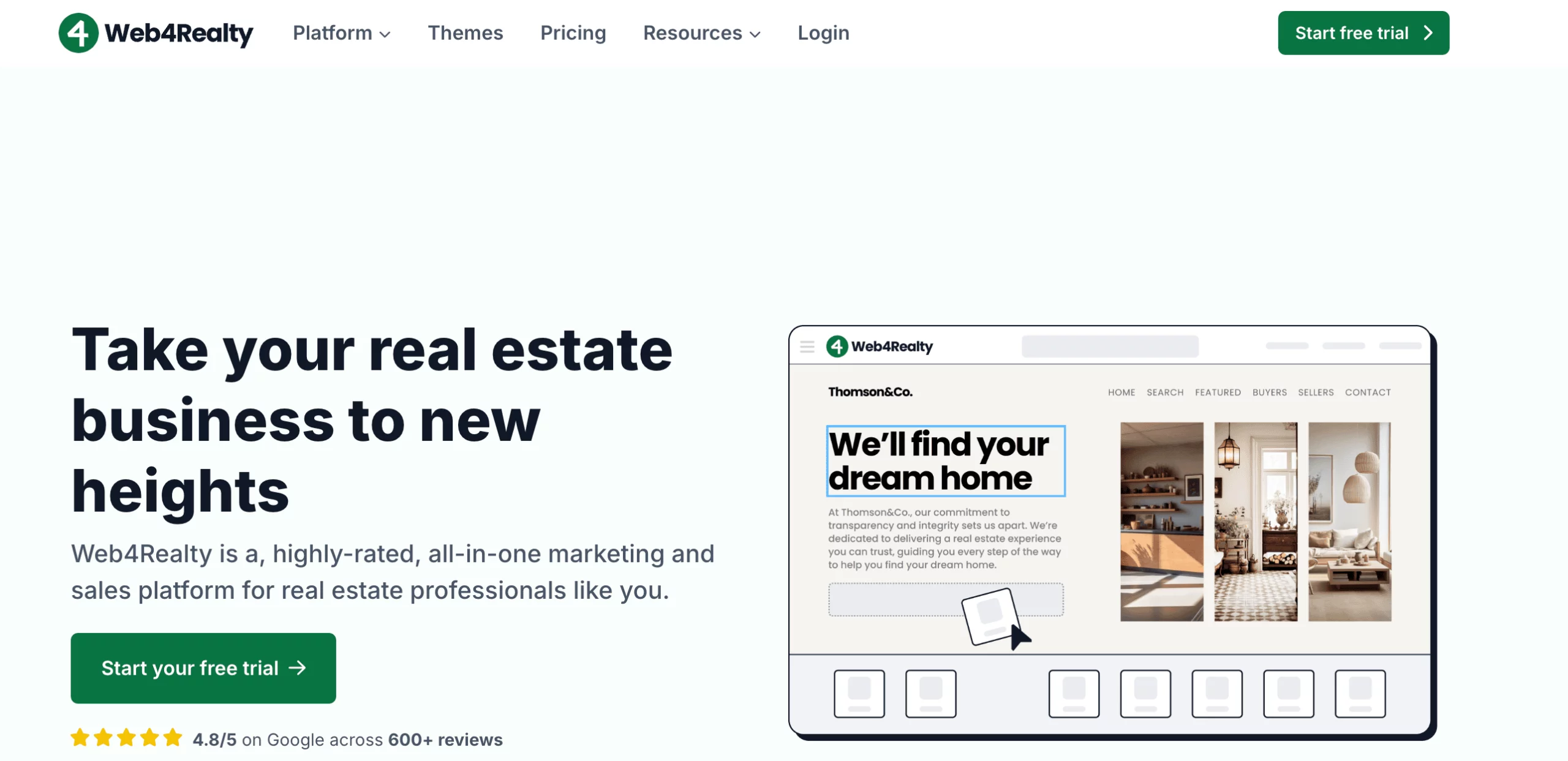
Web4Realty specializes in building websites and marketing strategies for real estate professionals. They offer an all-in-one platform with numerous marketing features, including editing, themes, contact management, deal tracking, and more.
Once approved for the Web4Realty affiliate program, affiliates can receive a 10% commission on each sale. The tracking period starts when the customer clicks for the first time and lasts for 120 days. If they buy within that time, you can earn a commission.
You can receive affiliate payouts on the 15th of each month. However, you’ll only get your earnings once having a $25 payment threshold.
Web4Realty allows you to use their logos and coupons to drive more conversions. You can also leverage their exclusive training materials and methodologies to improve your marketing efforts.
|
10. RentRedi
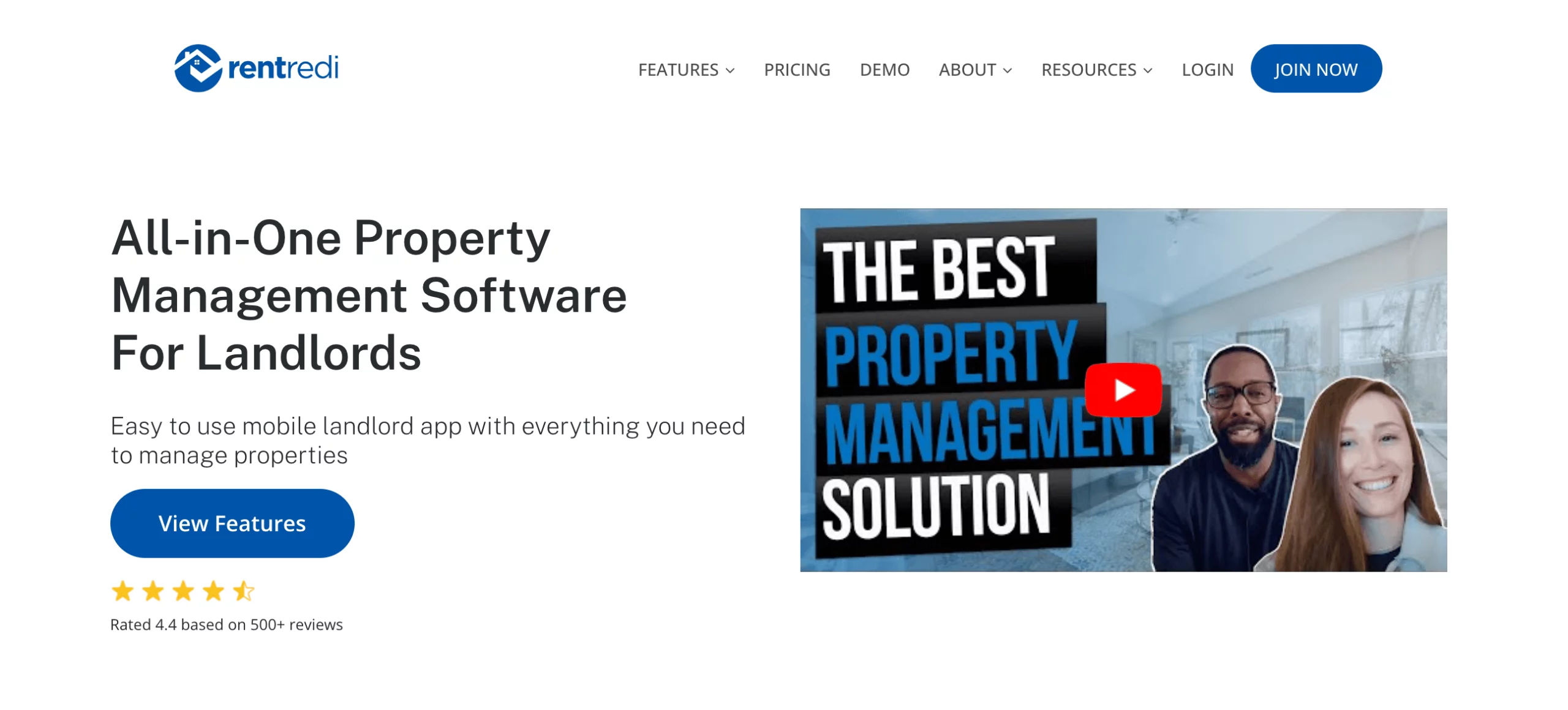
RentRedi is a mobile app to assists landlords manage their rentals or property in an effective way. Their app consists of list properties, payments, maintenance requests, and more tools.
Run by Impact, the RentRedi affiliate program offers affiliates a 40% commission rate upon every successful sale. The cookie duration lasts for 30 days, which means you can earn an approved commission within a month from customers’ first clicks.
RentRedi helps boost your earning potential with various promotional tools, such as banners, videos, or demos. A dedicated team from RentRedi will support you throughout your promotion. You can also receive the latest RentRedi feature releases regularly to put in your campaigns.
|
11. Foreclosure.com
- Commission rate: 25%
- Cookie duration: 6 months
Foreclosure.com has a large database of foreclosure listings across the US for users to find discounted homes. They target distressed deals such as bank-owned, preforeclosure, foreclosure auction homes, and more.
12. Property MOB
- Commission rate: 20%
- Cookie duration: 30 days
Property MOB helps new wholesalers learn and grow their businesses from the best resources. They create virtual assistants for clients to organize, automate, and scale their real estate work.
13. Leadflow
- Commission rate: 40%
- Cookie duration: 90 days
Leadflow creates an AI-generated platform for people to find suitable listings nationwide. The platform collects and filters lead data for property owners to reach their potential buyers.
14. REIPro
- Commission rate: 20-30%
- Cookie duration: 60 days
REIPro is a lead generation platform with powerful tools for every type of real estate investor. The platform can identify qualified leads and help investors tap into new market opportunities.
15. Showcase IDX
- Commission rate: 10%
- Cookie duration: 60 days
Showcase IDX is a leading IDX WordPress plugin for real estate websites. The platform includes features such as map-based searching, property detail pages, and customizable search filters.
16. Calibre Real Estate
- Commission rate: $250-$1,000
- Cookie duration: 365 days
Calibre Real Estate is a family-owned company in the Brisbane area, providing full cycle real estate services. Their real estate agents team guides customers in buying and selling houses, managing properties, or renting houses.
17. AgentFire
- Commission rate: $25
- Cookie duration: Not mentioned
AgentFire personalizes websites for real estate professionals with numerous features and powerful integration for CRM, PPC, and SEO. Users can choose from three unique design packages, including Ignite, Semi-custom, and Custom.
18. Luxury Presence
- Commission rate: $750
- Cookie duration: Not mentioned
Luxury Presence designs impressive real estate websites for professionals and top agents in the industry. Luxury Presence has worked with thousands of agents, including industry experts like Ryan Serhant, Jade Mills, Tom Ferry, and so on.
19. VRBO
- Commission rate: 4%
- Cookie duration: Not mentioned
VRBO makes traveling with family easier with a selection of 2+ million whole homes worldwide. Users can use VRBO’s smart tools to quickly find the best offers on budget-friendly or high-end rentals.
20. New Silver
- Commission rate: $50
- Cookie duration: Not mentioned
New Silver is a trusted leading partner for most real estate investors. They process fast funding in less than 5 days and offer hard money loans with online approval.
21. Resimpli
- Commission rate: 20%
- Cookie duration: Not mentioned
Resimpli is an all-in-one CRM software enhancing data management, marketing, sales, and operations for real estate investors. Their software works in simple steps and requires no customization.
22. TurboTenant
- Commission rate: $5
- Cookie duration: Not mentioned
TurboTenant builds listing properties and adjusts new leases for landlords in less than 10 minutes. Their all-in-one management software supports users in rental marketing, online rental applications, tenant screening, and more.
How Do You Choose the Right Real Estate Affiliate Program?
You might be tempted to sign up for the programs with the highest payouts. But this is often a trap for beginners.
Instead of chasing the biggest numbers, you need a clear way to judge which offers will actually work on your site.
This section provides a simple framework to filter your options.
We will focus on the two biggest drivers of profit: matching the offer to your audience and understanding the math behind how you get paid.
Audience Alignment – The Most Critical Selection Factor
The main reason affiliate campaigns fail isn’t the commission rate. It’s a mismatch between the audience and the offer.
Imagine selling a medical stethoscope to a software engineer. It doesn’t matter if it’s the world’s best tool or the commission is 50%. The engineer simply doesn’t need it.
In real estate, the logic is identical. Your audience’s identity determines what they buy. Ignore that, and you won’t make sales.
Before grabbing an affiliate link, run a quick check on your content. Identify exactly who you’re talking to.
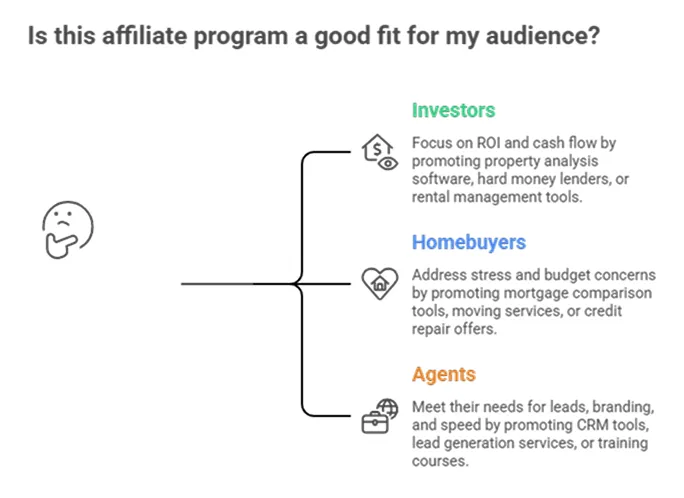
If your readers are Investors: They care about ROI, cash flow, and data.
Promote property analysis software (like DealCheck), hard money lenders, or rental management tools (like TurboTenant). Avoid generic mortgage leads or basic “first-time buyer” courses.
If your readers are Homebuyers: They’re stressed, budget-conscious, and process-focused.
Promote mortgage comparison tools, moving services, or credit repair offers. Avoid “wholesaling” courses or commercial property listings.
If your readers are Agents: They want leads, branding, and speed.
Promote CRM tools (like LionDesk), lead generation services, or training courses. Avoid DIY home repair tools.
Use this simple test: “Would I recommend this product to my reader even if I wasn’t getting paid?”
If the answer is “No,” the program is likely wasted space. If “Yes,” you’ve found a winner.
Now that you’ve filtered programs by audience, let’s examine the math determining how much you actually earn.
Commission Structure vs. Conversion Rate – The True Earnings Formula
Many new affiliates get “commission blindness.” They see programs offering $1,000 per sale and ignore ones offering $75. But in this game, commission is only one part of the math.
To predict actual income, use this formula:
Traffic × Conversion Rate × Commission = Revenue
Here’s why conversion rate usually matters more than commission size:
Scenario A (The “High Ticket” Trap): Program pays $1,000. Conversion rate: 0.1% (typical for expensive courses).
Traffic: 1,000 visitors. Result: 1 sale × $1,000 = $1,000.
Scenario B (The “Volume” Play): Program pays $75. Conversion rate: 5% (typical for useful software).
Traffic: 1,000 visitors. Result: 50 sales × $75 = $3,750.
In this example, the “cheaper” program makes nearly 4x more money because it’s easier to sell.
You don’t have to choose just one strategy. The strongest affiliate sites use a mix:
🥖 The “Bread and Butter” (Low Ticket, High Conversion):
Promote tools like website builders, CRMs, or tenant screening apps ($10–$50 payouts). These convert easily (5–15%) and provide steady cash flow.
💥 The “Windfalls” (High Ticket, Low Conversion):
Strategically place offers for investment courses or funding partners ($500+ payouts). These may convert rarely, but when they do, they provide massive bonuses.
By building a base with high-converting tools and adding a few high-ticket offers, you stabilize income while keeping the door open for big paydays.
Understanding earnings potential is exciting, but “potential” revenue doesn’t pay bills. You also need to know exactly when that money will actually hit your bank account.
Payment Terms and Minimum Thresholds – Getting Paid Faster
Cash flow is vital for any business. In affiliate marketing, the wait between making a sale and getting paid can be frustratingly long.
You need to understand payment rules before sending traffic to an offer.
Most real estate affiliate programs operate on “Net-30” or “Net-45” basis.
If you make a sale in January, the commission is held for 30 days (accounting for refunds), and you get paid in early March.
Some older networks only pay every three months (Net-90). Avoid these unless payouts are massive, or you’ll wait a quarter-year to see returns on your work.
Every program sets a “minimum payout threshold”—the amount you must earn before they cut a check.
Low Threshold ($50): Ideal for beginners. You only need 1-2 conversions for your first paycheck.
High Threshold ($500+): Dangerous for new sites. Promoting a $50 product requires 10 sales just to see a dime. If you stall at 9 sales, that money sits in their account, not yours.
To protect cash flow, look for programs meeting these three standards:
- Frequency: Monthly payments.
- Threshold: $50–$100 minimum.
- Method: PayPal or Direct Deposit (ACH).
Once you find a program that pays on time, you have one final check: Is the company behind the offer actually trustworthy?
Merchant Reputation and Affiliate Support Quality
A high commission is worthless if the merchant doesn’t count your sales, hides your data, or ignores you when you ask for help. Before sending a single visitor to a partner, you must vet them.
Don’t just trust the landing page.
Spend 10 minutes researching the program on third-party affiliate forums like AffiliateFix or Warrior Forum. Search for the program name + “payment issues” or “scam.”
If other affiliates are complaining about missed payments, run the other way.
Use this checklist to grade the program:
| Feature | Red Flags (Avoid) | Green Flags (Join) |
| Support | Ghost support; no replies for 3+ days | Dedicated manager; responsive human email support |
| Payments | Delayed payments and unproven commission clawbacks | Timely payments and proven business history |
| Transparency | Hidden data; dashboards lack click sources | Clear dashboards showing specific traffic sources |
| Resources | No product access or marketing materials | Provided banners, templates, and free trials |
Established giants like Redfin or LendingTree are generally safe bets because they have public reputations to protect. Startups are riskier but often pay better to attract affiliates.
Only join a program if it scores well on at least 4 out of 5 of these criteria: Positive Reputation, Fair Payment Terms, Responsive Support, Marketing Resources, and a 3+ Year Track Record.
You’ve picked your niche and vetted the programs.
Now you need a place to actually promote them. Choosing the wrong vehicle for your content is like trying to sell luxury penthouses at a garage sale—the audience just isn’t there.
Which Platform Should You Use to Promote Real Estate Affiliate Programs?
Not all traffic sources are created equal. A viral TikTok video might get 100,000 views, but it will often generate fewer sales than a boring blog post with 500 targeted readers. Why? Intent.
To choose the right platform, you need to match your content style to the platform’s strengths. Here is how the major players stack up in the real estate niche:
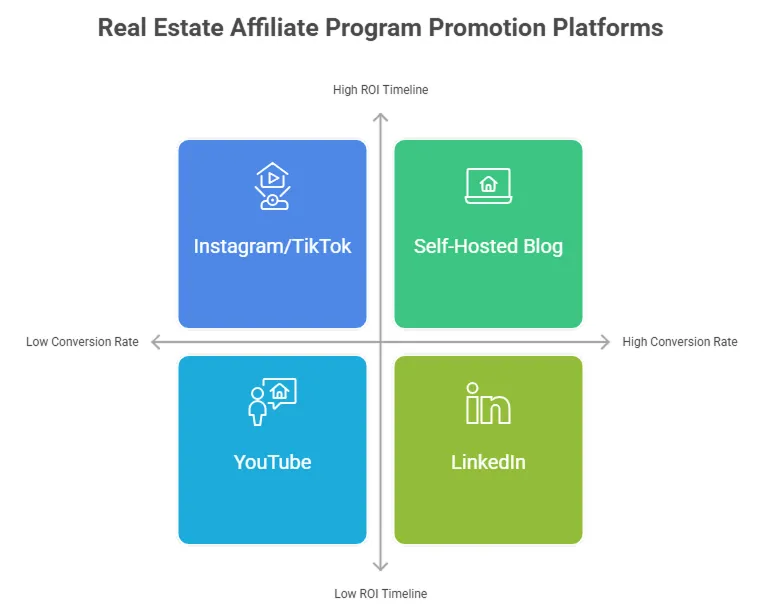
If you are looking to build a true asset that generates income while you sleep, there is one platform that stands above the rest.
Self-Hosted Blog – The SEO Foundation for Long-Term Passive Income
Think of a self-hosted blog like buying raw land and building a rental property.
It takes a year of hard labor and investment before the building is finished, but once it’s done, it pays you rent monthly with minimal ongoing maintenance.
Blogs dominate affiliate marketing for one reason: Search Intent.
When someone is on TikTok, they’re looking for entertainment.
When someone goes to Google and types “best property management software for small landlords,” they’re holding their credit card and looking for a reason to buy.
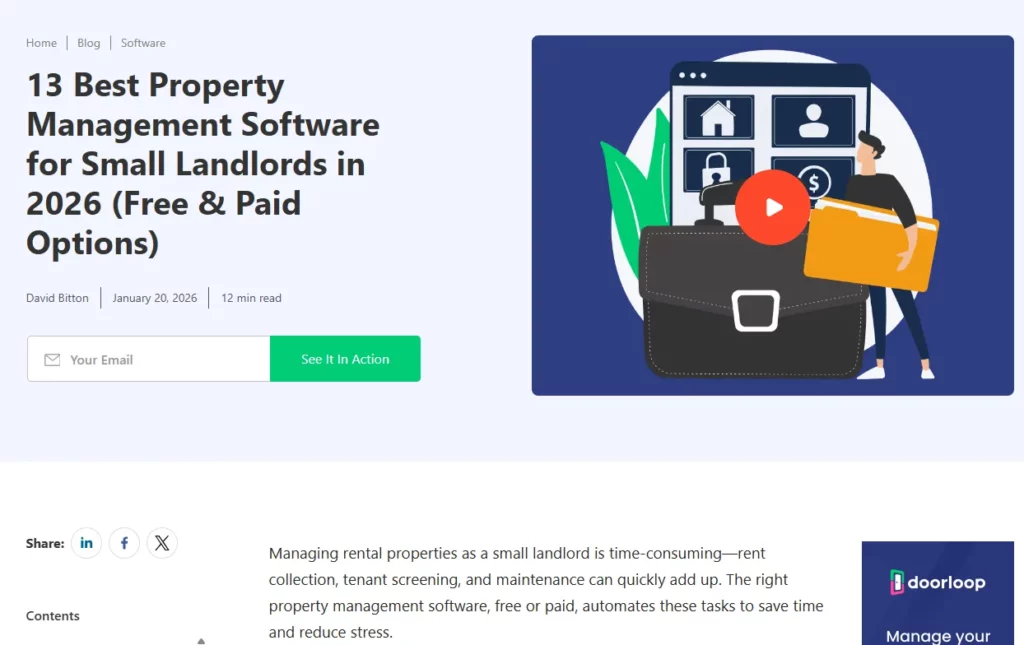
Because you capture users at the exact moment of decision, you don’t need millions of visitors to make full-time income. You just need the right visitors.
Pros: You own the platform (no algorithm bans), traffic is evergreen (posts from 2021 can still earn in 2025), and you control optimization.
Cons: It’s a slow burn. You’ll likely write into the void for 6–12 months before Google trusts your site.
| Timeline | Traffic Volume | Website Status | Monthly Income |
| Months 1–6 | 100–500 monthly visitors | Consistent writing; Google sandbox testing | Zero to negligible monthly income |
| Months 7–12 | 1,000–3,000 monthly visitors | Ranking for specific long-tail keywords | Consistent trickles; $50 to $200 |
| Months 13–24 | 5,000–15,000 monthly visitors | Established authority; compound growth starts | Meaningful earnings; $1,000 to $3,000 |
| Year 3+ | 20,000+ monthly visitors | Dominating sub-niches; stable diverse traffic | High-level authority income potential |
Does 10,000 visitors sound low compared to social media numbers? In affiliate marketing, it’s massive.
Here’s the math on a blog with 10,000 monthly visitors: 20% read a “Best X for Y” review post (2,000 readers).
20% click your affiliate link (400 clicks). 4% actually buy the product (16 sales). Average commission: $100 (common for SaaS tools like LionDesk or DealCheck).
Total: $1,600/month from a relatively small audience.
YouTube: Build Trust and Authority Through Visual Demonstrations
If a blog post is a brochure, a YouTube video is a live showroom demonstration.
Written content is great for logic, but video removes the “uncertainty tax” that kills conversions.
When you actually show software in action or unbox a product, viewers stop wondering if it works. They start imagining themselves using it.
This creates parasocial relationships. Unlike faceless blog authors, viewers hear your voice and see your mannerisms.
They feel like they know you. As one veteran affiliate marketer put it, “A blog reader gives you their attention; a YouTube subscriber gives you their trust.”
This trust builds audiences faster than SEO.
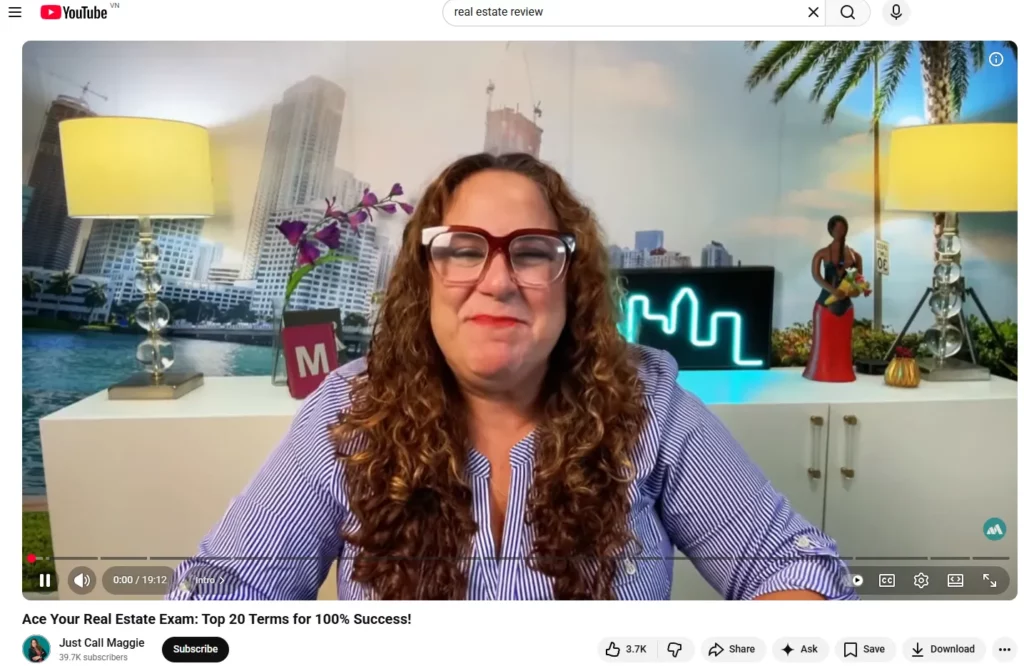
While blogs typically take 12–24 months to gain Google traction, consistent YouTube channels can find their stride in just 6–12 months.
Because trust levels are higher, conversion numbers differ from blogs.
Here’s the math for a high-ticket affiliate offer (e.g., software with $200 commission):
1,000 highly targeted search views generate 40–100 clicks (4–10% CTR), resulting in 1–2 purchases (1–2% conversion). Revenue: $200–$400.
In many niches, 1,000 views on a specialized review video earn the same revenue as 10,000 generic blog views. Viewer intent is simply sharper.
This potential comes with a steep entry fee: your time.
- Less competition (most affiliates fear cameras; showing your face skips past 90% of competitors).
- Discovery engine (YouTube actively pushes content; Google Search just waits for keyword queries).
- The “Editing Black Hole” (are you ready to spend 4–8 hours editing a single 15-minute video?).
- Equipment costs (you need decent audio and lighting; expect $200–$500 initially).
- Algorithm ups and downs (one month viral, next month invisible).
With weekly uploads:
Months 1–6 (The “Ghost Town”): 0–1,000 subscribers. This is where most quit. You’re shouting into the void.
Months 7–12: 1,000–5,000 subscribers. The algorithm begins categorizing your channel properly.
Year 2: 5,000–20,000 subscribers. Compounding growth kicks in.
Year 3+: 20,000–100,000+ subscribers.
YouTube is the best path for affiliates promoting visual products (software, tech, hobbies). You just have to trade the comfort of staying hidden for higher conversion rates.
LinkedIn: Target Real Estate Professionals with B2B Tools
LinkedIn is the networking event where professionals bring company budgets. Most affiliates overlook it, chasing TikTok’s virality or Google’s search volume.
They miss the critical advantage: intent.
While other platforms interrupt entertainment, LinkedIn users are already in work mode, actively seeking productivity tools, deal-closing strategies, and lead management solutions.
This makes it ideal for promoting B2B tools such as CRMs, lead-generation software, and professional courses.
You don’t need massive reach here.
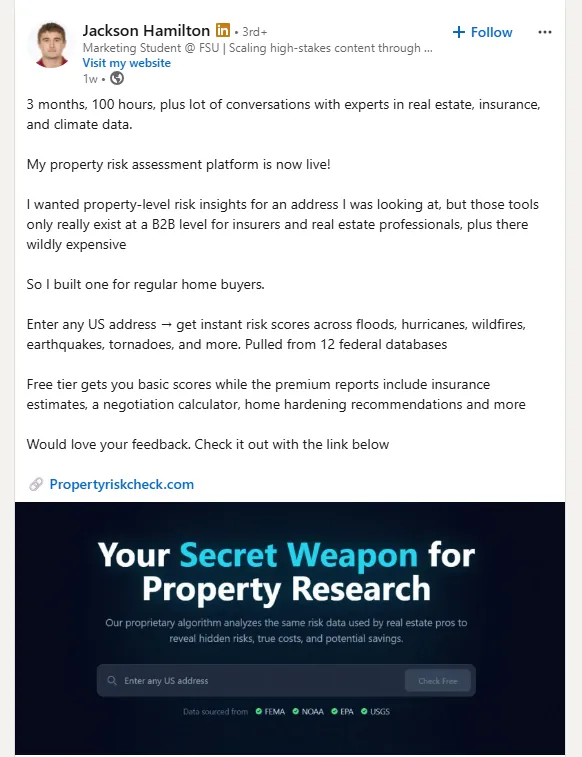
Your audience consists of budget-holding professionals, yielding conversion rates of 5-12% on relevant offers.
Just 1,000 active connections can generate 2-14 monthly sales. With B2B recurring commissions ranging from $30-$100 monthly, that volume builds stable income fast.
Don’t treat LinkedIn like a billboard. Posting bare affiliate links gets you ignored. Be a resource, not a salesperson.
Post 3-5 times weekly using this rotation: industry insights, tool breakdowns (review CRM features without hard selling), engagement hooks (polls like “Cold calling vs. email automation: which wins for you?”), and case studies showing how tools save time.
LinkedIn penalizes external links in post bodies by limiting reach.
The platform wants users staying put.
The fix: Write compelling posts, then add “Link in first comment” at the end. Post your affiliate link as the first comment yourself. This preserves reach while capturing clicks.
LinkedIn grows slower than Instagram and demands professional tone. But for high-ticket B2B software, revenue per follower is unmatched.
Podcasting: Build Authority Through Deep Engagement
If social media is a billboard you pass at 60 mph, a podcast is an hour-long conversation in the passenger seat.
Podcasting offers unmatched engagement depth. Blog readers skim for three minutes.
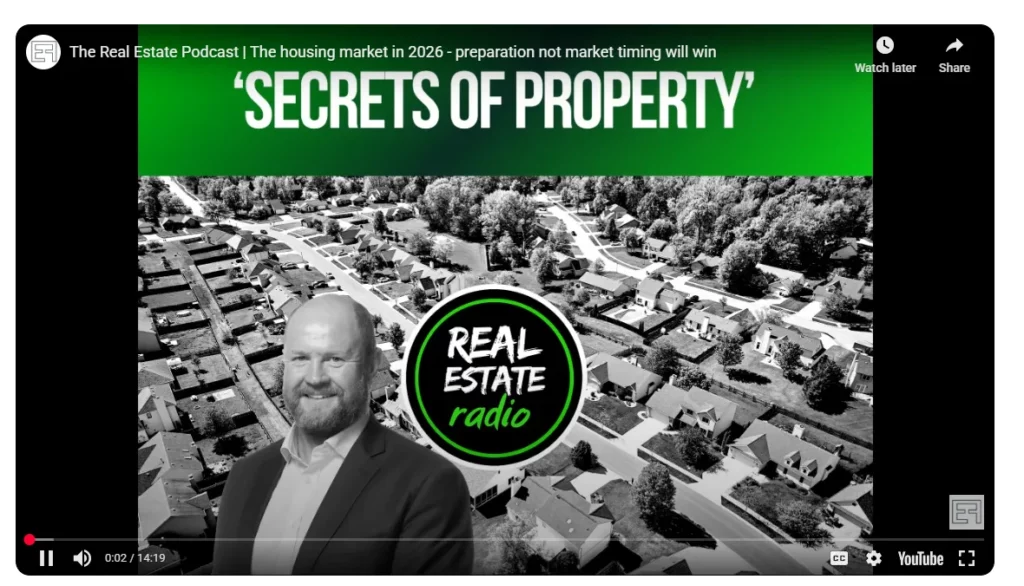
Podcast listeners invite you into their ears for 30-60 minutes during commutes, workouts, or dog walks.
This creates powerful bonds. You become a trusted voice in their weekly routine, not just another marketer. When you suggest a tool, they listen.
Before buying a microphone, face reality: podcasting has terrible discoverability. Unlike YouTube or Google, podcast apps (Apple, Spotify) have weak search algorithms.
You can’t easily SEO your way up charts. Most podcasts struggle to reach 1,000 downloads per episode after a year.
Traditional sponsorships require 5,000+ downloads. As an affiliate, you can monetize sooner, but volume stays low.
Smaller audiences perform differently than YouTube or SEO. Conversion rates hit 4-8% of listeners clicking show notes links.
A loyal 500-listener audience might generate 1-4 high-ticket monthly sales. Those same four YouTube sales might need 5,000+ views because connections are less intimate.
Rarely launch podcasts alone.
Maximize effort through hybrid strategy: repurpose top blog posts into solo episodes instead of scripting from scratch.
Interview founders of tools you promote, building vendor relationships while creating natural affiliate link opportunities.
Publish everywhere by recording video, uploading full versions to YouTube (discovery) and audio to Spotify/Apple (retention).
Podcasting is the hardest starting point but best for scaling authority. It’s ideal for affiliates who enjoy speaking and want high-ticket consulting alongside affiliate offers.
How Do You Build Authority as a Real Estate Affiliate?
The biggest lie in affiliate marketing is that traffic equals money. It doesn’t. Trust equals money.
You can send 10,000 visitors to a high-converting landing page, but if they don’t trust you—the person recommending it—they will close the tab or go find a review from someone they do trust. This is the “Credibility Gap.”
In the high-ticket real estate niche, where you are asking people to invest thousands of dollars or commit to expensive software, generic promotional content fails.
To succeed, you must transform from a “promoter” into a “trusted advisor.”
Here is how you bridge that gap and build the kind of authority that converts.
Demonstrate Real Estate Experience – Practice What You Preach
Readers detect inauthentic content instantly. The biggest conversion driver?
Demonstrating real experience. High-ticket affiliate content based on personal practice converts 40–70% higher than generic advice.
In real estate, credibility is everything: “Don’t show me your awards, show me your scars.”
You don’t need vast experience—just authentic proof:
📊 Share real deal analysis: “I bought this Ohio duplex for $180k. Here’s my actual spreadsheet and why I nearly walked away during inspection.” The tool becomes part of your proven system.
📝 Document failures: Perfect stories feel fake. Share when tenants caused damage or budgets exploded. Vulnerability builds trust faster than flawless competence.
📋 Use real screenshots: Skip stock photos. Show grainy dashboard images, renovation photos, or redacted settlement sheets.
Don’t fake it. Choose an honest approach:
- The Reporter: Interview successful investors. “I asked 10 landlords with 50+ units which software they prefer…”
- The Public Student: Document your learning journey. “Analyzing my first deal with [Software X]—here’s what confused me and what worked.”
- The Curator: Become the researcher. “I spent 40 hours testing every CRM so you don’t have to.”
You don’t need to be the best investor—just the most honest one in the room.
Create Original Research – Position Yourself as the Expert
Demonstrating experience proves you are a practitioner. Creating original research proves you are a scientist.
Most affiliate sites simply rewrite the product’s sales page. They copy the features list, add a few stock photos, and call it a “review.”
This is why they fail. To stand out, you must create proprietary data that doesn’t exist anywhere else.
When you publish original research, you stop chasing traffic. You start attracting it.
Other websites—including major industry blogs—will link to your data as a source. This boosts your SEO authority overnight.
You don’t need a PhD or a dedicated research team. You just need curiosity and a spreadsheet.
The Market Analysis: Don’t just say “PropStream is good for finding deals.” Prove it. Learn the information from active discussion and community thread.
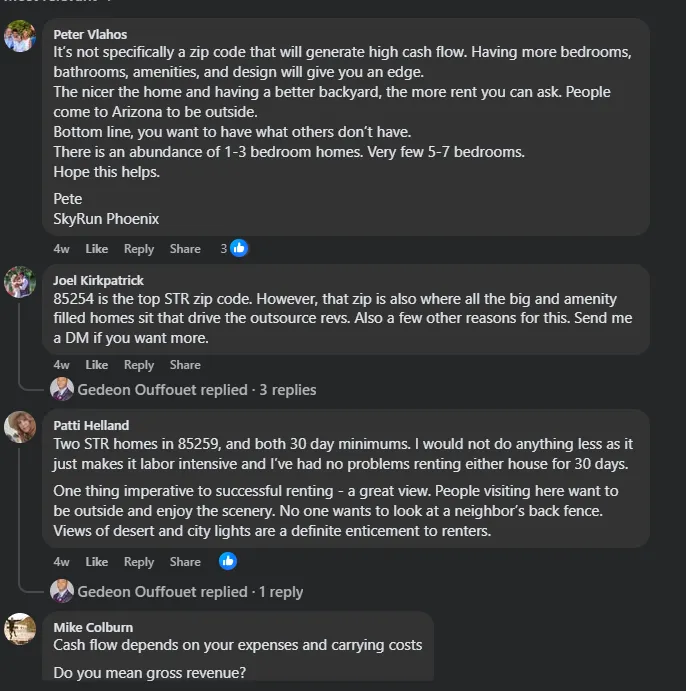
The Angle: “I analyzed 500 rental listings in Kansas City using PropStream. Here are the top 3 zip codes for cash flow right now.”
The “Battle Test”: Don’t just list features. Run a head-to-head performance test.
The Angle: “I tracked email deliverability rates for 6 different Real Estate CRMs over 90 days. Here is who actually hit the inbox.”
The Industry Survey: Ask the community.
The Angle: “I surveyed 200 active real estate agents about which lead generation source actually closes deals. The answer surprised me.”
Publish these findings as comprehensive “Ultimate Guides” (3,000+ words) or shareable infographics.
When you give away this level of value for free, the reader naturally assumes your paid recommendations must be incredible.
Balanced Reviews Convert 30–50% Higher Than Pure Promotion
Counter-intuitive truth: Highlighting product flaws makes you more money than endless praise.
When readers see “This tool is amazing! 5 Stars! Buy Now!”, alarm bells ring. They know you’re selling. Skepticism rises, conversions drop.
But say this instead: “This tool is powerful, but the mobile app is clunky and it’s overpriced for beginners.”
The reader relaxes. You’ve proven you’re unbiased. Trust in your criticism creates trust in your recommendations.
Balanced reviews highlighting legitimate downsides convert 30–50% higher than purely positive content.
- Specific Strengths: Not “easy to use”—say “The drag-and-drop builder saved me 45 minutes per campaign.”
- Legitimate Weaknesses: Skip fake negatives like “too good!” Point out real issues: “The dashboard takes 10 seconds to load, which gets annoying.”
- The “Who It’s For” Filter: Explicitly tell certain people NOT to buy.
Example: “If you’re a solo agent with under 20 leads monthly, skip Follow Up Boss. At $69/month, it’s overkill. Try LionDesk for $25 instead.”
Disqualifying wrong buyers supercharges trust with right buyers.
The solo agent trusts you for saving money (and clicks your LionDesk link). The team leader trusts you for understanding their needs (and clicks Follow Up Boss).
You earn both commissions by telling the truth.
Stop over-selling. Start being the most honest voice in the room.
FAQs
What is a real estate affiliate program?
A real estate affiliate program allows publishers to earn commissions by referring users to real estate–related services such as listing platforms, property management software, mortgage tools, or real estate education courses. Affiliates are paid per lead, signup, or completed action rather than per property sale in most cases.
How do real estate affiliate programs work?
Affiliates promote real estate platforms using tracked links. When a visitor completes a qualifying action—such as requesting a valuation, booking a consultation, or subscribing to a service—the affiliate earns a commission based on the program’s payout model.
Do real estate affiliates earn commission on property sales?
Most real estate affiliate programs do not pay commission on actual property transactions. Instead, they focus on lead generation, software subscriptions, or service referrals, which are easier to track and legally safer across jurisdictions.
How much can you earn from real estate affiliate marketing?
Earnings vary widely depending on traffic quality and niche. Many programs pay $20–$200 per qualified lead, while SaaS-based real estate tools can offer recurring commissions ranging from 20% to 50% monthly.
Are real estate affiliate programs beginner-friendly?
Yes, especially programs focused on online tools, market reports, or home value estimators. However, competitive keywords and high CPCs mean beginners should focus on long-tail content and local or sub-niche targeting.
Do I need a real estate license to be an affiliate?
No. Real estate affiliate marketing does not require a real estate license because affiliates are not negotiating deals or representing buyers or sellers. They only refer traffic to third-party platforms.
Is real estate affiliate marketing legal?
Yes, it is legal in most countries, provided affiliates comply with FTC disclosure requirements, local advertising laws, and the affiliate program’s terms. Transparency about affiliate relationships is mandatory.
Are real estate affiliate programs good for long-term income?
Yes. Programs offering recurring commissions or evergreen services (like CRM tools or listing platforms) are particularly suitable for long-term passive income when paired with SEO-focused content.
Can you do real estate affiliate marketing without a website?
While possible via YouTube or social media, having a website significantly improves trust, SEO visibility, and conversion rates. Most successful real estate affiliates rely on content-rich websites.
What is the difference between real estate referrals and affiliate programs?
Real estate referrals usually involve licensed agents referring clients to other agents for a percentage of the commission. Affiliate programs, by contrast, involve marketing services or tools and do not require licensing.
Are real estate affiliate programs high ticket?
They can be. While many pay per lead, some SaaS and investment platforms offer high lifetime value (LTV) commissions, making them comparable to high-ticket affiliate niches when scaled properly.
Conclusion
There are many real estate affiliate programs out there, each with its own rules and rewards. Some pay a percentage of the sale, while others offer a fixed amount. Some programs track your referrals for a month, while others offer a 60 or 90-day cookie duration.
No matter which program you choose, the key is to be committed to promoting their services. Let’s create valuable and engaging real estate content, and you’ll be on your way to earning some serious cash.

Ellie Tran, a seasoned SEO content writer with three years of experience in the eCommerce world. Being a part of the UpPromote team, Ellie wants to assist Shopify merchants in achieving success through useful content & actionable insights. Ellie's commitment to learning never stops; she's always eager to gain more knowledge about SEO and content marketing to create valuable content for users. When she's not working on content, Ellie enjoys baking and exploring new places.