

The global women’s health products and services market is predicted to reach $58 billion by 2030. As consumers become more health-conscious, it would be easier for you to promote these products.
In this article, we’ve gathered 20 of the top women’s health affiliate programs. Explore each option to find the best products to recommend to your audience.
Plus, there are countless other categories within this niche you can consider. We also gather the best lists of mental health, health & wellness, and personal development affiliate programs.
Quick Comparison
| Program Name | Commission (%) | Cookie Duration (Days) | Niche Suitable |
|---|---|---|---|
| Liminal | 16% | 45 days | Women’s health, menopause supplements |
| Flo | 30% | 30 days | Period tracker, pregnancy, women’s health apps |
| Pink Lotus Elements | 10–30% (tiered) | 30 days | Breast cancer recovery, menopause, women’s supplements |
| Joylux | 10% | 30 days | Menopause devices, women’s wellness tech |
| Hertility | ~£10 per sale | 30 days | Fertility testing, hormone health |
| August Bioscience | 10% | 30 days | Women’s skincare, natural beauty products |
| Root’d | 17% | 45 days | Prenatal vitamins, multivitamins for men & women |
| EverlyWell | 3% or $30 per qualified lead | 30 days | At-home health tests, women’s wellness |
| Womaness | 12% | 30 days | Menopause care, anti-aging, women 40+ |
| Circle + Bloom | 30% | Lifetime | Fertility meditation, emotional healing |
Affiliate Earnings Calculator
Estimate your affiliate income based on Traffic, CTR, AOV, and Commission rate. Drag the sliders below to explore different scenarios.
Estimated Results
These figures are for illustrative purposes – feel free to adjust them to fit your specific niche.
- Conversion Rate here is defined as the percentage of traffic that buys.
- Does not account for refunds, cancellations, or varying commission rates by product.
20 Best Women’s Health Affiliate Programs
1. Liminal
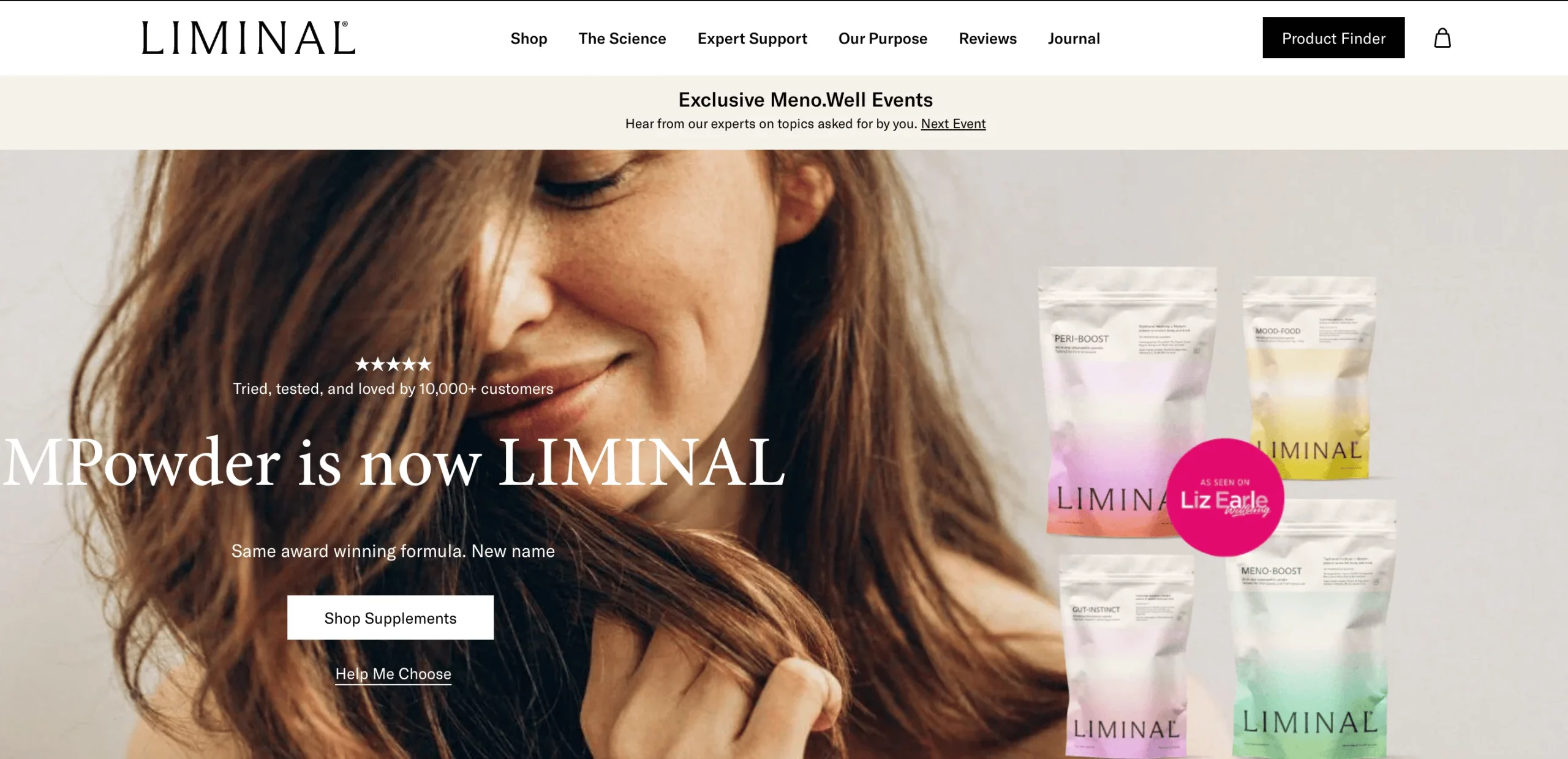
Liminal focus on doing research about women’s health at their menopause stage in life to give the right supplements. They also have expert support to help users address newly experienced symptoms.
Liminal runs their affiliate program through Awin, offering a commission rate of 16% across all sales. If customers purchase within 45 days of their first click, you’ll get a commission.
As a Liminal partner, you can contact the expert team for comments and tips about affiliate marketing. You will also have a personalized tracking tool to keep up with your progress.
|
2. Flo
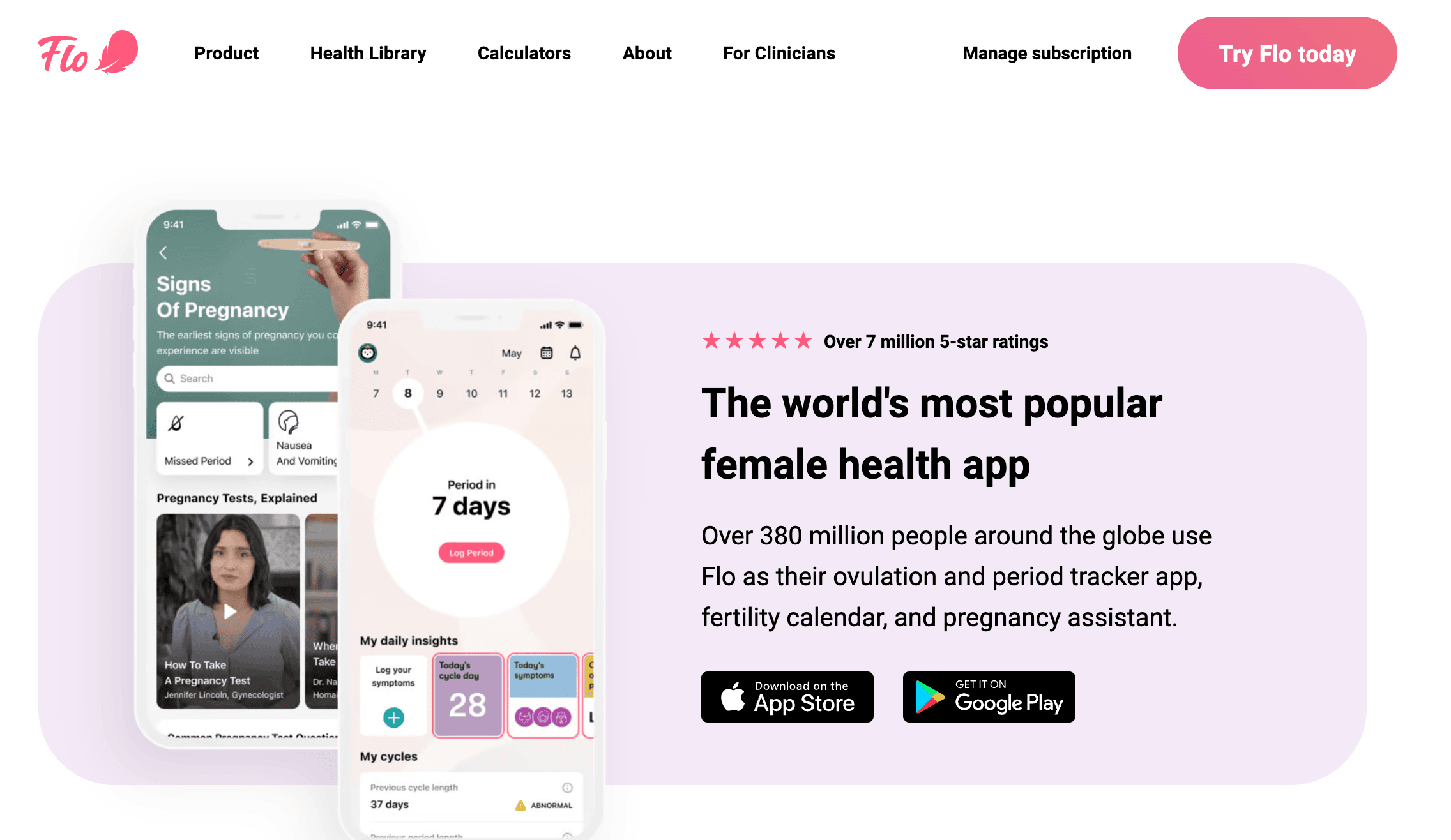
Flo is a period and pregnancy tracker app for women to manage their cycles and health. Users can get help with bad period symptoms, pregnancy, and sexual health through expert chats and blogs.
You can sign up for their affiliate program by filling out the form on Impact Radius, a top affiliate network. Flo pays their affiliates a 30% commission on each successful subscription on their app. The cookie duration lasts for 30 days from the first click of customers on your link.
You will receive your payouts on a monthly basis. Impact will track your referrals and pay you via PayPal, wire transfer, or ACH.
|
3. Pink Lotus Elements
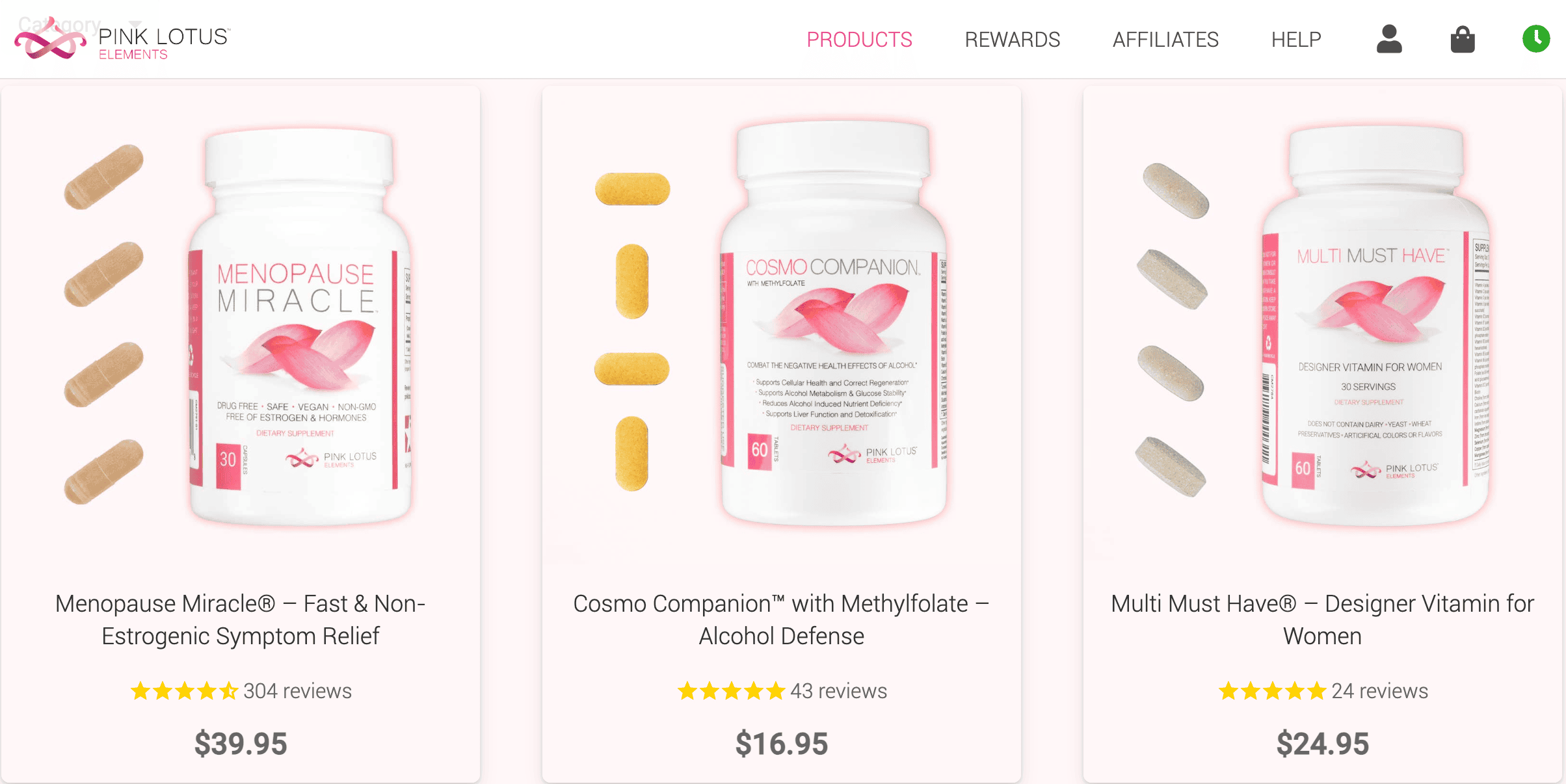
Pink Lotus Elements has gained a reputation for providing supplements for surgery and the recovery stage of breast cancer. They also have a wide selection of female health products for menopause and other issues as well.
Pink Lotus Elements creates multiple commission tiers based on affiliate performance, ranging from 10% to 30%:
- 10% for $0-999 (Starter)
- 15% for $1,000-2,499 (Up-and-Comer)
- 20% for $2,500-9,999 (Going Strong)
- 25% for $10,000-49,999 (On a Mission)
- 30% for $50,000 (Entrepreneur)
If customers buy products within 30 days of the first click through your link, you will earn a commission. You will receive your payouts on a quarter basis only through PayPal.
Once becoming a Pink Lotus Elements publisher, you’ll find various product images in their library. You can use these images to create engaging content for your target audience.
|
4. Joylux
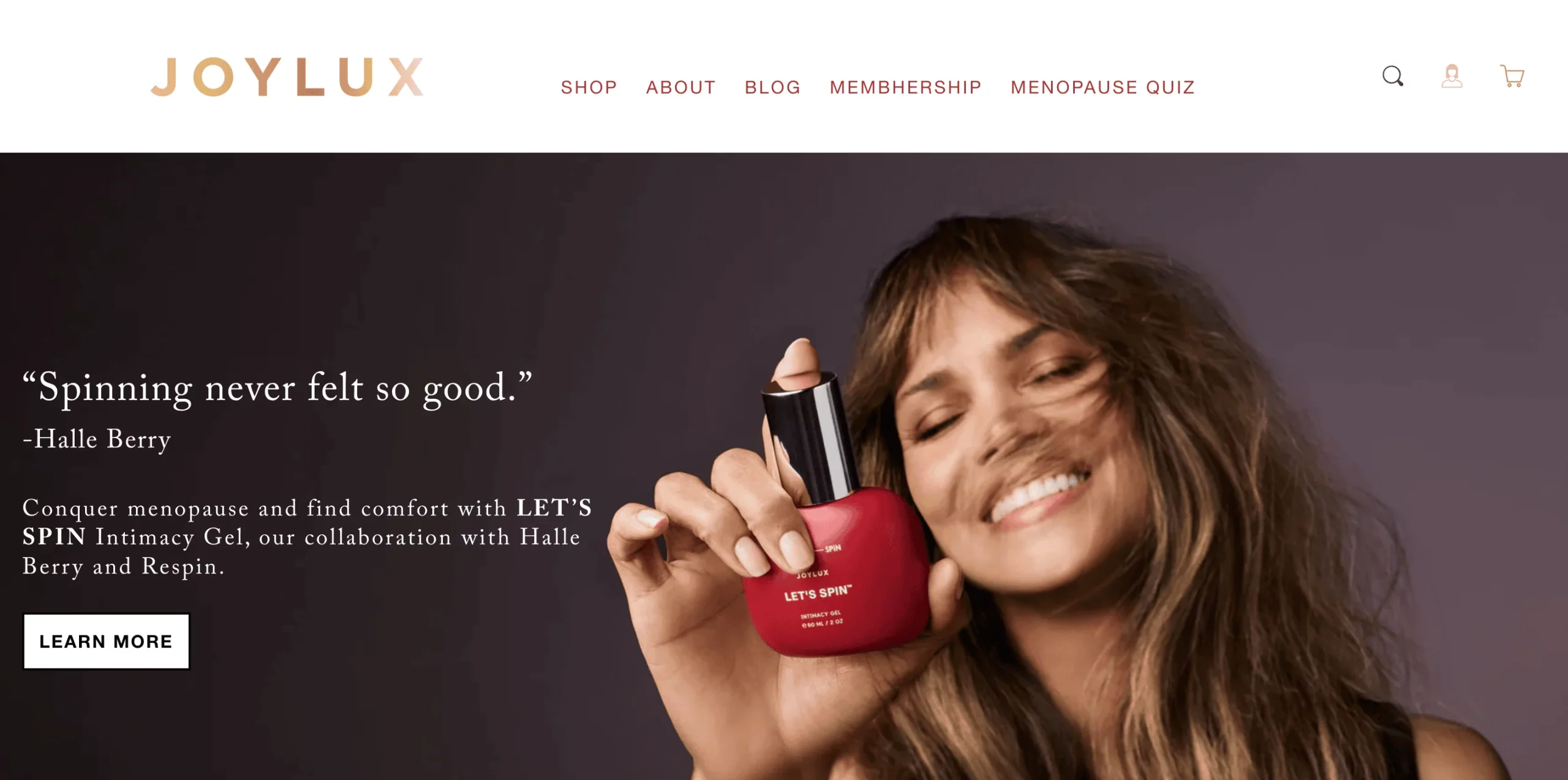
Joylux takes a different approach to improving women’s health with high-tech devices and digital tools. They bring solutions to more than 60 million peri/post-menopausal women suffering from health issues.
After joining the JoyLux affiliate program via Impact, you can earn a 10% commission rate on each order. The cookie duration remains active for 30 days for you to earn a valid commission, counting from the first click of customers.
As part of the program, you will receive exclusive promos from Joylux to share with your followers. You will also receive updates about the newest products to boost your promotion efforts.
|
5. Hertility
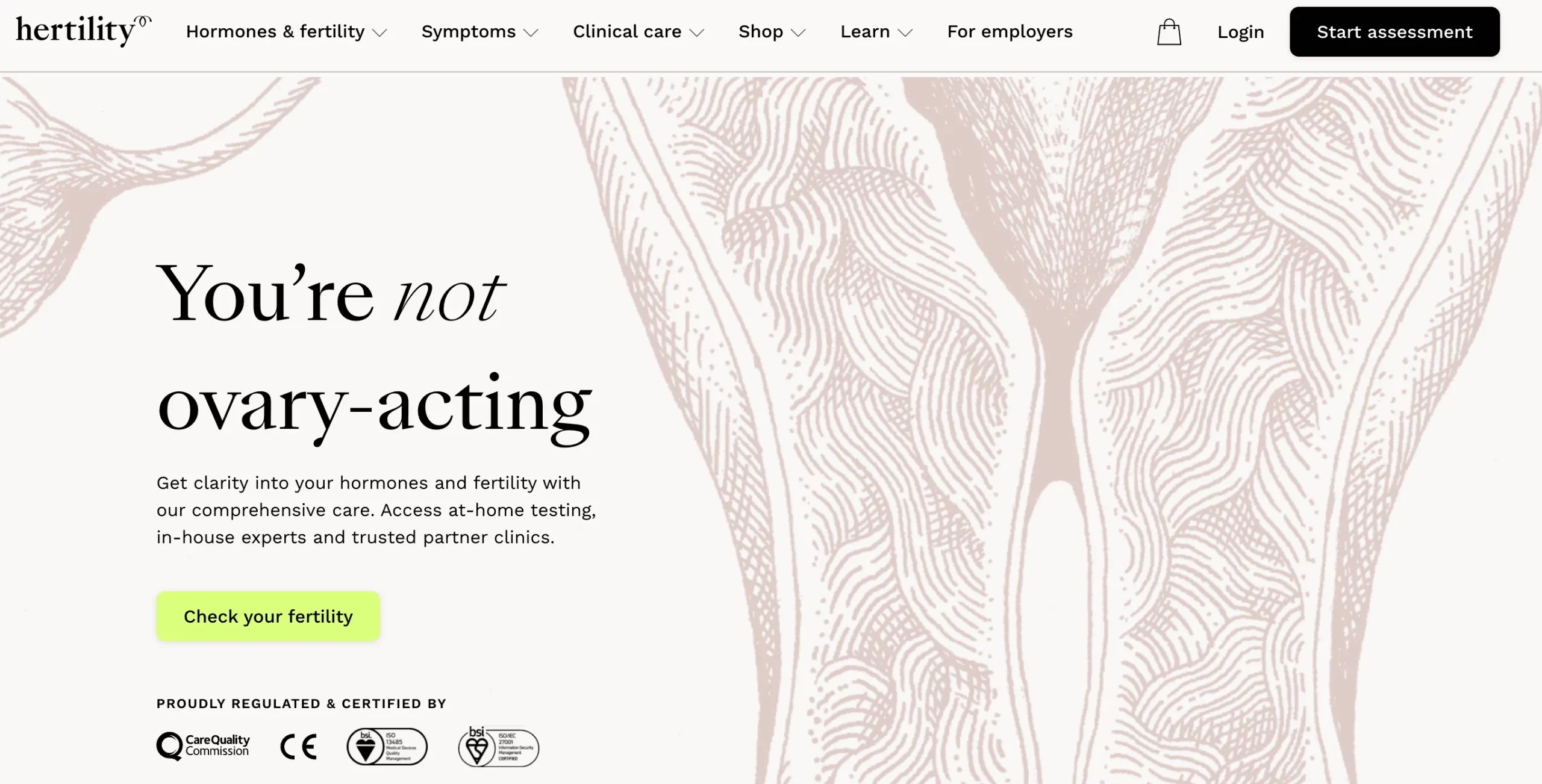
Hertility specializes in their clinical care and products in fertility and hormone health. After taking their science-backed hormone testing, users will get advice from professors on their conditions.
Managed by Awin, the Hertility affiliate program requires no fee to join. You can earn £10 on every Hormone and Fertility Test kit sale.
The tracking period for approved commissions is 30 days. Therefore, as long as customers purchase within 30 days of their first click on your link, you’ll get your commission.
|
6. August Bioscience
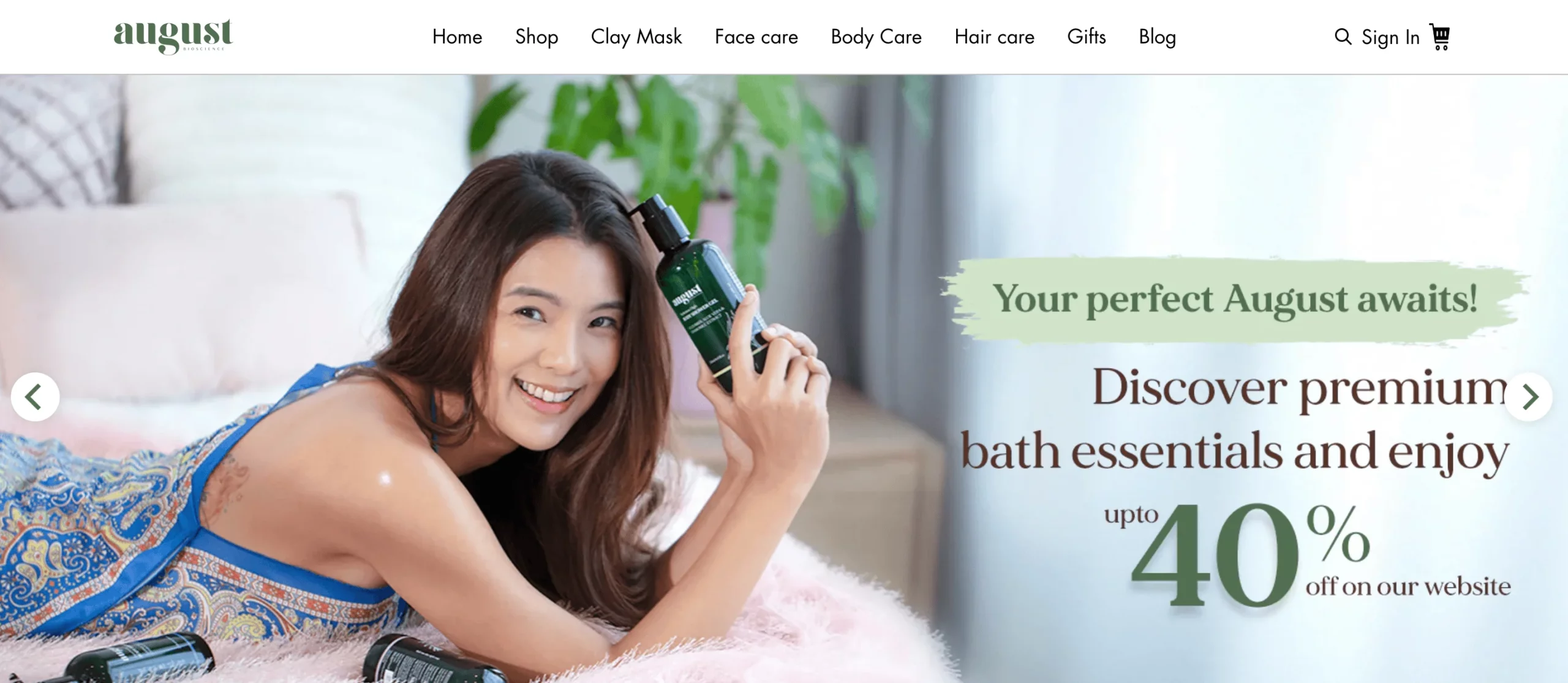
August Bioscience specializes in natural, sustainable products to rejuvenate women’s skin health. The brand offers a range of skincare solutions, including cleansers, toners, moisturizers, and serums.
Affiliates can join the August Bioscience affiliate program via UpPromote. You can enjoy a commission rate of 10% on successful referrals. The cookie duration lasts for 30 days, meaning you’ll receive a commission only for purchases made within a month from the first click of customers.
You can share and promote the products on social media with customized text links and images. Moreover, August Bioscience also provides you with announcement banners to support your promotion.
|
7. Root’d
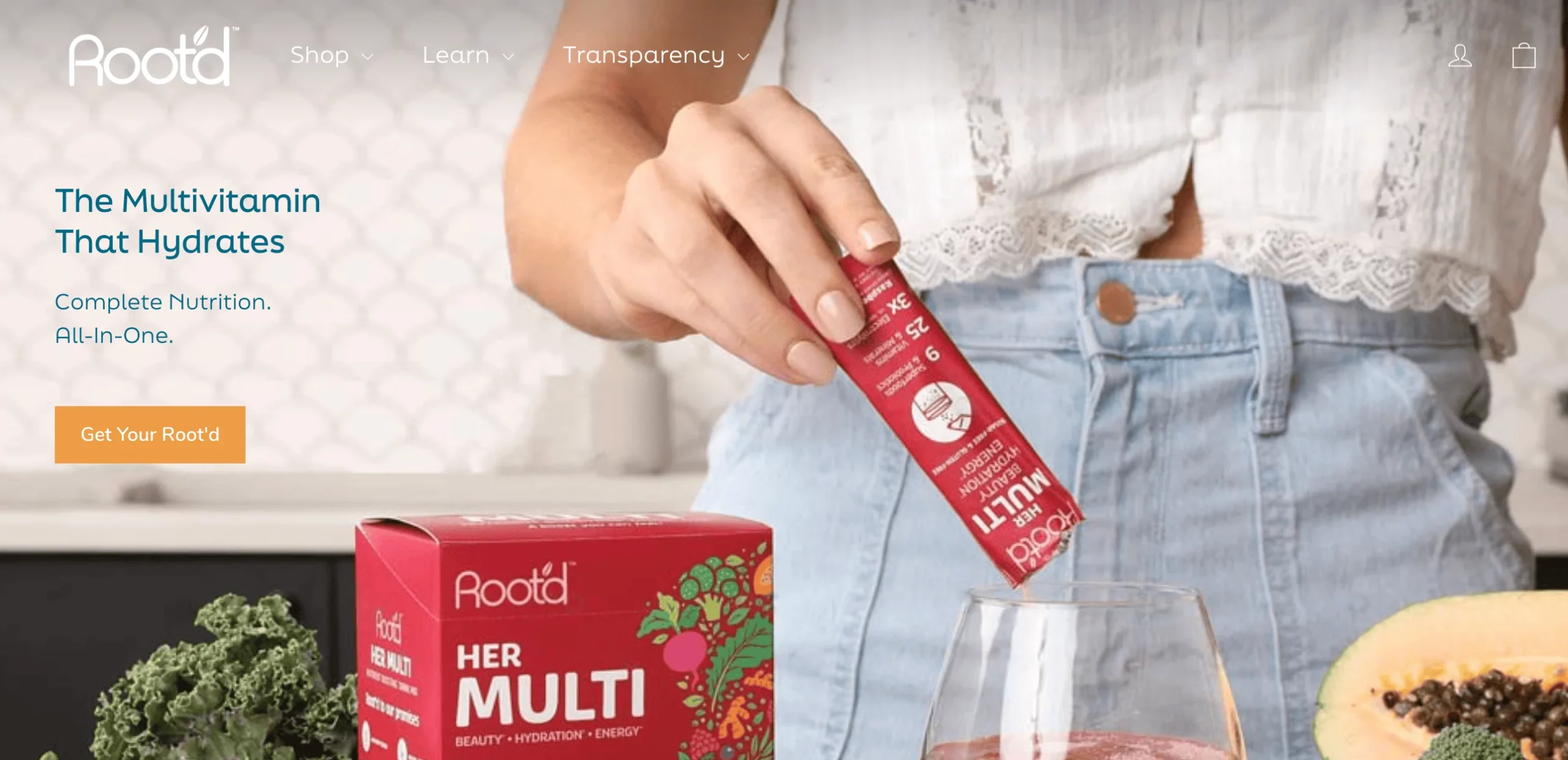
Root’d creates an exclusive multivitamin line for prenatal mom to improve their health. In addition, Root’s also has nutrition drinks for men to help boost their overall energy.
When approved for the Root’d affiliate program, you can earn a 17% commission rate per qualified sale. Root’d offers a 45-day cookie duration from customers’ first click, allowing you to earn commissions on their purchases via your link.
You can find eye-catching banners and text links on the marketing dashboards. There are also various coupons and deals for affiliates from Root’d to help you drive more sales. In addition to monthly program updates, you’ll receive dedicated support from the Root’d team.
|
8. EverlyWell
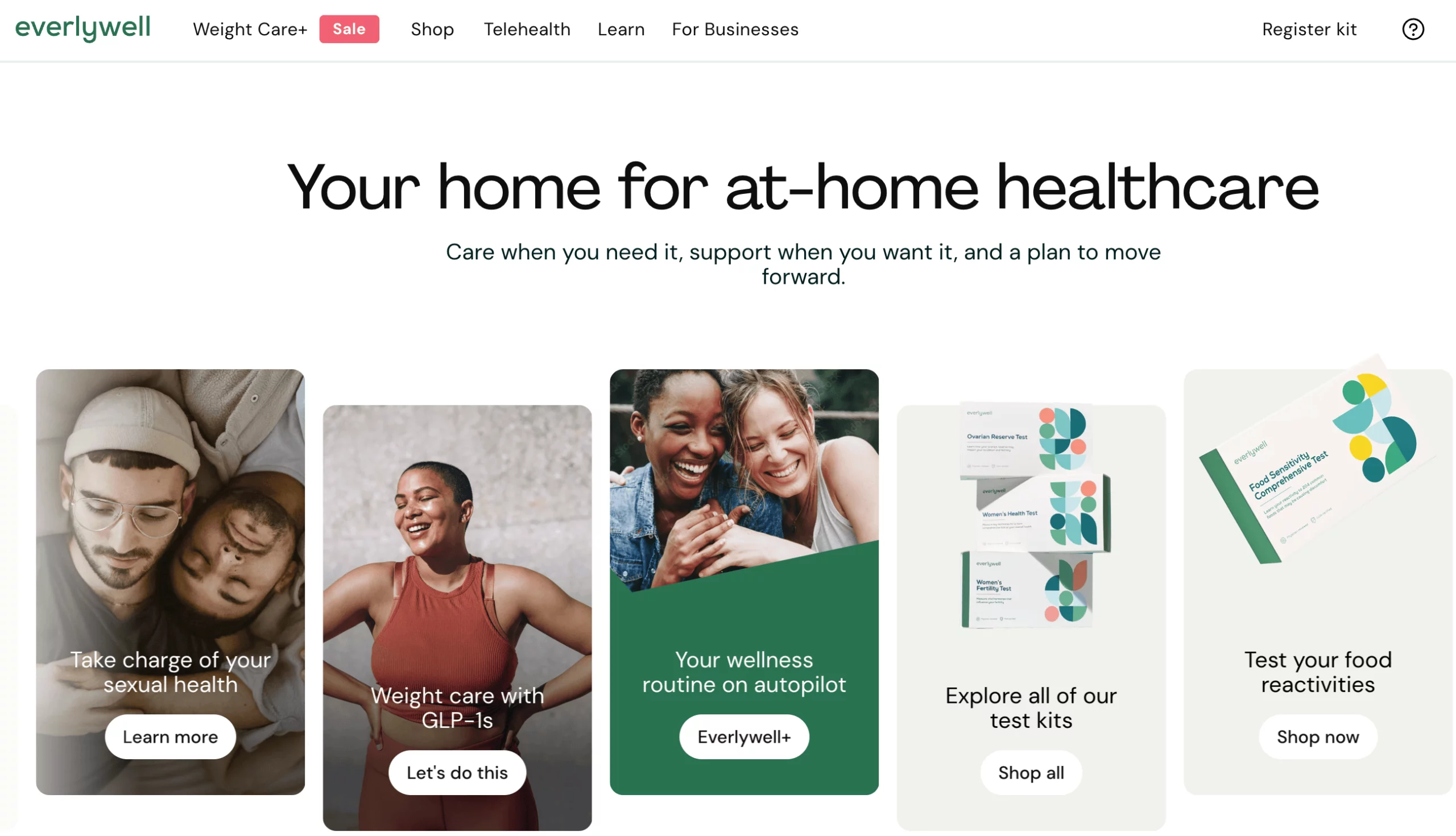
EverlyWell supplies every clinical test, such as weight care, sexual health, or general wellness for women. They also make tests more accessible by providing home service kit tests for their users.
You can sign up for the EverlyWell affiliate program on the Impact affiliate network. The commission rate depends on the type of products, including:
- 3% for online sales
- $30 for VCV leads, weight care + purchase
With a 30-day cookie duration, you can earn a commission if customers purchase within a month after clicking your link.
You can find promotional tools on Impact’s marketing dashboard to promote EverlyWell’s service better. They have images and text links available for you, in case you need them.
|
9. Womaness
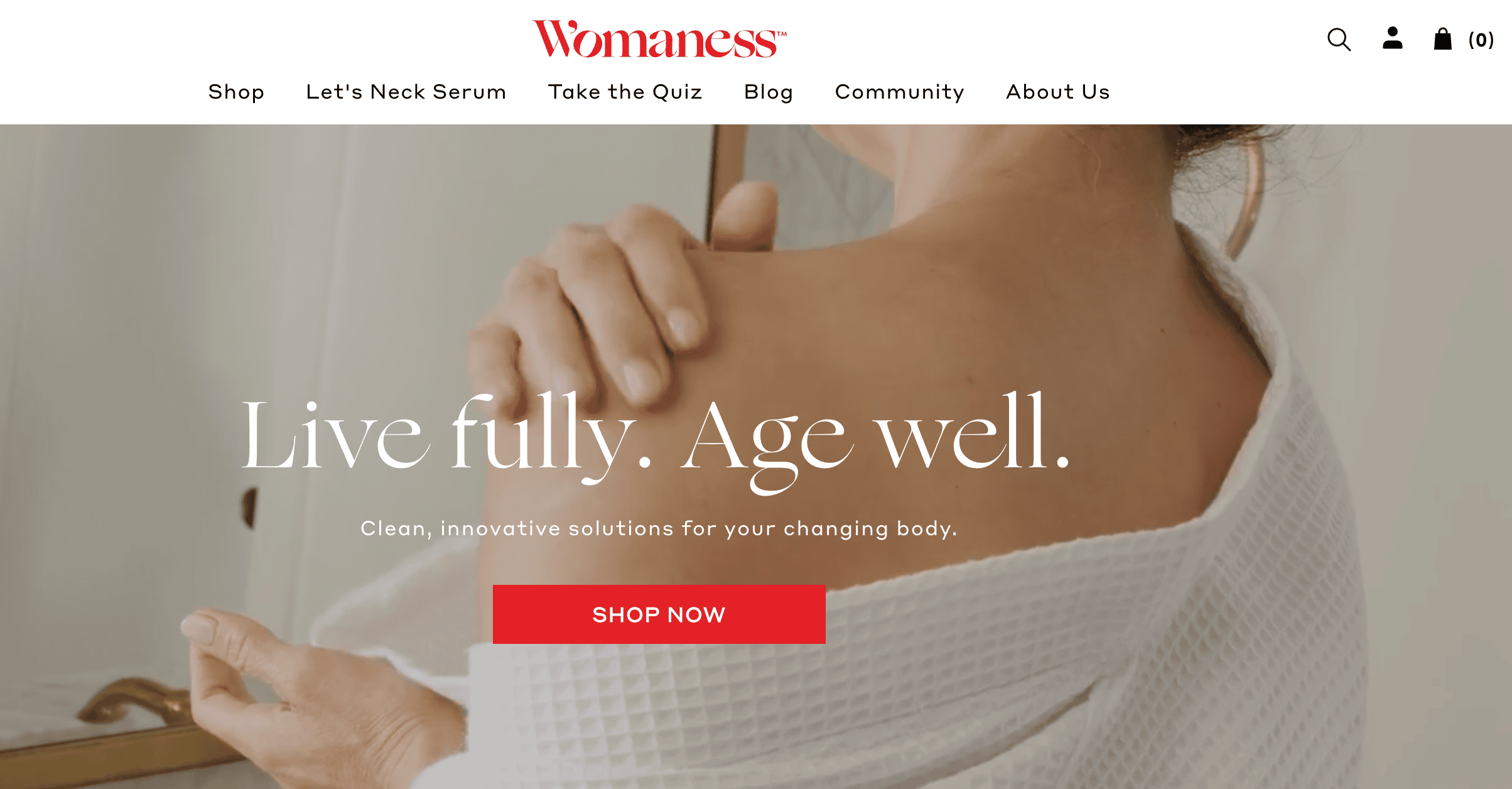
Womaness offers special anti-aging products to help middle-aged women manage most body changes. The brand creates problem-solving product lines, including menopause products, skincare collections, and more.
Affiliates can earn a 12% commission when joining the Womaness affiliate program. Plus, with an average order value of $65, you can enjoy around $8 per successful order. The cookie duration lasts for 30 days.
Womaness will consistently update their banners and text links for affiliates. They will also give exclusive payouts and bonuses for top-performing affiliates.
|
10. Circle + Bloom
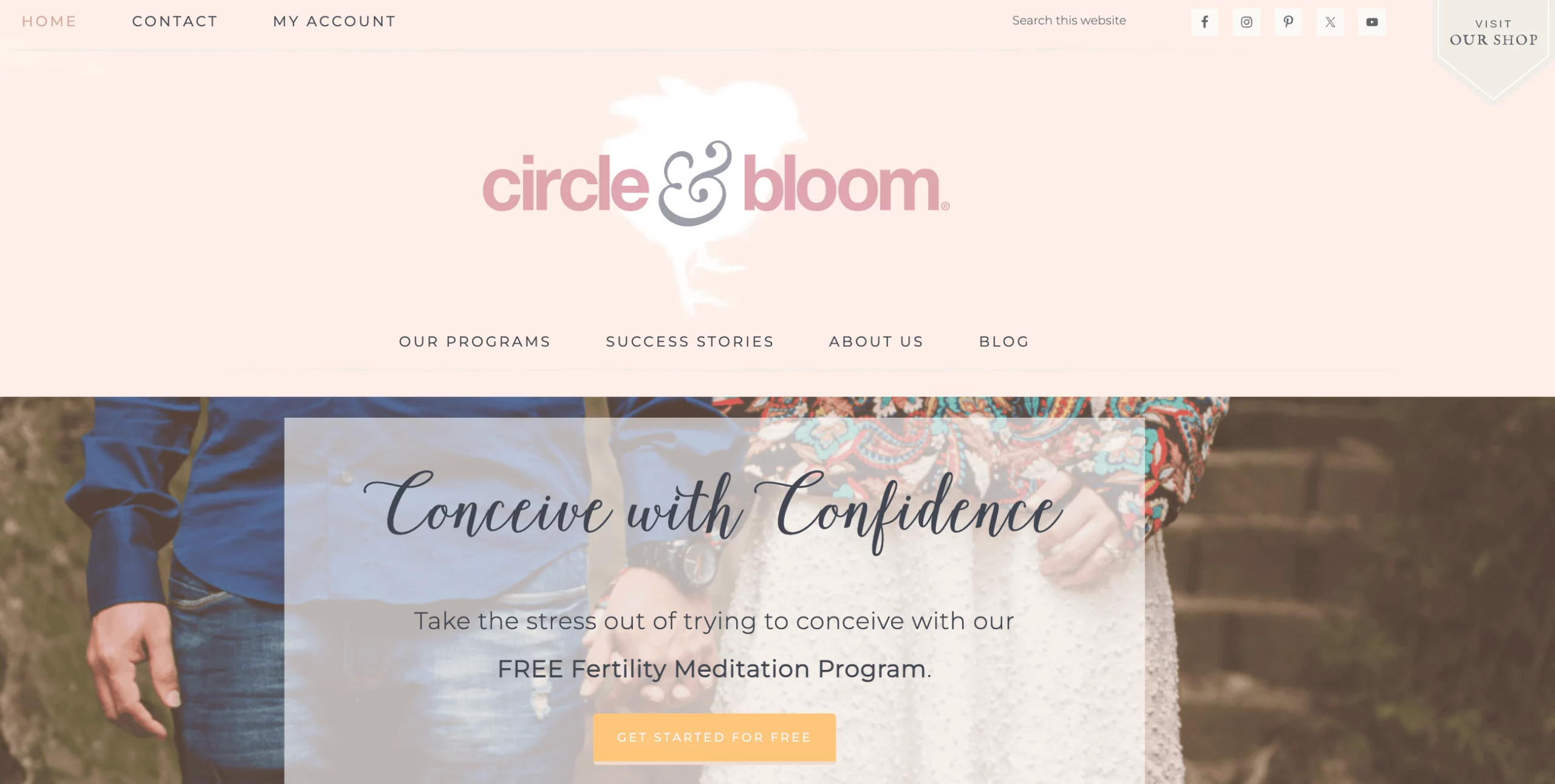
Circle + Bloom helps thousands of mothers reach their dream of having a baby with their fertility meditation program. Clients can also connect to each other via their community and heal through meditation after cancer treatment and other issues.
Joining the Circle + Bloom affiliate program could earn you a 30% commission rate for each order. Notably, there’s no limit time for cookie tracking, which means you can earn commissions if customers purchase through your link anytime.
Circle + Bloom makes payout transactions only through PayPal, so you must have PayPal to register as their affiliate.
Affiliate can design their affiliate site with a gallery of buttons and images from Circle + Bloom. However, you need to ask for permission to use these images for your promotion.
|
11. August
- Commission rate: 15-20%
- Cookie duration: 30 days
August knows what women suffer during menstruation, so they’re up with their period products. Their exclusive lines are 100% organic cotton, hypoallergenic, and fragrance-free to reduce pain during periods.
12. The Seed Cycle
- Commission rate: 10%
- Cookie duration: 60 days
The Seed Cycle found a menstrual biohacking method called “seed cycling” to control hormone issues in women. They use all-natural techniques to make special food to avoid sleepless nights, weight gain, and bloating.
13. Reverse Health
- Commission rate: $30
- Cookie duration: Not mentioned
Having trouble with weight loss during the menopause stage? Reverse Health supplies solutions in diet and practices to help women lose weight safely in their middle age.
14. Ladykind
- Commission rate: 20%
- Cookie duration: Not mentioned
Ladykind helps women during menstruation and menopause. They’ve done the research and created hormone-balancing CBD oil, organic herbs, and vitamins to support women’s wellness.
15. Modibodi
- Commission rate: 20%
- Cookie duration: Not mentioned
Modibodi offers solutions for women’s issues related to light incontinence, menstruation, breast milk, and more. Their garments are 100% leak-proof and satisfy most women.
16. Intimina
- Commission rate: 8-10%
- Cookie duration: Not mentioned
Intimina replaces outdated tampons with menstruation cups to help women control their period. They encourage their users to use Intimina Cup to boost confidence and protect the environment.
17. Winkwellness
- Commission rate: 10%
- Cookie duration: Not mentioned
Winkwellness creates their skincare and healthcare product lines based on women’s specific conditions. Most of their effective products combine natural ingredients and science techniques.
18. Avawomen
- Commission rate: $20
- Cookie duration: Not mentioned
Avawomen’s tracking app helps users monitor their cycles, making it easier to get pregnant. Over 30% of their users report getting pregnant within one year of using the app.
19. Raena Health
- Commission rate: $50
- Cookie duration: Not mentioned
Raena Health has every solution for hormone problems in women in menopause or daily health. Users can use their kit tests and receive advice from Raena Health to buy suitable supplements.
20. Interlude
- Commission rate: 24%
- Cookie duration: Not mentioned
Interlude gives special care for the vaginal and urinary health of women during their menopause and post-menopause. They create multiple solutions, such as Vaginal estradiol cream Rx, estradiol suppositories Rx, and antibiotics Rx product line.
What Types of Women’s Health Products Can You Promote?
Many new affiliates make a mistake. They think “Women’s Health” is just weight loss pills or yoga mats. The reality is much wider—and more profitable.
This niche covers everything from medical devices to daily supplements. You must know the difference.
It changes how you get paid. Some categories pay you once. Others build the “holy grail” of affiliate marketing: monthly recurring income.
Below, we break down two of the best categories to start with: supplements (for monthly income) and eco-friendly care (for high trends).
Hormonal Health and Supplements: The Recurring Revenue Foundation
If you want steady income, start here.
Hormonal health supplements are recurring purchases—part of daily routines. One sale often generates 6-12 months of automatic payments.
These buyers are highly motivated.
Women seeking relief from PCOS, endometriosis, or pregnancy support aren’t browsing, they’re actively searching for solutions.
This drives higher conversion rates than general wellness.
| Category | Focus | Price Range | Commission | Retention Factor |
| PCOS & Hormones | Chronic pain and fertility issues | $40 – $80 | 30% – 50% | Longest subscriptions; high loyalty |
| Prenatal Vitamins | Pregnancy and postpartum support | $25 – $60 | 20% – 40% | Steady 9–12 month cycle |
| Adaptogen Blends | Stress relief and Ashwagandha | $30 – $70 | 25% – 45% | Strong demand for stress management |
| Iron Supplements | General health and daily deficiency | $15 – $35 | Not specified | Low price drives frequent reorders |
“The mistake most affiliates make is selling the ‘pill.’ You need to sell the ‘outcome’.
Don’t list ingredients for a PCOS supplement—explain how it stabilizes insulin levels to fix midday fatigue.
That specific problem-solving triggers the subscription.” — Sarah Jenkins, Senior Affiliate Manager
Prioritize brands offering “Subscribe & Save.” A 30% commission on a $60 monthly subscription equals $216 yearly from one customer.
Look for recurring revenue models and focus on solving specific problems, not listing features.
Menstrual Care Products: The Sustainable Switch Market
We’re seeing a major shift in menstrual care.
Consumers are switching from disposable to eco-friendly, reusable products. This market grows 15-20% annually because it helps the planet and saves money.
For affiliates, this category works differently. Unlike supplements, these are often one-time purchases.
However, low competition and high demand for “eco-swaps” make them excellent for driving traffic.
🩲 Period Underwear: The star product. Priced at $25-$60 per pair with 20-40% commission. Customers typically buy bundles of 3-5 pairs, not singles.
🍷 Menstrual Cups/Discs: One-time purchase at $25-$45 with 15-30% commission.
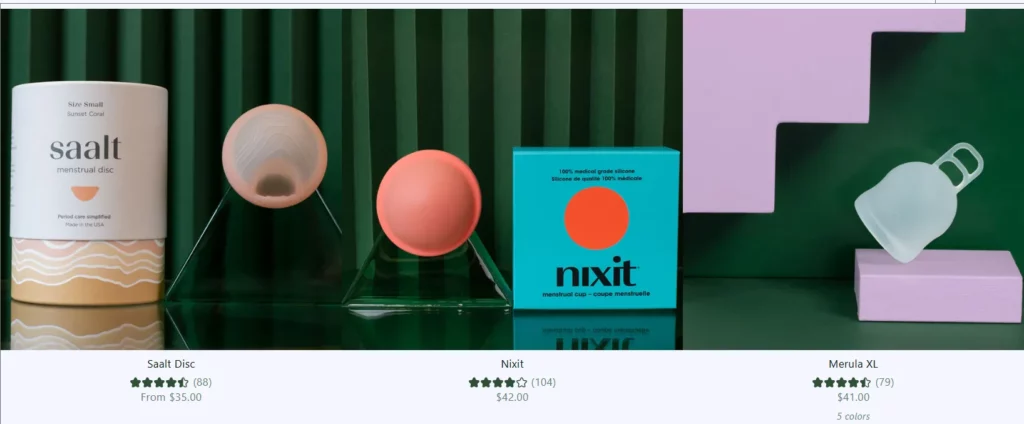
🤖 Pain Management Tech (TENS Units): Higher-priced devices ($30-$100) that use electrical pulses to block cramp signals.
Organic Cotton Subscriptions: The recurring option. Boxes run $8-$20/month.
The best approach is the “Investment vs. Expense” comparison.
Try this pitch: “You can rent your period relief for $15 a month for the rest of your life, or buy this $35 cup once and be done for five years.”
You’re not selling expensive silicone—you’re selling a replacement for $900 worth of tampons. When you show the math, the purchase becomes logical.
This angle performs exceptionally well on TikTok and Pinterest.
Frame reusable products as long-term investments, not expensive purchases. The math sells itself.
Fertility and Pregnancy: The High-Intent, High-Value Category
If you want the highest buying intent in health, look at the TTC (Trying to Conceive) community.
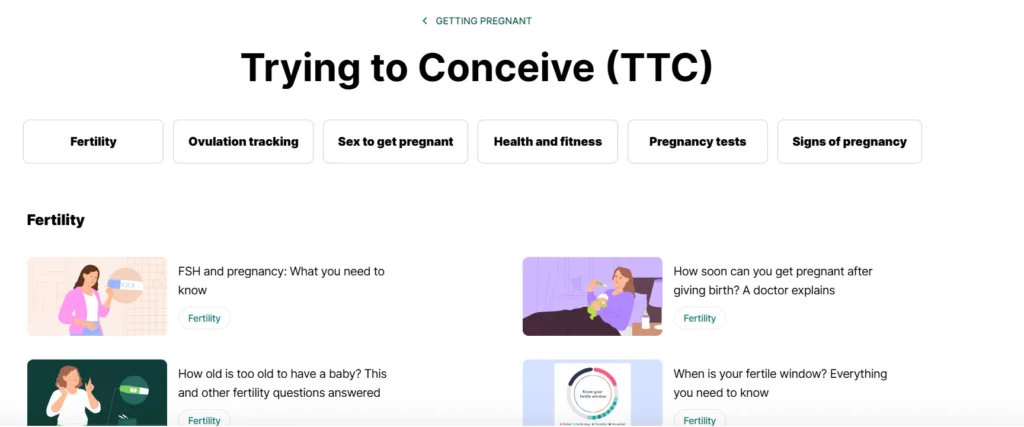
When actively trying to conceive, price matters less. Women seek accuracy and results, not bargains. This creates a powerful mix of expensive tech and monthly nutrition orders.
| Product Category | Price Range | Commission | Key Benefit |
| Ovulation Trackers | $150 – $300 | 15% – 25% | Offers data-driven hope |
| Prenatal Vitamins | $30 – $60 monthly | 25% – 40% | Specialized fertility support |
| Maternity Support | $30 – $80 | 15% – 25% | Belts, pillows, and compression wear |
| Breast Pumps | $150 – $400 | 5% – 15% | High prices offset lower margins |
Generic “pregnancy advice” is too crowded. Money is in specific challenges.
Content targeting specific hurdles (“Best ovulation trackers for PCOS” or “First trimester nausea relief”) converts 40-60% better than generic topics.
Focus on the TTC journey.
A user who trusts you for ovulation tracking will likely buy prenatal vitamins, pregnancy tests, and eventually breast pumps through you.
Own the entire 12-18 month lifecycle.
Start at conception, guide through pregnancy, and continue postpartum. This builds long-term customer relationships worth hundreds in commissions per user.
Menopause and Perimenopause: The Underserved High-Spending Demographic
For years, the affiliate industry ignored women over 45. That was a costly mistake.
Women in the perimenopause and menopause transition (typically ages 45–55) are an untapped opportunity.
They often have the most money to spend of any female demographic. Yet, mainstream media largely ignores them.
This group is only ~20% of the female population.
However, they control nearly 35% of all health-related spending. They are actively looking for help with sleep, hot flashes, and hormones. They are willing to pay for quality.
🛠️ Cooling Technology:
Hot flashes drive high-ticket sales. Cooling mattress pads, sleepwear, and “menopause thermostats” (like the Embr Wave) sell for $200–$500.
Commissions are typically 10–20%. You can earn $50+ per sale.
💡 HRT Alternatives:
Many women want natural alternatives to Hormone Replacement Therapy (HRT).
Black Cohosh blends and menopause multivitamins run $40–$100 monthly. Commissions are strong at 25–40%.
🩺 Vaginal Health:
A sensitive but massive market. Moisturizers and probiotics sell for $20–$50 (25–40% commission).
The competition here is tiny compared to “weight loss” or “beauty.” You must create respectful, research-backed content.
If you validate their experience rather than just selling to them, you can build a loyal audience that sticks with you for years.
Addressing hormone shifts is important. But women also need tools to manage physical changes—specifically the recovery problems that standard gyms ignore.
Fitness and Wellness: The Specialty Equipment and Program Category
General fitness (yoga mats, dumbbells) is crowded. The real money in women’s health is specialized recovery.
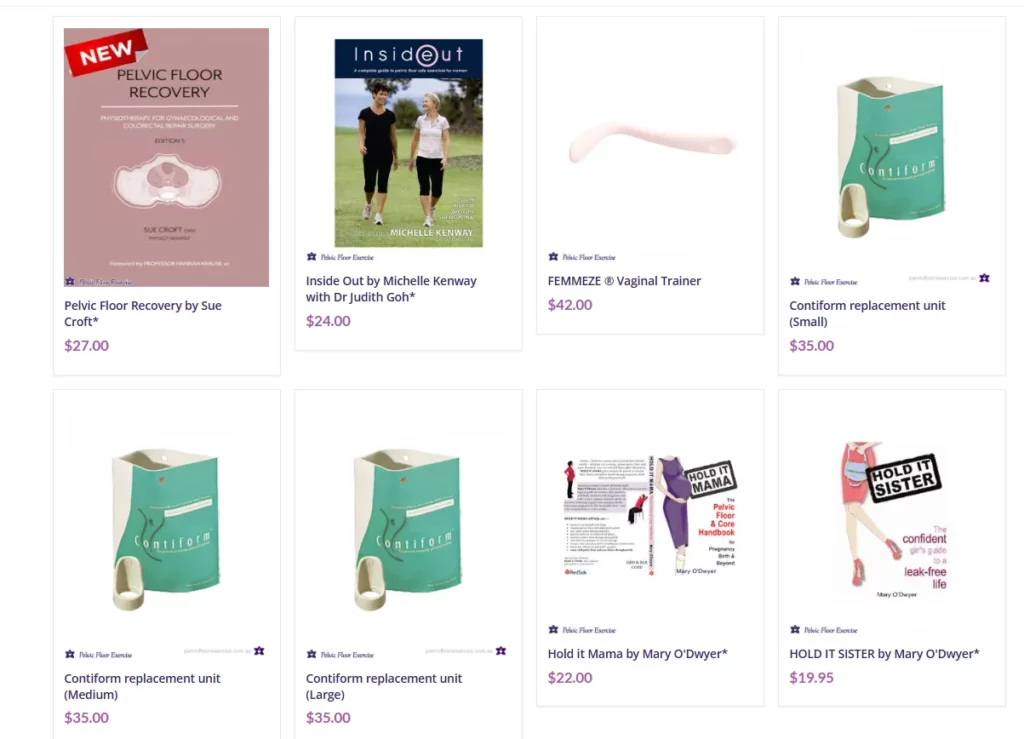
Women dealing with pregnancy, birth recovery, or aging want to function without pain, not six-pack abs. This shift from “vanity” to “medical need” drives high conversions.
| Product Category | Primary Focus | Price Range | Commission | Key Feature |
| Pelvic Floor Trainers | Gamified muscle strengthening | $150 – $200 | 10% – 20% | Smart devices with phone apps |
| Recovery Programs | Healing abdominal separation | $100 – $300 | 20% – 30% | Online courses for postpartum health |
| Workout Apps | Prenatal yoga and fitness | $10 – $30 monthly | 20% – 40% (recurring) | Specialized programs; monthly revenue |
| Posture Wearables | Back pain relief | $50 – $150 | 15% – 25% | Wearable correction devices |
Don’t sell by showing product pictures. Sell by naming the problem.
Generic fitness ads say “Get fit.” High-converting affiliate content explains: “Why your lower belly ‘pooch’ won’t go away (and how to fix Diastasis Recti).”
Teach readers the medical term for their problem. You instantly build trust. The product recommendation becomes a prescription, not a sales pitch.
Stop selling generic fitness. Focus on “functional recovery.” The audience is smaller, but they’re far more likely to buy expensive tools to solve painful problems.
Physical recovery gets attention, but one final frontier remains—many affiliates avoid it, which makes it extremely profitable.
Intimate Health and Sexual Wellness: The Taboo-Breaking Opportunity
In affiliate marketing, “embarrassment” makes money.
Many people hate talking about UTIs, bacterial vaginosis (BV), or sexual wellness face-to-face with a pharmacist. They prefer to research and buy online in private.
This creates huge search traffic with low competition. Many creators avoid these “taboo” topics.
UTI Prevention & Treatment:
Supplements like D-Mannose are staples. They sell for $20–$45, with strong 25–40% commission.
Because UTIs often come back, buyers purchase these every month.
Vaginal pH Balancers:
Products like boric acid suppositories are booming. Prices are $15–$35 with 30–45% commission.
Yeast Infection Treatments:
Natural options range from $20–$40 (25–40% commission).
Sexual Wellness:
This includes lubricants and pleasure products.
This topic is becoming more normal to discuss. Prices range from $15–$60 with 20–35% commission.
Younger generations (Gen Z and Millennials) view these topics differently. They see intimate health as basic self-care, not a secret.
If you write a post about “Best Running Shoes,” you fight huge brands like Nike.
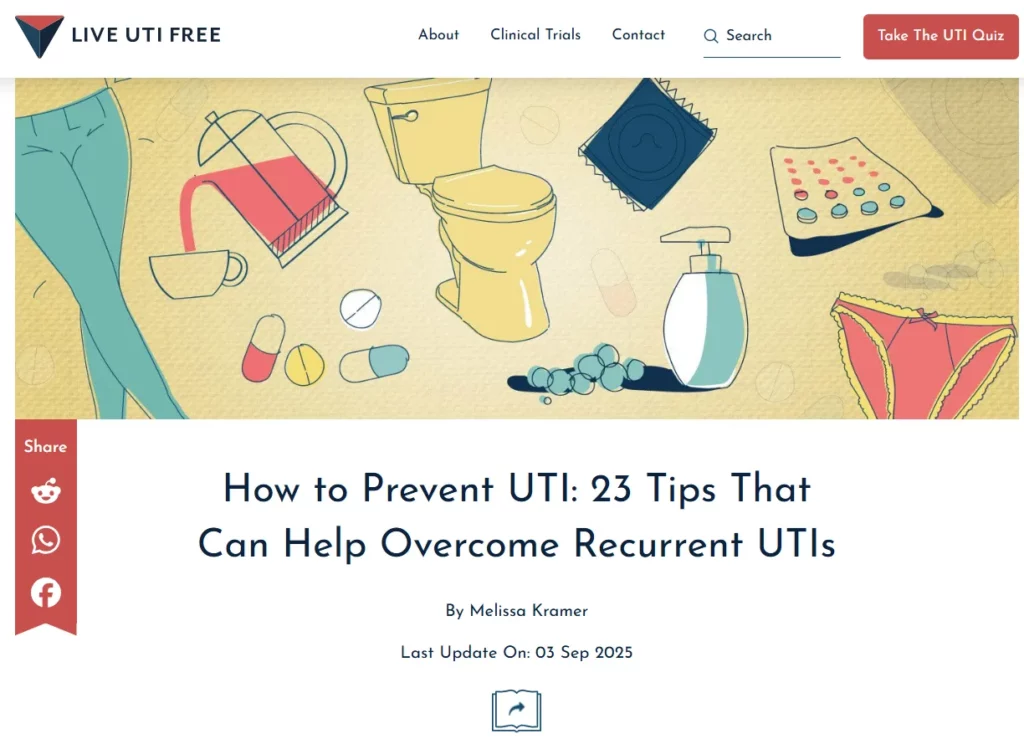
If you write a helpful, kind guide on “How to prevent recurrent UTIs naturally,” you only compete with dry medical websites like WebMD.
Offer a relatable, human voice in a medical space. You can rank quickly and find an audience looking for a solution right now.
Telehealth and Subscription Care Services: The Premium Commission Category
If you want the “heavy hitters” in women’s health, this is it.
We’re not talking about $5 vitamin commissions. These are medical-grade services with professional price tags and premium payouts.
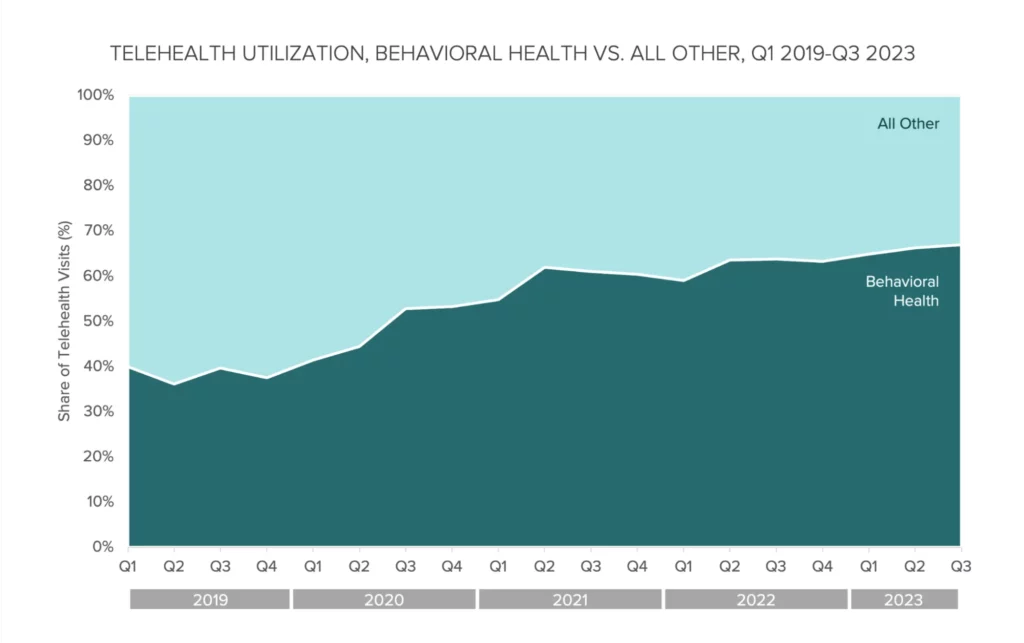
Since 2020, telehealth usage has jumped over 300%.
While the pandemic started this shift, pure convenience keeps it going, especially for women seeking private help with fertility, hormones, and menopause.
At-Home Hormone Testing: Kits cost $100-$300. As the “first step” for treatment, they convert well with 20-35% commission.
Virtual Consultations: Single appointments range from $75-$200, paying 15-30% commission.
Subscription Telemedicine Platforms: The best long-term play. Users pay $50-$150 monthly, and affiliates earn 20-40% recurring lifetime revenue.
Comprehensive Care Packages: High-ticket bundles (testing + meds + consults) cost $200-$500, earning you $30-$100+ per sale.
There’s a catch. Selling medical subscriptions isn’t like selling yoga mats. You’re asking readers to trust strangers with health data.
Think of it like being a real estate agent, not a cashier. A cashier sells a t-shirt in five minutes. A real estate agent needs time to build relationships to sell a house.
Your content must be educational, not a sales pitch. Highlight medical credentials and privacy standards to make readers feel safe enough to buy.
Build trust first, then convert.
How Do You Choose the Right Women’s Health Affiliate Program?
Choosing an affiliate program just because it has the highest commission rate is a “rookie mistake.” It kills your profits faster than anything else.
A 50% commission on a product nobody wants is still $0.
To actually make money in this niche, you need a proven system.
You must judge the true earning potential of a program by checking how well it fits your audience, the quality of the product, and how likely it is to sell.
The goal is to find the “sweet spot” where high trust meets high relevance.
Step 1: Match Product Categories to Your Audience Demographics
The biggest reason products don’t sell is a bad audience match.
It doesn’t matter how great your writing is; you will never sell a menopause cooling mist to a 22-year-old college student. In women’s health, biology drives what they buy.
You need to match your offers to the specific life stage of your readers. Here is what converts best for each age group:
| Segment | Primary Focus | Top Solutions | Key Concern |
| Ages 25–35 | Fertility and prenatal health | Modern Fertility, Ovia, Needed | Data-driven fertility tracking |
| Ages 35–45 | Hormonal changes and stress | Tracking apps, hormone supplements | PCOS and hormonal balance |
| Ages 45–60 | Perimenopause and menopause transition | Bonafide, Kindra, Everlywell | Urgent relief for hot flashes |
| Postpartum | Physical recovery and pelvic health | Perelel Postnatal, Intimina trainers | Restoring physical health after birth |
If you try to target everyone, you reach no one. Pick the one life stage that fits most of your readers and focus on those specific solutions.
Step 2: Verify Product Quality Through Multi-Source Research
In the health niche, your reputation is your currency.
Promoting one “snake oil” supplement or low-quality device can destroy years of trust overnight.
Before you grab an affiliate link, you must vet the product as if you were buying it for your own mother.
Use this 5-point checklist to filter out the junk:
The “Review Volume” Standard:
Check Amazon or the brand’s site. A safe baseline is 4+ stars with at least 100 verified reviews. Anything less suggests the product is unproven or risky.
The Reddit Acid Test:
Go to Google and search “[Brand Name] + reddit review”. This skips the marketing fluff and shows you real customer experiences.
If you see threads complaining about billing issues or side effects, walk away immediately.
Ingredient Transparency:
For supplements, does the brand offer third-party testing results (COAs)?
If the website is vague about what is actually in the bottle, do not promote it.
BBB Rating:
Check the Better Business Bureau for patterns of complaints.
You don’t want to send your traffic to a company that refuses to give refunds.
The Personal Test (Best Practice):
Whenever possible, buy the product yourself. You can’t fake authenticity.
Being able to say, “I actually use this every morning,” will increase your sales more than any tactic ever could.
Step 3: Align Programs With Your Content Format and Strategy
You have confirmed the product is safe and fits your audience. But before you sign up, ask yourself: “Does this product actually fit the type of content I create?”
A mismatch here is subtle but deadly. Data shows that pairing the wrong product with the wrong content format can drop conversion rates by 50–70%.
You cannot sell a $200 device with a single Instagram photo, and you likely won’t sell a generic $10 supplement with a 3,000-word review.
Use this cheat sheet to match your content style to the right product:
| Content Type | Ideal Product Type | User Intent | Key Benefit |
| Review-Heavy SEO | High-ticket, single purchases | Ready to buy; needs validation | Converts “Best X” searches quickly |
| Educational Guides | Long-term subscription supplements | Seeking holistic, sustainable solutions | Builds deep brand trust |
| Social Media | Visual products (e.g., period underwear) | Quick discovery and aesthetic appeal | Demonstrates product performance instantly |
| Email Marketing | Premium recurring subscriptions | Relationship building and personalization | High retention for personal plans |
| Comparison Tables | Crowded categories (e.g., cups) | Quick feature and price breakdown | Simplifies decisions in saturated markets |
Step 4: Confirm Payment Reliability and Tracking Systems
The final step protects your earnings. Perfect audience targeting and content mean nothing if the program fails to track sales or pay on time.
Programs on ShareASale, CJ Affiliate, Impact Radius, or Refersion are safer.
These platforms act as neutral third parties, ensuring accurate tracking and timely payments. Custom in-house portals often have unreliable tracking.
Read the fine print carefully:
- Minimum Payout Threshold: Beginners should seek low thresholds (around $50). A $200 threshold could trap your money for months.
- NET Payment Terms: Most programs pay NET 30 or NET 60 (30 to 60 days after month-end). Ensure your cash flow can handle delays.
- Payment Methods: Avoid programs offering only Wire Transfer with hefty fees. Choose those with PayPal or Direct Deposit options.
Avoid these red flags at all costs:
- Upfront Fees: Any program charging to join is a scam.
- Outdated Dashboards: Poor interface quality usually means poor tracking accuracy.
Search “[Program Name] affiliate payment issues” before joining. Patterns of missing payments mean you should protect your traffic and look elsewhere.
What Are the Best Ways to Promote Women’s Health Affiliate Products?
Promoting women’s health products is totally different from selling fashion or tech gadgets. You are rarely dealing with impulse buys. Instead, you face long purchase cycles, high trust barriers, and readers who need to learn before they buy.
To succeed, you need strategies that build authority first and sell second. Below are proven frameworks for this niche, including the conversion rates you should expect.
Educational SEO Content With Natural Product Integration (2-4% Conversion)
This is the bedrock of passive income. Instead of writing “salesy” reviews, you target search terms where the user is looking for an answer. When you solve their problem, the product recommendation feels like a helping hand, not a pitch.
The Strategy: Target “How-to” or “What helps with” keywords.
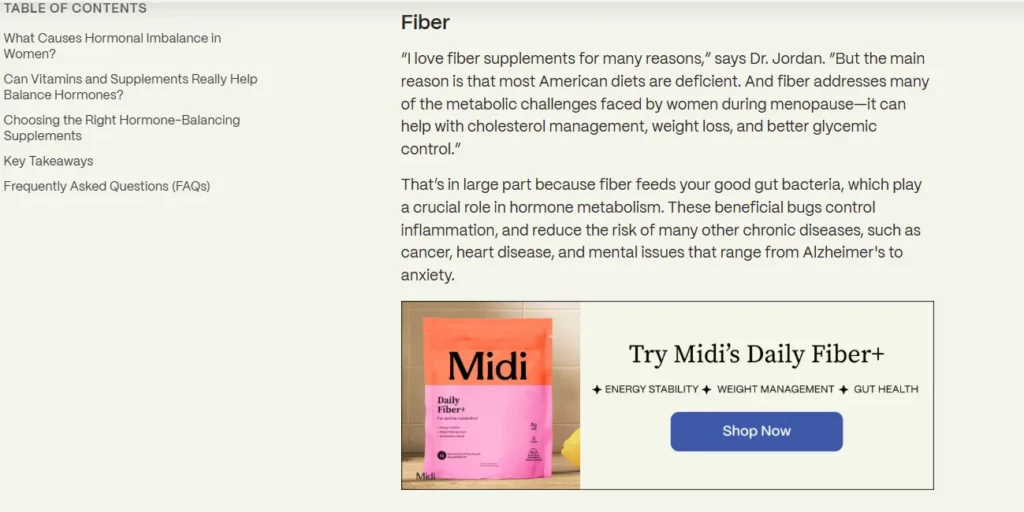
Search Query: “How to balance hormones naturally” → Promote: Hormone balance supplements.
Search Query: “What helps with hot flashes” → Promote: Menopause cooling solutions.
Search Query: “How to prevent UTIs” → Promote: D-mannose supplements.
How to Execute: Write complete, 2,000–3,000 word guides that fully answer the user’s question. Mention products naturally inside the solution sections (e.g., “Many women find relief using a TENS unit like [Product Name]…”). Always give 2–3 options at different prices so the reader has a choice.
Why It Works: A guide like “7 Natural Ways to Reduce Period Cramps” that includes heating pads and supplements will rank for years. It builds trust because you gave value before asking for the sale.
Segmented Email Marketing Sequences (5-8% Conversion)
Email is the highest-converting channel in this niche—often converting 3-5x higher than cold traffic. But this only works if you follow the “Golden Rule” of health marketing: Segmentation.
Sending a “Best Prenatal Vitamins” email to a woman going through menopause will cause them to unsubscribe instantly.
You must group your subscribers based on their specific life stage.
Segment A (Trying to Conceive): Send fertility tracking tools and ovulation kits.
Segment B (Pregnant): Send prenatal vitamins, maternity support bands, and hospital bag checklists.
Segment C (Postpartum): Send recovery supplements and pelvic floor trainers.
Segment D (Perimenopause/Menopause): Send hormone support and sleep solutions.
Frame products as solutions to a specific pain point, not just “Buy This.”
Send maximum one promotional email per week. Too many sales emails break trust in sensitive niches.
Include short personal stories or reviews in the email to prove the product works.
Instagram and Pinterest Visual Content (2-3% Conversion)
While SEO and email capture the “researchers,” visual platforms capture the “browsers.”
In women’s health, seeing a product in action—like the texture of a period cup or the size of a prenatal pill—can make all the difference.
With Instagram, check out this guide:
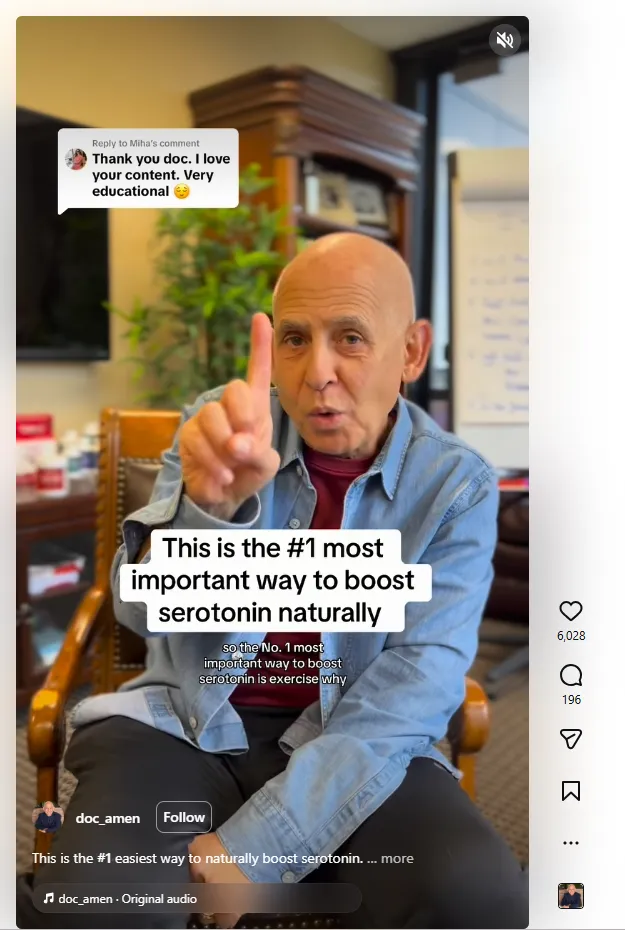
Reels: Create short “before/after” clips. Show the energy boost from a supplement or the relief from a heating pad. Visual proof stops the scroll.
Stories & Polls: Use real reviews to engage. Ask polls like “Have you ever tried a cup?” to group your audience, then follow up with a link to your guide.
Highlights: Organize your profile like a library. Create specific Highlights for “Pregnancy,” “Periods,” and “Menopause” so new followers can find links instantly.
Sponsorships: Once you pass 2,000+ engaged followers, you can often pitch brands for sponsored posts on top of your affiliate commissions.
Here’s how you win on Pinterest:
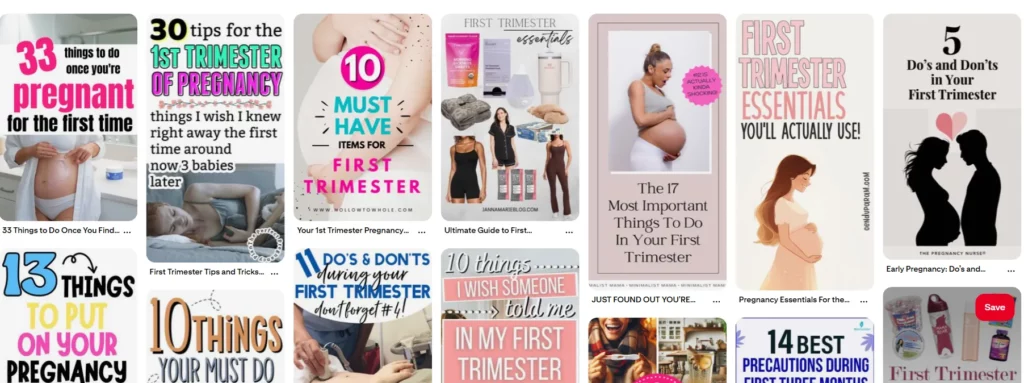
Vertical Pins: Create tall graphics (1000×1500 pixels) specifically for lists like “10 Must-Haves for the First Trimester.”
SEO Descriptions: Pinterest is a search engine. Don’t just write “Cute cup.” Use keywords like “best menstrual cup for heavy flow” so people can find you.
Board Organization: Group your pins by specific need (e.g., “Natural Period Care,” “Postpartum Essentials”) to keep users browsing longer.
YouTube Video Reviews With Demonstrations (3-5% Conversion)
Video builds the most trust. Writing about a product is one thing; looking a camera in the lens and explaining why you use it is another.
Because viewers can see that you are being real, conversion rates here often match email marketing.
The “Unboxing & First Impressions”
Great for subscription boxes (like Needed or Perelel). Capture the excitement of opening the box and checking the quality. This helps viewers see exactly what they will get.
The “30-Day / 90-Day Challenge”
Health products take time to work.
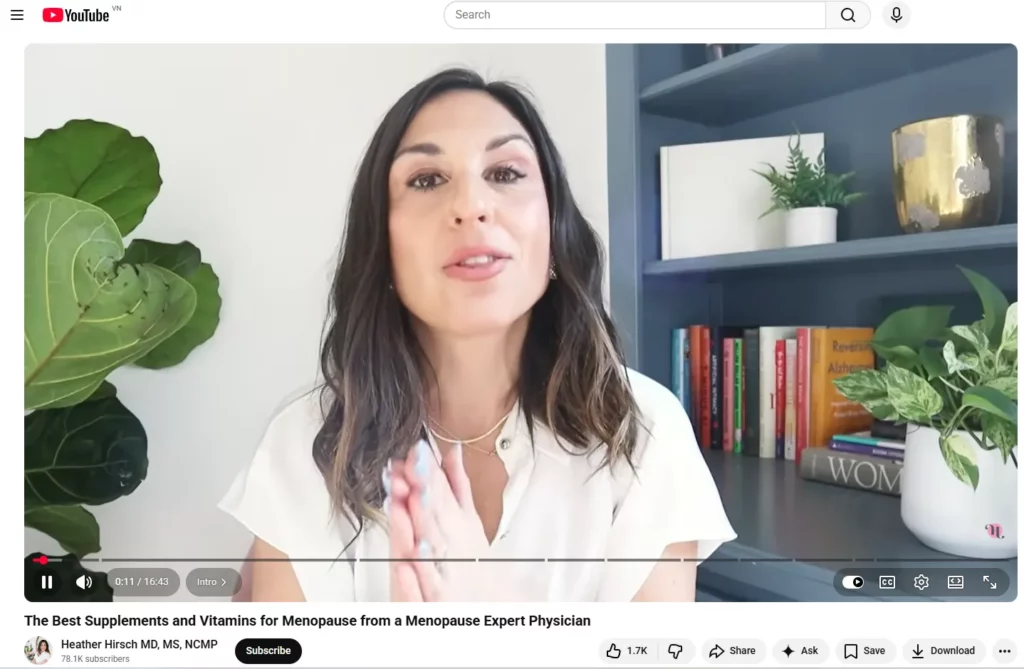
A video titled “I took this menopause supplement for 3 months: Here are my blood test results” is very powerful. It proves you aren’t just trying to sell a product you found yesterday.
The “Side-by-Side Comparison”
Help the viewer make a decision. Compare 3–4 menstrual cups on screen.
Show them side-by-side to compare size, firmness, and ease of use. This is the best content for buyers who can’t decide.
Pro Tip: Always say your call to action out loud (e.g., “I’ve linked the exact kit I’m using below”) and put your affiliate links at the very top of the description.
FAQs
What is a women’s health affiliate program?
A women’s health affiliate program allows publishers to earn commissions by promoting products or services focused on women’s physical, mental, hormonal, or reproductive well-being. Affiliates earn money when users purchase products, book consultations, or complete qualified actions through referral links.
What products are commonly promoted in women’s health affiliate programs?
Common categories include supplements, hormonal balance products, fertility and pregnancy products, menstrual care, sexual wellness, skincare, mental health services, telehealth consultations, and fitness or wellness programs designed specifically for women.
Are women’s health affiliate programs profitable?
Yes. Women’s health is a high-demand, evergreen niche with strong repeat purchases. Programs often offer commissions ranging from 10% to 50%, or high CPA payouts for services such as telemedicine or subscription plans.
Is it allowed to promote women’s health products on Google and Facebook Ads?
Yes, but with restrictions. Claims must be compliant, non-misleading, and medically responsible. Avoid exaggerated health claims, before-and-after images, or guarantees. Many affiliates rely on SEO, content marketing, and native ads to reduce policy risk.
Do I need medical credentials to promote women’s health offers?
No medical license is required. However, content should be informational rather than diagnostic. Disclaimers are strongly recommended, and affiliate sites should avoid positioning themselves as medical authorities.
Are women’s health affiliate programs suitable for beginners?
Yes. Many programs provide marketing assets, landing pages, and educational materials. Beginners often start with blog content or social media channels focused on education, lifestyle tips, and product comparisons.
Do women’s health affiliate programs offer recurring commissions?
Some do. Subscription-based supplements, telehealth memberships, and wellness apps may offer monthly recurring commissions, making them attractive for long-term affiliate income.
Is women’s health a seasonal or evergreen affiliate niche?
Primarily evergreen. However, demand spikes occur around pregnancy seasons, New Year wellness goals, Mother’s Day, and major health awareness months.
Conclusion
Women’s health affiliate programs provide a lucrative opportunity to monetize your online presence. Each program offers unique benefits, from high commissions to specialized products and supportive resources. Choose the best fit and start earning today!

Ellie Tran, a seasoned SEO content writer with three years of experience in the eCommerce world. Being a part of the UpPromote team, Ellie wants to assist Shopify merchants in achieving success through useful content & actionable insights. Ellie's commitment to learning never stops; she's always eager to gain more knowledge about SEO and content marketing to create valuable content for users. When she's not working on content, Ellie enjoys baking and exploring new places.