

The threats of identity theft or malware are rising along with the widespread of the internet. Therefore, the need for a reliable cybersecurity service is more urgent among individuals and enterprises. There’s a good chance for you to earn money by promoting reliable cyber security products.
We’ve collected 20 of the best cyber security affiliate programs in this article to help you consider. Check each brand carefully to join the one that best aligns with your audience.
Quick Comparison
| Program Name | Commission (%) | Cookie Duration (Days) | Niche Suitable | Affiliate’s Rating |
|---|---|---|---|---|
| Perimeter 81 | Equivalent ~ 20–35% (≈ $400–$1000 per sale) | 60 | Cybersecurity, Zero-Trust VPN, B2B SaaS | ⭐⭐⭐⭐⭐ (5/5) High payout, strong B2B niche |
| StationX | 30–40% | 1800 days (≈ 5 years!) | Cybersecurity courses, IT training | ⭐⭐⭐⭐⭐ (5/5) Extremely long cookie |
| IT Governance USA | 13% | 30 | Cybersecurity compliance, ISO, B2B consulting | ⭐⭐⭐⭐☆ (4/5) Good AOV (£600) |
| ExpressVPN | Approx $13–$36 per sale (~20–35%) | 30 | VPN, privacy, consumer cybersecurity | ⭐⭐⭐⭐☆ (4.5/5) Strong brand, high conversions |
| Avast | 30% | 60 | Antivirus, VPN, PC security tools | ⭐⭐⭐⭐☆ (4/5) Trusted global brand |
| LifeLock | 10% | 30 | Identity theft protection, privacy | ⭐⭐⭐☆☆ (3.5/5) Lower commission |
| NordVPN | 30–100% | 30 | VPN, cyber privacy, software subscriptions | ⭐⭐⭐⭐⭐ (5/5) Top commissions in VPN niche |
| ESET | 20% | 45 | Antivirus, internet security | ⭐⭐⭐⭐☆ (4/5) Strong reputation + seasonal promos |
| Heimdal Security | 50–75% | 90 | Advanced cybersecurity, B2B/enterprise | ⭐⭐⭐⭐⭐ (5/5) Highest % commissions |
| Trend Micro | 20% | 30 | Antivirus, malware protection, identity security | ⭐⭐⭐⭐☆ (4/5) Reliable global brand |
20 Best Cyber Security Affiliate Programs
1. Perimeter 81
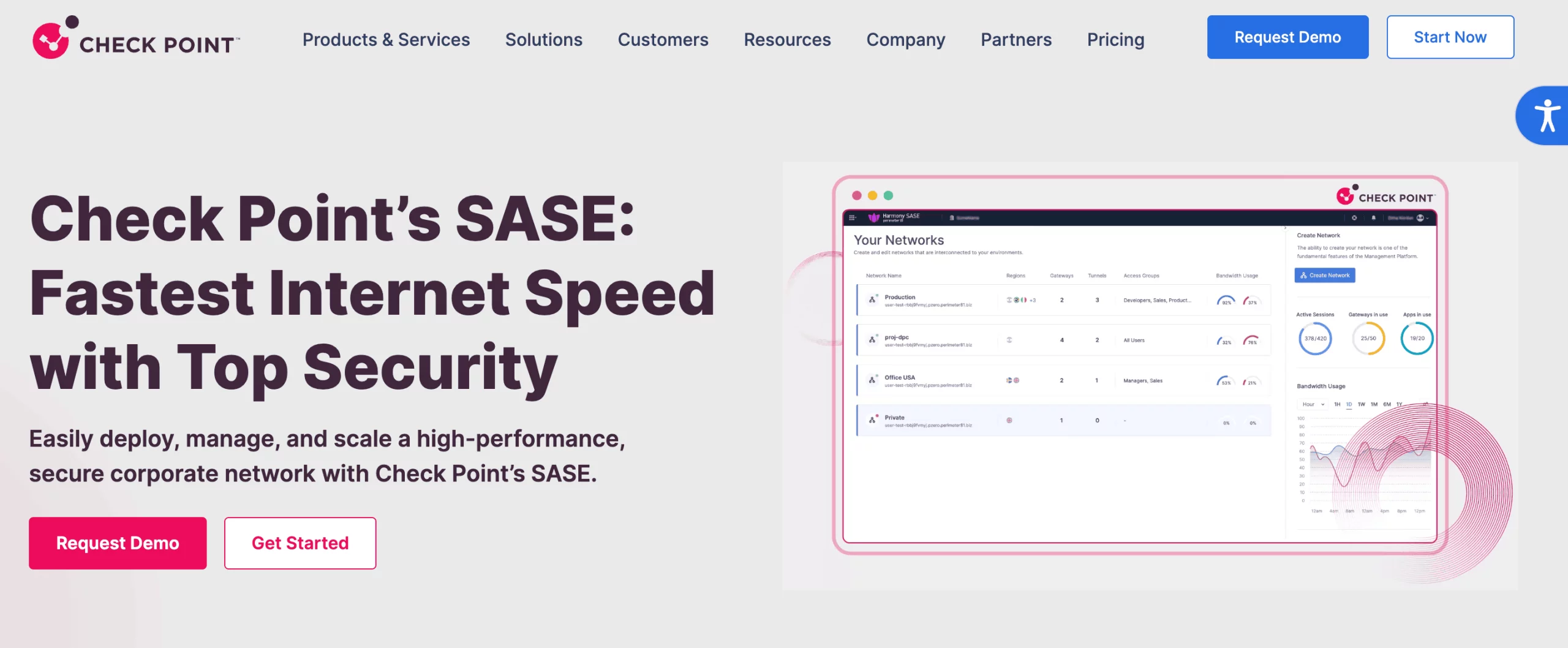
Perimeter 81 offers simple and innovative network security products to make internet access safer. They replace traditional VPNs with a modern Zero Trust Network Access model to boost users’ experience.
While there are many VPN services to consider, it’s important to review credible sources for reliable insights. For example, you can check out VPNpro reviews for detailed comparisons of leading VPN providers, including their strengths and weaknesses.
After joining the Perimeter 81 affiliate program, you can earn from $400 to around $1000 for each new subscription. The cookie duration lasts 60 days, starting from the first click of customers on your link.
Perimeter 81 pays affiliates monthly via various methods, including PayPal, wire transfer, or Bitcoin. The program does not require a payment threshold to withdraw earnings.
You’ll have a dedicated assistant to guide you in promoting effectively and boosting sales. Plus, the brand updates new tools for affiliates to boost their campaign efficiency. You can also include screenshots, banners, infographics, and logos in your content to boost engagement.
|
2. StationX
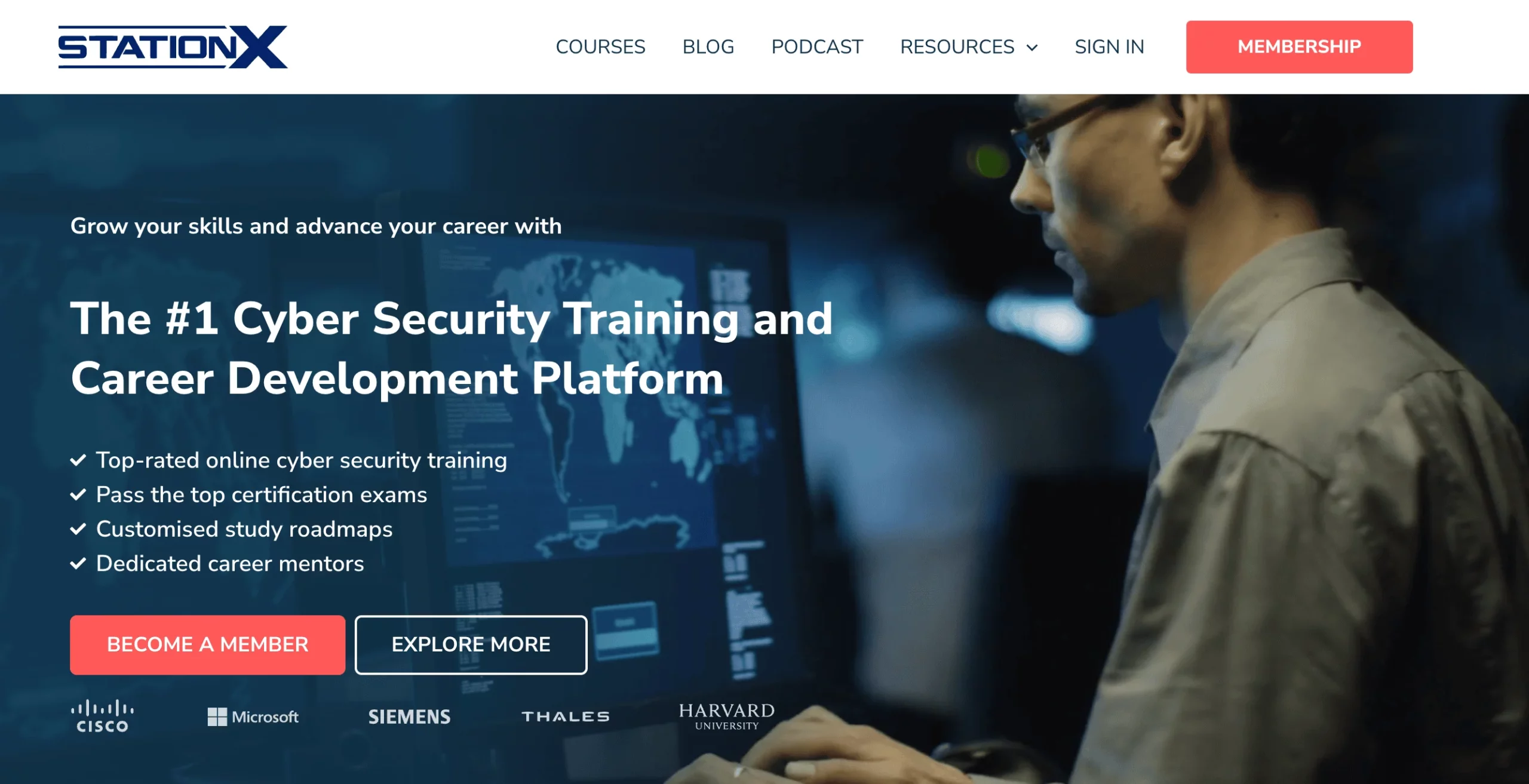
StationX’s advanced courses teach users all the needed skills to become cybersecurity professionals. Their community has over 1,000 classes in cyber security, hacking, penetration testing, and more.
The StationX affiliate program offers a base 30% commission rate across all sales. If you’re their high-performance partner, you can earn up to 40% commission per sale. The cookie duration extends to 1800 days, counting from the moment customers click on your link.
You can promote all StationX’s products, from class bundles to VIP memberships to reach a larger audience. Plus, the brand provides various wipe copies to help you create diverse and attractive content.
|
3. IT Governance USA
IT Governance USA is a leading name in the industry with trusted cybersecurity and data privacy management. They are among the first companies to lead the world’s first ISO 27001 certification project.
Managed by Awin, the IT Governance USA affiliate program allows affiliates to earn a 13% commission rate on each sale. You can earn around £80 per transaction with a high average order value of £600.
IT Governance USA has a 6% conversion rate across all products, giving you a higher chance to generate more referrals. The cookie duration lasts 30 days from the customers’ first click on your unique affiliate link.
|
4. ExpressVPN
You can join their affiliate program via Impact and earn up to $36 based on the subscription package.
- 1-month ExpressVPN package: $13
- 6-month ExpressVPN package: $22
- 12-month ExpressVPN package: $36
- 24-month ExpressVPN package: $36
You can only earn credit for purchases within a 30-day cookie duration, counting from customers’ initial clicks.
ExpressVPN bans any attempt to use spamming methods for marketing campaigns or emails. You can flexibly use various marketing materials, such as text links, widgets, and graphical banners in creating content.
|
5. Avast
Avast is a top global leader in cybersecurity solutions with smart scans and real-time online protection. The company develops software and detection tools to protect users’ information when they use VPN apps.
After becoming their affiliate, you can enjoy a 30% commission rate for each sale via your affiliate link. The cookie duration remains active for 60 days from customers’ first click on your link.
Avast creates pre-made campaigns and various promotions for affiliates to build attractive campaigns. Moreover, you can use their banners and text links on your website to boost engagement.
|
6. LifeLock

LifeLock is a top identity theft protection service to safeguard users’ identities. They warn users about potential risks, identity restoration, and reimbursement for stolen funds.
LifeLock runs their affiliate program via CJ Affiliate, offering a 10% commission rate for each successful purchase. You can earn an approved commission if customers purchase within a 30-day cookie duration.
LifeLock regularly gives out special promotions so you can use them in your campaigns. You can also access their portfolio of creative assets to find suitable tools for your promotion. If you have any problems, you should contact your account manager for immediate support.
|
7. NordVPN
NordVPN offers a quick Internet connection with over 7000 available server options. Their Kill Switch technology secures users’ sensitive data when they connect to private networks.
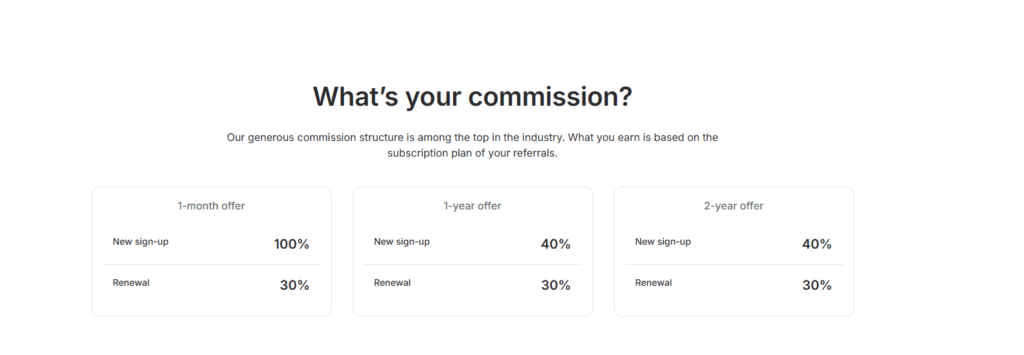
The NordVPN affiliate program allows affiliates to earn commission on new and renewed subscriptions, ranging from 30% to 100% per sale.
| 1 month | 1 year | 2 years | |
| New registration | 100% | 40% | 40% |
| Renewal | 30% | 30% | 30% |
The cookie duration is 30 days, counting from the moment customers click on your unique affiliate link.
NordVPN updates all necessary promotional tools, including unique links to boost your marketing efforts. Plus, you’ll have an SEO partner to give advice and tips on promoting their high-tech products.
|
8. ESET
ESET delivers advanced antivirus and security solutions for both individuals and businesses. Their easy-to-use platform uses multi-layered threat detection to strengthen protection.
Once you join the ESET affiliate program, the brand offers a 20% commission per qualified sale. You can earn an approved commission with a 45-day cookie duration, counting from customers’ first click.
ESET creates multiple seasonal holiday discount codes to help you boost conversions. Moreover, you can utilize their copies and eye-catching banners to create better promotional content.
|
9. Heimdal Security
Heimdal Security is a unified platform for detecting and defending against next-gen threats across all digital assets. All of their solutions work together to block cyberattacks before they reach critical systems.
You can choose to join their affiliate program via ShareASale or CJ Affiliates. The program offers up to a 75% commission rate depending on your total monthly sales:
- Less than 10 sales: 50% commission
- 10-19 sales: 55% commission
- 20-29 sales: 60% commission
- 30-99 sales: 65% commission
- More than 100 sales: 75% commission
The brand also gives monthly bonuses based on your performance. You’ll have 90 days from customers’ first click on your link to earn a commission if they purchase.
After joining their program, you’ll receive an evergreen 50% discount code to encourage more purchases from your audience. They also give out special offers to help you attract more audience. You can ask their in-house support team for any problems or questions related to the program.
|
10. Trend Micro
Trend Micro is an all-in-one device for protecting the identity of individuals, businesses, and governments. Their AI-generated tools also shield users from malware, ransomware, and shopping threats.
You can earn up to 20% commission rate per sale when joining the Trend Micro affiliate program via Impact. A 30-day cookie duration allows you to earn a commission for purchases within this period.
Trend Micro provides all marketing tools upon request to help boost your performance. You can also put their logos in any promotional content to gain more trust from your audience.
|
11. Bitdefender
- Commission rate: 10-50%
- Cookie duration: 30 days
Bitdefender provides advanced cybersecurity solutions for small and medium businesses. Their top services include antivirus software, endpoint protection, and cloud security.
12. Panda Security
- Commission rate: 15-35%
- Cookie duration: 30 days
Panda Security supports users in solving antivirus and endpoint protection problems. The platform combines AI and cloud-based technologies to detect cyberattacks in real-time.
13. DMCA
- Commission rate: 10-25%
- Cookie duration: 365 days
DMCA addresses all digital content problems with a seamless framework. While protecting the rights of creators, they also ensure copyrighted materials online are safe.
14. AVG
- Commission rate: 30%
- Cookie duration: 60 days
AVG servers over 200 million users in online threat protection, performance, and privacy. Their security experts defend against real-time threats in shopping, banking, downloading files, chatting, and more.
15. Intego Antivirus Security
- Commission rate: 50%
- Cookie duration: 45 days
Intego Antivirus Security is a leading cybersecurity platform designed to protect MacOS and IOS devices. They help users avoid malware, ransomware, phishing, and other online threats.
16. Comodo
- Commission rate: 50%
- Cookie duration: Not mentioned
Comodo uses Zero Trust architecture to build cybersecurity for individuals and businesses. They mainly offer SSL certificates, endpoint protection, and managed detection.
17. Deleteme
- Commission rate: $30
- Cookie duration: Not mentioned
Deleteme protects users’ online privacy by deleting all personal information from data broker websites. Their extensive coverage targets over 750 data broker websites with automated processes.
18. HostedScan
- Commission rate: 30%
- Cookie duration: Not mentioned
HostedScan helps organizations detect and reduce cyberattack threats on their websites. The brand promotes remote scanning services to check all the risks and get results immediately.
19. Cyvatar
- Commission rate: 10-20%
- Cookie duration: Not mentioned
Cyvatar is among the first providers of cybersecurity-as-a-service (CSaaS) subscriptions. They integrate all necessary tools into one service, such as solution assessment, installation, configuration, and more.
20. CyberDefenders
- Commission rate: $80
- Cookie duration: Not mentioned
CyberDefenders helps SOC analysts, threat hunters, and DFIR professionals build cybersecurity skills. They offer over 25 hands-on labs with real-life scenarios for learners to practice in a controlled environment.
Is Cyber Security Affiliate Marketing Profitable Long-Term?
Many new affiliates worry they’ve missed the boat—that the “golden era” of easy passive income in cyber security has passed.
The market has certainly matured. However, is it still profitable? Yes.
But there is a major caveat: the strategy has changed.
You can no longer just post a generic “Best Antivirus” list and wait for the checks to roll in.
Long-term success now relies on understanding market dynamics, leveraging recurring revenue, and treating your site like a real business.
Here is why this niche remains a financial powerhouse and the realities you need to face.
Market Growth Trajectory
The strongest argument for this niche is simply the size of the wave you are surfing. According to recent analysis, global cybersecurity spending hit roughly $245.6 billion in 2024.
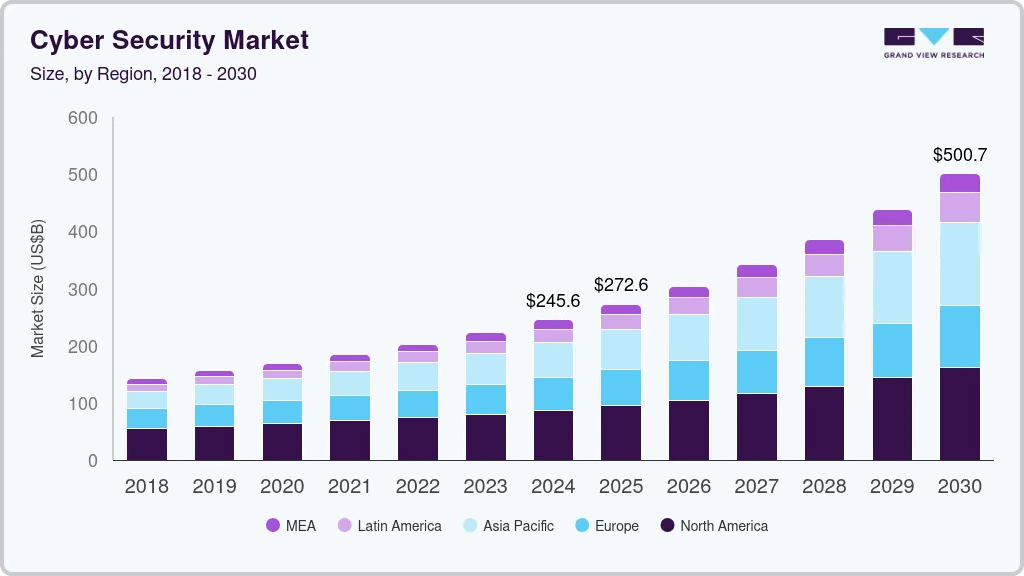
It is projected to grow 12-14% annually through 2030.
Why is this pie getting bigger? It isn’t just paranoia; it is necessity.
With ransomware damages topping $20 billion a year, businesses aren’t buying security software as a luxury. They are buying it as insurance.
Every “smart” doorbell and connected fridge is a potential entry point for hackers. This expands the need for consumer protection tools.
Laws like GDPR and HIPAA effectively force companies to spend money on compliance tools.
The Takeaway: You aren’t fighting for a slice of a shrinking pie. For affiliates, this growth creates room for newcomers who can speak to specific audiences (like small business owners) rather than just competing for general traffic.
Recurring Revenue Advantages
If you are coming from Amazon Associates, you are used to the “hamster wheel” model: you sell a $50 item, earn $2, and then start over from zero next month.
Cyber security is different. It is built on SaaS (Software as a Service) subscriptions.
Consider the math of a typical Password Manager affiliate program:
A $60/year premium subscription.
Often 30% recurring.
-> You earn $18 in Year 1. Crucially, if that user renews (and retention rates are often 3-5 years), you earn another $18 in Year 2 and Year 3.
If you refer just 10 new customers a month, by the end of Year 1, you aren’t just earning from December’s sales.
You are stacking commissions from January through November. Top affiliates build a portfolio of active subscriptions that pays a base salary before they even wake up on the first of the month.
Competition and Differentiation
Let’s be honest about the hurdles. Between 2020 and 2024, the barrier to entry lowered, and the number of affiliates exploded. The result? Generic content is dead.
I’ve seen dozens of sites fail recently because they followed the old playbook: writing 500-word articles that simply rewrite product descriptions. Google’s updates have crushed these low-effort sites.
To remain profitable today, you must pivot from “Generalist Reviewer” to “Specialized Expert.”
Don’t target: “Best VPNs.” (You will lose to giants like PCMag).
Do target: “Best VPNs for investigative journalists in restrictive countries.”
Differentiation now requires proof of work. Successful affiliates use video to show the software interface, run actual speed tests, and prove they have installed the product. The days of faking it are over.
Program Stability Concerns
One risk that isn’t discussed enough is “platform risk.” Affiliate programs are not charities; they are businesses. Terms can change overnight.
Around 2018, it was common to see VPN commissions as high as 60%. As major brands (like NordVPN or ExpressVPN) captured the market, they tightened their belts.
By 2024, many top-tier rates will have settled closer to 30-40%.
Never let a single affiliate program make up more than 40% of your total revenue. If they cut commissions or ban you, your business shouldn’t collapse.
The only asset you truly own is your email list. If a program shuts down, you need a way to pivot your audience to a competitor’s product immediately.
Adaptation Requirements
In cyber security, what works today might be outdated in 18 months. Affiliates who treat this as a “set it and forget it” income stream usually fail within 2-3 years.
For example, a few years ago, “Antivirus” was the hot keyword. Today, the conversation has shifted toward “Zero-Trust Architecture,” “SASE,” and “Identity Protection.”
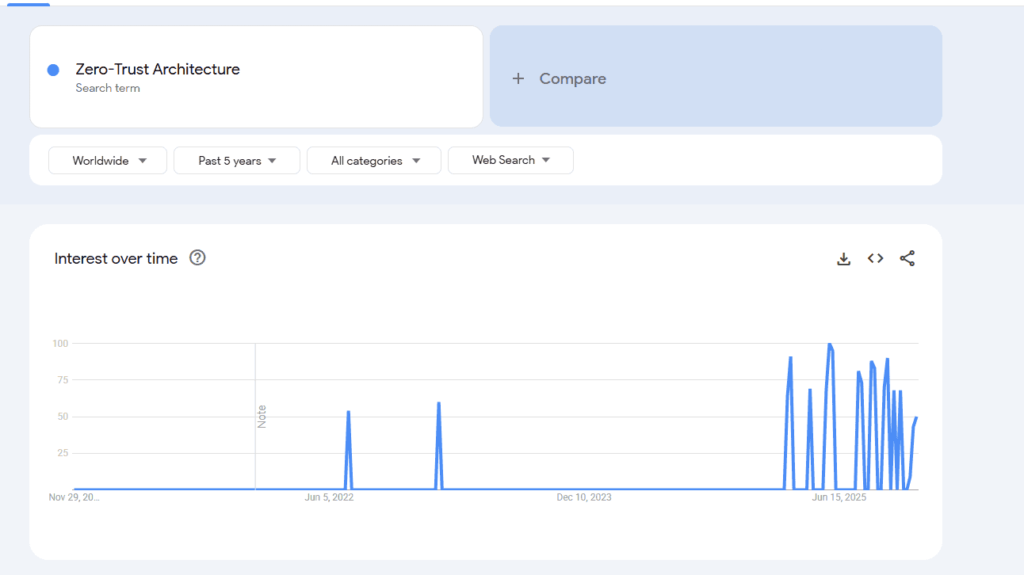
If you are still writing exclusively about antivirus while your audience is looking for identity theft protection, your revenue will slowly bleed out.
Sustainable 6-figure incomes go to the “eternal students”—affiliates who read the tech news and explain new threats (like AI-driven phishing) before the mainstream catches on.
Income Potential Realities
So, what does the bank account actually look like? It is important to set realistic expectations to avoid the “Valley of Despair” in the first few months.
Realistically:
| Phase / Timeline | Monthly Income | The Reality |
| Phase 1: Ghost Town (Months 1–6) | $0 – $500 | Writing content and building links; high quit rate. |
| Phase 2: Traction (Months 6–12) | $500 – $2,000 | Daily sales begin; recurring commissions start compounding. |
| Phase 3: Scale (Year 2+) | $2,000 – $10,000+ | Old content ranks; referral back-catalog pays the bills. |
Phase 1 (Months 1-6): The Ghost Town.
Income: $0 – $500/month.
Reality: You are writing content, building links, and getting ignored by Google. Most people quit here.
Phase 2 (Months 6-12): The Traction.
Income: $500 – $2,000/month.
Reality: Your recurring commissions start to compound. You make your first few daily sales.
Phase 3 (Year 2+): The Scale.
Income: $2,000 – $10,000+/month.
Reality: This is where the recurring model shines. Your older content ranks, and your back-catalog of referrals pays your bills.
While “super affiliates” certainly exist, earning $500k+ a year, the median for a dedicated solo affiliate is often in the healthy $12,000 to $36,000 annual range. It is not a lottery ticket; it is a business dividend.
How Do You Compare and Evaluate Cyber Security Affiliate Programs?
Once you understand the profit potential, the next step is selecting the right vehicle.
Not all affiliate programs are created equal; a high commission rate often hides poor conversion rates or shady terms.
To evaluate a program effectively, you need to look beyond the headline payout.
You should analyze seven key factors: commission structure, cookie duration, payout thresholds, payment frequency, resource quality, tracking reliability, and reputation.
Here is how to audit a program before you send them a single visitor.
Commission Structure Analysis
The biggest debate in this niche is One-Time Payouts (CPA) vs. Recurring Revenue (RevShare). While a big upfront check looks appealing, a calculation of “Lifetime Value” (LTV) usually reveals a different winner.
Let’s look at the math:
Scenario A (One-Time): You promote a VPN with a $60 annual plan at a 40% one-time commission. You earn $24 once.
Scenario B (Recurring): You promote a tool with a $10/month plan at a 20% recurring commission. That is $24 per year ($2/month x 12).
At first glance, they seem equal ($24 vs. $24). However, security products have high retention rates, often exceeding three years.
In Scenario B, that single customer earns you $72 over three years without you doing any extra work. Always prioritize recurring revenue unless you need immediate cash flow to fund ads.
Cookie Duration Impact
In cyber security, the “cookie window” (how long you get credit after a click) matters more than in other niches.
Why? Because buying security software involves a heavy research phase.
A user might read your review on Monday, watch a YouTube comparison on Wednesday, and finally buy on Friday.
30-Day Cookie (Standard): You are generally safe.
24-Hour Cookie (Amazon style): You will likely lose 15-30% of your commissions because the user didn’t buy immediately.
Programs with extended windows (60-90 days) are superior because they capture these “procrastinator” conversions. If a program offers a generic 7-day cookie, they are essentially betting that your readers will impulse-buy complex software—a bet you will usually lose.
Payment Threshold Considerations
The “Payout Threshold” is the minimum amount you must earn before the program sends you money.
$50 – $100 is reasonable.
$500+ is questionable. (Might even be illegal)
If a program requires $500 in earnings before payout, you might be stuck in “cash flow purgatory” for months.
High thresholds are only acceptable if the product is high-ticket (e.g., enterprise security audits) where one or two sales will clear the limit. For consumer software, avoid thresholds over $100 until you have high volume.
Tracking Reliability
The most painful experience in affiliate marketing is sending sales that never register. Tracking reliability is non-negotiable.
The “Self-Audit” Technique: Before scaling a campaign, test the tracking yourself.
- Clear your cookies or use a strict “Incognito” window.
- Click your own affiliate link.
- Buy the cheapest plan available.
If that sale doesn’t appear in your dashboard within 24 hours (or near real-time for better platforms), you have a problem.
Also, check forums for reports of “shaving”—a practice where shady networks deliberately underreport sales. If the tracking isn’t rock-solid, the commission rate is irrelevant.
Promotional Resource Quality
Top-tier programs want you to succeed because your sales are their sales. They prove this by providing high-quality assets.
Standard banners are the basic standard. (which rarely convert well).
But you might encounter a program with pre-written product comparisons, B-roll footage for video reviews, and—most importantly—exclusive coupon codes.
That’s your golden ticket.
An exclusive code (e.g., “SECURE20” for 20% off) is a conversion weapon. It gives the user a reason to buy now and, critically, a reason to use your link specifically.
Programs that refuse to offer vanity codes are putting you at a competitive disadvantage.
Program Reputation Research
Always conduct due diligence before joining. A program might have a great landing page but a terrible backend.
Check industry forums like Warrior Forum or AffiliateFix. Look for threads discussing:
Payment delays (e.g., “Net-90” terms that actually take 120 days).
Unexpected commission clawbacks.
Arbitrary account bans just before a payout.
If you see a pattern of complaints, run. It is better to promote a lower-paying product from a trustworthy partner than a high-paying product from a company that ghosts you.
Commission Tier Opportunities
Many advanced programs use “gamification” to encourage volume. They might offer 20% commission for 1-50 sales, bumping to 30% for 51+ sales.
The “Calendar Month” Trap: Pay close attention to how these tiers are calculated.
🔴 Bad: Resets to 0 on the 1st of every month. (You scramble every month to hit the tier).
🟢 Good: Based on a “rolling 30-day period” or “lifetime sales.”
Ideally, negotiate for a permanent tier bump once you prove your traffic quality. If you are consistently bringing in 50+ sales, you shouldn’t have to re-qualify for your commission rate every 30 days.
How Do You Compare and Evaluate Cyber Security Affiliate Programs?
Understanding that the industry is profitable is one thing; picking the right partner is another.
In the cybersecurity niche, a high commission rate often acts as “bait” to hide poor conversion rates or unfavorable terms.
To build a sustainable income, you must evaluate affiliate programs like an investor, not just a promoter.
You should analyze seven key factors: commission structure, cookie duration, payment thresholds, tracking reliability, resource quality, reputation, and tier structures.
Here is the blueprint for auditing a program before you send them your traffic.
Commission Structure Analysis
The most common trap for beginners is choosing a large one-time payout over a smaller recurring commission.
To see why this is a mistake, you must look at the long-term value. Imagine a VPN offers you a single $24 payment, while a password manager offers just $2 a month.
At first, the $24 looks far better. However, because security products are “sticky,” users often keep them for years.
By the end of year three, that tiny monthly fee has added up to $72, paying you three times more than the one-time offer.
Unless you need immediate cash flow for ads, always prioritize the recurring model.
Cookie Duration Impact
The “cookie duration” (how long you get credit for a sale after a click) is critical in cyber security because the buying cycle is long. Unlike buying a t-shirt, users researching antivirus software are cautious.
They might read your blog on Monday, watch a YouTube review on Wednesday, and finally buy on Saturday.
Short Cookies (24 hours – 7 days): You lose credit for that Saturday sale.
Long Cookies (60 – 90 days): You capture the sale regardless of the delay.
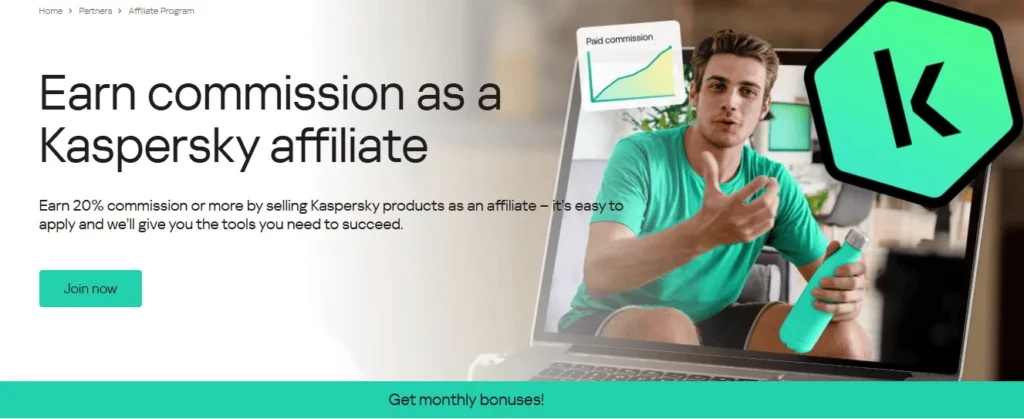
Programs like Kaspersky (known for offering 90-day windows) are far superior to competitors with standard 30-day terms because they account for this “research phase.”
A program with a short cookie is betting that your readers will impulse buy—a bet you will usually lose.
Tracking Reliability
Nothing hurts more than sending a sale that never registers. Tracking reliability is non-negotiable.
Before you scale a campaign, test the tracking yourself.
- Use a fresh browser or device.
- Click your own affiliate link.
- Buy the cheapest plan available.
If the sale doesn’t appear in your dashboard within 24 hours (or near real-time for top-tier platforms), the program is “leaking” sales. Do not trust programs with delayed or opaque reporting, regardless of how high their commission rates are.
Promotional Resource Quality
You can judge a program’s commitment to its partners by the assets they provide.
Lazy programs provide a few generic banner ads from 2018.
While Top-Tier programs provide pre-written comparison tables, email swipe files, and product demo videos.
Look specifically for programs that offer exclusive discount codes (e.g., “CYBER20”). This is a massive conversion booster.
It gives your reader a specific reason to use your link instead of going directly to the site. These codes can improve conversion rates by 20-40%.
Program Reputation Research
Always perform due diligence on the network or company managing the program. A great landing page can hide a history of missing payments.
Check affiliate forums like Warrior Forum or AffiliateFix for specific complaints:
“Shaving”: When a network deliberately underreports sales.
Clawbacks: When commissions are retroactively cancelled without proof of refund.
Late Payments: If a program promises “Net-30” but takes 90 days to pay, avoid them.
Commission Tier Opportunities
Many programs gamify their payouts to reward top performers. For example, offering 20% for 1-50 sales, but bumping to 30% for 51+ sales.
The “Rolling” Detail: Check carefully how these tiers are calculated.
Calendar Month Reset: Bad. You have to start from zero pressure every month.
Rolling 30-Day / Lifetime: Good. Your tier is based on your consistent performance or total history.
Ideally, once you prove your volume, reach out to the affiliate manager and negotiate a permanent tier bump. You shouldn’t have to re-qualify for your rate every single month.
How Can You Scale Cyber Security Affiliate Earnings?
Once you have selected your programs and made your first few sales, the game changes. You are no longer trying to prove the concept works; you are trying to pour fuel on the fire.
Scaling isn’t just about working harder. It requires a shift in strategy from “affiliate marketer” to “media publisher.”
To break through the income ceiling, you must utilize a multi-pronged approach: expanding content volume, building an email asset, leveraging video, and reinvesting profits into paid channels.
Here is the roadmap to take your earnings from $1,000/month to $10,000/month.
Content Volume Strategy
The foundation of scaling is Topical Authority. You cannot dominate this niche with 10 articles. Successful affiliates often maintain a library of 50 to 100+ high-quality pieces.
To scale, you need to cover every angle of the buyer’s journey:
Direct Comparisons: “NordVPN vs. ExpressVPN” (High intent).
Specific Use-Cases: “Best Password Manager for Elderly Parents” (Low competition).
Educational Guides: “How to set up 2FA on Instagram” (High volume).
By optimizing for hundreds of long-tail keywords, you reduce your reliance on any single “money keyword.”
A site with 100 articles generating 500 visits each is far more stable than a site with one article generating 50,000 visits. Your goal is to turn small pockets of traffic into a massive aggregate audience.
Email List Monetization
Most affiliates make the mistake of sending traffic directly to the merchant. This is a one-shot opportunity. If they don’t buy, you lose them forever.
Once your site hits ~10,000 monthly visitors, you must shift focus to Email Capture.
Use exit-intent popups offering a “Cyber Security Checklist” or a “Safe Browsing Toolkit.”
Warm email leads typically convert at 8% to 15%, compared to the 3% average of cold traffic.
An email list of 5,000 subscribers acts as an “income insurance policy.” If Google changes its algorithm tomorrow, you can still generate $2,000 – $5,000 instantly by sending a single broadcast about a new software deal.
Video Content Expansion
Google owns YouTube. Because of this, video results are increasingly taking up prime real estate in search results, especially for “How-to” and “Review” keywords.
Take your top-performing article (e.g., “Best Antivirus 2024”) and turn it into a screen-recorded video.
You don’t need a high-end studio; simple screen capture software works best because it feels authentic.
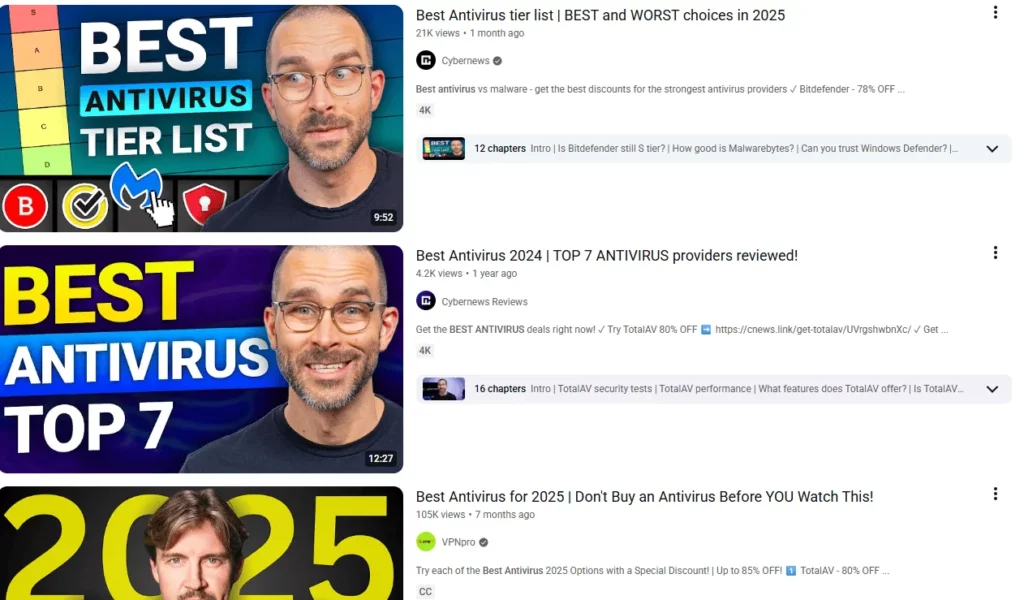
You capture the audience that hates reading.
Plus, YouTube descriptions allow you to place affiliate links, opening a completely new revenue stream. Established channels often earn as much from video commissions as their primary website.
Commission Tier Optimization
One of the fastest ways to double your income without doubling your traffic is to hit higher Commission Tiers.
Many programs reward volume. They might pay 20% for the first 50 sales, but bump that to 40% if you hit 100 sales.
Strategic Focus: Instead of promoting 10 different VPNs, focus your energy on one or two.
The Result: Pushing from 90 sales to 101 sales doesn’t just pay you for the extra 11 sales; it often retroactively applies the higher rate to all sales that month. This can jump your earnings from $2,000 to $5,000 overnight.
Paid Advertising Integration
Paid ads (PPC) are gasoline, but you should only use them on a fire that is already burning. A safe rule of thumb: wait until organic earnings pass $2,000/month.
At this stage, reinvest 20-30% of profits into Google Ads.
Target high-intent keywords like “Brand X Coupon Code.” These searchers have their credit card in hand.
Look for a 2:1 ROI. If you spend $1 to make $2, spend as much as you possibly can.
Do not bid on broad terms like “free antivirus” unless you have a deep budget and a sophisticated funnel.
Outsourcing and Production
You have a hard limit: time. You can only write so many words per day.
To break past the $5,000 monthly barrier, you must shift from being a writer to becoming an Editor-in-Chief.
Start by hiring freelance writers to handle the first drafts of your standard educational content.
This allows you to focus purely on the “Money Pages” and adding expert polish to their work.
However, maintain strict quality control by never outsourcing the actual product testing. If you lose your reputation for honesty, you lose your business.
By simply increasing your output to 10-15 articles a month, you can effectively triple your traffic within a year.
When Are the Best Times to Promote Cyber Security Affiliate Offers?
In affiliate marketing, when you promote is almost as important as what you promote. The cyber security market is not flat; it moves in predictable waves.
Experienced affiliates know that conversions don’t happen in a straight line. Instead, they spike during specific “panic moments” and buying seasons. By aligning your content calendar with these four key windows, you can double your annual revenue without doubling your traffic.
Here are the specific times you need to have your campaigns ready.
Black Friday Through January
This period is known as the “Golden Quarter.” For many affiliates, the window from November through January generates nearly half of their total annual earnings.
This surge happens because security companies offer their steepest discounts of the year, often slashing prices by 60-80%.
Consumers are psychologically conditioned to snatch up annual subscriptions during Black Friday to lock in these low rates.
The momentum continues into January with a “New Year, New Security” boom as people finally resolve to clean up their digital footprint.
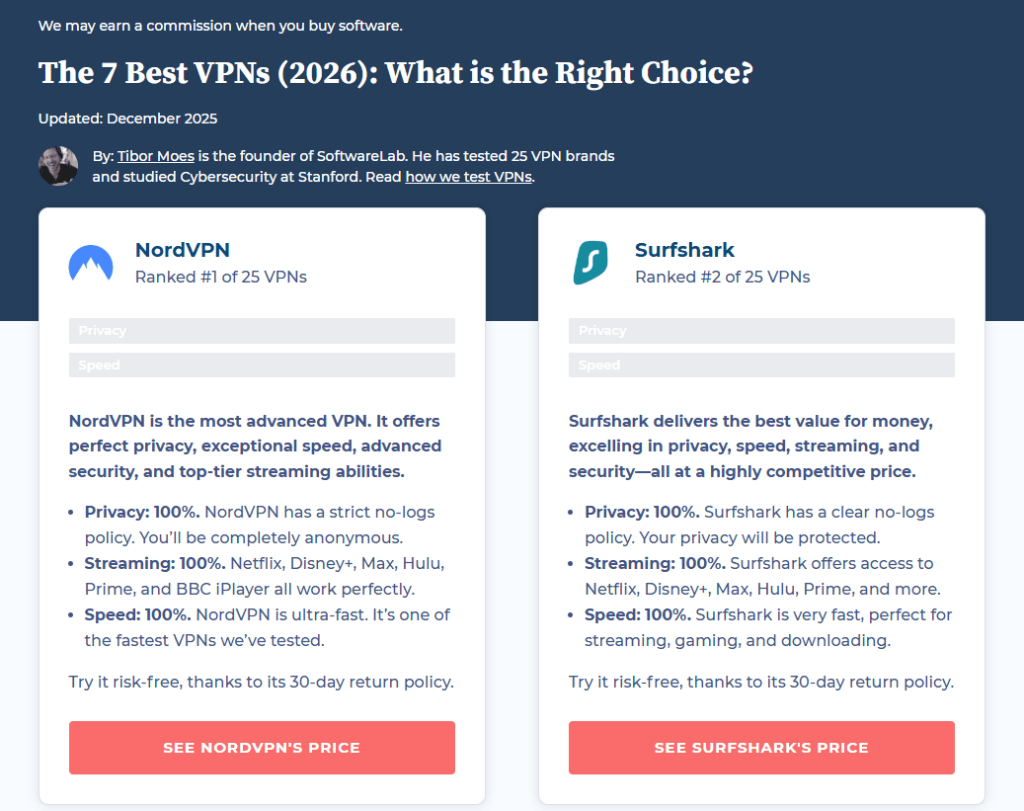
Do not wait until November 1st. You must publish your “Best [Year] Deals” pages by September to ensure they rank in time for the rush.
Back-to-School Period
September is the second-largest buying season, driven by a “perfect storm” of three audiences:
- Students: Universities often require specific antivirus software for campus network access.
- Parents: Families are buying laptops for kids and want parental control software installed immediately.
- Small Business: September marks the start of a new fiscal year for many companies, meaning fresh budget approvals for security tools.
Shift your content in August to target terms like “Best VPN for College Students” or “Cheap Antivirus for Students.”
Post-Breach Opportunity
This is the most volatile but profitable window.
When a major data breach hits the news (like the Equifax or T-Mobile leaks), public panic ensues. Search volume for “identity theft protection” can spike 300-500% overnight.
You have a 2-4 week period where interest is at its peak.
Monitor Google Trends and security newsletters. When a breach breaks, publish a guide titled “How to Protect Yourself After the [Company] Breach” within 24 hours.
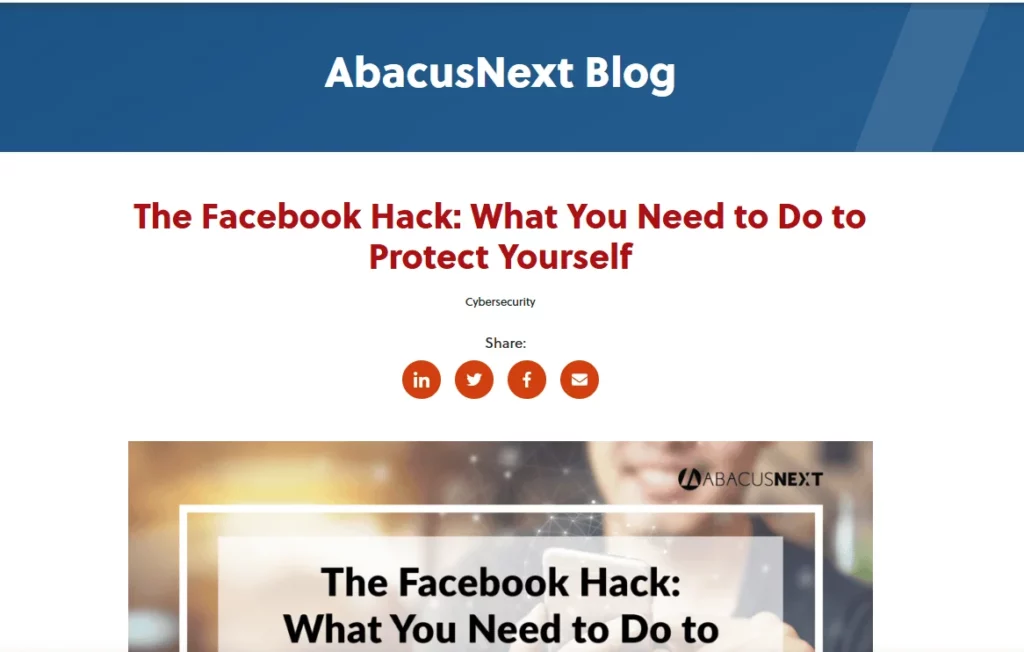
This is the best time to promote Identity Theft Protection services (like LifeLock or Aura) rather than standard antivirus.
Tax Season Security
From January to April, fear of financial fraud is at its highest. People are terrified of tax identity theft.
This creates a specific demand for:
Secure Document Storage: Encrypted cloud storage for tax documents.
VPNs: For filing taxes securely from coffee shops.
Identity Monitoring: To alert them if someone files a return in their name.
Strategy: Publish content in late December centered around “Secure Tax Filing Tips” to capture this specific anxiety.
Remote Work Transitions
While less seasonal, “Work From Home” trends create predictable mini-spikes.
Whenever major companies announce new remote policies or “hybrid” models, employees scramble to secure their home offices.
Position your content around the separation of “Work” and “Personal” data.
Then write short content pieces using these keywords, linking to your pillar content: “Secure Home Office Setup,” “VPN for Remote Workers,” and “Business Password Managers.”
Conclusion
Building a great affiliate program on Shopify won’t happen overnight. But the payoff is huge.
You’re building a team of partners who already have an audience that trusts them. They can help you reach new people and build real trust for your brand.
It all comes down to a few simple steps. Start with a fair commission plan, choose the right app to manage it, find good partners, and keep helping them succeed.
Ready to begin? Your first step is easy. Just think about what a great commission offer would look like. That’s the foundation for your entire program.

Ellie Tran, a seasoned SEO content writer with three years of experience in the eCommerce world. Being a part of the UpPromote team, Ellie wants to assist Shopify merchants in achieving success through useful content & actionable insights. Ellie's commitment to learning never stops; she's always eager to gain more knowledge about SEO and content marketing to create valuable content for users. When she's not working on content, Ellie enjoys baking and exploring new places.