

The fishing equipment market worldwide generated a revenue of US$24.7bn in 2024. This potential market gives anglers and outdoor enthusiasts higher chances to earn money from fishing affiliate programs.
This article reviews 19 top fishing affiliate programs, covering essential details such as commissions, cookie durations, payment options, and unique benefits. Let’s see which brand will be your ideal partner.
Quick Comparison
| Program Name | Commission (%) | Cookie Duration (Days) | Niche Suitable | Affiliate’s Rating |
|---|---|---|---|---|
| Pure Fishing | 10% | 14 days | Fishing gear, tackle, freshwater & saltwater | ⭐⭐⭐⭐✩ (4/5) |
| TackleDirect | 3% | 30 days | Fishing tackle, accessories, multi-brand store | ⭐⭐⭐✩✩ (3/5) |
| FishUSA | 5% | 30 days | Fishing equipment, accessories, nationwide store | ⭐⭐⭐⭐✩ (4/5) |
| Mustad Fishing | 20% (30% peak) | 30 days | Fishing hooks & accessories | ⭐⭐⭐⭐⭐ (5/5) |
| Discount Tackle | 3–5% | 30 days | Fishing tackle, budget buyers, discount hunters | ⭐⭐⭐✩✩ (3/5) |
| Hook & Tackle | 8% | 30 days | Fishing apparel, outdoor clothing | ⭐⭐⭐⭐✩ (4/5) |
| Trident Fly Fishing | 5% | 60 days | Fly fishing gear, premium tackle | ⭐⭐⭐⭐✩ (4/5) |
| Bass Pro Shops | 1–3% | 14 days | Outdoor sports, fishing, hunting | ⭐⭐⭐✩✩ (3/5) |
| Academy Sports & Outdoors | 1% | 30 days | Outdoor sports, clothing, fishing | ⭐⭐✩✩✩ (2/5) |
| Penn Fishing | 6% (Loyalty) – 10% (Content) | Not mentioned | Premium rods & reels, saltwater fishing | ⭐⭐⭐⭐✩ (4/5) |
Top 18 Fishing Affiliate Programs in 2025
1. Pure Fishing
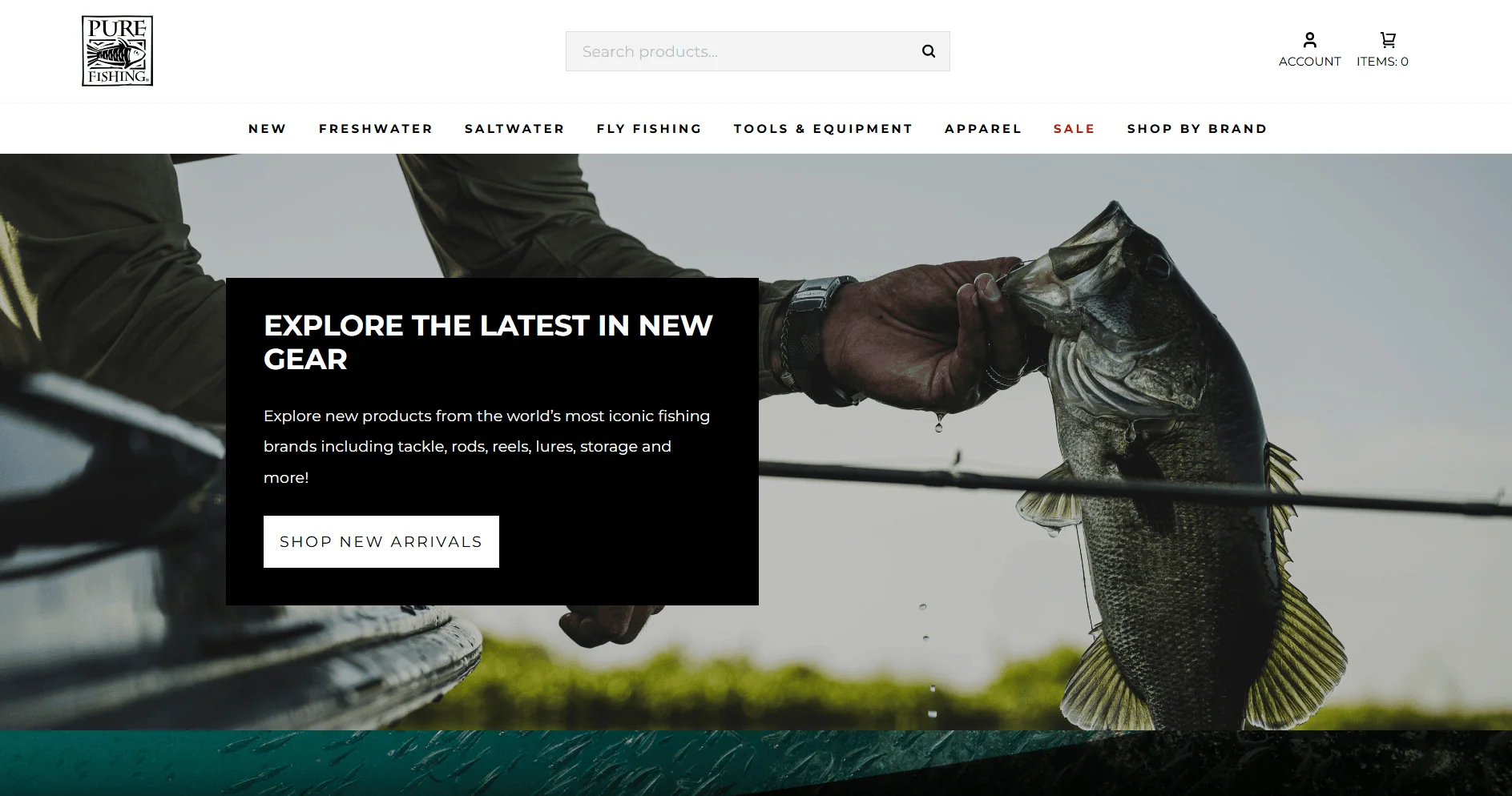
Pure Fishing leads the fishing tackle industry with a wide range of products for both freshwater and saltwater fishing. They offer everything from rods and reels to lines, lures, and accessories for anglers of all skill levels.
Their fishing affiliate program provides a 10% commission rate for each order placed. You have 2 weeks of cookie duration to get earnings if customers buy products via your link within that time frame.
Managed through Avantlink, their affiliate program allows you to monitor your sales and commissions through the platform’s dashboard. With PayPal and ACH, the brand provides fast and reliable commission payments to affiliates worldwide.
|
2. TackleDirect
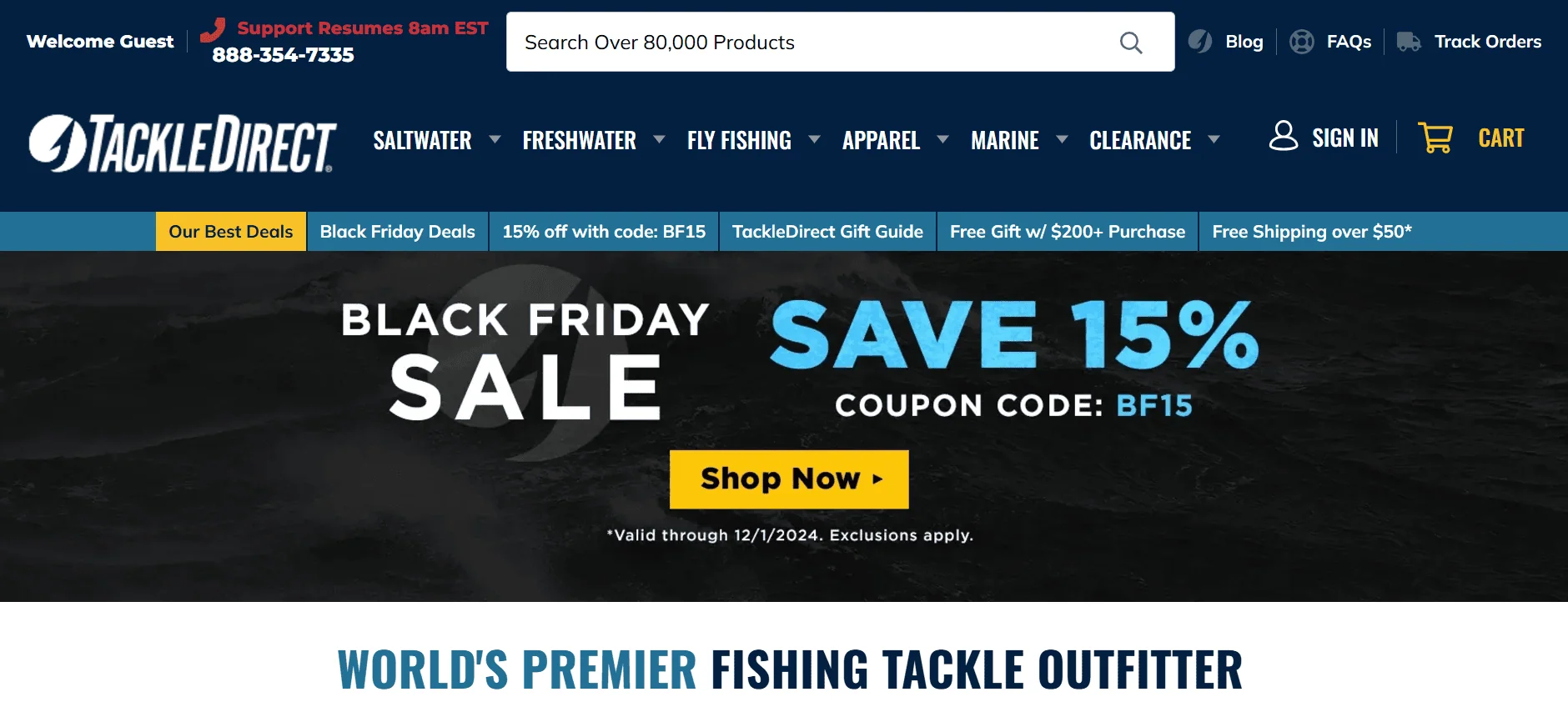
TackleDirect offers a wide range of fishing tackle and equipment from leading brands like Shimano, Penn, Abu Garcia, and Daiwa. The company engages with the fishing community through events, sponsorships, and educational resources on their website.
The TackleDirect affiliates can enjoy a commission rate of 3% for each successful order. The referral window lasts 30 days, allowing you to earn money on purchases within 1 month of the customer’s first click.
You can use their pre-made links or create your own links to promote products. Your link can be in different formats, such as banners, text links, product links, search boxes, and storefronts.
|
3. FishUSA
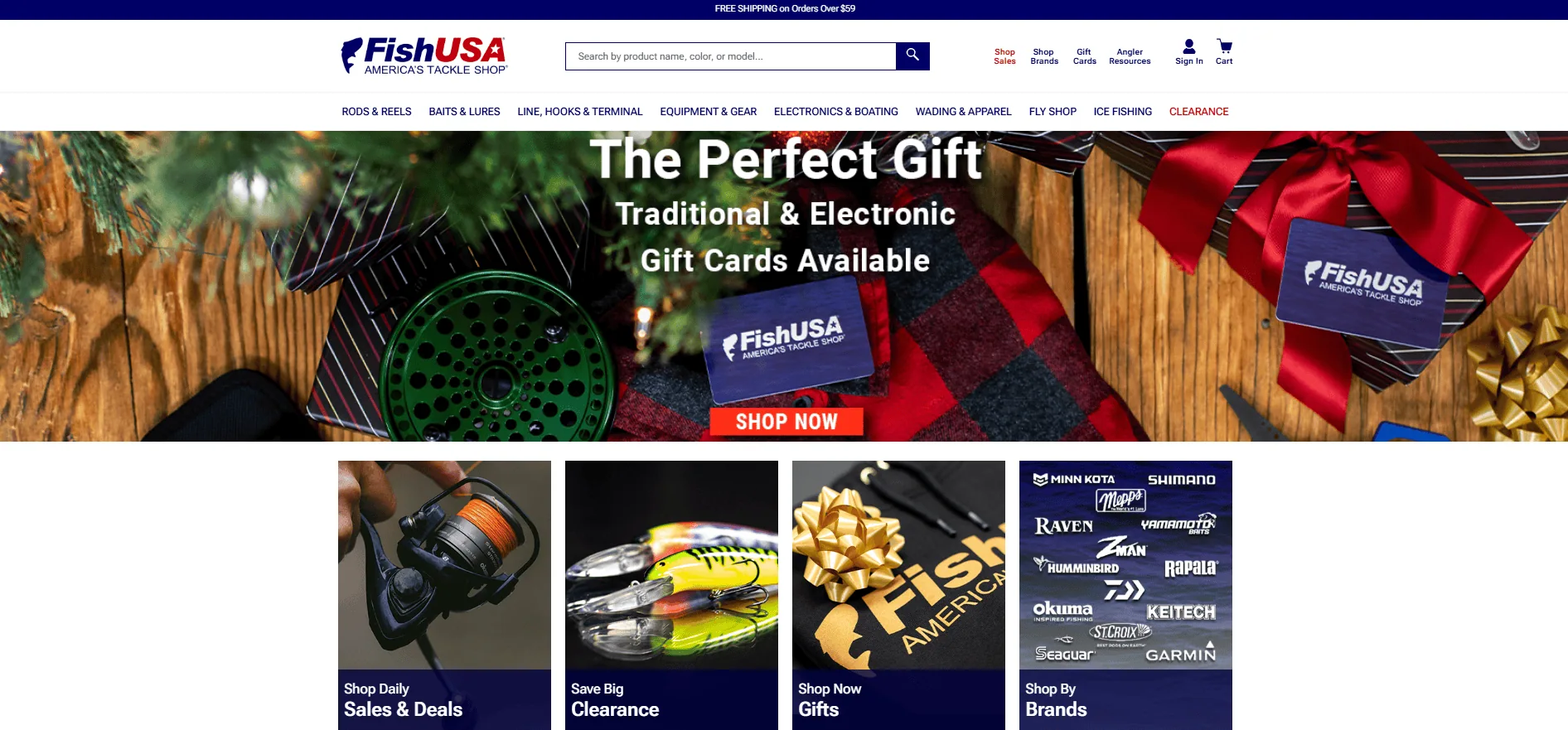
FishUSA is a nationwide destination for fishing enthusiasts, providing a broad selection of gear, equipment, and accessories. Their expert team also shares the knowledge and expertise of fishing to enhance consumers’ experiences.
Managed through Avantlink, the FishUSA affiliate program offers a 5% commission rate for each successful sale. The cookie window lasts 30 days from the customer’s first click.
They pay commissions for affiliates through PayPal and AHC with support from Avantlink. You can place their pre-made beautiful banners on your site to attract more clicks and drive conversions.
|
4. Mustad Fishing
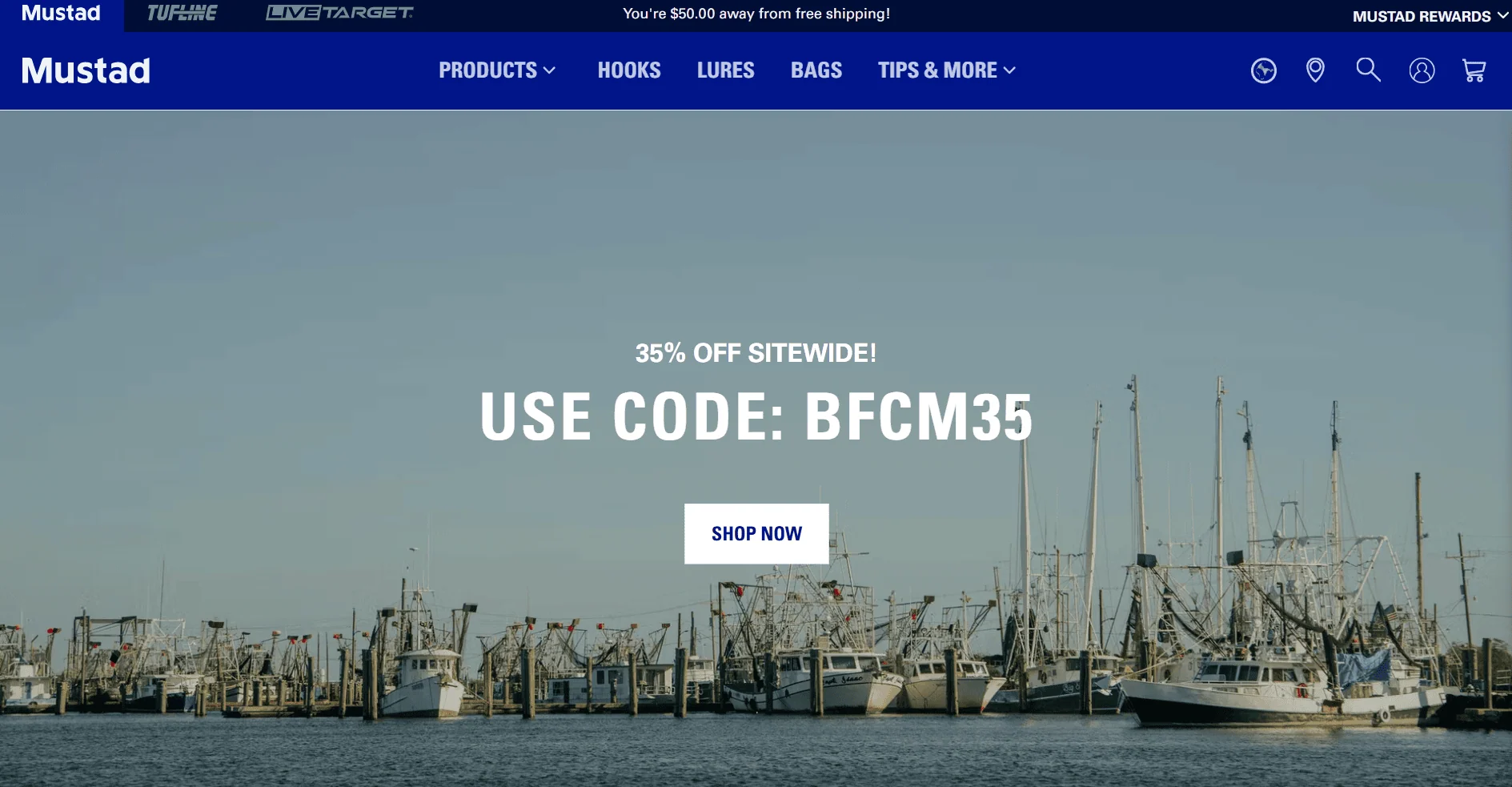
Mustad is one of the leaders in delivering durable and reliable fishing hooks worldwide. They also offer a range of fishing accessories, including swivels, leaders, and pliers, catering to professional and recreational anglers.
The Mustad affiliate program allows you to earn a 20% commission rate and 30% in the peak seasons. You’ll earn commissions on purchases within 30 days of the customer’s first click on your link.
As a Mustad affiliate, you’ll gain Expert Voice membership and enjoy a 50% discount on all Mustad products.
|
5. Discount Tackle
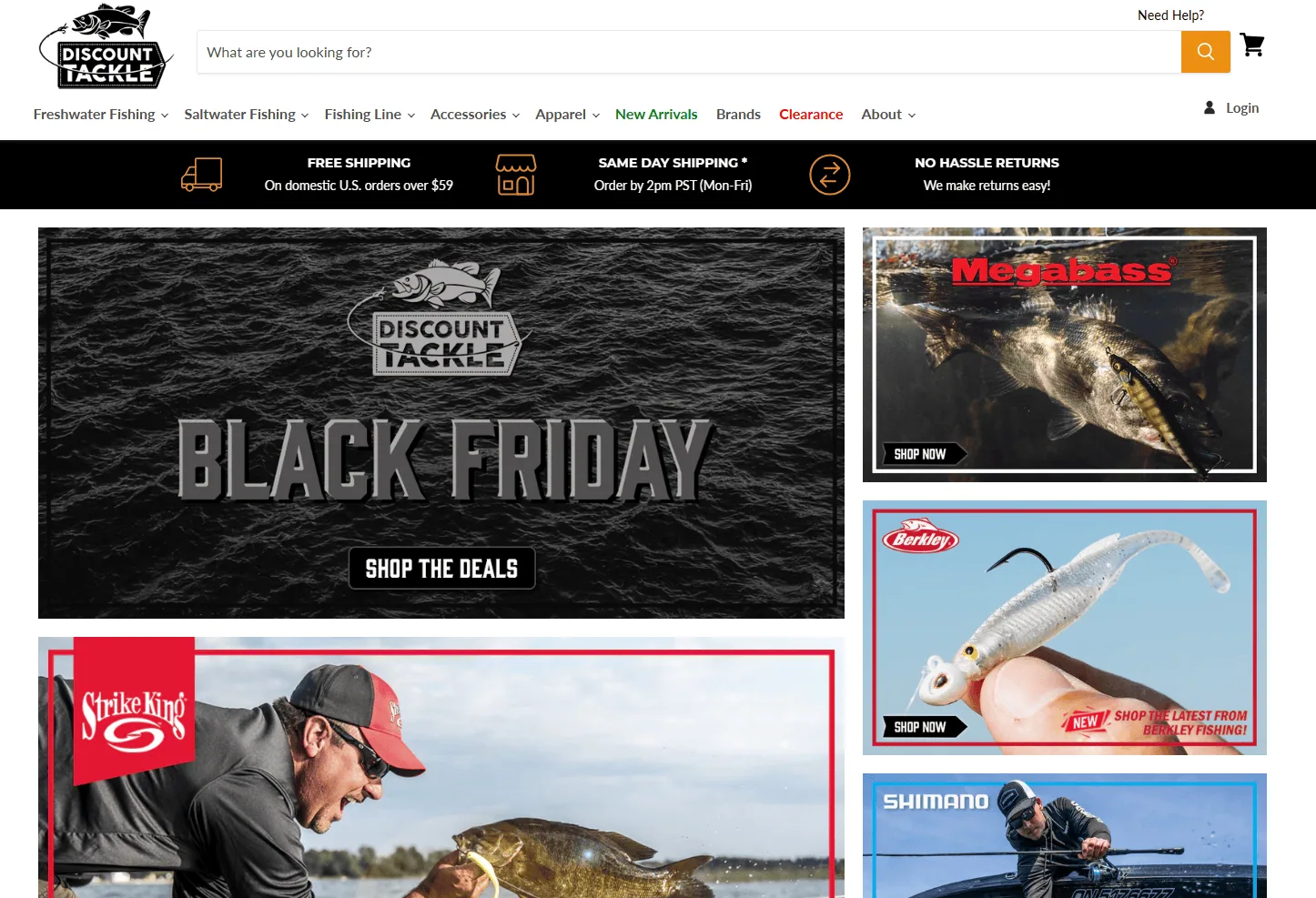
Discount Tackle takes pride in offering a wide range of fishing tackle and equipment at discounted prices. Their products come from top manufacturers such as Z-Man, Strike King, Rapala, and Shimano.
The Discount Tackle pays affiliates different commission rates depending on your site types:
- Coupon/Deal sites: 3%
- Content sites: 5%
You have a 30-day cookie period to earn commissions from the customer’s initial click.
Managed through Affiliatly, their program provides an easy-to-use tracking dashboard so you can monitor your performance in real-time.
|
6. Hook & Tackle
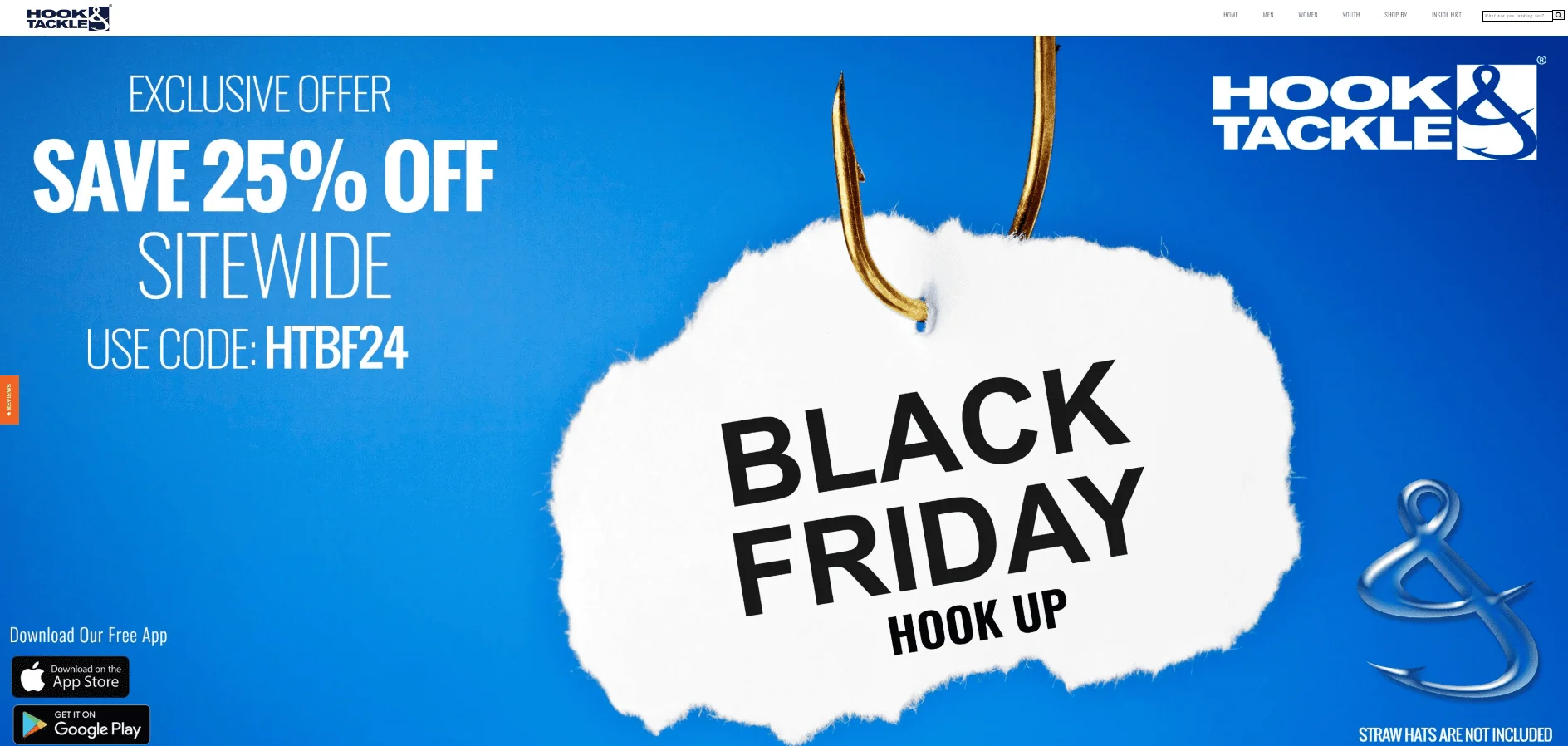
Hook & Tackle offers premium fishing apparel and gear for freshwater and saltwater fishing. Their products feature breathable, quick-drying, UV-protective fabrics, perfect for improving comfort and performance in challenging outdoor environments.
They provide a commission rate of 8% for every successful order via your link. You may earn $9 for each sale with an average order value of $115.
The brand allows you to get earnings from purchases made within 30 days of customers’ first click.
You can access their creative collection and add various colorful videos, banners, links, and product descriptions to your website. If you’re looking for customizable creative to fit your website or some tips to optimize your promotion, you can reach out to their affiliate managers.
|
7. Trident Fly Fishing
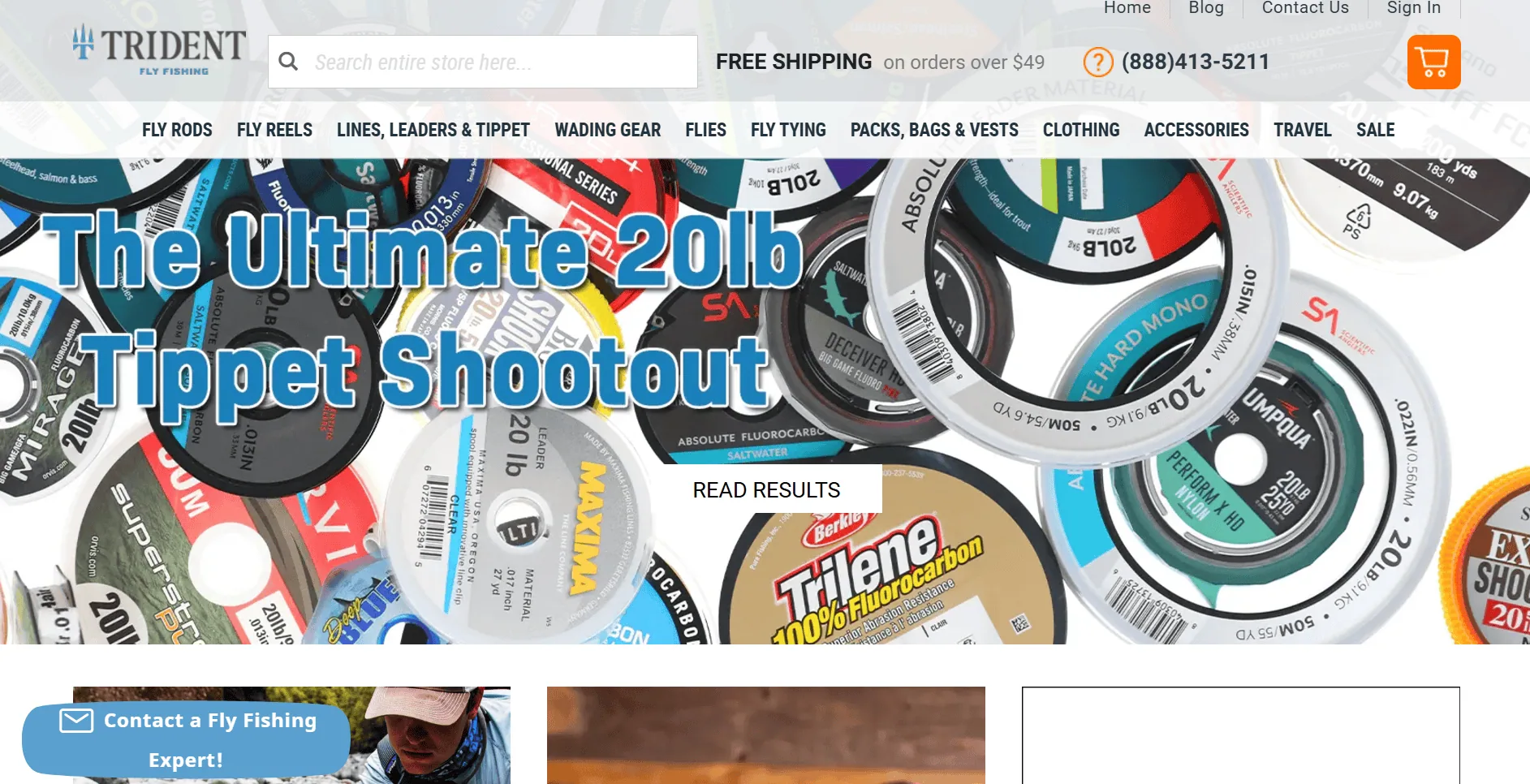
Trident Fly Fishing offers a wide range of fly fishing gear from top brands like Sage, Hatch, and Orvis. They also provide valuable resources to improve anglers’ skills, such as fishing tips and techniques.
Affiliates can enjoy a 5% commission rate on all sales when joining the Trident Fly Fishing affiliate program. You can earn money on purchases made within 2 months from the customer’s first click with the 60-day cookie duration.
You can leverage the impressive banners they provide to drive your audience’s attention. Their product data feeds allow affiliates to display up-to-date product information on your website.
|
8. Bass Pro Shops
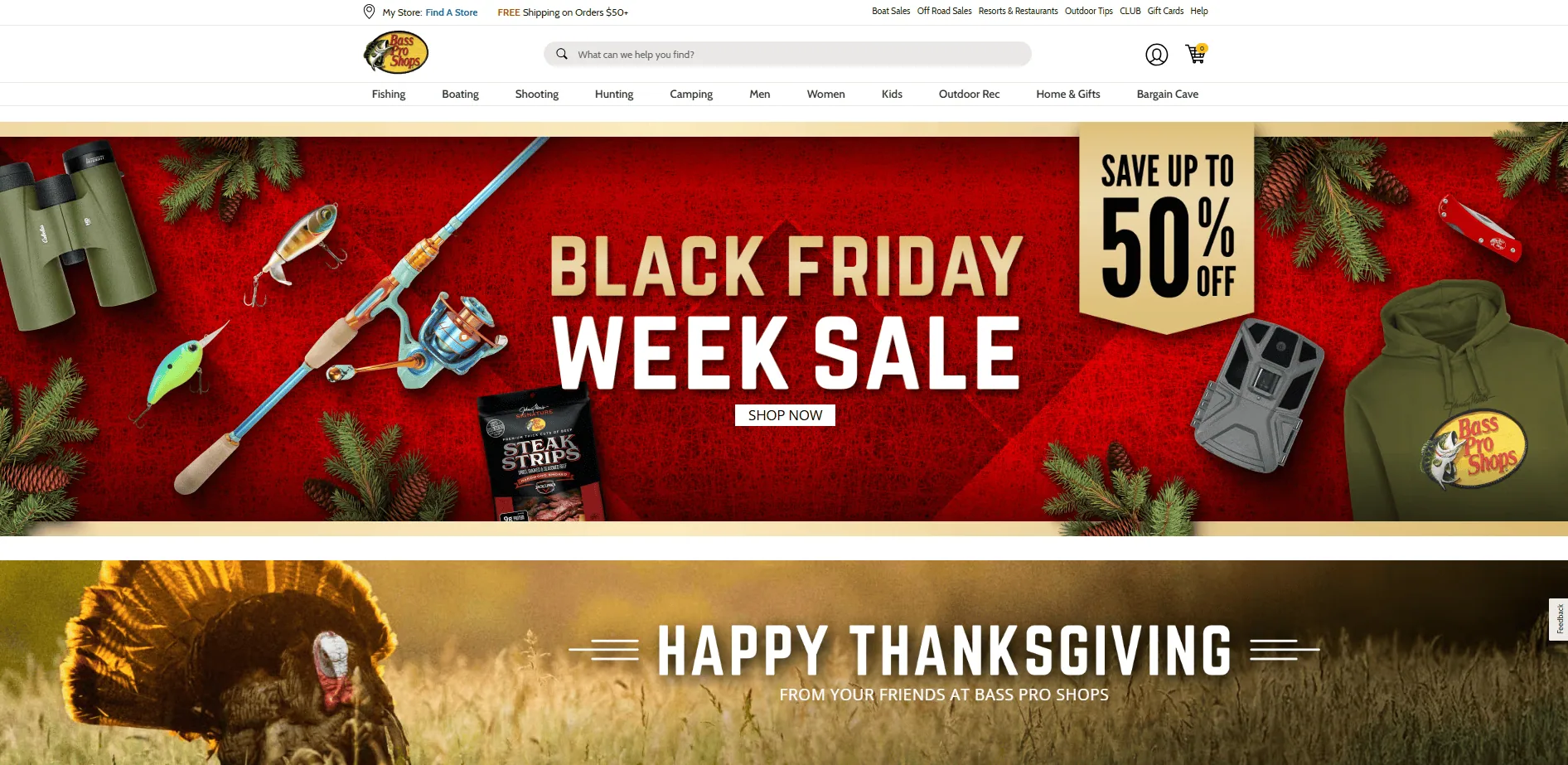
Bass Pro Shops sells outdoor recreation and sporting goods for hunting, fishing, camping, and other related outdoor activities. The company is committed to promoting sustainable outdoor practices to protect wildlife.
You may earn a 1-3% commission rate based on the item you promote when joining their affiliate program. They allow you to earn commissions on any successful order made within 2 weeks of the customer’s first click.
The company provides a diverse collection of creatives and content for you to promote their products. Their regularly updated newsletters also keep you informed about the latest product information and exclusive offers.
|
9. Academy Sports & Outdoors
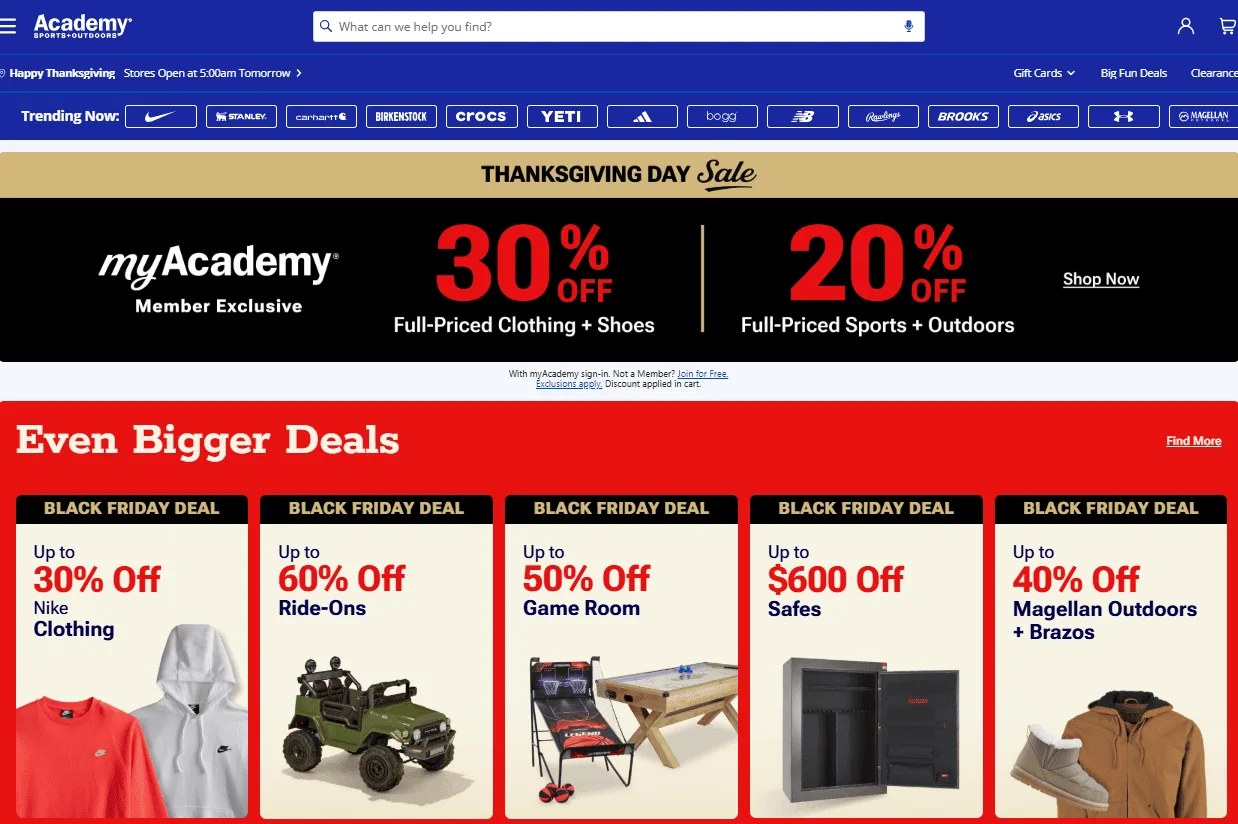
Academy Sports & Outdoors supplies clothing, footwear, and accessories for outdoor sports like hunting and fishing. The brand also has the naming rights to the Bassmaster Classic and partnerships with various sports organizations.
You will get a 1% commission from each successful sale when promoting their products. The 30-day cookie duration allows you to earn money for the purchase within 1 month from the first click.
The brand also gives you many text links and engaging brand images to help your promotion impress audiences’ attention and encourage more sales.
|
10. Penn Fishing
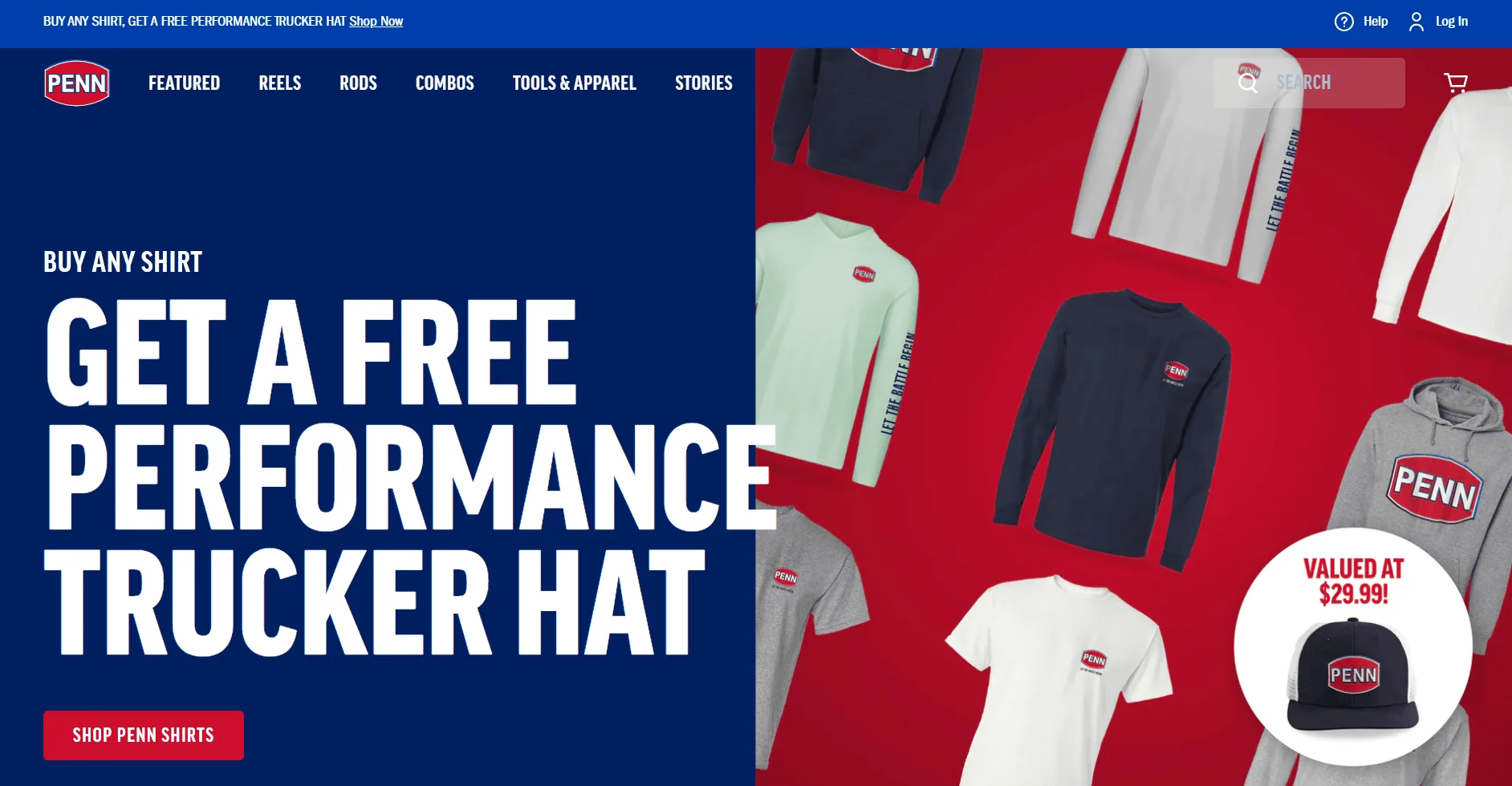
Penn Fishing supplies a large selection of high-quality fishing gear, especially saltwater rods and reels. The brand’s gear holds more than 1,400 International Game Fish Association world records, making them renowned among anglers.
The Penn Fishing affiliate program offers 2 different commission rates for different partners depending on the type of promotion:
- Loyalty partner: 6%
- Content partner: 10%
The brand pays publishers through PayPal and AHC to help you receive your payouts easily. They also support your promotion with various banners and links to help you attract more audience.
|
11. Phoozy
- Commission rate: 6-10%
- Cookie duration: 30 days
Phoozy uses thermal technology to protect electronic devices against extreme temperatures, drops, and water. Their products are perfect for outdoor activities like fishing, hunting, and more.
12. Sportsman’s Guide
- Commission rate: 5%
- Cookie duration: 7 days
Sportsman’s Guide is an American retailer specializing in outdoor gear, including fishing, shooting gear, firearms, and more. They provide numerous items at competitive prices, along with exclusive deals and membership discounts.
13. EGO Fishing
- Commission rate: 6-10%
- Cookie duration: 60 days
EGO Fishing specializes in producing high-quality landing nets and fishing tools. Their products feature corrosion-resistant, tangle-free mesh for easy handling and durability.
14. Epic Fly Rods
- Commission rate: 10%
- Cookie duration: 60 days
Epic Fly Rods are famous for their high-performance fly rods with exceptional sensitivity, strength, and precision. Their products are made from carbon fiber and other high-quality composites to ensure durability and lightweight performance.
15. BassOnline
- Commission rate: 10-20%
- Cookie duration: 90 days
BassOnline is a leading provider of bass fishing guide services in the United States. Their professional guides cater to a diverse clientele, from casual anglers to celebrities and corporate groups.
16. Enigma Fishing
- Commission rate: 20%
- Cookie duration: Not mentioned
Enigma Fishing delivers high-performance rods and gear in terms of durability, sensitivity, and precision for anglers of all skill levels. Their rods are crafted using ultra-light Japanese Toray carbon to improve the fishing experience.
17. Cheeky Fishing
- Commission rate: 10%
- Cookie duration: Not mentioned
Cheeky Fishing has become a trusted name among fly fishing enthusiasts with their innovative fly reels. They combine advanced materials and technology to create lightweight, durable, and precise reels.
18. Berkley Fishing
- Commission rate: 6-10%
- Cookie duration: Not mentioned
Berkley Fishing is committed to enhancing the fishing experience with reliable, cutting-edge fishing gear and accessories. Their innovative products include the famous Trilene fishing line and Gulp Baits.
How to Choose Which Fishing Affiliate Programs to Promote
Selecting the most profitable fishing affiliate programs requires looking at six key factors:
- The program’s alignment with your niche
- The balance between commission and conversion rates
- Cookie duration relative to the buyer’s journey
- Average order value
- Payment thresholds
- The program’s technical reliability
| Strategy Area | Key Principle | Core Action |
| Content Alignment | Match niche to audience interest. | Focus on 8-12 core programs. |
| Commissions | Focus on value per visitor. | Run 90-day performance tests. |
| Cookie Duration | Match duration to buying timeline. | Opt for long cookies with expensive items. |
| Order Value (AOV) | Cart size outweighs commission percentage. | Promote “complete kits” or bundles. |
| Cash Flow | Quick payouts allow faster adjustments. | Select low payment threshold programs. |
| Tracking | Major networks offer better reliability. | Test tracking before scaling content. |
Prioritizing Content-Program Alignment
The most critical factor is ensuring the program aligns with your specific content niche.
Your audience decides what sells.
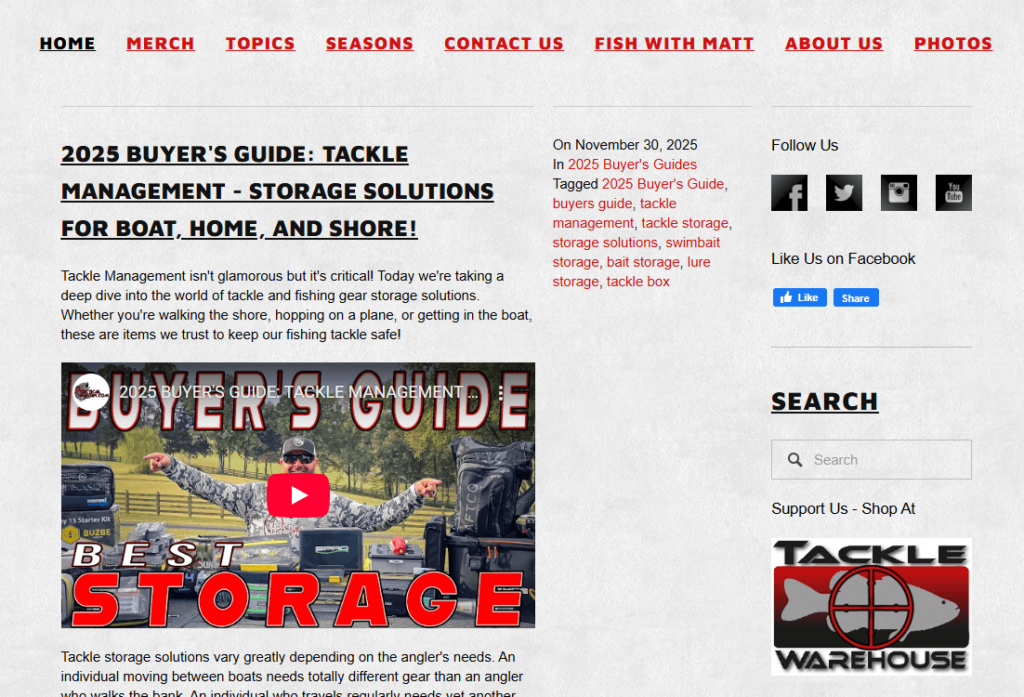
For example, a bass fishing blog might drive traffic to Bass Pro Shops or Strike King at a strong 3-5% conversion rate.
However, that same audience will likely convert at less than 0.5% for fly fishing brands like Orvis because the interest just isn’t there.
Don’t spread yourself too thin by joining 50 different programs.
Instead, focus on 8 to 12 “core programs” that match your main focus—whether that’s freshwater bass, saltwater, or kayak fishing.
This focus lets you master the product knowledge for those brands.
It also helps you build stronger relationships with affiliate managers, which can eventually lead to exclusive perks like bonus commissions and early product access.
Balancing Commission Rates and Conversion Logic
Here’s what most fishing affiliates get wrong: they assume higher commission rates automatically mean more money.
To find the true profit, you must look at the “expected value per visitor.”
We’ve worked with bass fishing affiliates who abandoned high-commission programs because the math told them to.
A St. Croix affiliate program offering 10% on $300 rods may look great. But if it only converts at 2%, it generates $6 per 100 visitors.
Meanwhile, a Tackle Warehouse program offering a lower 6% commission on small $25 orders—but converting at 4%—yields the exact same $6 return.
Makes sense?
So judge partners based on average order value, commission rate, and conversion probability—not just the percentage alone.
Running 90-day tests is the best way to see which setup makes the most money for your specific traffic.
The Strategic Importance of Cookie Duration
The length of the affiliate cookie needs to match the “buying timeline” of the products you review.
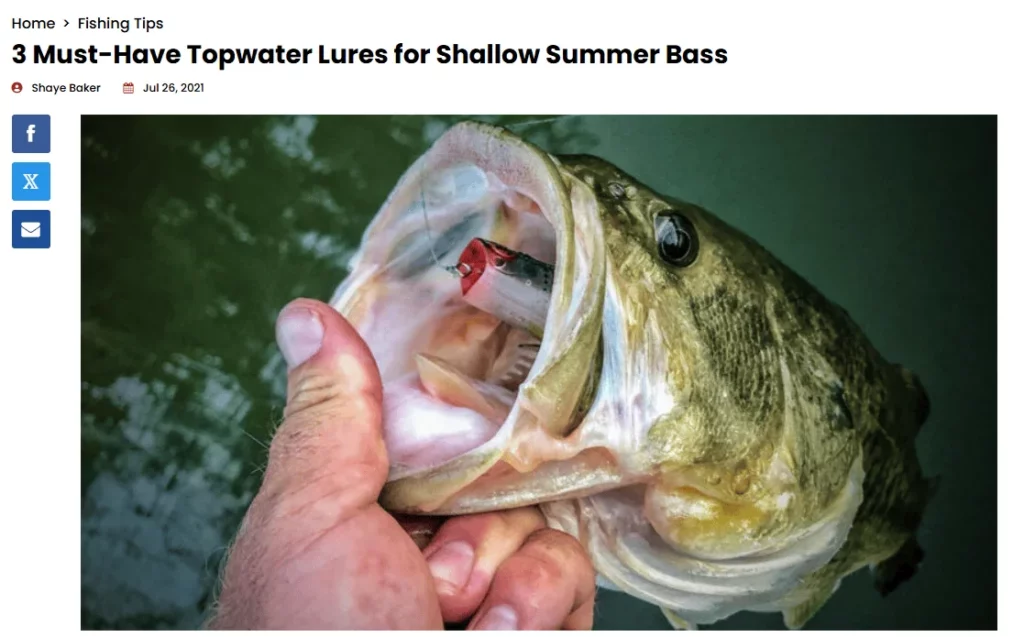
Quick content, like an article on the “best topwater lure for summer,” drives impulse buys. These work fine with standard 7-14 day cookies.
But expensive items like rods and reels involve a research phase that can last weeks.
For these “buyer’s guide” posts, you need programs offering 30-60 day cookies. This ensures you capture the sale when the reader finally pulls the trigger.
Programs with longer cookies (45-90 days) can increase your commissions by 20-40% simply by crediting you for delayed sales that shorter windows would miss.
Leveraging Average Order Value
Don’t just look at the commission percentage; look at the potential cart size.
A program offering a humble 5% commission might seem weak compared to a 10% rival.
However, if that 5% program sells complete $500 rod-and-reel combos while the 10% program only moves $20 lures, the math changes instantly.
You earn $25 on the combo versus just $2 on the lure. To match that single high-ticket sale, you would need to close 12 separate low-ticket transactions.
The Strategy:
Stop selling individual components. Create content that drives “basket building”—such as “Complete Tournament Setups” or “Beginner Kits”—to artificially inflate the AOV. High AOV compensates for lower conversion rates, making your traffic worth significantly more per click.
Managing Cash Flow and Payment Thresholds
For newer affiliates, cash flow is vital. Prioritize programs with low payment thresholds ($25-$50) over those requiring $100 or $250 to release funds.
Programs like FishUSA or Tackle Warehouse offer lower minimums. This allows you to get monthly payouts and performance data quickly.
This quick feedback lets you adjust your strategy within weeks rather than waiting months to see if it worked.
Only move to high-minimum programs once your monthly commissions are consistent. You don’t want to wait six to twelve months for your first payment.
Ensuring Tracking Reliability
Finally, a program’s tracking accuracy is critical.
In our experience working with fishing affiliates through UpPromote, we’ve seen tracking failures silently cost affiliates 10-30% of their earning.
One affiliate sent a brand-direct program 2,000+ clicks with zero conversions showing for three months. When we tested with a dummy purchase, we found their tracking pixel wasn’t firing.
That silent failure cost them $600 in lost commissions before they caught it. It was a frustrating, expensive lesson in the dangers of blind trust.
Programs on major networks like ShareASale, CJ Affiliate, or Impact Radius are generally more reliable than private, brand-direct platforms.
Before creating a lot of content for a new partner, run a 30-60 day test period with minimal promotion.
This confirms their tracking systems work and payments are reliable before you commit too much time and money to the partnership.
Bottom line: Test your core 8-12 programs with 90-day trials, then double down on what converts—not what pays the highest commission rate.
Where Should You Place Affiliate Links in Fishing Content for Maximum Conversions?
To boost affiliate revenue, you should place fishing affiliate links in seven strategic locations:
- Within product recommendation paragraphs
- Inside comparison tables
- Embedded in images
- Within “what you’ll need” sections
- In conclusion summaries
- Inside email newsletters
- Within YouTube descriptions
When you present the link matters more than how many links you use.
By targeting these placements, you can target different buyer behaviors.
These range from high-intent tactical purchases (converting at 6-10%) to engaged newsletter subscribers (converting at 8-12%).
The Value-First Link Placement Strategy
The most important rule for in-text links is to always explain why a product solves a specific fishing problem before you share the link.
For example, first describe how a braided line’s thin diameter and zero-stretch properties improve hooksets in heavy cover.
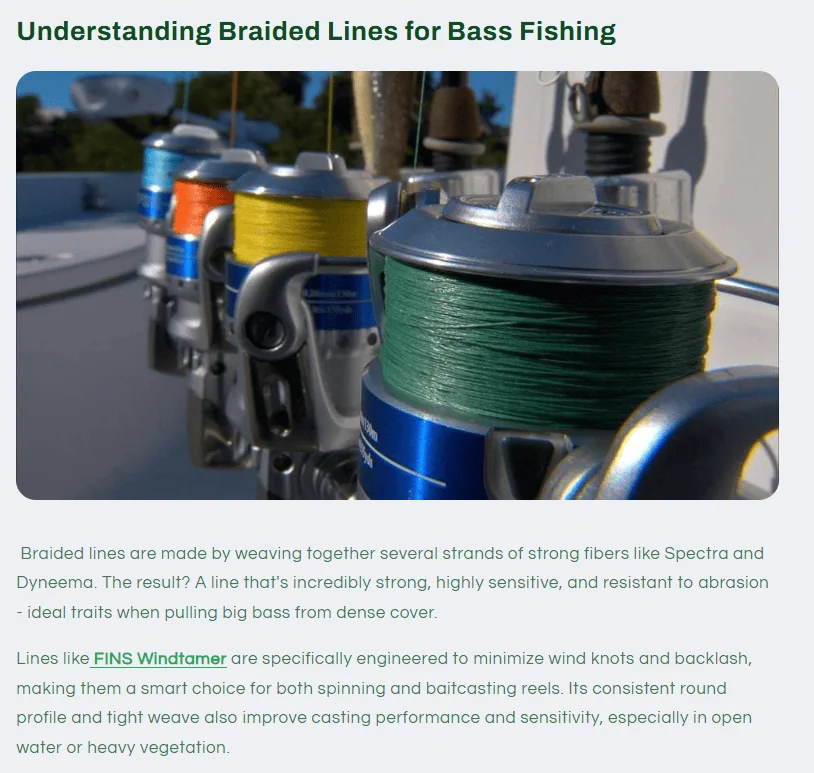
Only then should you offer a specific recommendation for the FINS Windtamer line.
This “value-first” approach typically converts at rates of 4-6%. This beats the low 1-2% for links provided without context.
The difference? Trust.
When the reader understands the benefit and justifies the purchase before clicking, you increase conversion.
As a rule, include at least two to three sentences explaining the benefits.
Increase this to four to six sentences when recommending expensive products that need more financial justification.
Leveraging Comparison Tables and Visuals
While context is essential, many buyers prefer quick data comparisons.
Comparison tables with “check price” buttons let readers compare features, prices, and uses side by side.
Because these tables help readers make decisions quickly, they achieve conversion rates of 5-8%. This significantly outperforms standard text links.
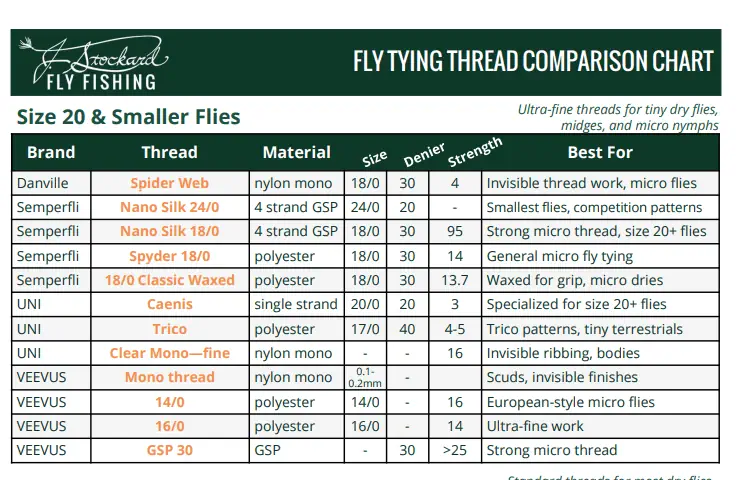
To catch visual learners who skip text recommendations, you should also put links in image captions and product photos. For instance, a photo of a boat console could feature a caption like:
“Humminbird HELIX 7 with MEGA imaging [link] provides crisp imaging for identifying bass on deep structure.”
This method can convert at 2-4%. It boosts your total click-through rate by engaging a different part of your audience without making the text feel too “salesy.”
Tactical Placement in Instructional and Concluding Content
In “how-to” content, the best place for affiliate links is within a “what you’ll need” or “recommended gear” section. Place this right after explaining the technique but before the step-by-step instructions begin.
This placement works well because user intent is high.
These readers want to learn the technique and know they need specific tools to succeed. Conversion rates here hit 6-10%.
Similarly, articles should end with specific product recommendations rather than generic summaries. A conclusion that explicitly suggests…
“Start with a medium-heavy 7-foot casting rod and 15-pound fluorocarbon [links] to effectively fish the jigs described above.”
…can convert at 3-5%. These readers have read the whole piece and trust you. However, to avoid overwhelming them, limit these final picks to the one to three essential items needed to do the job.
High-Trust External Channels
Finally, look beyond your website to high-trust external channels.
Email newsletters have the highest conversion rates of all—typically 8-12%—because the audience chose to be there.
To keep this trust, only promote gear you know is useful. Don’t just pick items for the commission.
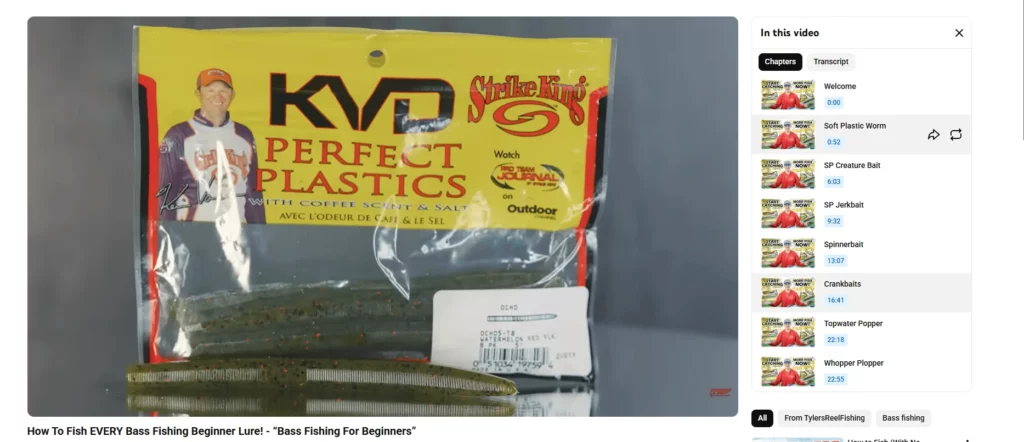
Video content works too. YouTube descriptions with timestamped links (e.g., “2:15 – Recommended crankbaits”) let viewers find products exactly when you discuss them.
This seamless mix of content and sales can generate conversion rates of 4-7%.
Key insight: Link placement timing beats link quantity. Target high-intent moments—”what you’ll need” sections and post-read recommendations convert 2-3x higher than random in-text links.
How Do Seasonal Patterns Affect Fishing Affiliate Income?
Fishing affiliate income follows a highly predictable seasonal pattern. Most revenue is generated during specific windows of angler activity.
The annual breakdown looks like this:
- Spring Pre-Season (March–May): 40-45% of annual commissions
- Fall Preparation (September–October): 25-30% of revenue
- Active Summer Season: 20-25% of revenue
- Winter (November–February): 10-15% of income
Notice a pattern?
To succeed in this niche, you must take a strategic approach. Publish content 4 to 8 weeks before these peak periods to capture the most traffic and sales.
The Dominance of the Spring Pre-Season
The period from March through May is the primary revenue engine for fishing affiliates, accounting for nearly half of annual income.
This is your revenue engine.
During this time, anglers are aggressively preparing for spring spawning patterns for species like bass, crappie, walleye, and pike. This preparation involves:
- Purchasing new line to replace last year’s spool
- Restocking lures used up during the previous season
- Upgrading rods and reels, using tax refund money
To take advantage of this surge, you should publish spring preparation content in January and February, roughly eight to ten weeks before the peak.
By focusing on topics such as “spring bass fishing setup” or “new fishing gear for 2025” well in advance, you can rank in search results and capture early planners before the competition heats up.
The Fall Second Wave
Following the summer, a second major sales window opens in September and October. This produces 25-30% of annual commissions.
This period is driven by serious anglers preparing for fall feeding patterns and casual anglers making final purchases before winter storage.
This “second wave” is especially strong in northern markets where the fishing season ends in late autumn.
We’ve worked with a Wisconsin walleye blogger via our marketplace who generated 40% of his annual income in September-October by publishing fall content in July.
His competitors waited until September—and missed the surge completely.
That’s the difference between strategy and reaction.
You can capture this traffic by publishing content in July and August.
Target keywords like “fall bass fishing patterns” or “cold water fishing techniques.”
This strategy targets the preparation phase of anglers looking to master techniques before the water freezes.
Summer Maintenance and Replacement
The active summer months of June through August generate 20-25% of annual commissions. However, buying behavior shifts from major overhauls to maintenance and tweaking.
Revenue during this season is driven mostly by replacement purchases for lost lures or broken lines.
It also includes adding technique-specific gear as anglers refine their approaches mid-season.
While conversion rates drop by 20-30% compared to spring because users are browsing more than buying, total traffic increases by 40-60% as more people are actively fishing.
Content strategies during this window should focus on small improvements, such as “upgrading your topwater game,” rather than full gear guides.
Winter Challenges and Opportunities
For most of the United States, the period from November to February is a slow season. It produces only 10-15% of annual affiliate income as cold weather stops open-water fishing.
You must plan for this financial drop. However, there are distinct opportunities to maintain revenue.
Holiday gift guides published in November and December can convert at high rates of 4-6% as non-anglers buy gifts.
Additionally, southern markets like Florida and Texas offer year-round bass fishing that remains unaffected by the freeze.
Outside of these exceptions, the biggest winter opportunity lies in the specialized niche of ice fishing.
The Ice Fishing Exception
In northern states, the ice fishing market operates on a completely counter-seasonal schedule. It generates 70-80% of its annual commissions during the winter months.
This completely offsets your winter slowdown.
Gear for this group represents a separate purchase category from open-water tackle. It includes:
- Flashers
- Shelters
- Augers
- Tip-ups
This requires partnerships with specific brands like Vexilar or Eskimo.
By building a library of 20-30 ice fishing articles, affiliates serving northern markets can generate significant monthly income during the winter.
Strategic Content Publication Timing
The key to managing these seasonal changes is a disciplined content calendar. You must publish 6 to 10 weeks before a season begins.
A common mistake is reacting to the season after it has started.
Content published in March for spring fishing misses the early-season traffic spike and faces tough competition.
Instead, map out major events—spring spawn, summer patterns, fall turnover, and winter ice fishing—and set publication deadlines 8 weeks prior.
This proactive approach ensures articles are indexed and ranking by the time anglers begin their research, maximizing your income throughout the year.
My take: Your content calendar is your competitive advantage. Publish 6-10 weeks early, rank before competitors arrive, capture the pre-season surge.
Should You Only Promote Fishing Products You’ve Actually Used?
To maintain trust and increase revenue, you should aim to promote products you have personally used for 80-90% of your affiliate recommendations.
Authentic, experience-based details convert at 4-6%.
This significantly outperforms the 1-2% conversion rates common with generic promotions based only on manufacturer info.
Details like these sell.
However, it’s acceptable for the remaining 10-20% of your content to include well-researched products you have not personally tested. The catch?
You must clearly disclose that these insights are “based on specifications and user reviews.” Do not imply personal experience.
This distinction is vital. It prevents the damage that happens when untested gear fails to meet expectations.
The Conversion Advantage of Personal Experience
Fishing gear reviews based on personal, multi-trip testing always beat generic content. They provide the specific details buyers need to make confident decisions.
Details regarding how a product performs in specific scenarios—such as how a line holds up after a full season or how a reel handles heavy cover—build confidence.
For example, sharing a specific story helps:
“This crankbait caught 12 bass in 3 hours on Lake Guntersville during the post-spawn when others failed.”
This creates mental imagery and proof of performance that a generic claim like “this crankbait catches bass” simply cannot match.
This depth of detail proves you have used the product. This directly translates into higher conversion rates.
The Hybrid Strategy and Ethical Disclosure
It is often financially impossible to test every product on the market. A hybrid approach allows for full coverage without losing integrity.
A recommended structure is to dedicate 80% of your content to core tackle categories you have tested.
Reserve 10-20% for related products your audience needs but you may not own, such as high-end electronics or saltwater gear if you are mostly a freshwater angler.
When covering these untested items, transparency is non-negotiable.
You must explicitly state that your analysis is “based on specifications and pro angler reviews.”
Do not imply you have tested the gear yourself.
Readers generally forgive a lack of personal ownership if you are honest. But they will permanently leave if they spot deception.
Sound familiar?
While the FTC requires you to disclose affiliate connections, fishing content ethics require going beyond the legal minimum to keep long-term trust.
Researching Non-Tested Products
For the few products you promote without personal testing, you must rely on deep research to replace the physical experience.
Instead of just repeating manufacturer marketing claims, you should:
- Analyze user reviews on retail sites
- Watch unbiased YouTube reviews
- Study forum discussions
- Combine professional angler feedback
By presenting this info as a consensus—phrasing it as “based on extensive user feedback and spec analysis, anglers report…”.
You can keep your integrity.
This still serves your audience’s need for information. This method bridges the gap between a limited testing budget and the need for full content coverage.
Building a Testing Budget and Scaling
To maintain an experience-based affiliate model, treat buying gear as a business expense.
A sustainable strategy involves reinvesting 20-30% of your affiliate commission income back into buying new fishing gear for review.
- New affiliates: Start with a $100-$300 monthly budget to cover mid-range products
- Growing affiliates: Increase this to $500-$1,000 as income grows to cover premium gear with higher commissions
Eventually, once you show consistent content production and reach traffic milestones like 20,000 monthly visitors, you can begin asking for free review samples from manufacturers.
This reduces your costs while expanding your ability to cover new releases.
Long-Term Authority Building
Prioritizing authentic product experience is a long-term investment in authority.
Over two to five years, a reputation for honest, detailed reviews will attract a loyal audience that trusts your recommendations completely.
These returning visitors convert at rates two to three times higher than new traffic.
It is more profitable to recommend fewer products that you have tested than to promote a huge list of untested items for short-term gain.
The trust you build leads to word-of-mouth referrals and growing income that far outweighs the missed commissions from products you chose not to promote.
How Do You Match Fishing Affiliate Products to Your Audience’s Skill Level and Budget?
Successfully matching fishing affiliate products to your audience requires a deep analysis of three factors:
- Skill level (based on the content they read)
- Budget signals (based on the prices they click)
- Fishing commitment (based on how often they fish)
Don’t assume every reader wants premium gear or needs budget options.
The best strategy is to create product recommendations that fit your site’s actual audience.
By offering distinct budget, mid-range, and premium options, you ensure every visitor finds a solution that fits their wallet and their needs.
Analyzing Skill Level Through Search Intent
The best way to gauge your audience’s skill is to look at your Google Search Console queries and Google Analytics landing pages.
Search intent is a strong sign of skill level. Beginners arrive via broad queries like “how to cast” or “basic fishing knots.”
In contrast, advanced anglers search for specific, technical terms like “deep cranking for summer bass” or “tournament pre-practice strategies.”
This data should dictate how complex your products are.
- Beginner audiences need simple advice with fewer options, clear “best overall” picks, and explanations of why features matter
- Advanced audiences demand full comparisons, technical specs, and detailed breakdowns
They will reject simple suggestions that don’t account for complex variables.
Identifying Budget Realities Through Behavior
To find out what your audience can actually afford, track their behavior rather than guessing.
Watch which price points get engagement—like clicks, time on page, and return visits—even if they don’t buy right away.
For example, if your reports show consistent clicks on $50-$100 reels but zero activity on $300+ models, your audience is budget-conscious.
It doesn’t matter what they claim in the comments. Their actions tell the truth.
You must align your content with this reality.
Pushing expensive gear simply because you use it will generate traffic but won’t make sales if the price is wrong.
It is far more profitable to write a “best fishing rods under $100” guide for a budget audience than to waste time promoting premium gear they admire but can’t buy.
Implementing a Tiered Recommendation Strategy
To reach the most people, use a tiered recommendation strategy in every review. Instead of suggesting a single “best” product, provide:
- A Budget option
- A Mid-Range pick
- A Premium selection
For example, a spinning reel article should recommend a $60 reel for the casual weekend angler, a $120 workhorse for the regular enthusiast, and a $250 high-performance model for the serious angler.
This ensures one piece of content works for everyone.
If you only promote one price point, you lose every reader who falls outside that narrow window.
Segmenting by Fishing Commitment
Beyond budget, you must distinguish between casual anglers and serious enthusiasts. Their gear needs are completely different.
- Casual anglers (fishing 10-15 days a year) value versatility and durability. They need multi-purpose rods that maximize value.
- Serious anglers (fishing 40-100 days a year) want specialization. They are willing to invest in technique-specific rods and advanced electronics.
Your content should explicitly address these differences. Frame your advice with clear conditions:
“If you fish occasionally, choose this versatile option. However, if you are on the water weekly, this specialized model is the better investment.”
Contextualizing for Region and Species
Generic “bass fishing” advice fails because it ignores regional differences.
Analytics and polls can show if your readers are battling heavy vegetation in Florida (needing heavy flipping rods) or targeting smallmouth bass in the Great Lakes (needing finesse gear).
Matching your products to these local conditions builds trust and increases sales.
A reader is far more likely to buy a lure if you explain exactly why it works for their specific water, rather than offering a broad suggestion that might not work at home.
Data-Driven Product Selection
Your affiliate dashboard is the best guide for what to promote.
You must analyze which products generate actual revenue, not just clicks.
We’ve seen a consistent pattern during our time managing UpPromote’s marketplace: affiliates who promote $30 hard baits based on commission rates while their audience actually buys $10 soft plastics leave money on the table.
The dashboard showed the truth, but they ignored it.
Double down on what’s already working.
Optimization comes from reinforcing what converts.
Review your top ten selling products monthly and create more content around those winners, rather than constantly introducing new, untested products.
Key insight: Analytics don’t lie. Track which price points get clicks, which products drive revenue, and then build more content around those winners.
Conclusion
Setting up an affiliate program is a game-changing strategy for any fishing brand on Shopify.
By creating an attractive commission structure, recruiting the right partners, and using a powerful tool like UpPromote to manage and motivate them, you can build a program that drives significant sales.
Now it’s time to put these strategies into action and watch your fishing store reel in success with the help of UpPromote affiliate marketing.

Ellie Tran, a seasoned SEO content writer with three years of experience in the eCommerce world. Being a part of the UpPromote team, Ellie wants to assist Shopify merchants in achieving success through useful content & actionable insights. Ellie's commitment to learning never stops; she's always eager to gain more knowledge about SEO and content marketing to create valuable content for users. When she's not working on content, Ellie enjoys baking and exploring new places.