

The revenue in the event ticket market is projected to reach US$88.45bn in 2025, according to Statista.
With the increasing demand for live entertainment, affiliates have a great opportunity to earn high commissions by promoting tickets for various events.
In this article, we will explore 17 leading event ticket affiliate programs, covering concerts, sports, theater, and festivals. Let’s dive into and find the best service for your audience.
Quick Comparison
| Program Name | Commission (%) | Cookie Duration (Days) | Niche Suitable | Affiliate’s Rating |
|---|---|---|---|---|
| Vivid Seats | 6% | 30 days | Event tickets, concerts, sports | ⭐⭐⭐⭐ |
| Ticketmaster | $0.30 per sale (≈ low %)* | 30 days | Event tickets, concerts, primary & secondary marketplace | ⭐⭐⭐ |
| TicketNetwork | 12.5% | 45 days | Live events, concerts, sports, theater | ⭐⭐⭐⭐⭐ |
| CityPASS | 6% | 90 days | Travel, attractions, tours | ⭐⭐⭐⭐ |
| AwesomeSeating.com | 7% | 365 days | Hard-to-find tickets, concerts, sports | ⭐⭐⭐⭐⭐ |
| Ripley’s Believe It or Not! | 2% | 30 days | Museums, attractions, family entertainment | ⭐⭐⭐ |
| Event Tickets Center | 3% | 14 days | Event tickets, concerts, sports | ⭐⭐⭐ |
| Ticket Liquidator | 10% | 30 days | Event tickets, sold-out shows, concerts | ⭐⭐⭐⭐ |
| SeatGeek | 1% | 30 days | Sports, concerts, mobile users | ⭐⭐⭐ |
| The Events Calendar | 25% | 30 days | WordPress plugins, event websites | ⭐⭐⭐⭐⭐ |
17 Best Event Ticket Affiliate Programs in 2025
1. Vivid Seats
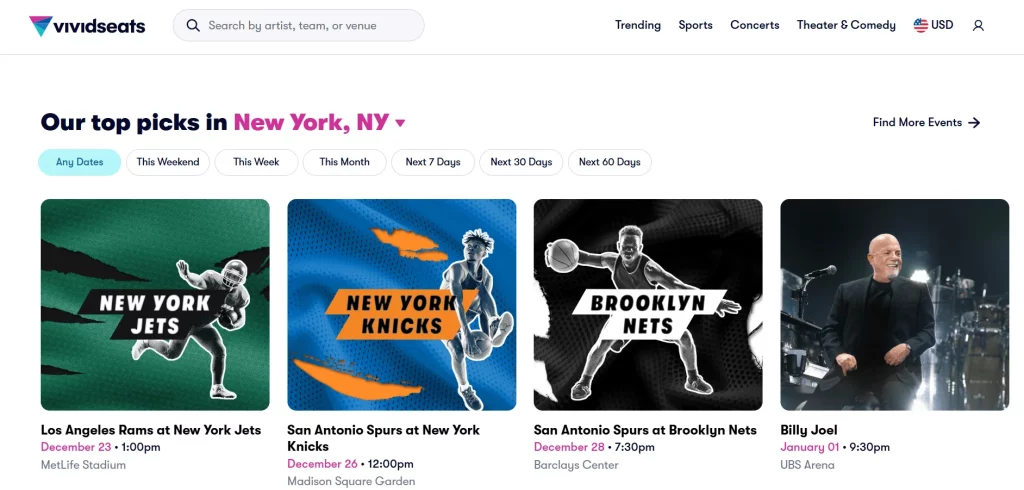
Vivid Seats is recognized as one of the largest American ticket exchange and resale companies. They act as a middleman between sellers and buyers, supporting transactions for various entertainment events.
The Vivid Seats affiliate program provides a 6% commission rate for each ticket sold. You have 30 days of cookie duration to get earnings from the visitor’s first click.
You can put their beautiful pre-made banners on your website to impress your audiences. You can access their tracking dashboard to view your promotional results.
|
2. Ticketmaster
Ticketmaster is a leading American ticket sales and distribution company for various entertainment activities. They also have a secondary marketplace where fans can buy and sell tickets for sold-out events.
Affiliates can enjoy a $0.30 commission for each successful sale. Your commissions are approved if the audience buys tickets within 30 days from their first click.
Their affiliate program is managed through Impact. You can access the network’s tracking dashboard to monitor your clicks, sales, and commissions in real time.
|
3. TicketNetwork
TicketNetwork connects buyers and sellers for live entertainment events, including concerts, sports, and theater performances. They provide a 200% guarantee on transactions made through their Mercury Web Services.
They pay affiliates a commission rate of 12.5% for successful purchases. With an average order value of $350, you can earn approximately $44 per sale. The cookie lasts 45 days from the visitor’s first click on your link.
The brand provides many beautiful banners, text links, and other pre-created creatives to support your promotions. You can access their daily data feed to keep updated with the latest product information.
|
4. CityPass
CityPASS offers discounted tickets for various popular attractions and events across North America. Their packages provide 30% to 50% discounts on included attractions’ regular admission prices.
Their affiliate program allows you to earn a 6% commission rate. You have up to 3 months to earn money on purchases from the customer’s first click.
You can leverage their attractive banners and text links to impress your audience and drive more sales. You can also check your clicks, sales, and commissions via their tracking dashboard.
|
5. AwesomeSeating.com
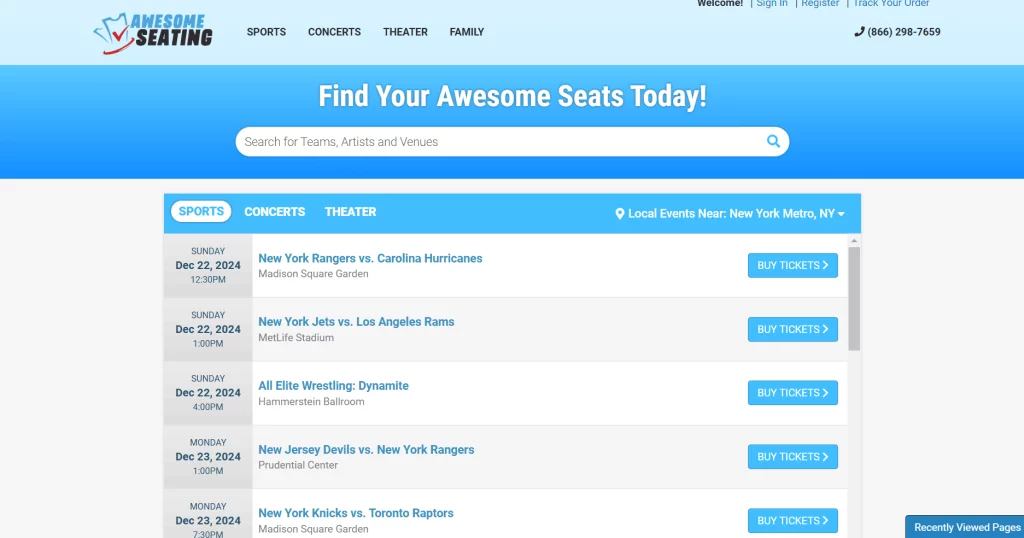
AwesomeSeating.com offers millions of popular, sold-out, hard-to-find tickets across various event genres. Their ticket orders have a 100% money-back guarantee for delivery issues, invalid tickets, or cancellations.
They provide a commission rate of 7% for every successful order via your link. You may enjoy about $31 for each sale with an average order size of $445. The long referral window allows you to earn money on sales within 1 year of the customer’s initial click.
The brand runs their affiliate program via Shareasale. You can sign in to the network and get your unique link to start promoting their service.
|
6. Ripley’s Believe It or Not
Besides producing cartoons, books, and TV shows, Ripley’s Believe It or Not! has 27 museums across the world. Users can buy daily tickets or apply for memberships to enjoy better prices.
The brand pays a commission rate of 2% for every successful order via your link. You can earn commissions on purchases made within 30 days from the customer’s initial click.
Their event affiliate program operates through CJ Affiliate. You can check your clicks, conversions, sales, and commissions through their tracking dashboard.
|
7. Event Tickets Center
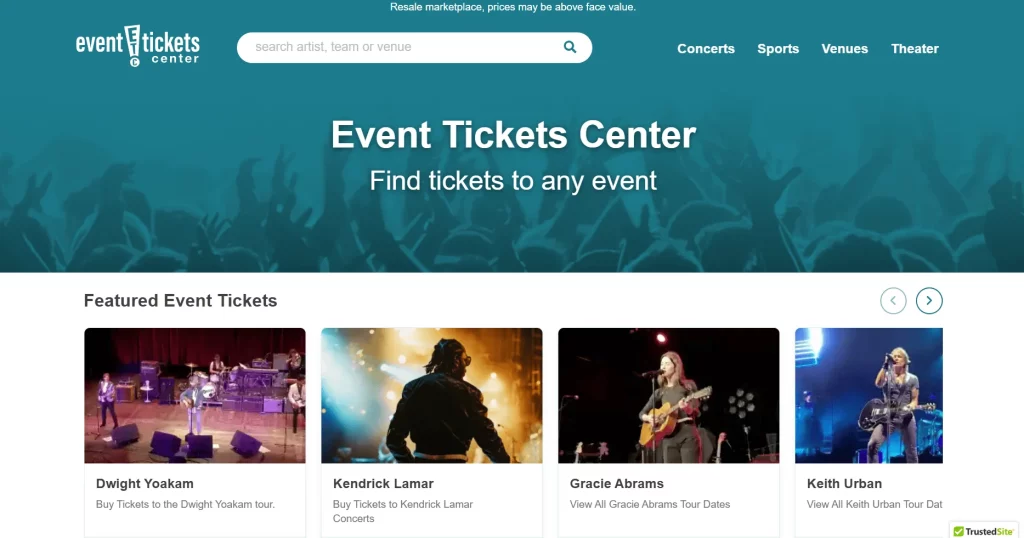
Event Tickets Center helps fans access tickets to their favorite events, even if they are sold out at the primary box office. Their interactive seating chart makes it easier for customers to choose their preferred seats.
Ticket affiliates may earn about a 3% commission on all successful sales. You have 2 weeks to earn money on purchases from the first click with the 14-day cookie duration.
They will assist you with numerous impressive ready-to-use creatives. You can use them to make your promotions more attractive and increase conversions.
|
8. Ticket Liquidator
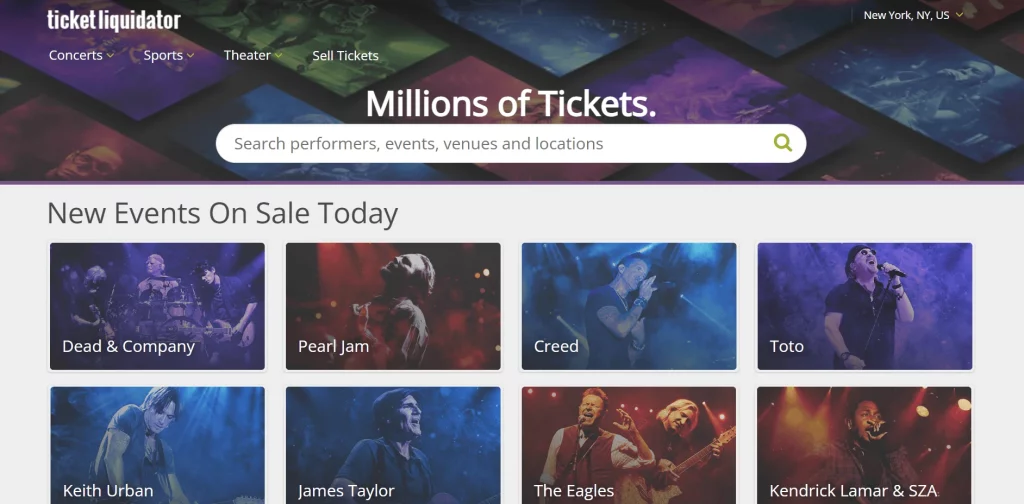
Ticket Liquidator sells popular and hard-to-find event tickets with a 100% money-back guarantee if events are canceled or tickets are not delivered on time. Users can search events by artist, venue, or location and apply filters for price and seating options.
The company gives you a 10% commission for each purchase you refer. The cookie period will remain valid for 30 days after the visitor’s first click on your link.
You can add their pre-designed banners and text links to your site and start promoting their services. They also update you with the latest product information and exclusive offers to boost your commissions.
|
9. SeatGeek
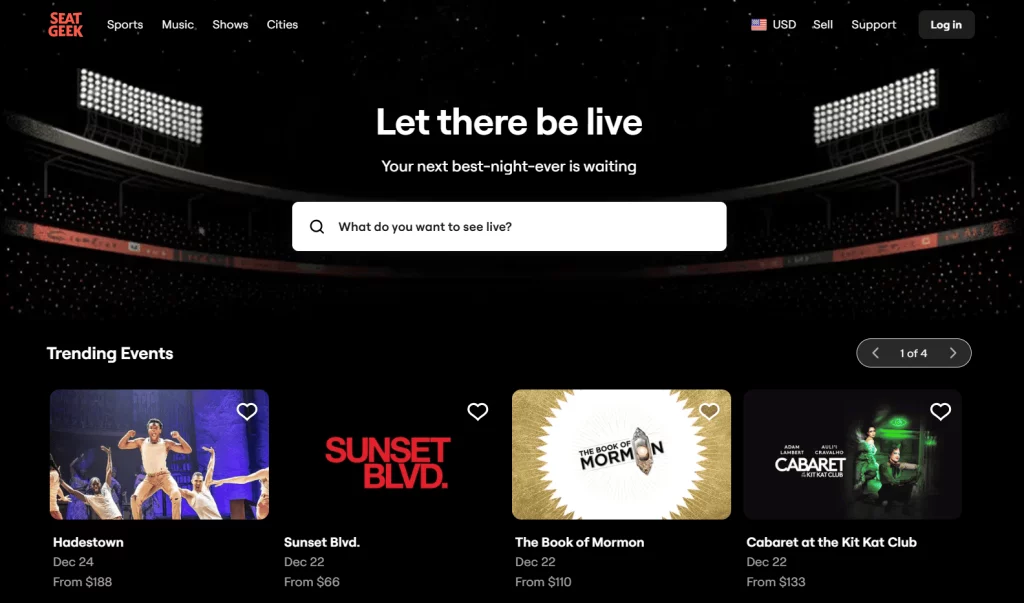 SeatGeek is a mobile-focused platform that lets users buy and sell event tickets, including sports, concerts, and theater performances. Their Deal Score technology evaluates ticket listings based on price, location, and other factors to help users find the best deals.
The Seekgeek affiliate program offers a 1% commission rate for all purchases via your link. You have 30 days to earn money on sales from the customer’s first click.
SeatGeek partners with Impact to run their program. You must sign up for Impact to join this event ticket affiliate program.
|
10. The Event Calendar
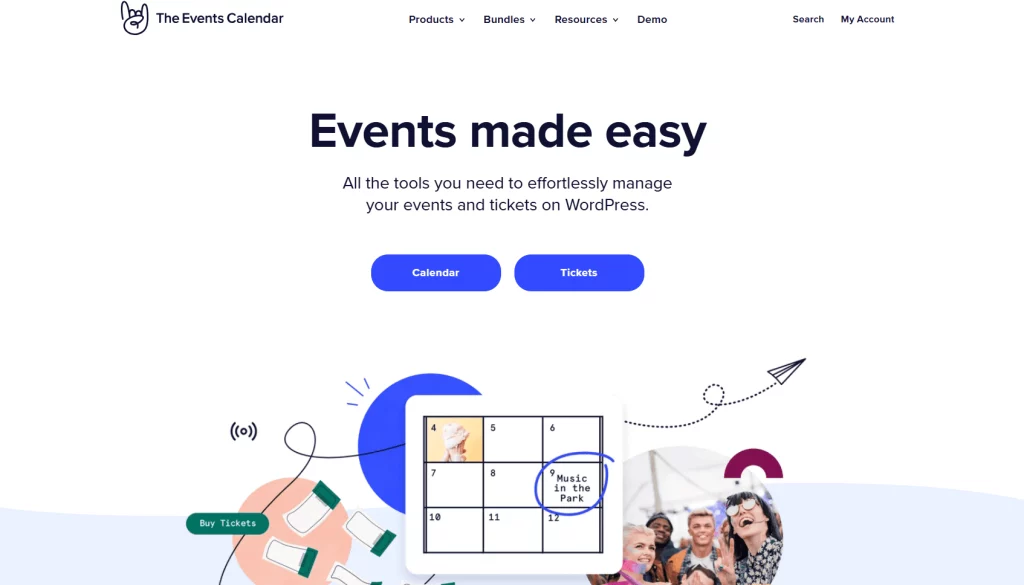
The Events Calendar is a widely used WordPress plugin to help users manage and showcase events and tickets on their websites. Users can add events, manage details like dates, times, locations, and descriptions, and display them in a calendar format.
You will receive a high commission of 25% for every sale when joining their affiliate program. The cookie period will remain valid for 30 days from the customer’s first click on your unique link.
Their affiliate program is managed via Impact. Affiliates can access detailed performance data and enjoy secure, on-time payouts through the platform.
|
11. Grand Canyon West
- Commission rate: 5%
- Cookie duration: 60 days
Grand Canyon West offers visitors a range of thrilling experiences and breathtaking views of the Grand Canyon. They sell tickets for the Skywalk, general admission, helicopter rides, boat tours, and multi-activity packages.
12. Viator
- Commission rate: 8%
- Cookie duration: 30 days
Viator allows users to book tickets for attractions, guided tours, and unique experiences in numerous destinations worldwide. They provide detailed descriptions, user reviews, and high-resolution images to help users make informed decisions.
13. Yapsody Ticketing
- Commission rate: 10%
- Cookie duration: Not mentioned
Yapsody provides a complete ticketing system for event creation, ticket sales management, and analytics. They cater to a number of events, including concerts, conferences, sporting events, theater shows, and more.
14. Event Bookings
- Commission rate: $0.1
- Cookie duration: Not mentioned
Event Bookings simplify organizing and managing events for conferences, webinars, workshops, concerts, and fundraisers. Organizers can personalize their event pages with images, videos, and detailed descriptions to attract attendees.
15. Ticketor
- Commission rate: 30%
- Cookie duration: Not mentioned
Ticketor gives users complete control over ticketing operations, including setting buyer fees, pricing structures, return policies, and terms. They support both single and recurring events with customizable schedules.
16. Get Your Guide
- Commission rate: 8%
- Cookie duration: Not mentioned
17. Ticket-Compare
- Commission rate: 50%
- Cookie duration: Not mentioned
Ticket-Compare helps people search and compare football ticket prices from various resale sites. Users can filter their search by football leagues & competitions, clubs, and stadiums.
Which Types of Events Generate the Highest Affiliate Commissions?
The five event categories that regularly produce the highest affiliate commissions are:
- Playoff sports events
- Major concert tours by superstar artists
- Championship fights
- Multi-day festivals
- Premium theater productions
In these high-value areas, commissions usually range from $25 to $200 per sale. This figure depends on average ticket prices, which can run from $150 to over $1,500 per seat.
Playoff and Championship Sports
Post-season sports events are a huge source of income for affiliates.
The demand is massive.
Major events like the NFL playoffs, NBA Finals, and the World Series earn commissions between $40 and $120 per sale.
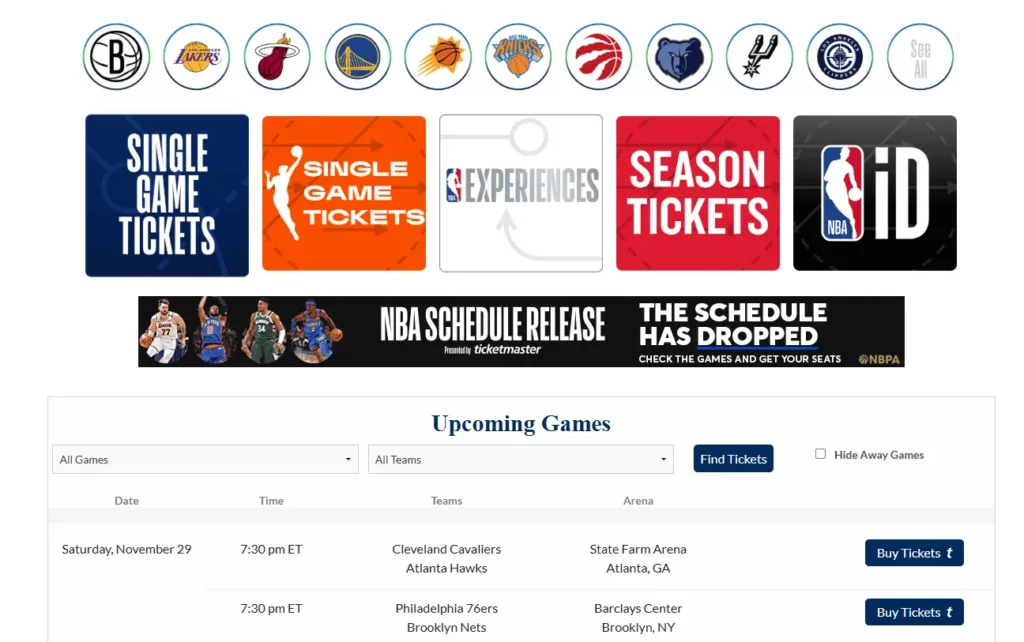
Because ticket prices for these events range from $200 to $2,000, fans view them as “once-in-a-lifetime” experiences and are willing to pay the price.
These events often sell out fast, but they create a clear two-to-three-week window where fans do heavy research and compare prices before the games begin.
Affiliates usually get the best results by focusing promotions on team-specific fan sites and local sports blogs in the playing cities.
Client Success Story:
UpPromote partnered with a Milwaukee Bucks fan page during their historic 2021 NBA Finals run.
The affiliate published a comprehensive Fiserv Forum seating guide three weeks before Game 3, complete with ‘view from seat’ photos and parking tips.
And the heat just keeps rising up as the Bucks get 2-0. Once it’s their time to be the home team, that seating guide went into effect immediately.
That single article generated $ 4,200 in commissions from 47 ticket sales.
That’s $52,000 in ticket revenue from one blog post.
The lesson? Championship events create urgency that overrides price sensitivity.
Major Concert Tours
Tours by global superstars, such as Taylor Swift, Beyoncé, or Bad Bunny, are massive earners. Affiliates typically make commissions of $30 to $80 per ticket sale.
And that might seem like a huge margin if you’re not a fan.
Tickets for these events usually range from $150 to $400, with strong demand lasting for weeks or months as the tour moves across the country.
They can even get to a 4-figure number.
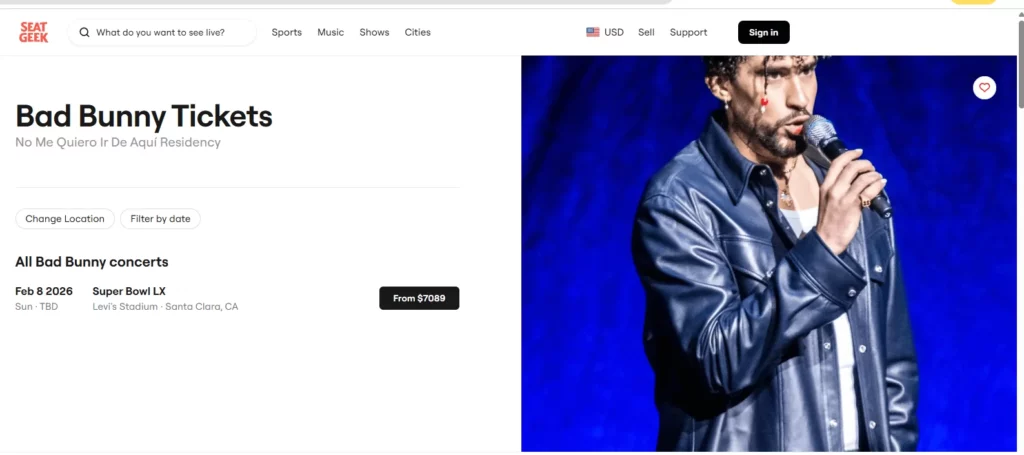
A big benefit here is the ability to reuse your work. Affiliates can promote the same artist’s tour again and again as it visits different cities.
While stadium tours usually pay the most per sale due to high prices, arena tours often offer more chances to sell because artists are more likely to play multiple nights in one city.
Combat Sports and Premium Events
In the world of high-stakes entertainment, combat sports like UFC pay-per-view events, major boxing matches, and major wrestling events like WrestleMania earn large commissions.
These range from $50 to $150.
These events attract very eager buyers who are used to paying between $250 and $1,500 for the live experience.
However, the market here is unique. The supply of truly premium fights is limited to just a few per year. Also, the promotional window is very short, usually lasting only three to four weeks.
To succeed, marketers must focus heavily on fight announcements and press conferences when public interest is highest.
Multi-Day Festivals
Music, food, and entertainment festivals are often the highest-earning events.
Commissions often reach €20 to €60 per sale.
Because multi-day passes for events like Coachella or Lollapalooza often cost between €70 and €800, buyers do extensive research before committing.
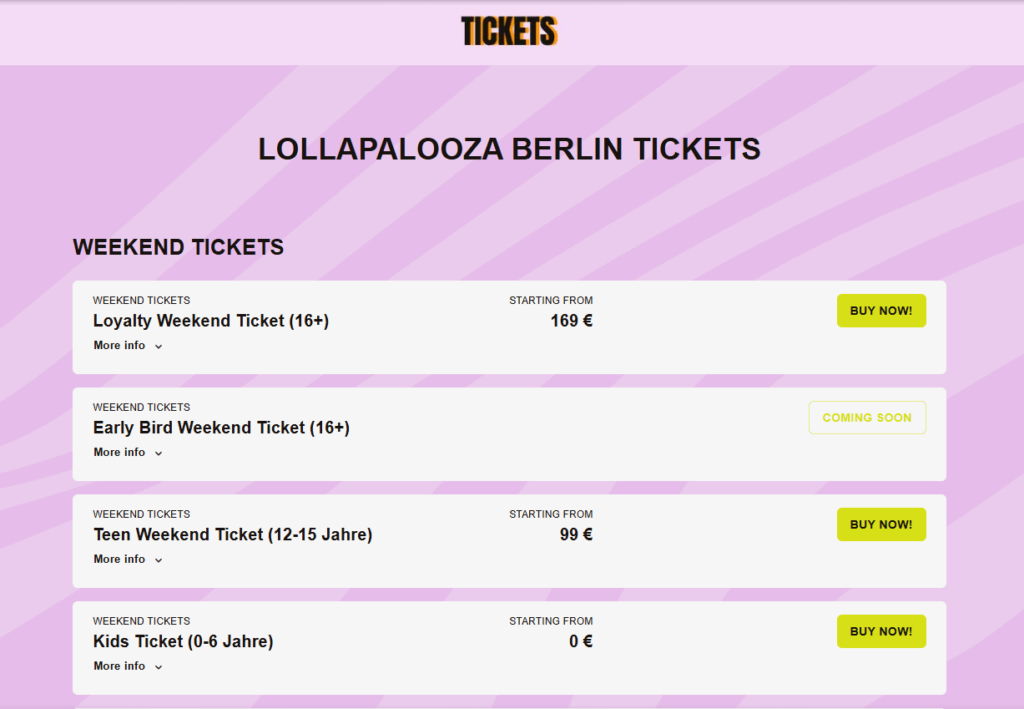
They compare lineups, hotel packages, and prices across multiple sessions. This creates an opening for affiliates to offer value through:
- Comparison articles
- Packing guides
- Travel planning content
Also, because festival tickets are often sold in phases—from early-bird presales to late releases—affiliates benefit from multiple sales windows throughout the year.
Broadway and Premium Theater
For consistent high-value sales, long-running Broadway and West End shows such as Hamilton, The Lion King, or Wicked are reliable earners.
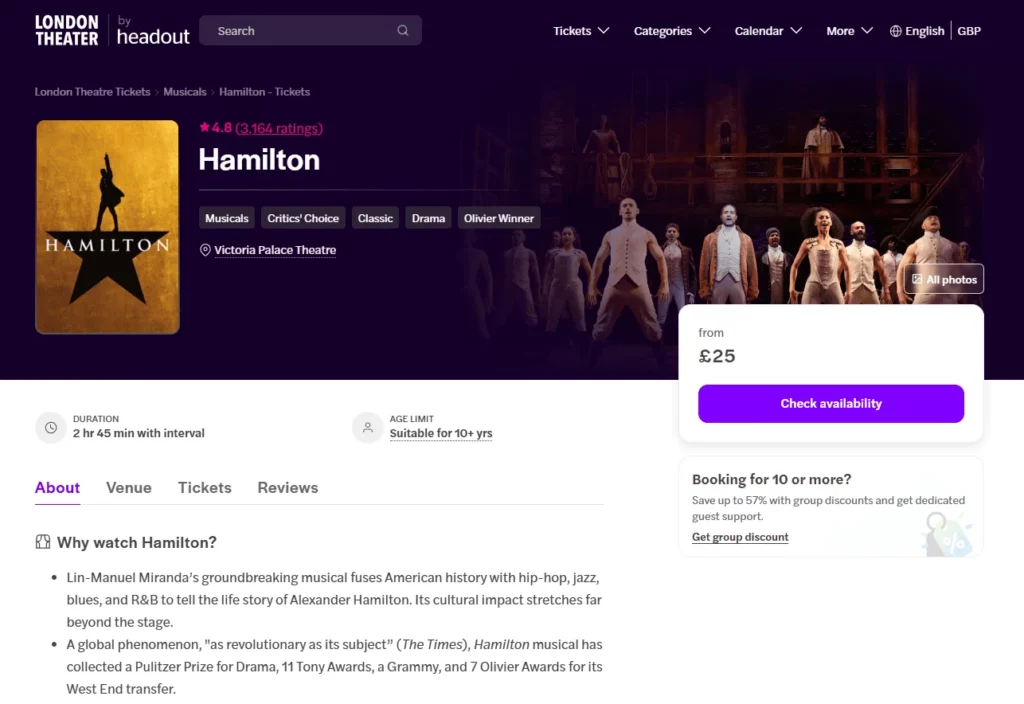
They generate commissions between £25 and £75. Premium orchestra seating can push ticket prices up to £350, boosting the commission.
Unlike sports fans who may buy on impulse, theater fans tend to plan their trips months in advance. This creates a long sales window.
Content that focuses on show reviews, seating guides, and discount tips tends to work best, as theatergoers look for value even when they are willing to pay for a premium experience.
Volume vs. Value Considerations
While high-ticket events offer big payouts, a strong affiliate plan should balance these with lower-value, high-volume options.
Regular-season sports games in the MLB, NHL, or MLS usually pay lower commissions of $8 to $25.
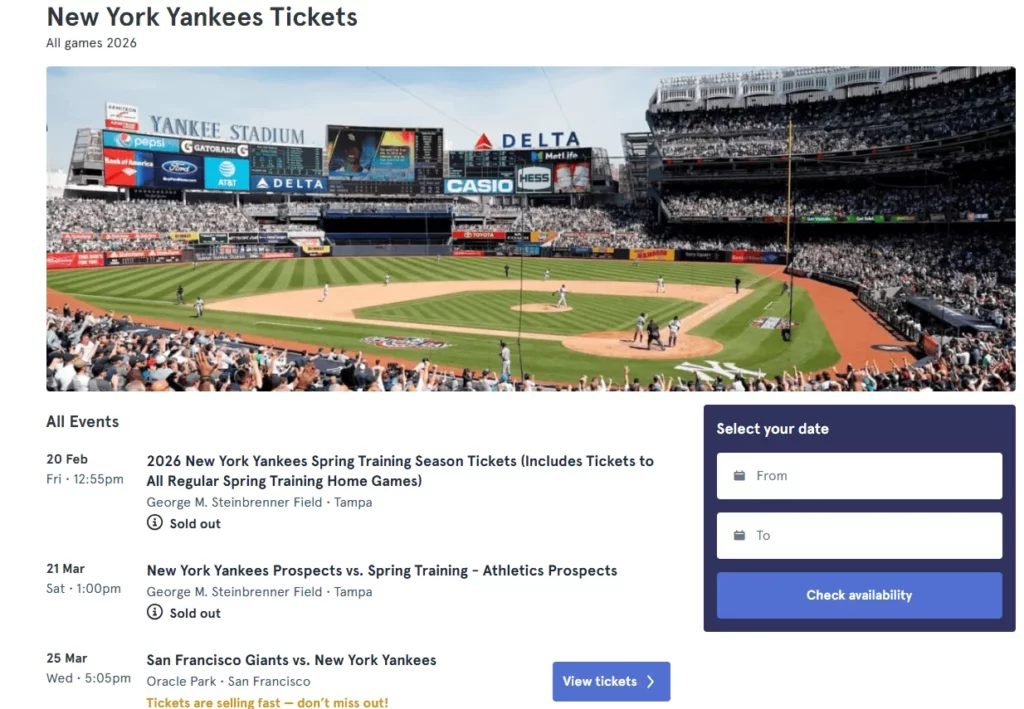
Small venue concerts may only net a few dollars per sale.
However, the high number of these events, such as a baseball team playing over 80 home games a year, creates a steady stream of income.
Bottom line: High-ticket events offer big payouts, but smart affiliates balance these with steady, high-volume options.
Chase the $200 Broadway commission, but don’t ignore the $15 baseball game—it’s the daily sales that pay your bills.
When Do People Actually Buy Event Tickets (And How Should You Time Promotions)?
Understanding buyer timing is key to affiliate success. Ticket sales usually happen in three distinct waves:
- The presale window
- The general on-sale rush
- The last-minute surge
According to Ticketmaster’s 2024 self-report, 18% of tickets sold through the affiliate network were purchased within 14 days of the event, demonstrating the network’s value in closing late sales.
Hence, you need to time your content accordingly to customers’ purchase patterns and behaviors.
The Presale Window
The first wave happens during the presale. This is a tight 48-to-72-hour window where 25% to 35% of buyers secure their seats. This group consists of:
- Superfans
- Organized planners
- People desperate for specific seats
Because these buyers are actively hunting for credit card, fan club, or artist-specific codes, speed is more important than depth.
Speed beats depth every time.
Affiliates should closely monitor news channels and publish content immediately, within hours. Focus on high-urgency queries like “how to find presale codes” to capture the early search traffic.
The General On-Sale Rush
Once tickets go public, the biggest volume of sales begins. 35% to 40% of total sales happen within the first 72 hours.
The intensity is highest during the first two to four hours.
So when should you publish?
To rank for this surge, publish and index content 24 to 48 hours before tickets go on sale.
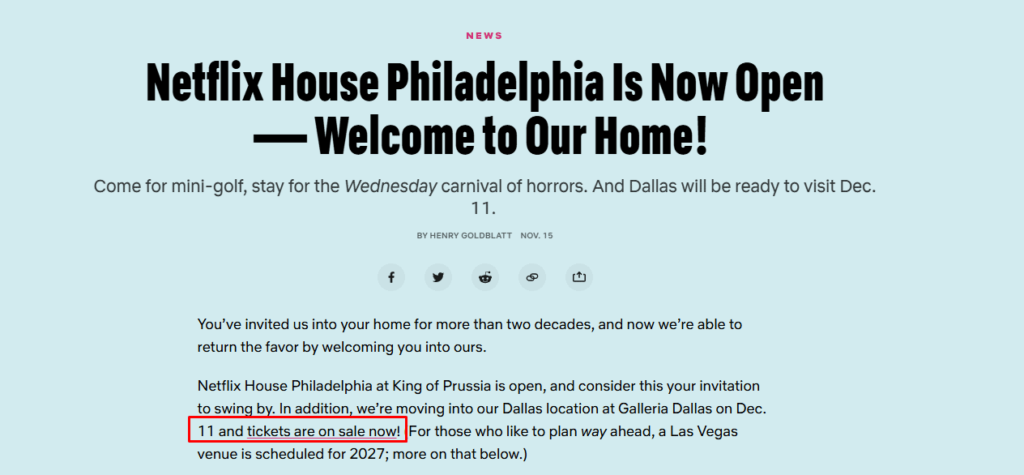
By including the specific launch time in article titles—such as “Tickets on sale Friday at 10 am EST”—marketers can catch the traffic wave when thousands of fans start searching at once.
Simple, right?
The Research Phase
After the initial frenzy, buying slows to a trickle for two to eight weeks.
This “trough” makes up about 15% to 20% of sales. It represents a shift from impulse buying to research. During this phase, casual fans are:
- Comparing prices on secondary markets
- Checking seating views
- Waiting for their next paycheck
As a result, deep content like venue guides, parking tips, and seating reviews works best here. Buyers are looking for value and reassurance rather than speed.
The Last-Minute Surge
As the event gets closer, a final wave happens in the last seven days.
Timing is everything.
This drives another 15% to 20% of total sales. This group includes procrastinators and budget buyers waiting for prices to drop.
Content strategies should shift back to urgency. Focus on keywords like “cheap tickets” or “weekend availability.”
This is the best time to promote last-minute ticket sites that offer same-day purchases and instant delivery.
Seasonal and Weekly Patterns
Beyond event timelines, you must also look at seasonal trends and weekly habits. Annual peaks vary by category:
- Concerts: Dominate the summer (May–August)
- Sports: Follow their specific league calendars
- Theater: Sees high demand during the holiday season and spring
Content for these topics should be created two to three months early to build search authority before the season peaks.
On a weekly basis, sales are highest on Tuesdays and Thursdays, which lines up with industry release schedules. Release main content early in the week to capture buyers. Save social media efforts for Thursday and Friday, when fans are planning their weekends.
Key insight: The ticket-buying journey has three distinct waves. Your content strategy must flex with each one—urgency for presales, depth during research, and scarcity for last-minute. Miss any wave, and you’re leaving money on the table.
How Much Can You Realistically Earn from Ticket Affiliate Programs?
Realistic earnings for ticket affiliates generally fall into three tiers based on experience and traffic:
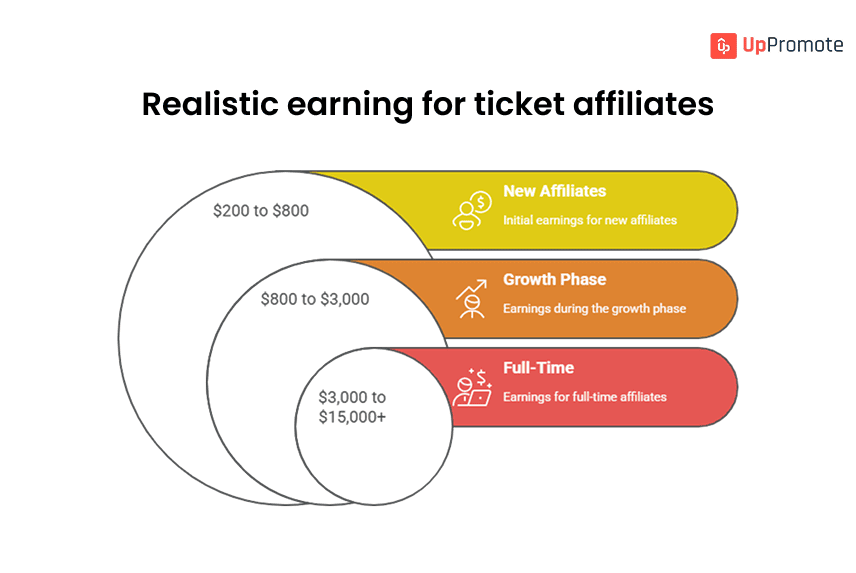
- New Affiliates (Months 1–6): $200 to $800 monthly
- Growth Phase (Months 6–18): $800 to $3,000 monthly
- Full-Time/High-Volume: $3,000 to $15,000+ monthly
But can you really make a living from this?
Here’s what the numbers show.
The Beginner Phase (Months 1–6)
During the first six months, new affiliates generally earn between $200 and $800 per month. This is the time to build your content library and establish authority.
With an average commission of 5% on a $150 ticket (earning about $7.50 per sale), this income represents roughly 27 to 107 ticket sales per month.
Earnings are low during this period because search engines find new content slowly, and audiences do not trust the brand yet.
Your main goal shouldn’t be making money right away.
Instead, focus on publishing 30 to 50 high-quality articles to build authority. Use this time to analyze data and see which content drives sales.
The Growth Phase (Months 6–18)
As content ages and rankings improve, affiliates enter a growth phase.
Earnings rise to between $800 and $3,000 monthly.
This usually matches 10,000 to 50,000 monthly visitors generating 107 to 400 total sales.
Hitting these numbers typically requires:
- A library of 50 to 100 published articles
- A growing email list of 2,000 to 5,000 subscribers
Revenue streams begin to expand during this stage.
Older “evergreen” content provides a steady baseline of sales, while new tour announcements create traffic spikes. Successful affiliates here usually see a conversion rate of 2% to 4%.
Lessons from the Field:
We worked with a local concert blog launched in early 2022 that covers live music in Austin. During their first six months, they earned just $340 total,about $57 per month.
The founder was ready to quit.
But here’s what changed: instead of covering every genre, she focused exclusively on indie and folk venues around Austin.
By month 18, she’d published 75 venue-specific guides and built an email list of 8,400 subscribers.
Her monthly average hit $2,800.
The Established Phase (18+ Months)
Mature businesses with 50,000 to 200,000 monthly visitors can generate between $3,000 and $15,000 per month.
Breaking the $3,000 monthly mark feels like a turning point. You’re no longer hoping for sales—you’re expecting them.
Reaching this tier requires over 100 articles and a strong email list of 10,000 to 30,000 subscribers.
At this level, revenue often expands to include display ads, sponsored posts, and newsletter sponsorships.
However, high volume brings big swings.
A concert site might earn $12,000 to $18,000 during the summer peak, but drop to $4,000 to $6,000 in winter.
Financial planning is key; annual averages are much more reliable than monthly totals.
Characteristics of Top Performers
Affiliates who consistently earn above $15,000 per month share several habits:
| Characteristic | Details | Real-World Example |
| Niche Dominance | Laser-focused on specific genres | BrooklynVegan (Indie music blog) |
| Large Audiences | High traffic or subscriber counts | Nena Shelby (90k+ YouTube subs) |
| Partnerships | Exclusive deals with major brands | SBNation (Sports fan network) |
| Longevity | Established trust over many years | Songkick (Founded 2007) |
- Niche Dominance: They almost always focus on a specific sport or music genre rather than trying to cover everything.
- Large Audiences: They use audiences of 100,000+ monthly visitors or 30,000+ email subscribers across multiple platforms (Web, YouTube, Instagram).
- Partnerships: They often secure key partnerships with venues or promoters for exclusive access.
- Longevity: They have usually been operating for over three years, benefiting from a massive content library.
Managing Seasonal Income Fluctuations
It is vital to understand that ticket income is rarely flat. It follows the seasonal patterns of the events:
- Concerts: 60% to 70% of revenue comes during the April-to-September touring season.
- Sports: Income mirrors league schedules (e.g., NFL sites make 80% of revenue between September and February).
- Theater: Earnings peak during the holidays.
- Festivals: Income is concentrated in spring and fall.
Smart affiliates reduce this risk by saving extra money from peak months to cover costs during slower periods.
The Mathematics of Conversion
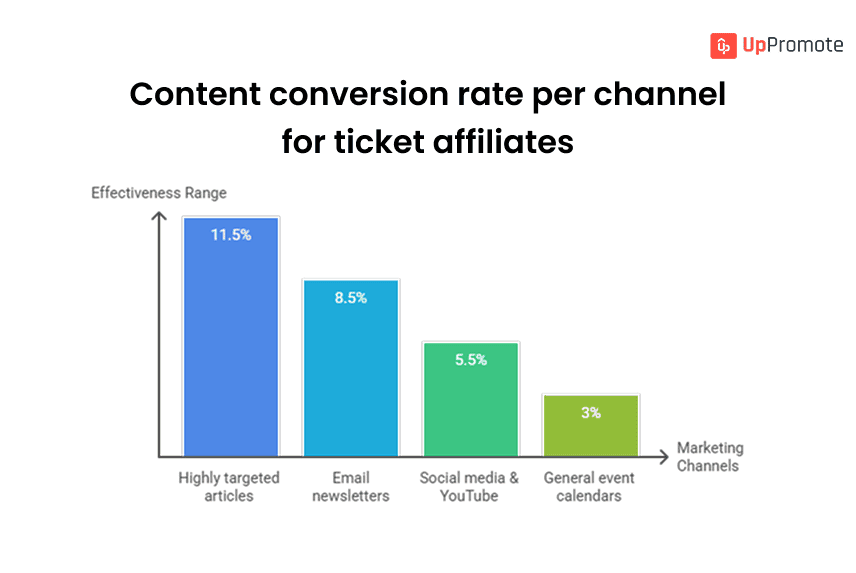
To set realistic goals, you must understand standard conversion rates across different channels:
- Highly targeted articles: 8% to 15%
- Email newsletters: 5% to 12%
- Social media & YouTube: 3% to 8%
- General event calendars: 2% to 4%
Combine this with average commissions ($5 to $15 for regular events and $30 to $80 for premium).
The math shows you need 100 to 500 monthly sales to maintain an income of $1,000 to $3,000. Achieving this requires attracting 2,000 to 15,000 targeted visitors every month.
My take: Most beginners focus on hitting $1,000/month and quit when they realize that it will take six months.
But the math is simple: publish 50 articles, build 2,000 email subscribers, and convert 2-4% of your traffic. Do that, and $3,000/month becomes inevitable.
Start looking at the number and not the timeline. It will give you the motivation you need to get there.
Who Succeeds Most in Ticket Affiliate Marketing?
The affiliate landscape for ticket sales is dominated by five distinct creator profiles: local event bloggers, dedicated sports fan sites, music genre specialists, venue experience guides, and entertainment YouTubers.
While earnings vary based on traffic and engagement, successful creators typically see the following returns:
- Local Bloggers: $800 to $3,000 monthly
- Sports Fan Communities: $1,200 to $5,000 monthly
- Niche Music Specialists: $600 to $2,500 monthly
- Venue Review Sites: $400 to $1,800 monthly
- Entertainment YouTubers: $1,500 to $8,000 monthly
At the top end, established YouTubers with large subscriber bases generate this income through a mix of high commissions and ad revenue.
Local Event Bloggers
Publishers who focus on local entertainment—such as “NYC Tonight” or “Austin Event Guide”—are among the most consistent earners. They typically make $800 to $3,000 monthly.
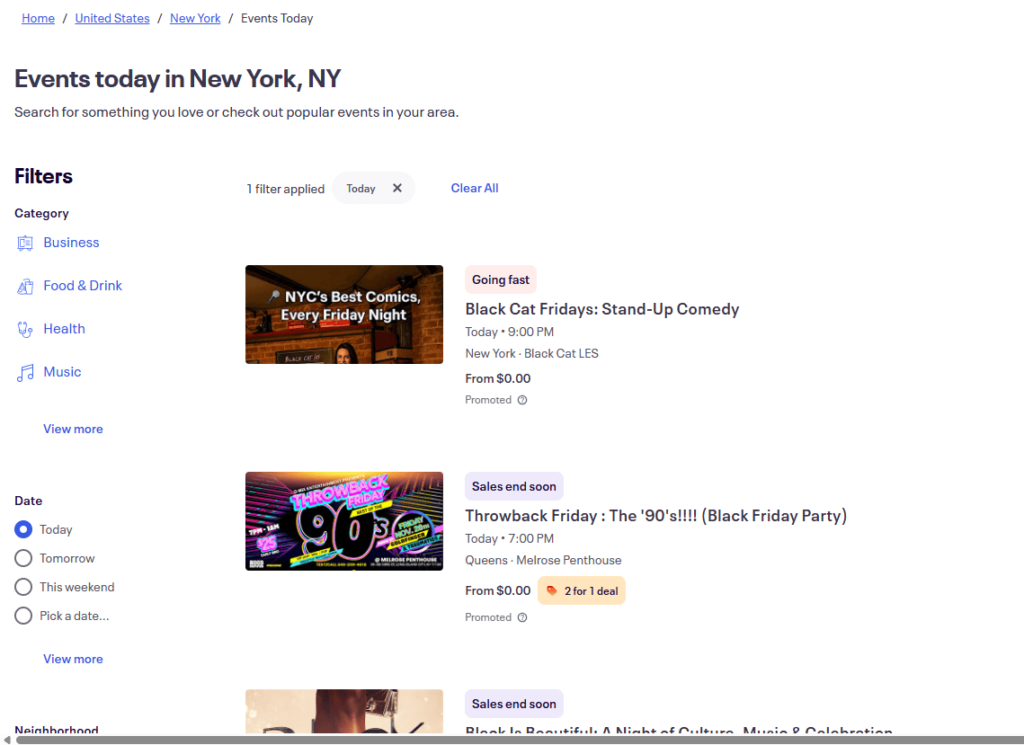
These affiliates succeed by becoming the go-to source for their city. They create detailed calendars and guides that catch high-volume searches like “events this weekend.”
To keep this going, successful local bloggers usually post three to five new articles weekly. They also build email lists of 2,000 to 10,000 residents.
Their conversion rates get a boost from partnering with local venues to offer early access info. This keeps their audience returning week after week.
Sports Team Fan Sites
Dedicated fan sites that cover specific NFL, NBA, MLB, or college teams often make the most money from engaged fans.
They earn $1,200 to $5,000 monthly. These audiences are already committed fans with a strong plan to attend games.
Because of this, affiliate links placed in game previews and matchup breakdowns convert naturally.
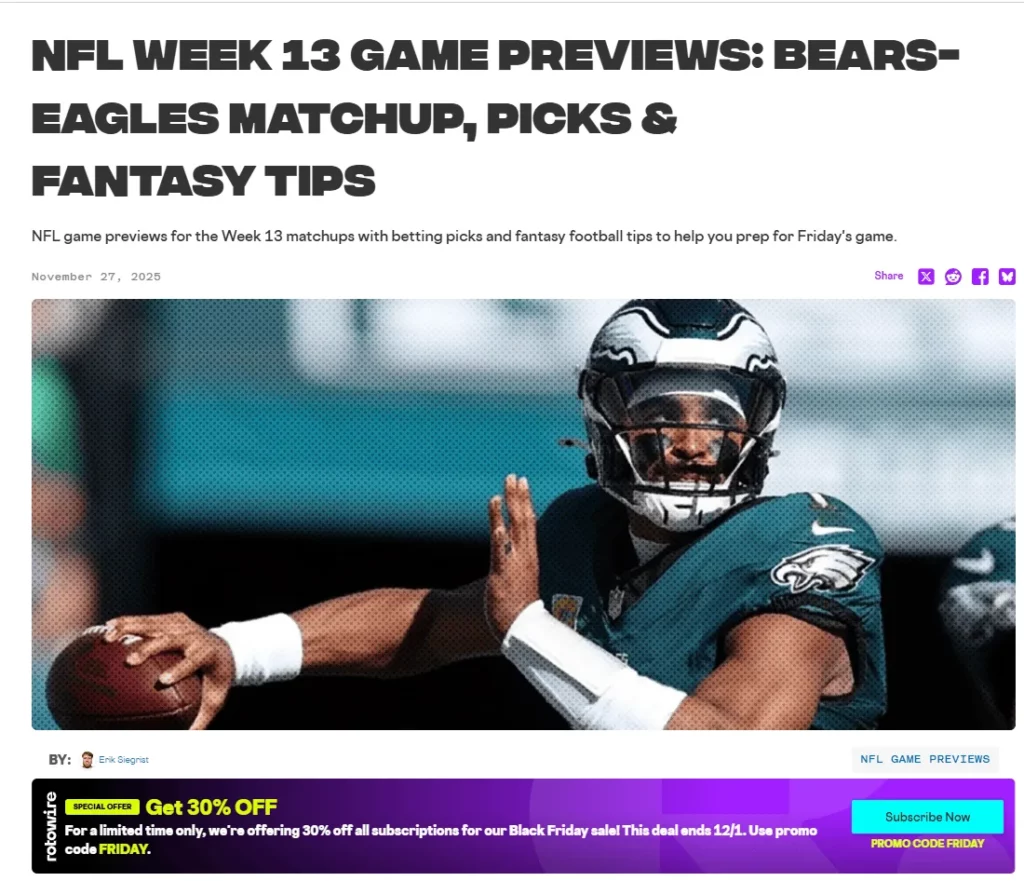
The best strategy involves publishing detailed previews five to seven days before a match. It also helps to offer venue-specific seating guides.
These sites build forums where fans discuss travel plans. This creates a loyal audience that completely trusts their recommendations.
Music Genre Specialists
Blogs that focus on specific genres—like country, heavy metal, EDM, or indie rock—earn $600 to $2,500 monthly.
They do this by going deep rather than broad. These specialists earn trust by covering tour news, album reviews, and artist interviews that general news sites often miss.
Success here depends on email marketing. Top affiliates build lists of over 5,000 subscribers grouped by sub-genre.
During busy touring seasons, they post two to three tour updates weekly. This positions their affiliate links as the easy next step for fans excited about a new show.
Venue Experience Sites
Websites focused on the details of attending events generate steady, passive income. This usually ranges from $400 to $1,800 monthly.
These sites provide reviews, seating charts, parking guides, and “view from seat” photos. Unlike news sites that need constant updates, these platforms rely on content that stays relevant.
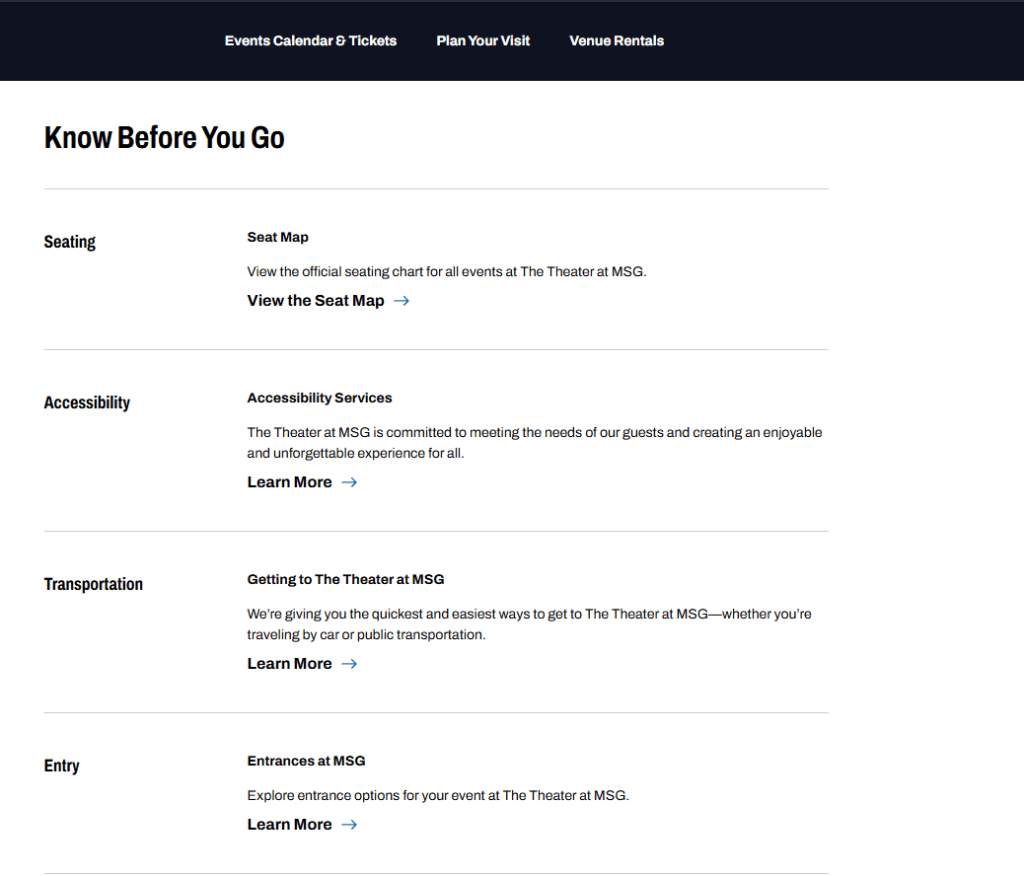
They rank well for specific searches like “Madison Square Garden seating chart.”
To succeed, affiliates must create detailed guides of 1,500 words or more. These guides should answer every question a buyer might have. While the content stays relevant, it requires updates.
Changing guides right after a venue renovates or changes its bag policy is key for search rankings.
Entertainment YouTubers
Video creators covering concerts, sports, and venue tours have found a profitable niche. They earn $1,500 to $8,000 monthly.
YouTube works great for ticket marketing because it reaches visual searchers. These viewers want to see exactly what the experience looks like before they buy.

Successful channels often post weekly previews or “seat view” vlogs from different sections of a stadium.
They also collaborate with other creators to build subscriber bases of over 50,000. This builds enough trust to let them effectively recommend specific ticket platforms.
Why These Profiles Work
Across all these successful profiles, several common factors drive profit:
- Focused Niches: They all operate within specific niches rather than trying to cover general entertainment. This reduces competition.
- Engaged Audiences: They focus on building real communities—through email lists or forums—instead of just relying on one-time search traffic.
- Utility & Value: They post consistently and focus on helpfulness. Rather than just pushing links, they provide real value that helps users make better decisions, whether that means finding the best parking spot, the right seat, or the best local event for the weekend.
Learning from Mistakes:
Here’s what our data shows: many new affiliates try to cover every sport or music genre equally during their first year.
Their content gets spread so thin—NFL, NBA, MLB, NHL, MLS—that they rank for nothing.
It’s a frustrating six months watching traffic flatline at 3,000 monthly visitors.
That costly detour taught us what now seems obvious: dominate one niche completely before expanding.
After focusing exclusively on one sport or genre, traffic typically triples within four months.
Bottom line: The creators who succeed don’t chase every opportunity.
They own one specific niche completely, build genuine community around it, and provide so much value that affiliate links feel like helpful recommendations—not ads.
What Other Monetization Strategies Pair Well with Ticket Affiliates?
To make the most money and stay stable, successful ticket affiliates rarely rely on ticket commissions alone. Instead, they add other income sources that fit the same audience.
The five most effective strategies to pair with ticket sales are:
- Display advertising
- Hotel and travel booking partnerships
- Sponsored content
- Email newsletter sponsorships
- Merchandise affiliate programs
When done right, these channels can create thousands of dollars in extra monthly revenue. This transforms a simple affiliate site into a diversified media business.
Display Advertising
Using display ads through premium networks like Mediavine or AdThrive is often the most impactful addition to a ticket affiliate site.
z15
While affiliate links only make money when a user buys something—often just 5% to 10% of visitors—display ads monetize 100% of the traffic.
For a site with 50,000 to 100,000 monthly visitors, this can add a steady income of $500 to $2,500 per month.
These networks typically pay between $15 and $50 per 1,000 page views. This provides crucial stability during off-peak seasons when ticket sales drop.
It allows publishers to focus on traffic growth knowing that every visitor helps the bottom line.
Travel and Accommodation Partnerships
For events that require travel—like multi-day music festivals, championship sports games, or major tours—using hotel booking affiliates is a highly profitable strategy.
By partnering with platforms like Booking.com, Expedia, or Hotels.com, affiliates can earn commissions when their audience books a stay.
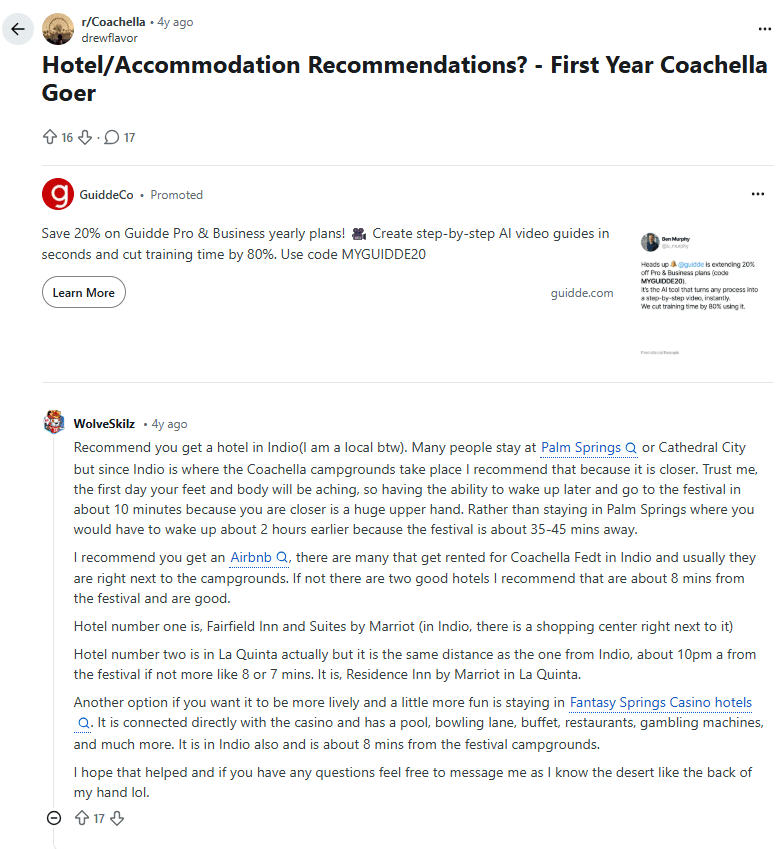
For example, a visitor buying a Coachella ticket likely needs a place to stay. If they book a $600 hotel room through your link, you can earn an extra $30 to $50.
This effectively doubles revenue per user without requiring additional traffic.
Content that combines ticket info with “Where to Stay” guides targets high-intent searches and captures this secondary value.
Sponsored Content and Direct Deals
As an affiliate site grows, it becomes an attractive advertising platform for venues, event promoters, and tourism boards.
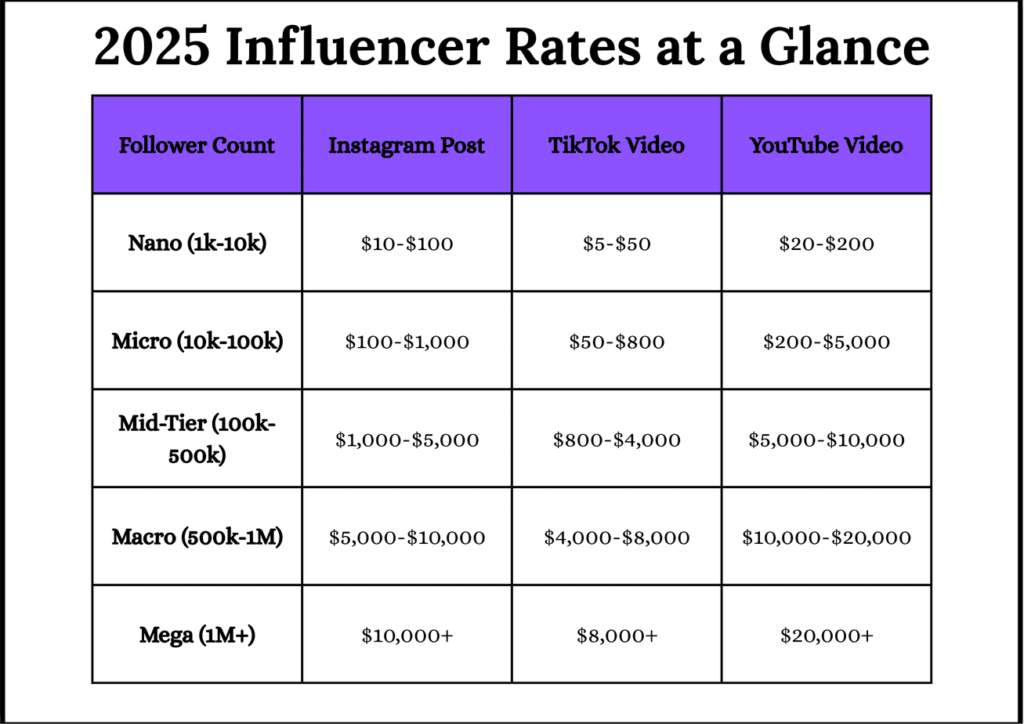
They are often willing to pay $500 to $3,000 for sponsored articles that promote specific seasons, festivals, or destinations.
For instance, a minor league baseball team might sponsor a “Summer at the Stadium” guide. Or, a local tourism board might pay for a feature on “Top Fall Concerts in Nashville.”
Unlike commission-based earnings, these sponsorships offer guaranteed flat-fee income. Once a site reaches about 20,000 monthly visitors, you should actively pitch these packages.
This secures revenue that doesn’t depend on ticket sales.
Email Newsletter Sponsorships
Building your own email list opens the door to newsletter sponsorships. This is a powerful revenue stream for established affiliates.
Once a list exceeds 10,000 subscribers, you can sell ad space within your weekly emails to ticketing platforms, hospitality brands, or event insurance providers.
These sponsors often pay $200 to $1,500 per send for access to a targeted audience. The beauty of this model is that it doesn’t compete with affiliate efforts.
A newsletter can contain both a paid sponsor message and your own affiliate links. This effectively monetizes the same email twice while providing a predictable monthly income.
Merchandise and Retail Affiliates
The Amazon Associates program and similar networks allow affiliates to capture extra revenue through merchandise sales.
You can link to items like artist t-shirts, sports team jerseys, or festival essentials (like portable chargers and clear backpacks).
While commissions are small (1% to 4%), the volume can be significant, potentially adding $150 to $800 monthly.
Fitting these links naturally into content—such as recommending a specific jersey in a game preview—adds value for the reader.
It also captures revenue from purchases they were likely to make anyway.
Platform Diversification and The Income Mix
Finally, a strong strategy involves using different platforms to protect against ups and downs. YouTube ad revenue, for example, pairs perfectly with ticket sales.

A video creator can earn money from views while placing affiliate links in the video description. The same principle applies to podcasts and social media feeds, which offer extra sponsorship avenues.
In practice, a mixed income creates a tougher business. A healthy entertainment site with 75,000 monthly visitors might generate $5,600 total monthly revenue, split between:
- Ticket commissions ($1,800)
- Display ads ($1,500)
- Hotel bookings ($400)
- Sponsored posts ($1,000)
- Other sources ($900)
This balance ensures that if one stream underperforms, the others sustain the business.
My take: Diversification isn’t just smart—it’s survival. When summer concert season ends and your ticket commissions drop 60%, display ads and hotel partnerships keep the lights on. Build multiple revenue streams from day one, not after your first slow month forces you to.
Conclusion
Affiliate marketing is a great way for event organizers to sell more tickets while giving affiliates the chance to earn extra income.
It’s a win-win strategy that helps you reach more potential attendees through trusted networks.
With UpPromote, managing your affiliate program becomes effortless. Our platform helps you handle everything, from recruiting affiliates and tracking sales to automating commissions.
Explore our pricing plans today and see how UpPromote can take your ticket sales to the next level!

Ellie Tran, a seasoned SEO content writer with three years of experience in the eCommerce world. Being a part of the UpPromote team, Ellie wants to assist Shopify merchants in achieving success through useful content & actionable insights. Ellie's commitment to learning never stops; she's always eager to gain more knowledge about SEO and content marketing to create valuable content for users. When she's not working on content, Ellie enjoys baking and exploring new places.