

Generating income in lifestyle affiliate marketing is easy for bloggers, as they can promote various products such as clothes, education, beauty, and more.
In this article, we’ve compiled the 17 top lifestyle affiliate programs featuring the most potential niches. Consider commission rates and cookie life to find your perfect start.
In the later section, we will also provide merchants with useful tactics to grow their lifestyle affiliate programs.
Quick Comparison
| Program Name | Commission (%) | Cookie Duration (Days) | Niche Suitable |
|---|---|---|---|
| Amazon Associates | 1–20% | 1 day (24 hours) | Lifestyle, home, beauty, general e-commerce |
| Lululemon | 5% | 30 days | Fitness, yoga, active lifestyle |
| Obagi | 40% | 30 days | Skincare, beauty, dermatology |
| Target | 8% | 30 days | Home decor, lifestyle, beauty, travel goods |
| Etsy | 4% | 30 days | Handmade products, art, jewelry |
| Skillshare | Up to 40% | 30 days | Education, creative skills, self-improvement |
| MasterClass | 25% | 30 days | Education, lifestyle improvement, personal growth |
| YesStyle | 2–15% (avg 10%) | 30 days | Asian beauty, fashion, lifestyle |
| Ulta Beauty | 2% | 30 days | Cosmetics, skincare, beauty |
| Nordstrom Rack | 3.2% | 7 days | Fashion, lifestyle, discount shopping |
Affiliate Earnings Calculator
Estimate your affiliate income based on Traffic, CTR, AOV, and Commission rate. Drag the sliders below to explore different scenarios.
Estimated Results
These figures are for illustrative purposes – feel free to adjust them to fit your specific niche.
- Conversion Rate here is defined as the percentage of traffic that buys.
- Does not account for refunds, cancellations, or varying commission rates by product.
17 Best Lifestyle Affiliate Marketing Programs & Networks
1. Amazon
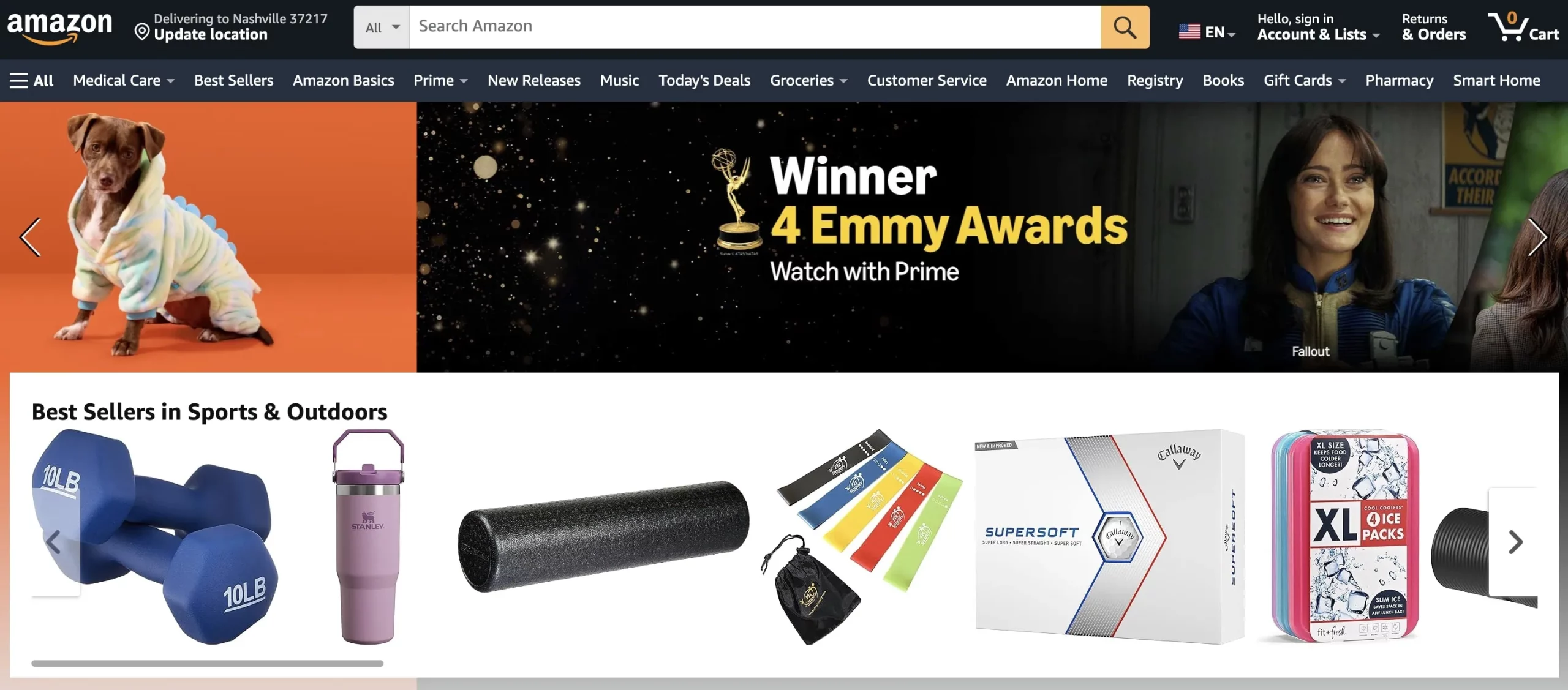
Amazon is among the largest online e-commerce retailers in the world. They offer a wide selection of products for lifestyle affiliates to promote, including furniture, books, beauty products, sports, and more.
Their affiliate program is called Amazon Associates, which allows affiliates to earn up to 20% commission on each successful order. The commission rate depends on the type of products:
The cookie duration is noticeably short, lasting only 24 hours for affiliates to earn a credited commission. Amazon pays affiliates through their Amazon Gift Certificate and bank transfer, with a payment threshold of $100. Otherwise, for paying via cheque, the minimum balance is $10.
Amazon provides various tools and features for affiliate marketing, including banners and links. They also customize unique ads for affiliates to use in their promotions if needed.
|
2. Lululemon
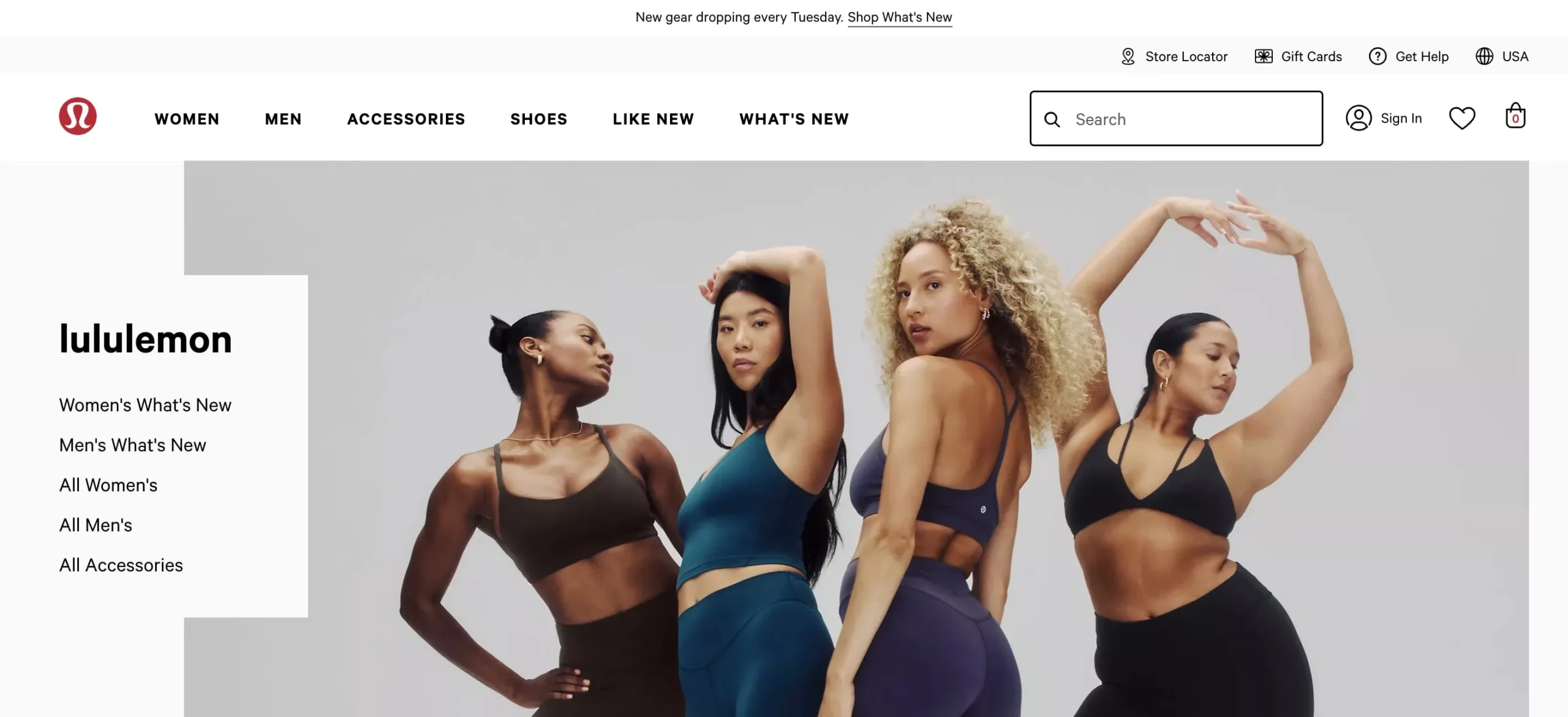
Lululemon is a top provider of women’s non-sweating gear, making it perfect for promoting an active lifestyle on your blogs. They specialize in yoga, running, and training products, helping people enjoy their workouts without worrying about sweating.
Affiliates can join the Lululemon affiliate program via Awin. Lululemon offers a commission rate of 5% for their partners. Their average order value is over $100, which means you can earn $5 for each sale.
The cookie remains active for 30 days, meaning your approved commission is counted within 1 month from the customer’s first click.
|
3. Obagi
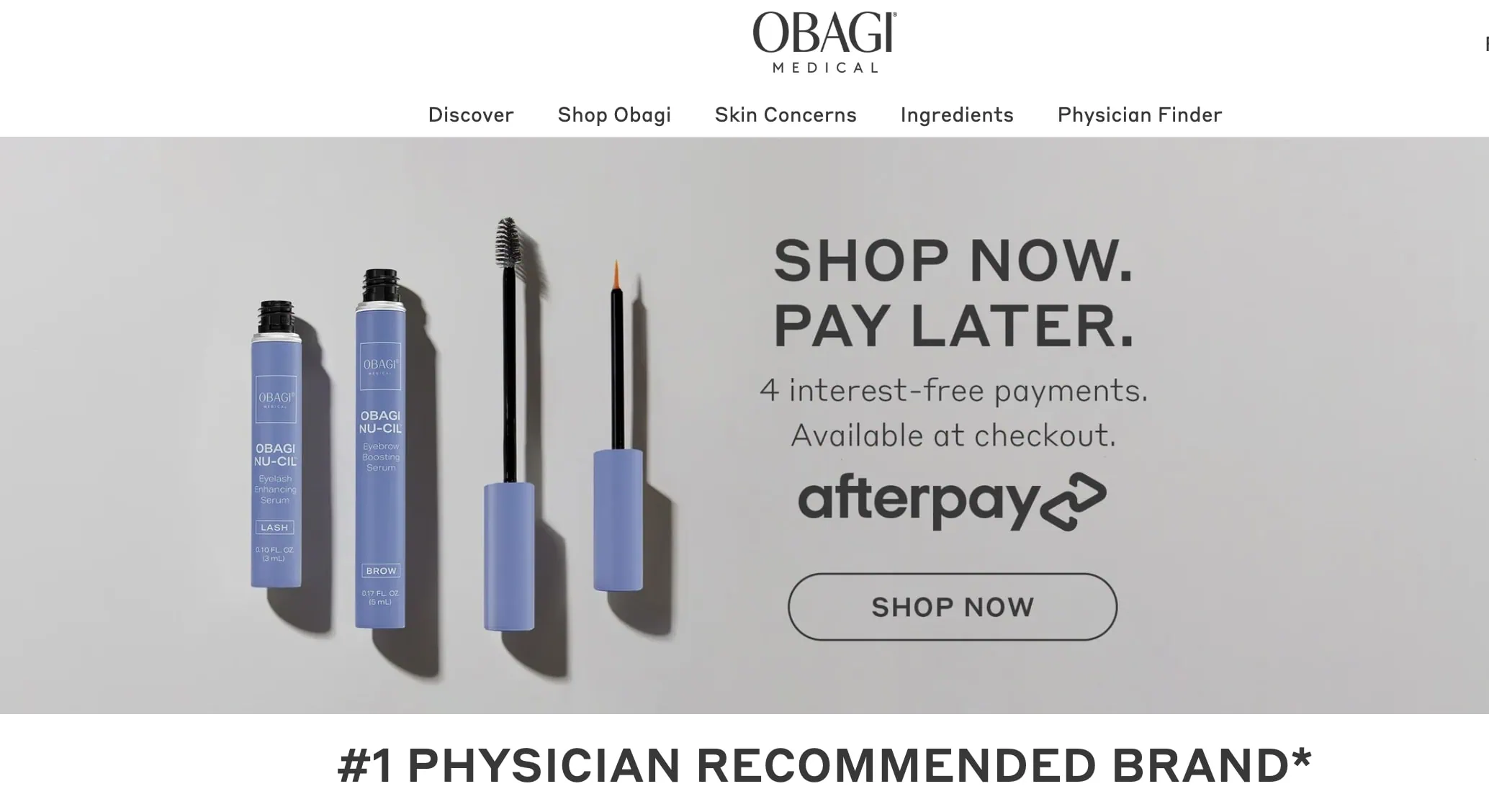
Most dermatologists recommend Obagi as a top skincare brand for their science-backed formulas. Their reputation for high-quality skincare products will add credibility to your lifestyle content.
Managed through UpPromote, Obagi pays up to 40% commission for every sale through affiliate links. The cookie duration lasts for 30 days for the commission to be counted. Obagi pays via PayPal on a net 45 basis, so a PayPal account is required for you to receive earnings.
Affiliates can choose their suitable promotional tools on the marketing dashboard. Banners and logos are all available to put on your promoting site.
|
4. Target
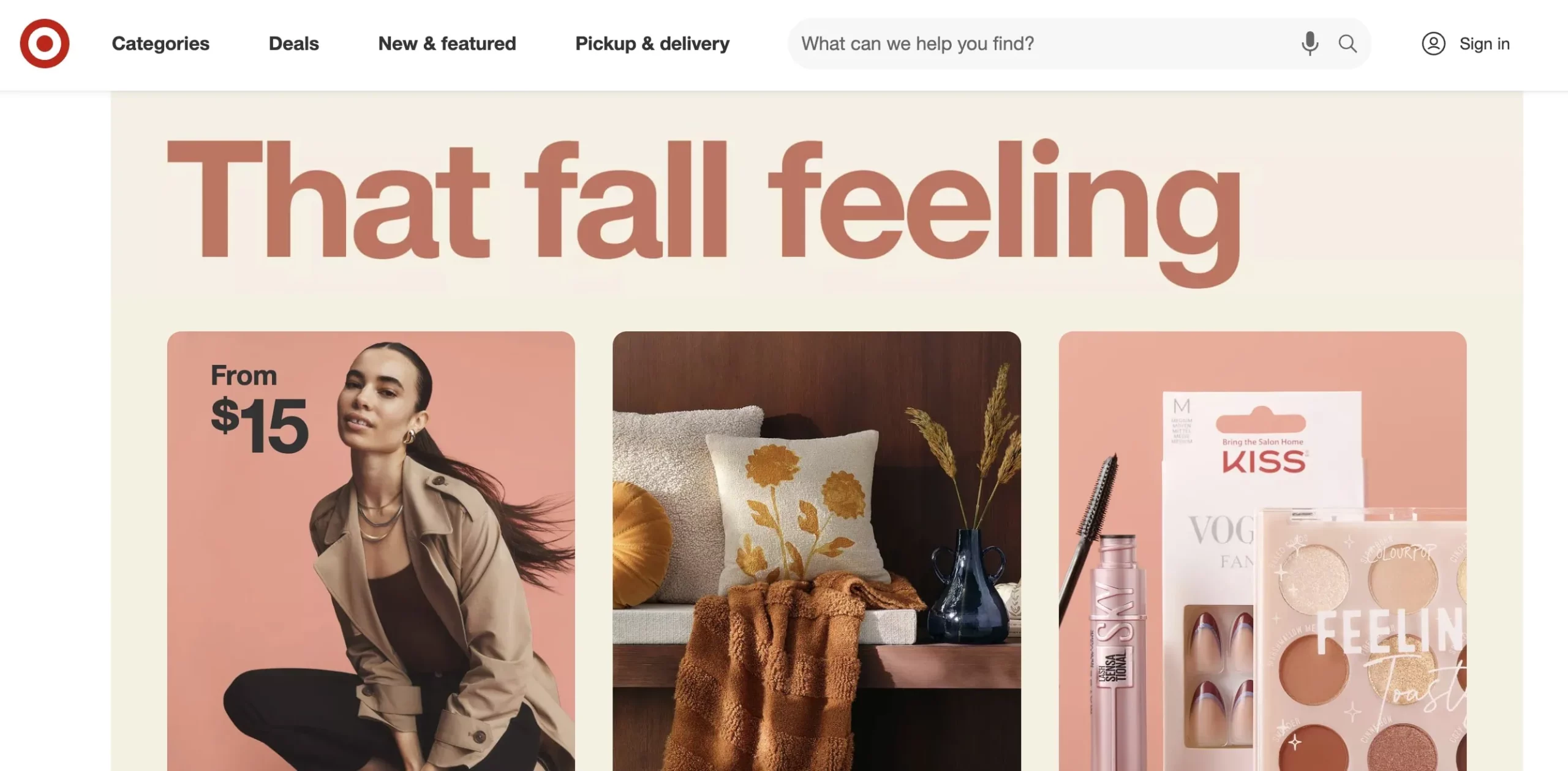
Target ranks in the top 10 trustworthy online retailer in the US, with nearly 2,000 shops across the country. As a lifestyle blogger, you can select products from the diverse categories at Target to promote, such as home decor, beauty, and luggage items.
The Target affiliate program is managed by Impact Radius, a trusted affiliate network. The commission rate for each sale at Target is 8% of the revenue share. The tracking period for credited earnings is 30 days from the first click of the customer.
When successfully signing up for the program, affiliates will get free access to banners and links. Target also has various creative widgets for their partners to choose from.
|
5. Etsy
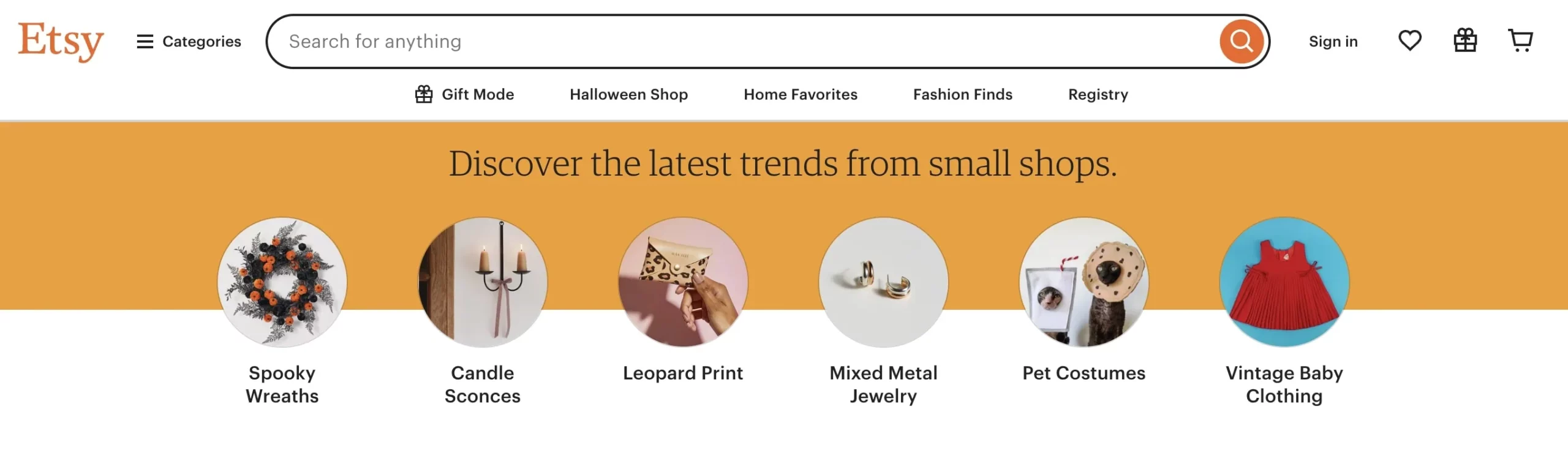
Etsy is where to find the largest collections of unique and hand-crafted items. With their wide range collection of jewelry, bags, and more, lifestyle bloggers can recommend Etsy to their target users.
You can apply for the Etsy affiliate program by signing up at Awin. The commission rate for affiliates at Etsy is 4% of each order. The cookie duration is 30 days for affiliates to earn a credited referral.
As an Etsy partner, you can access their full range of banners and links for affiliate marketing. They will also send newsletters regularly to notify you about new promotions and campaigns.
|
6. Skillshare

Skillshare is an online learning community offering suitable creative courses to advertise in your lifestyle content. To date, they have supported over 60,000 student projects, including graphic design, animation, and more.
Skillshare runs their affiliate program through Impact. Skillshare offers up to a 40% commission rate for their partners. The cookie is tracked within 30 days from the first click of customers.
Skillshare will share special promotions monthly with their affiliates. You can use these as an attractive benefit for your audiences.
|
7. MasterClass

At the start of a $10 monthly subscription, users can learn any professional course at MasterClass to enhance their lifestyle. You can feature nutrition, sports training, or mental health courses when promoting a healthier lifestyle on your blog.
Powered by Impact, the MasterClass affiliate program provides a 25% commission rate for publishers. Cookie tracking lasts for 30 days for affiliates to earn an approved referral through their unique link.
MasterClass supports their affiliates with coupons and discounts to attract more customers. They will also create unique links for each partner to use in their promotions.
|
8. YesStyle
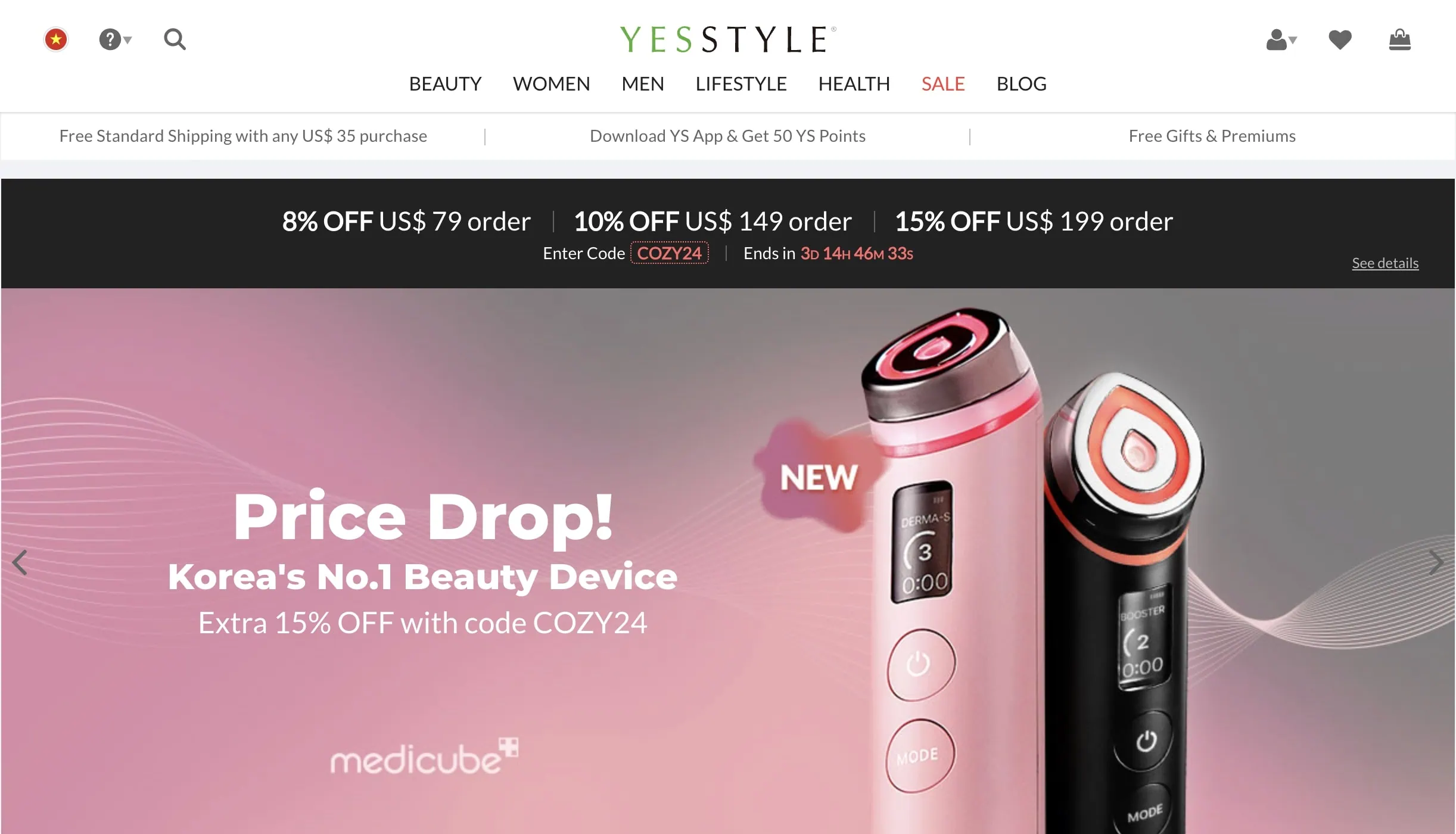
YesStyle is among the fastest-growing beauty and lifestyle retailers of Asian cosmetics. You can explore their lifestyle categories and promote the latest lifestyle trends in travel, art, or entertainment.
YesStyle has partnered with multiple affiliate networks, such as Awin and ShareASale. After joining their affiliate program, you can earn up to 15% commission on every successful sale within a 30-day cookie duration. However, the commission structure is varied, depending on the types of affiliate:
- 15% for KOL (invitation-only)
- 10% for Social Influencers, review sites, blogs, and content sites
- 5% for sub-affiliate networks
- 2% for cashback/coupon sites
Affiliates can access YesStyle’s up-to-date product feed and choose the best deals to promote. YesStyle also informs their partners about new creatives via weekly affiliate newsletters.
|
9. Ulta Beauty
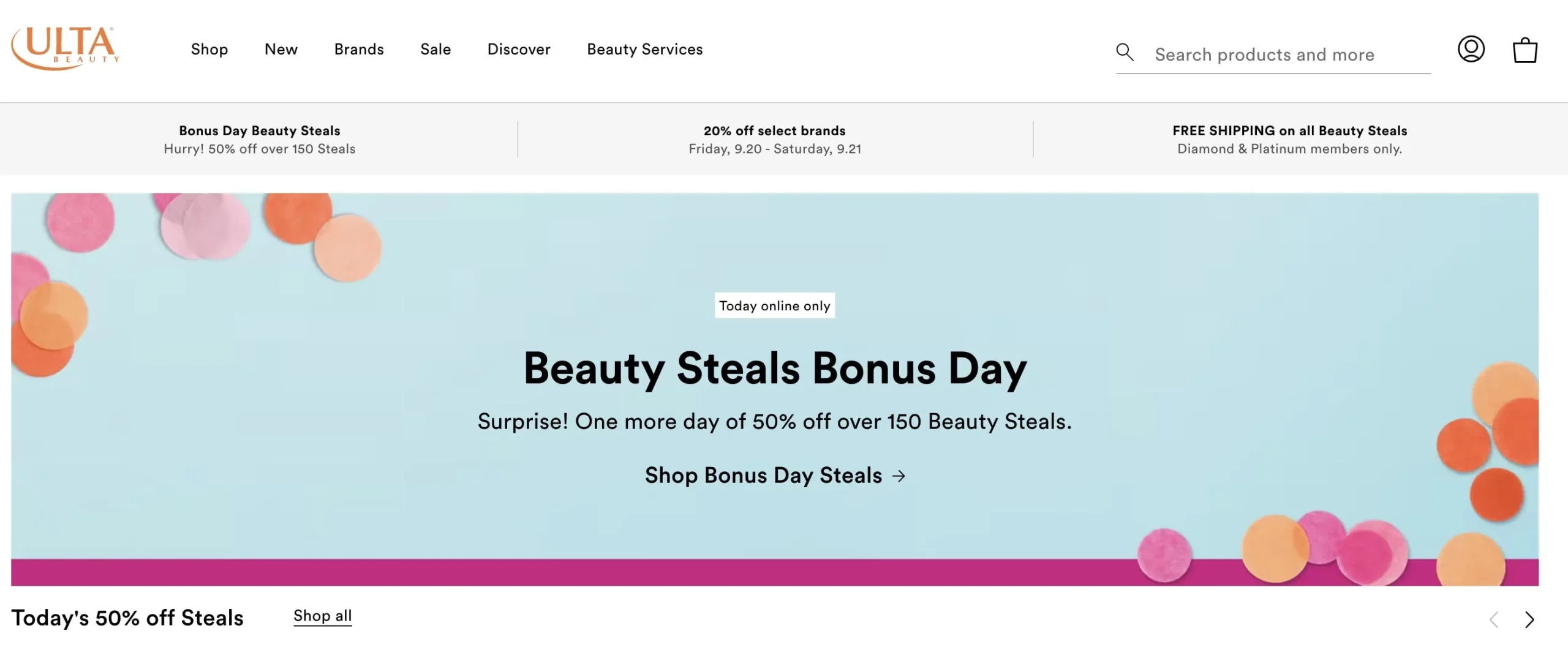
Ulta Beauty carries both high-end and low-cost cosmetics products in their retail stores. You can pick suitable items from Ulta Beauty’s extensive collection to match your lifestyle content.
Affiliates can only sign up for the Ulta Beauty affiliate program through Impact. Ulta Beauty pays their affiliates a 2% commission rate for orders through their unique referral link.
The tracking period for affiliates’ credited commission is 30 days, which starts counting from the first click of the customers.
|
10. Nordstrom Rack
Nordstrom Rack caters to shoppers looking for popular lifestyle brands and the latest trends at unbeatable prices. Lifestyle bloggers can showcase Nordstrom Rack on their blogs, highlighting the 30-70% discounts available on trendy items.
By joining the Nordstrom Rack affiliate program, affiliates can earn a 3.2% commission rate for each sale from their unique affiliate link.
The cookie duration lasts for only 7 days, meaning your commission is tracked within a week from the first click or every audience.
|
11. HelloFresh
- Commission rate: $20
- Cookie duration: 14 days
HelloFresh elevates customers’ lifestyles with their popular 5-star meal kit in the USA, Canada, and European countries. They change the meal routine by providing over 100 weekly menu and market items.
12. Calvin Klein
- Commission rate: 10%
- Cookie duration: 30 days
Calvin Klein was the first brand to design modern and sophisticated jeans for both men and women. The brand offers the top choices in clothes, accessories, and even home decor items.
13. New Balance
- Commission rate: 7%
- Cookie duration: 30 days
New Balance sneakers are designed to enhance users’ lifestyles. With cushioned insoles and plush midsoles, these shoes deliver a comfortable wearing experience.
14. Casio
- Commission rate: 10%
- Cookie duration: 30 days
Casio is best known for their innovative and integrated advanced features in watches. Its products also include calculators, mobile phones, digital cameras, and more.
15. Realher
- Commission rate: 25%
- Payment methods: PayPal
Realher creates their makeup collections with the ambition of empowering beauty. Each of their luxury products is crafted with inspiring shade names and formulas.
16. ShareASale
- Commission rate: 4-50%
- Payment methods: Check, direct deposit, wire transfer, Payoneer
If you’re looking for a lifestyle affiliate program, ShareASale offers a range of high-potential options for you. Over 260 affiliates join ShareASale every day to earn money from affiliate marketing.
17. Commission Junction (CJ Affiliate)
- Commission rate: 3-50%
- Payment methods: Direct deposit, Payoneer, check
Commission Junction has worked with various lifestyle brands, such as Barnes&Noble and Hello Fresh, as their affiliate network. Joining CJ Affiliate will give you the opportunity to maximize your earnings.
What Should You Look for When Choosing Lifestyle Affiliate Programs? (6 Essential Evaluation Criteria)
1. Commission Structure: Percentage vs. Flat Rate (And What’s Actually Better)
Don’t get seduced by a high percentage number without doing the math. A 20% commission sounds incredible, but 20% of a $15 phone case is only $3.
To choose the right structure, look at the actual dollar value you earn per sale compared to the effort it takes to sell it.
The percentage-based commission works best for luxury items like designer furniture or electronics. If you sell a $1,500 sofa with a “low” 8% commission, you still earn $120 from a single sale.
The flat rate is often better for subscription boxes or beauty apps. A beauty box might only cost the user $20/month, but the program might pay you a $15 flat fee for the signup because they know that the customer will stay for a long time.
Many beginners flock to cheap marketplaces offering 50% commissions on low-quality $10 gadgets.
You might make sales, but you would need to sell 100 units to make the same $500 you could earn selling just 5 units of a higher-quality item.
Bottom Line: Always calculate your estimated Earnings Per Sale before signing up.
2. Cookie Duration: Why Longer Windows Mean More Passive Income
Cookie duration is the “grace period” between a click and a sale. It is often the biggest factor in how much passive income you actually collect.
In the lifestyle niche, purchases are rarely impulsive. A reader sees your post about a “Minimalist Capsule Wardrobe,” clicks your link to browse a $200 trench coat, but decides to sleep on it.
Scenario A (24-Hour Cookie): The reader closes the tab. Three days later, they remember the coat, go directly to the brand’s site, and buy it. You earn $0.
Scenario B (30-Day Cookie): The reader returns three weeks later to buy the coat. Because the cookie is still active on their device, the system recognizes you as the referrer. You earn the full commission.
For high-ticket items like furniture or designer fashion, people take time to decide. If a program offers a 1-day cookie for a $2,000 sofa, they are essentially asking you to work for free.
You should choose programs with 30-, 60-, or 90-day windows to earn credit for the traffic you drive.
3. Product Quality and Brand Reputation: Protecting Your Credibility
Your audience’s trust is your most valuable asset. Spend it wisely.
As legendary investor Warren Buffett famously said, “It takes 20 years to build a reputation and five minutes to ruin it.”
If you recommend a skincare brand that causes breakouts or a clothing line that falls apart after one wash, your readers won’t just return the product—they will stop reading your blog.
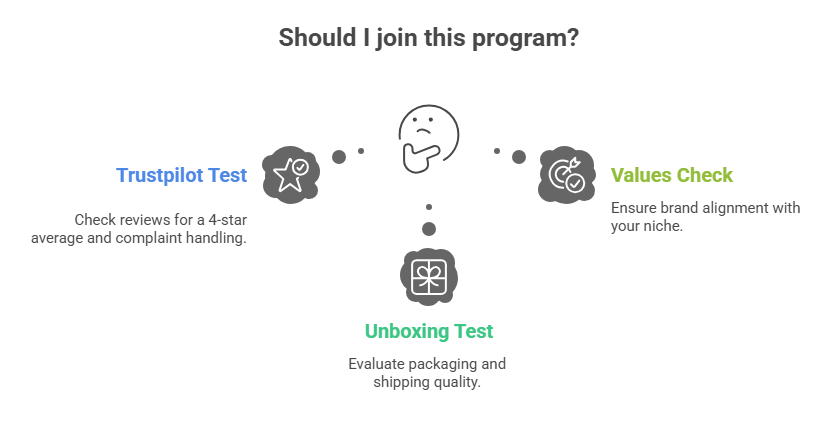
Before joining a program, you can run it through this 3-step test:
✅ The “Trustpilot Test”: Check independent review sites like Trustpilot or the Better Business Bureau. Look for a 4-star average or higher. Pay attention to how the brand handles complaints—do they fix the issue or ignore it?
✅The Unboxing Test: If possible, buy the product yourself. Does the packaging feel premium? Is the shipping fast? If you wouldn’t gift it to your best friend, don’t sell it to your audience.
✅ The Values Check: Does the brand match your niche? If you run a “Sustainable Living” blog, promoting a “Fast Fashion” brand is a huge mistake, regardless of the commission rate.
My Rule of Thumb: Never promote a product just for the money. Long-term authority pays much better than short-term cash grabs.
4. Audience Alignment: Does This Product Solve Your Readers’ Real Problems?
Relevance drives sales. You can find a high-paying program with a 90-day cookie, but if the product doesn’t fit your audience’s lifestyle, you won’t make a dime.
Think of it like this: Trying to sell a luxury steak subscription to a vegan recipe audience isn’t “marketing” – it’s an annoyance.
You can ask yourself these three questions to test for alignment:
- The “Inbound” Test: Have my readers actually asked about this? (e.g., “Where did you get that lamp?”)
- The “Integration” Test: Can I mention this naturally in a post, or do I have to force a dedicated review just to talk about it?
- The “Vouch” Test: Would I recommend this to my mother?
The Math of Alignment: A perfectly aligned product (like a reusable food storage set for a Zero Waste blog) can convert at 5-10%. A misaligned product (like fast fashion for that same blog) might convert at less than 1%. You would need 10x the traffic to make the same amount of money with the misaligned offer.
5. Support and Resources: What Marketing Assets Should Programs Provide?
Professional affiliate programs want you to succeed because they only make money when you do. Amateur programs leave you to figure it out on your own.
As you check out a program, look for a “Partner Dashboard” that includes more than just a tracking link.
The best lifestyle programs provide tools that save you hours of work:
High-Res Creative: Professional photos and banners that fit standard blog sizes. You shouldn’t have to scrape low-quality images from their website.
Swipe Copy: Pre-written emails or social media captions that highlight the main selling points.
A Real Human Contact: This is crucial. You need a dedicated manager who answers questions within 48 hours, not a generic support@ email that goes into a black hole.
Exclusive Codes: The ability to offer your readers a unique discount (e.g., SARAH20 for 20% off). This increases sales significantly compared to standard links.
6. Payment Reliability and Minimum Thresholds: Getting Your Money on Time
You are running a business, not a charity. A program’s payment terms determine whether you have cash flow next month or just an IOU.
There are two common traps you might encounter:
The “High Threshold” Trap: Some programs require you to earn $100 or even $500 in commissions before they cut a check. For a new affiliate, that money could be locked up for six months or more. Look for programs with a friendly $25-$50 minimum payout.
The “Net-60” Nightmare: Merchants pay you 60 days after the month the sale happened. If you make a sale in January, you might not see that money until April.
Background Check: Before going all-in on a new partner, do a quick search in affiliate marketing groups like AffiliateFix. Search “Does [Program Name] pay on time?” If you see a history of delayed payments, stay away—regardless of how good the commission looks.
Or you can join the UpPromote Marketplace, where every program always comes with its payout rate. You’ll know whether this merchant is likely to pay you or not.
What Content Formats Generate the Most Lifestyle Affiliate Sales?
Not all content is created equal. A beautiful inspirational post might get 1,000 likes but $0 in sales. A tactical “Best Of” list might get 50 views but generate $500 in commissions.
To make money, you need to create assets that move people from “browsing” to “buying.”
Here are the specific formats that drive revenue in the lifestyle niche.
Top-Converting Written Content Formats for Lifestyle Affiliates
Written content is the backbone of affiliate marketing because it captures search traffic.
When someone types “best organic face serum” into Google, they are looking for a shopping list. Give it to them.
Three specific formats dominate the earnings charts:
| Content Strategy Type | Why It Works | Key Execution Tactics & Details |
| The “Best X for Y” Roundup | Save the reader significant research time. | – Aim for 7–15 items (fewer feels incomplete; more feels overwhelming)
– Use “Superlatives” to categorize each item instead of just listing them (e.g., “Best Budget Pick,” “Best for Dry Skin”) |
| The Seasonal Gift Guide | Leverage urgency, particularly during Q4 (Oct–Dec) when conversion rates skyrocket. | Target specific personas rather than generic audiences. (e.g., “20 Wellness Gifts for the Anxious Introvert” performs better than generic “Gifts for Women”) |
| The “How-To” with Product Integration | Rely on “contextual selling.” | Position affiliate links not as ads, but as the necessary tools required to finish the tutorial (e.g., links to a white tee within a “How to Build a Capsule Wardrobe” guide) |
Video Content That Drives Lifestyle Affiliate Clicks
Video builds trust faster than text. Seeing a product in action removes the fear of buying online.
For lifestyle creators, these three video formats drive the highest Click-Through Rates (CTR):
👉The “Unboxing & First Impressions” (YouTube):
Do not script this perfectly.
If you struggle to open the package or comment on a weird smell, keep it in. That “rawness” proves you actually hold the product, unlike generic channels using stock footage.
The ideal length is 3-8 minutes. Long enough to show detail, short enough to hold attention.
👉The “Get Ready With Me” (GRWM) Routine (TikTok/Reels):
Don’t stop to “sell.” Just use the products naturally while telling a story.
It’s better to mention the product benefit in the first 3 seconds. “Here is the only setting spray that survived my 12-hour shift…”
👉 The “Before & After” Transformation:
Whether it’s a messy pantry organized with specific bins or dull skin glowing after a serum, visual proof creates tension that only the product link can resolve.
Social Media Posts That Convert (Instagram, Pinterest, TikTok Strategies)
Social media is often a “discovery” engine, not a “search” engine. You have to interrupt the scroll.
Here is how to adapt your strategy for each major platform:
Instagram (The Carousel Review)
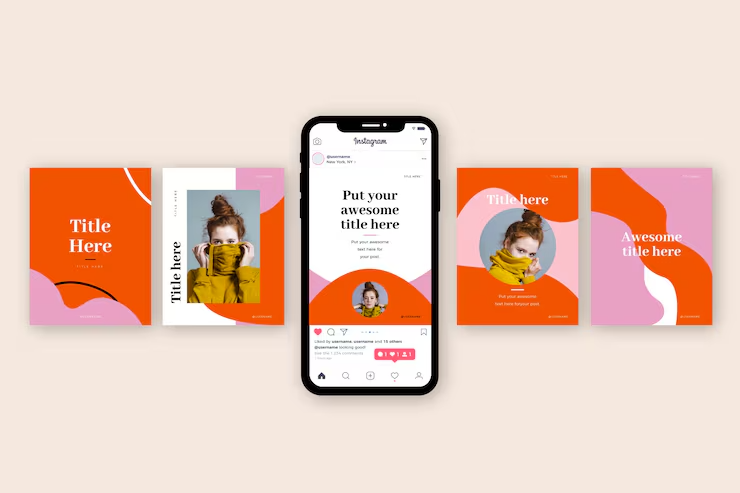
Single images get likes; carousels get saves and shares. Create a “Swipe to Review” post featuring 5 different products.
You can use the Link Sticker in your Stories immediately after posting the carousel to capture impulse clicks.
Pinterest (The Long Game)
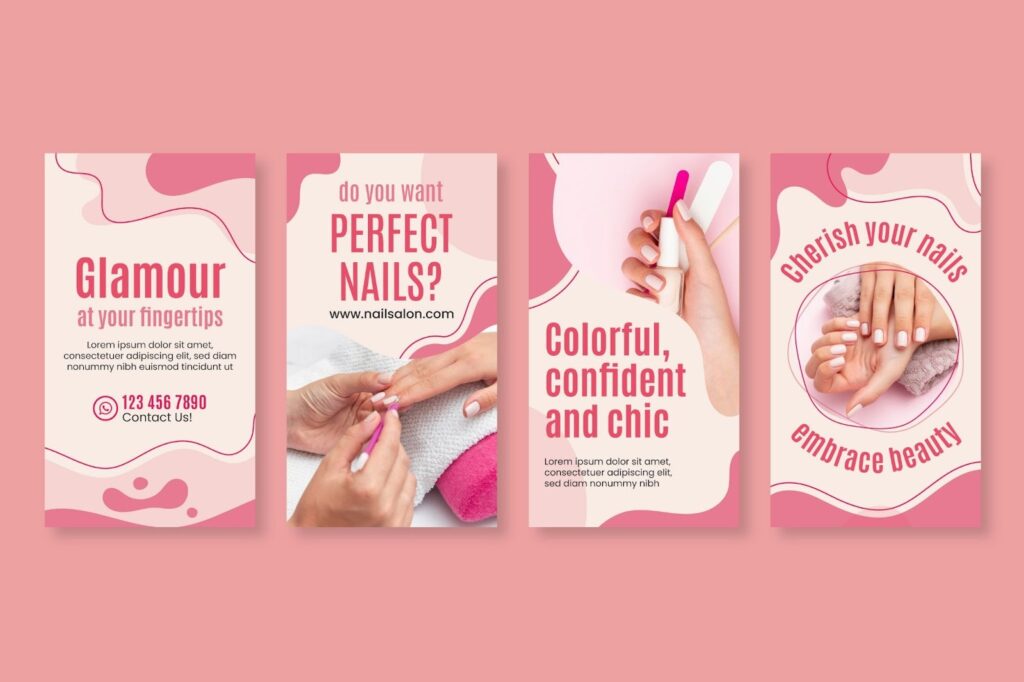
Pinterest is a visual search engine, not a social network.
You should pin seasonal content (like “Fall Decor Ideas”) at least 45 days early. It takes time for pins to circulate.
Design: Tall, vertical images (2:3 ratio) with large text overlays like “10 Amazon Finds for Tiny Apartments” stop the scroll.
TikTok (The “Amazon Finds” Format):
Speed is key. Use the “Green Screen” effect to show the product page listing behind your face.
Since you can’t link in captions, use a “Link in Bio” tool (like Linktree or Stan Store) and explicitly tell viewers: “Link is in my bio under ‘Kitchen Favorites’.”

Email Marketing: Your Highest-ROI Affiliate Channel
Algorithm changes can kill your traffic overnight. Your email list is immune.
Statistics consistently show that email generates 3-5x higher conversion rates than social media. Because the inbox is a personal space, readers are more focused.
Prioritize these email formats:
✏️The “Friday Faves” Newsletter: A simple, weekly curated list of the 3-5 best things you used or read that week. It feels like a text from a friend, not a marketing blast.
✏️The “Flash Sale” Alert: When a brand you love runs a 24-hour sale, send a dedicated email. Subject Line Example: “Heads up: That blender I use is 40% off today only.”
✏️ The “Abandoned Browse” Sequence: If you sell your own digital products, use your email sequence to down-sell affiliate products.
Example: Someone doesn’t buy your $200 course? Send an email recommending a $20 affiliate book as a starter option.
Compliance Note: Always include a clear affiliate disclosure at the top of every email. It’s legally required.
The Content Mix Formula: Balancing Formats for Maximum Revenue
Burnout is the enemy of consistency. You cannot create 10 new blog posts and 5 videos every week. You need a balanced diet.
You can use the 70-20-10 Rule to manage your workload:
70% Evergreen Content (The Foundation): Comprehensive guides, “Best Of” lists, and tutorials. These take time to create but pay you for years.
20% Seasonal/Trending (The Spikes): Holiday gift guides or reviews of a viral TikTok product. These bring quick traffic spikes but fade fast.
10% Experimental (The Fun): Personal opinion pieces, behind-the-scenes, or trying a new platform. This keeps you sane and builds connections.
Moreover, you can apply the “Waterfall” Repurposing Method.
Don’t create from scratch for every platform. You first create one deep-dive blog post (The Source) and then convert that content into different formats.
For example:
- Turn the H2 headers into an Instagram Carousel.
- Turn the main list into a YouTube Video.
- Cut the YouTube video into 3 TikToks.
- Send the key takeaway to your Email List.
What Affiliate Income Can Lifestyle Bloggers Realistically Expect?
Let’s have an honest conversation about money.
If you search “affiliate marketing income,” you’ll see screenshots of $50,000 months. While those exist, they are the outliers, not the average.
Real income growth is a staircase, not an elevator. To help you set realistic goals, here is a breakdown of what lifestyle creators actually earn based on traffic, niche, and experience.
Income Benchmarks by Traffic Level and Audience Size
Traffic isn’t everything, but it is the biggest factor.
Based on industry averages for lifestyle niches (assuming a 0.5% – 1% conversion rate and $50 average order value), here is what you can expect:
| Traffic levels | Income | Reasons |
| The Beginner Tier (0 – 10,000 monthly visitors) | $50 – $500 / month | You are still building trust. Most clicks here are curious readers, not buyers. |
| The Growing Tier (10,000 – 50,000 monthly visitors) | $500 – $2,500 / month | You have enough data to see what works. You start optimizing top posts, and your earnings per visitor increase. |
| The Established Tier (50,000 – 150,000 monthly visitors) | $2,500 – $8,000 / month | You likely have a growing email list, which converts better than social traffic.
Brand partnerships and higher-ticket items (furniture, courses) boost your bottom line. |
| The Authority Tier (150,000+ monthly visitors) | $8,000 – $25,000+ / month | You have recurring commissions, exclusive higher rates from brands, and diversified income streams. |
The Realistic Timeline: When to Expect Your First $100, $1,000, and $10,000 Months
Affiliate marketing follows a “Hockey Stick” growth curve. It is painfully flat for months, then shoots up suddenly.
📌Months 1-6 (The “Ghost Town” Phase):
Goal: First $100/month.
What it takes: Consistent content (2-4 posts/week). You are planting seeds. Don’t quit here—most people do.
📌 Months 6-12 (The Traction Phase):
Goal: First $1,000/month.
What it takes: You have a library of 50+ posts. Google starts ranking your keywords. You see consistent daily clicks.
📌 Months 18-36 (The Scale Phase):
Goal: First $10,000/month.
What it takes: This rarely happens by accident. It requires an email list of 5,000+ subscribers, a mix of high-ticket offers, and authority status in your niche.
The Compound Effect: A blog post you wrote in Month 3 might earn $0 for six months, then suddenly start generating $200/month in Month 9 once it ranks. Patience pays.
How Content Volume and Consistency Impact Earnings
You cannot build a full-time income on part-time effort.
Publishing frequency directly impacts how fast your income grows.
The Hobbyist (1-2 posts/month): Very slow. It might take 18 months to reach $500/month. You simply don’t have enough “hooks” in the water.
The Professional (1 post/week): Steady. Expect to hit $1,000/month within 12 months. This is a sustainable pace for most solo creators.
The Aggressor (3-4 posts/week): Accelerated. You could hit $2,000+/month within 8-12 months.
The “Pillar” Rule: Not all posts make money. Usually, 20% of your content generates 80% of your revenue.
These are your “Pillar Posts”—comprehensive guides and “Best Of” roundups. The other 80% of your content exists to build trust and traffic to feed those pillars.
Niche-Specific Income Variations: Which Lifestyle Categories Pay Best?
“Lifestyle” is broad. Your specific sub-niche limits how much you can earn.
| Lifestyle niches | Potential income |
| Fashion & Beauty
(5-15% commission) |
$1,500 – $5,000/mo for established creators. People buy clothes often, but returns can lower your profits. |
| Home & Furniture
(8-15% commission) |
$2,000 – $8,000/mo. You need fewer sales to make good money, but people buy sofas less often than lipstick. |
| Personal Development
(20-50% commission) |
$500 – $10,000+/mo. Highly variable. One course launch can make your month, but daily sales are less consistent. |
The Hidden Factors That Multiply (or Limit) Your Affiliate Income
Why does one blogger make a lot of money while another makes very little, even if they have the same number of views?
It usually comes down to four “Multipliers”:
Email List Engagement: An email subscriber is worth 5-10x more than a social media follower. A creator with 5,000 engaged email subscribers often out-earns an influencer with 50,000 Instagram followers.
Seasonality: Lifestyle affiliates live for Q4 (October-December). Many earn 40-60% of their total annual income in these 3 months due to holiday shopping.
Geography: A US/UK/Canada audience pays better. Affiliate programs in these regions are more common, and purchasing power is higher. A global audience generates 3-5x less revenue per 1,000 views.
Relationship Capital: Once you drive consistent sales, ask an Affiliate Manager for a raise. Increasing a commission from 10% to 15% instantly boosts your income by 50% without any extra traffic.
FAQs
What is a lifestyle affiliate program?
A lifestyle affiliate program allows creators, bloggers, influencers, and publishers to earn commissions by promoting products or services related to everyday living. These typically include fashion, wellness, beauty, home décor, travel, fitness, digital tools, and personal development. Affiliates earn money when users take actions such as purchases, sign-ups, or subscriptions.
How do lifestyle affiliate programs work?
Affiliates join a brand’s program, receive a unique tracking link, and promote it through content such as blogs, social media, email newsletters, or videos. When a user clicks the link and completes a qualifying action, the affiliate earns a commission, tracked via cookies or referral IDs.
Are lifestyle affiliate programs profitable?
Yes—lifestyle affiliate programs can be highly profitable, especially for creators with trust-based audiences. Because lifestyle content aligns closely with daily habits and aspirations, conversion rates are often strong. Long-term profitability improves when affiliates focus on evergreen topics like health routines, home organization, or self-care.
Do I need a blog to join a lifestyle affiliate program?
No. Many programs accept affiliates with Instagram, TikTok, YouTube, Pinterest, or email lists. However, having a blog or website helps with SEO traffic, long-form reviews, and compliance with affiliate disclosure requirements.
Are lifestyle affiliate programs beginner-friendly?
Most lifestyle affiliate programs are beginner-friendly, especially those run by direct-to-consumer (DTC) brands or affiliate networks. Many offer ready-made creatives, deep links, and dashboards, making them suitable for new affiliates without technical experience.
How long does it take to earn money with lifestyle affiliate marketing?
Results vary. Some influencers earn commissions within days using social media, while SEO-driven blogs may take 3–6 months to gain traction. Consistent content creation and audience trust significantly shorten the earning timeline.
Can lifestyle affiliates earn recurring income?
Yes. Many lifestyle affiliate programs promote subscriptions, such as wellness apps, online memberships, or monthly product boxes. These offer recurring commissions, allowing affiliates to build predictable, long-term income streams.
Is lifestyle affiliate marketing sustainable long term?
Absolutely. Lifestyle niches are evergreen and evolve with trends, making them ideal for long-term affiliate strategies. Affiliates who build personal brands, email lists, and diversified traffic sources tend to sustain income even as platforms and algorithms change.
Conclusion
And there you have it – a complete roadmap to building an affiliate program for your lifestyle brand on Shopify.
A well-run affiliate program is so much more than just a sales channel; it’s an engine for authentic, sustainable growth. It’s about building a community of advocates who are as passionate about your brand as you are.
Now it’s your turn. Start building your community of brand ambassadors today and watch your brand grow.

Ellie Tran, a seasoned SEO content writer with three years of experience in the eCommerce world. Being a part of the UpPromote team, Ellie wants to assist Shopify merchants in achieving success through useful content & actionable insights. Ellie's commitment to learning never stops; she's always eager to gain more knowledge about SEO and content marketing to create valuable content for users. When she's not working on content, Ellie enjoys baking and exploring new places.